Easy Cream Cheese Ball Recipe
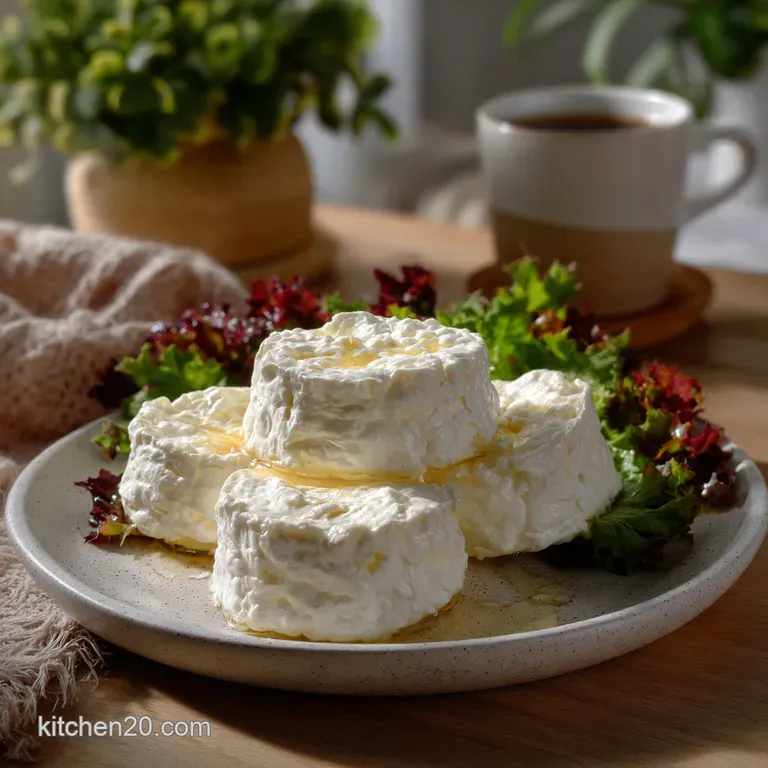
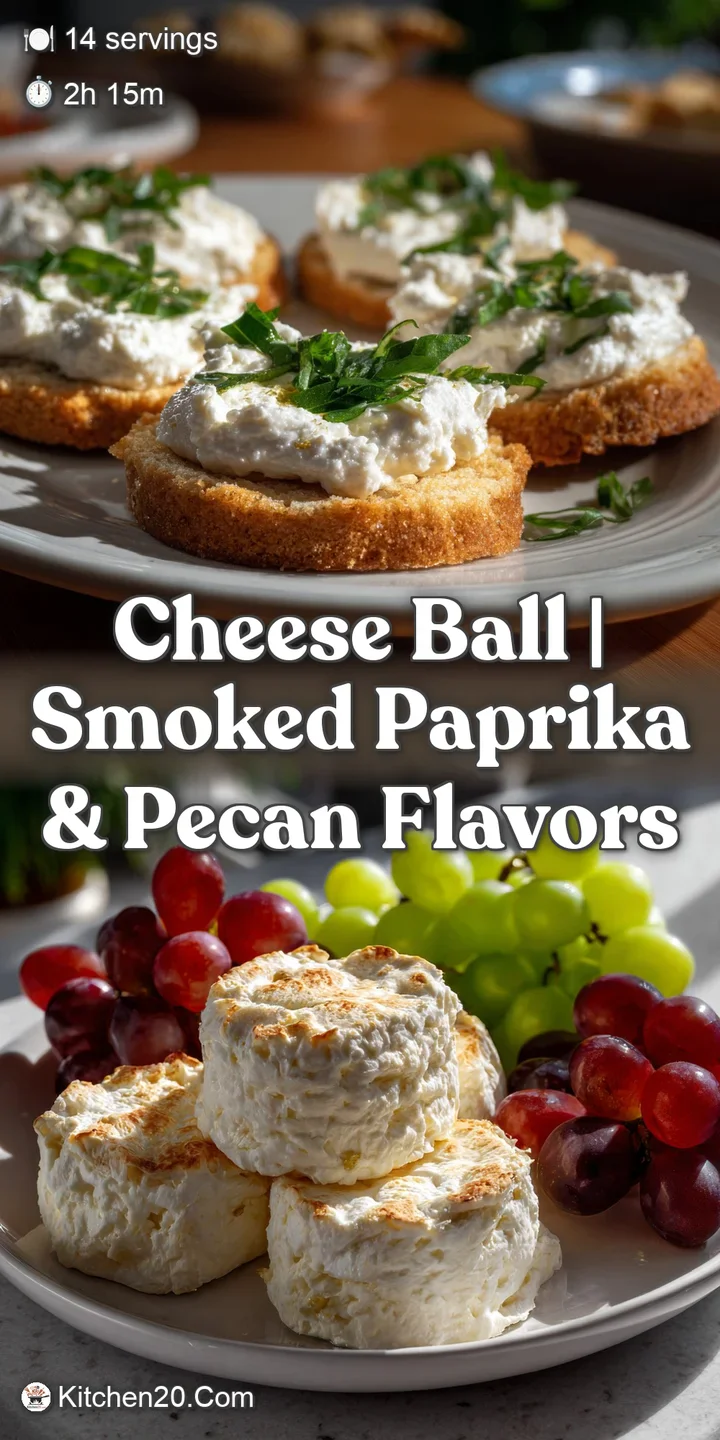
- Effort/Time: Low-effort / 2 hours 15 minutes total
- Flavor Hook: Smoked paprika and cayenne provide a subtle back-of-palate heat balanced by nutty, mahogany-toasted pecans.
- Perfect for: High-traffic social gatherings, make-ahead holiday spreads, or connective community potlucks.
- Mastering the Modern Social Centerpiece: The Ultimate cheese ball Blueprint
- The Culinary Physics of Lipid Stability and Emulsion Control
- Precision Metrics and Checkpoints for Structural Integrity
- The Alchemy of Umami: Selecting Your Elements for Depth
- Essential Tech Stack for Achieving Optimal Spreadable Texture
- The Chronological Blueprint for Maximum Flavor Development
- Debugging Your Texture: Common Pitfalls and Technical Fixes
- Iterative Flavor Design: Scaling Your Spread Profile
- Sustaining Quality: Cold Storage and Zero Waste Protocols
- The Garnish Strategy: Visual Optimization and Color Balance
- Recipe FAQs
- 📝 Recipe Card
Mastering the Modern Social Centerpiece: The Ultimate cheese ball Blueprint
There is nothing more socially isolating than watching a guest struggle to dismantle a rock hard "cheese brick" that shatters their cracker into a million dusty shards. I once presented what I thought was a masterpiece at a housewarming party, only to realize the 100% cheddar base had polymerized into an impenetrable mass that required a chisel to serve.
It was a technical failure that left the crackers broken and the conversation stalled. This failure inspired the development of this perfect cheese ball.
I spent three seasons iterating on lipid ratios, destroying batches of cream cheese by over whipping them into a grainy mess before I understood the physics of the dairy matrix. The breakthrough wasn't about adding more "stuff" it was about revolutionizing the connection between the fats.
By integrating a specific percentage of sour cream, we lower the overall melting point of the spread, ensuring it yields to a butter knife even after a long chill.
The secret to this cheese ball isn't just the flavor; it's the molecular transition that happens during the two-hour resting phase. We aren't just chilling the dairy; we are allowing the crystalline structures of the fats to interlock around the grated cheddar, while the osmosis of the Worcestershire sauce and dry spices seasons the core.
The result is a velvety, mahogany flecked sphere that serves as a platform for flavor exploration and community connection. Developing this cheese ball truly required rigorous testing.
The Culinary Physics of Lipid Stability and Emulsion Control
- Lipid Plasticity: Combining high fat cream cheese with cultured sour cream creates a more pliable fat network that resists becoming brittle when refrigerated. This stability is key for any successful cheese ball.
- Aromatic Infusion: Garlic and onion powders undergo hydration within the fat phase, distributing flavor more evenly than fresh aromatics which can release excess moisture.
- Maillard Optimization: Toasting pecans until they reach a deep mahogany hue develops volatile flavor compounds through the heat induced reaction between amino acids and reducing sugars.
- Structural Chill: A 2 hour rest allows the protein networks in the cheddar to stabilize the softer cream cheese, preventing the "slump" effect at room temperature. This ensures your cheese ball maintains its form.
Precision Metrics and Checkpoints for Structural Integrity
To ensure your cheese ball reaches masterclass status, monitor these three critical checkpoints during the assembly process:
- Temperature Check: Soften your 16 oz Philadelphia Cream Cheese to exactly 21°C (70°F). If it’s too cold, you’ll get lumps; too warm, and the emulsion will break, leading to an oily surface. A badly mixed base ruins the entire cheese ball.
- Toasting Duration: Pecans must be toasted at 175°C for 8 10 minutes until the kitchen smells like browned butter and the nuts audibly snap when pressed.
- Chilling Protocol: The minimum internal stabilization time is 2 hours. This isn't a suggestion it’s the time required for the fat solids to re-crystallize for a clean slice.
| Method | Texture Outcome | Flavor Profile | Ease of Service |
|---|---|---|---|
| Stovetop (Nuts) | Rapid browning, high risk of scorching | Concentrated, toasted | Consistent, but not ideal for a perfect cheese ball |
| Oven (Nuts) | Uniform mahogany color, deep crunch | Complex, earthy | Consistent and hands off |
The Alchemy of Umami: Selecting Your Elements for Depth
Building the perfect cheese ball requires high-quality inputs that serve specific chemical purposes. Just as you'd carefully select the beef for a Nonnas Secret Tender recipe, the dairy here must be chosen for its protein-to-fat ratio. This is a fundamental aspect of mastering this specific appetizer.
- 16 oz Philadelphia Full fat Cream Cheese: This is the structural foundation. Why this? Provides the essential saturated fat density to hold a spherical shape without collapsing.
- 2 cups Sharp Cheddar Cheese: Must be freshly grated from a block. Why this? Pre-shredded cheese is coated in cellulose, which prevents the ingredients from bonding into a cohesive mass.
- 0.25 cup Sour Cream: Adds necessary acidity. Why this? Lactic acid softens the protein strands in the cheddar, creating a velvety mouthfeel.
- 1 cup Pecans: These provide the "shatter" and texture contrast crucial to the final cheese ball.
- 0.25 cup Fresh Parsley: Minced fine for the outer "shell."
| Ingredient | Chemical/Physical Role (Science) | The Pro Secret (Why This Matters) |
|---|---|---|
| Worcestershire Sauce | Umami rich liquid seasoning (glutamates) | Provides a fermented depth that mimics aged cheese without the cost |
| Smoked Paprika | Oil-soluble pigment and flavor | The fat in the cream cheese "blooms" the spice, intensifying the smoky aroma |
| Cayenne Pepper | Capsaicin driven heat | Acts as a palate cleanser, cutting through the heavy fat content of the dairy |
Essential Tech Stack for Achieving Optimal Spreadable Texture
- KitchenAid Stand Mixer: Using the paddle attachment ensures the 16 oz of cream cheese is aerated slightly without introducing too much heat from manual stirring.
- Microplane Grater: Critical for the 2 cups of cheddar to ensure the shreds are fine enough to integrate into a seamless emulsion.
- Lodge Cast Iron Skillet: Ideal for toasting the 1 cup of pecans, as the thermal mass provides a steady, even heat that prevents hot spots.
- Plastic Food Wrap: Essential for the "Structural Chill" phase to compress the molecules into a tight sphere.
Chef's Tip: Freeze your block of cheddar for 15 minutes before grating. This prevents the friction of the grater from melting the fats, resulting in distinct, clean shreds that fold perfectly into the cream cheese.
This step elevates the texture of your final cheese ball.
The Chronological Blueprint for Maximum Flavor Development
- Soften the 16 oz cream cheese at room temperature for 1 hour until a finger leaves a deep indentation with zero resistance.
- Grate the 2 cups of sharp cheddar using the fine holes of a box grater until you have a light, airy pile of cheese "snow."
- Toast the 1 cup of finely chopped pecans in a Lodge skillet over medium heat for 5 minutes until they turn mahogany and the aroma is intensely nutty.
- Beat the softened cream cheese and 0.25 cup sour cream in a KitchenAid mixer for 2 minutes until the mixture looks like glossy silk.
- Add the 1 tsp Worcestershire, 0.5 tsp garlic powder, 0.25 tsp onion powder, 0.25 tsp smoked paprika, and 0.125 tsp cayenne pepper.
- Incorporate the 2 cups of grated cheddar using a silicone spatula until no white streaks remain and the color is a uniform pale orange.
- Transfer the mixture onto a large sheet of plastic wrap and gather the corners until the mass forms a tight, heavy sphere. This shapes the core of the cheese ball.
- Refrigerate the cheese ball for 2 hours until the exterior feels firm and cold to the touch.
- Combine the toasted pecans, 0.25 cup minced parsley, and 2 tbsp sliced chives in a shallow bowl.
- Roll the chilled sphere in the nut-herb mixture until every square centimeter is hidden beneath a crunchy, green and bronze shell.
Debugging Your Texture: Common Pitfalls and Technical Fixes
This is almost always a result of a temperature mismatch. If the cream cheese is too cold, it won't emulsify with the sour cream. If the cheddar is added while the pecans are still hot, it will melt unevenly, creating "plastic" lumps that ruin the velvety experience. This is similar to the emulsion challenges found in our Sausage Balls recipe. Troubleshooting texture is vital for a premium cheese ball.
| Problem | Root Cause | The Fix | Pro Protocol |
|---|---|---|---|
| Oily Surface | Fat separation from over mixing | Chill immediately for 30 mins | Pulse the mixer; don't run it on high speed |
| Bland Core | Under seasoning or old spices | Increase Worcestershire by 0.5 tsp | Use freshly opened spices to ensure volatile oils are active |
| Soggy Nuts | Moisture migration from parsley | Apply coating right before serving | Pat parsley extremely dry in a paper towel before mincing |
If your cheese ball loses its shape within 20 minutes of sitting out, your fat-to-liquid ratio is off. This often happens if you use "whipped" cream cheese instead of the brick variety.
Whipped versions contain nitrogen gas and extra moisture, which compromises the structural integrity of the resulting cheese ball.
Cold temperatures suppress flavor. If the cheese ball tastes like nothing, it’s likely too cold or lacks the "acid bridge." Ensure you aren't skipping the sour cream, as the acidity is what "unpacks" the heavy fats on your tongue.
A well flavored cheese ball relies on this balance.
Iterative Flavor Design: Scaling Your Spread Profile
If you want a spicier kick, double the cayenne pepper and add 1 tbsp of finely minced pickled jalapeños. If you want a sweeter profile, similar to a Crockpot Honey Garlic Meatballs recipe, swap the savory spices for honey and dried cranberries. This shows the versatility of the base structure for any cheese ball.
- If you want maximum crunch, use a mix of pecans and toasted walnuts.
- If you want a lighter feel, substitute half the cheddar for a lower density goat cheese.
- If you want smoky depth, use a smoked gouda instead of sharp cheddar in your cheese ball.
| Original Ingredient | Substitute | Why It Works |
|---|---|---|
| Sharp Cheddar | Smoked Gouda | Similar melting point; adds intense wood smoke notes |
| Pecans | Toasted Pepitas | Provides the "shatter" texture while being nut-allergy safe |
| Sour Cream | Plain Greek Yogurt | Similar acidity; higher protein content for a firmer set |
- The Everything Bagel: Roll in poppy seeds, sesame seeds, and dried garlic.
- The Mediterranean: Use feta and sundried tomatoes in the base; roll in pine nuts.
- Christmas Tree Cheese Ball: Shape into a cone and use rosemary sprigs as "branches."
- Pineapple Cheese Ball Recipe: Fold in 0.25 cup crushed, drained pineapple for a retro sweet twist. This variation shows how much you can adapt the classic cheese ball.
Sustaining Quality: Cold Storage and Zero Waste Protocols
- Fridge: Store in an airtight container for up to 5 days. The flavors actually improve on day 2 as the spices fully hydrate.
- Freezer: You can freeze the base (before adding the nut coating) for up to 1 month. Wrap tightly in a double layer of plastic and foil. Thaw in the fridge for 24 hours before rolling in fresh pecans. Note: Texture may be slightly more crumbly after thawing due to ice crystal formation breaking the fat emulsion. This is why immediate consumption is best for the classic cheese ball.
When doubling this recipe for a large event, the physics of the sphere changes. A double batch (32 oz of cream cheese) creates a massive thermal mass that will take closer to 4 5 hours to chill to the center. The Evaporation Paradox: Do not double the Worcestershire sauce.
Use only 1.5x the amount (1.5 tsp) to prevent the mixture from becoming too loose to hold a shape. Pro Tip: Instead of one giant ball, make two standard sized ones. This ensures even chilling and prevents the bottom from flattening under its own weight.
Scaling the cheese ball requires forethought.
Don't discard those herb stems! Transform: Mince the parsley and chive stems extremely fine and mix them into the cheese base. Science: Stems contain more concentrated aromatic oils than the leaves, providing a "background" flavor while the leaves provide the "foreground" visual.
This enriches the overall flavor profile of the cheese ball.
The Garnish Strategy: Visual Optimization and Color Balance
- 1. Deep Bronze (Toasted Pecans)
- Added last to maintain the "shatter" texture.
- 2. Forest Green (Minced Parsley)
- Provides the organic, fresh look.
- 3. Bright Lime (Chives)
- Adds a sharp, linear contrast to the round parsley leaves.
To maximize the impact, don't just toss the coating on. Press the mixture firmly into the surface of the chilled cheese. This creates a moisture barrier that keeps the nuts crunchy for hours.
Serve this cheese ball alongside a variety of textures think buttery crackers, crisp celery stalks, and salty pretzels.
If you're looking for another classic spread to round out your table, my Pimento Cheese recipe uses a similar sharp cheddar base but offers a more relaxed, scoopable texture compared to this structured cheese ball.
- If you want a clean slice, chill for a full 4 hours.
- If you want a soft spread, take it out of the fridge 20 minutes before serving.
- If you want a nut-free version, use toasted panko breadcrumbs mixed with the herbs. This is a simple modification for any cheese ball requirement.
This cheese ball is more than just an appetizer; it's a technical exercise in balance and a catalyst for social connection. Whether it's a casual Sunday or a high stakes holiday, this blueprint ensures your centerpiece is always the talk of the table.
Let's get rolling on your perfect cheese ball!
Recipe FAQs
How to make cheese ball?
Combine softened cream cheese, shredded cheddar, sour cream, and spices, then chill. After chilling, roll the sphere firmly in toasted, chopped pecans and fresh herbs. This sphere requires 2 hours minimum chilling for structural set.
How to make cheese balls at home?
Use freshly grated cheddar and room temperature cream cheese for best binding. Cold cheese prevents proper emulsion, resulting in a grainy texture instead of a smooth spread.
- Ensure cream cheese is 70°F
- Incorporate spices slowly
- Roll coating immediately after chilling
How to make cheese ball dip?
Increase liquid content slightly using more sour cream or a splash of milk. This increased hydration allows the mixture to remain scoopable rather than firm enough to hold a sphere. If you nailed the stable emulsion in this recipe, use the same whisking method in our Homemade Mac and Cheese: My Creamy, Dreamy Recipe!.
How to make cheese balls with cream cheese?
Cream cheese is the essential fat binder holding the structure together. It provides the high fat matrix needed to support the grated hard cheeses and seasonings. Always soften the cream cheese fully to prevent lumpy final texture.
How to make cheese ball with chipped beef?
Substitute the chopped pecans/herbs entirely with finely minced, dried chipped beef. The beef offers a salty, savory exterior crust, similar to how we achieve crunch on the outside of Juicy Lucy Sliders How to Make Molten Cheese Bombs. Ensure the beef is very finely processed so it adheres well.
Can I make cheese ball ahead of time?
Yes, chilling for 24 hours enhances flavor infusion. Longer chilling allows internal flavors to distribute, but if you are freezing the base, expect a slight textural difference upon thawing. This ensures your spread is firm for serving.
Myth: A hard cheese ball means you used too much cheddar.
Myth: A hard cheese ball means you used too much cheddar. Reality: Hardness usually results from insufficient fat (like not enough cream cheese) or being served straight from the freezer. Undercooked protein denatures when chilled too rapidly, creating a brittle structure.
Easy Cream Cheese Ball
Ingredients:
Instructions:
Nutrition Facts:
| Calories | 245 kcal |
|---|---|
| Protein | 7.4 g |
| Fat | 23.6 g |
| Carbs | 2.9 g |
| Fiber | 0.9 g |
| Sugar | 1.2 g |
| Sodium | 255 mg |
