Homemade Salsa the Sunday Batch Fireroasted Fresh Tomato Recipe
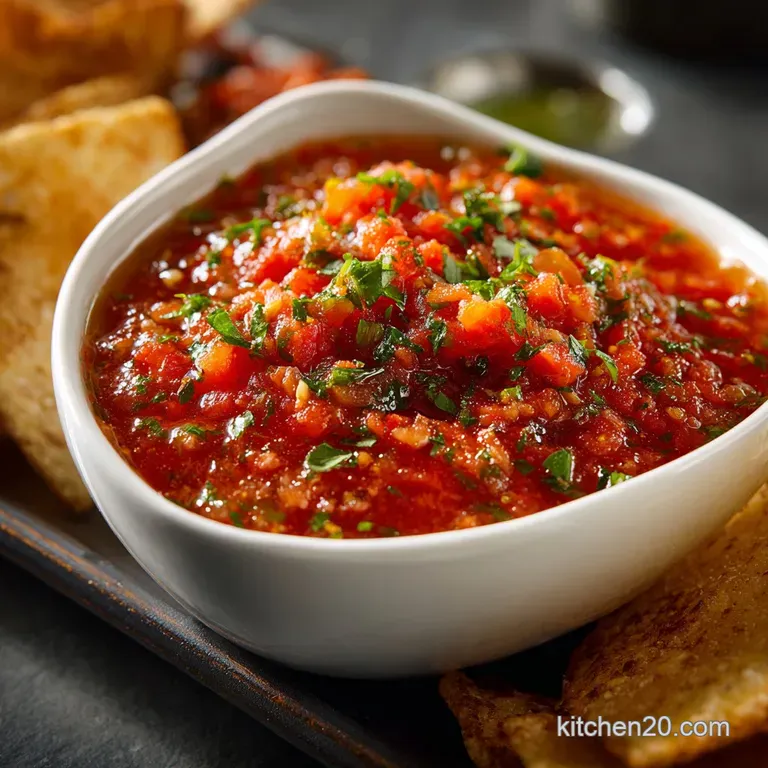
The Secret to the Best Homemade Salsa: Charred Perfection
Okay, let's talk salsa. Not the watery, jarred stuff you reluctantly buy when you’re desperate. I’m talking about the deeply flavourful, robust, smoky Red Sauce (Salsa Roja) that makes you want to skip dinner and just eat chips until you explode.
I spent years trying to achieve that perfect, authentic flavour at home, churning out batches that were either too acidic or just plain dull. Big sigh. Then I figured out the secret, and honestly, it’s stupid simple: you have to use fire.
Why Fire Roasting Changes Everything
I used to think that the best homemade salsa required only the freshest, rawest ingredients. I’d dutifully dice, chop, and blend, and the result was always bright, yes, but also thin and kind of one and note. It tasted like great pico de gallo, which is fine, but it’s not salsa .
The problem? Raw ingredients hold too much water, and they haven't had a chance to get complicated.
Roasting changes the fundamental structure of the vegetables. The high heat does two brilliant things: first, it concentrates the sugars in the tomatoes and onions, giving them a rich, sweet base note they didn't have before. Second, the charring process adds a crucial layer of smokiness and depth.
That’s what gives restaurant and quality salsa its soul. You can use great fresh tomato salsa ingredients, but until they’ve kissed the fire, they are just polite. We want rude, complex flavour here.
The Difference Between Fresh and Roasted
If you’ve ever wondered why your homemade salsa with fresh tomatoes tastes different from your favourite Mexican restaurant’s version, this table nails it. This is about choosing the flavour experience you want.
| Feature | Fresh Salsa (Pico de Gallo) | Fire and Roasted Salsa (Roja) |
|---|---|---|
| Flavour | Bright, sharp, acidic. Perfect for garnish. | Smoky, deep, complex, satisfyingly sweet/sour. |
| Texture | Crunchy, very chunky. Gets watery quickly. | Smooth, rustic, coats the chip perfectly. |
| Time Investment | 5 minutes of chopping. | 25 minutes of roasting (mostly inactive). |
Our Commitment to the Sunday Batch Flavor
This homemade salsa recipe easy solution is what I call the "Sunday Batch" for a reason. You make a big container of it, and it lasts all week and it gets better every day.
We’re aiming for that flavour consistency, the one that makes everyone ask, "Did you really make this?" The flavour is robust enough to stand up to heavy seasoning and bright enough from the lime to keep things zinging.
Trust me, once you try fire and roasted garlic and tomatoes, you won't go back to the raw stuff.
Assembling Your Toolkit and Pantry Staples
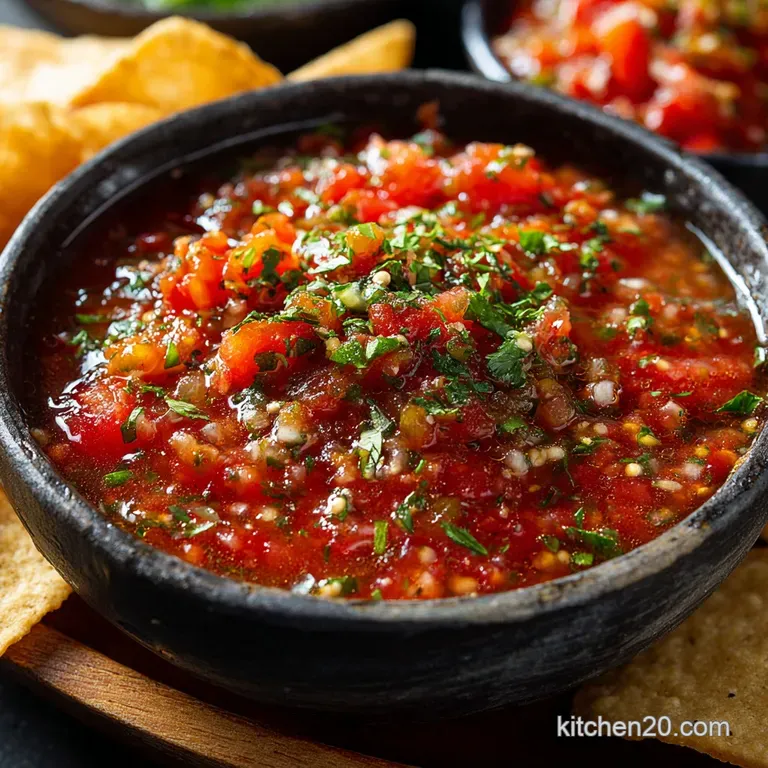
Right then, let's get organized. This is incredibly easy, but you need two things to be absolutely non and negotiable for success: good tomatoes and a proper blender.
Essential Equipment for the Fire Roast
You don't need fancy tools, but you absolutely need a rimmed baking sheet (to catch the tomato juices) and foil or parchment paper. Line the tray. Seriously, do it. Cleaning charred tomato skins off a tray is the definition of unnecessary kitchen labour.
The other essential? A food processor or a blender. If you only have one of those tiny, weak mini and choppers, please reconsider. You need something with a powerful pulse setting that gives you control. This isn't soup; it’s salsa. Texture is king.
Choosing the Right Tomatoes and Chiles
For the best flavour, you must use Roma Tomatoes . They are firm, meaty, and contain significantly less water than big slicing tomatoes (like Beefsteak). Less water means less roasting time, more concentration, and a thicker finished product. Always pick firm, ripe ones.
For the heat, I default to a large jalapeño. If you like it scorching hot, swap it for a serrano pepper. My trick for depth, though, is the canned chipotle in adobo. You only need one pepper and a teaspoon of the sauce, but it adds a layer of smoky, earthy complexity that is non and negotiable for a truly deep red sauce.
Fresh vs. Dried Herbs: Making the Call
With salsa, you are generally always going fresh. No dried coriander/cilantro allowed. Period. The sheer brightness and essential oils of the fresh herb are necessary to contrast with the heavy, smoky roasted components.
The only dried spice we use is a touch of cumin. It’s optional, but that 1/4 teaspoon adds a warmth that just grounds the overall flavour profile beautifully.
Related Recipes Worth Trying
- Yellow Cake Recipe Rich Moist and Tender Homemade Classic — This is the quintessential Yellow Cake baked from scratch using extra yolks for a deep golden colour and unbelievably tender crumb Our Moist Yellow Cake...
- OldFashioned Banana Pudding Grandmas Recipe with Homemade Custard — This classic OldFashioned Banana Pudding recipe uses rich homemade custard ripe bananas and crisp vanilla wafers Its the best banana pudding ever topped...
- Proper Classic Homemade Chili Deep Rich Flavour from a Slow Simmer — Master the Classic Homemade Chili with our signature technique spice blooming This Best Homemade Chili Recipe Beef delivers rich smoky depth A perfect hug...
The Simple Steps to Crafting Fire and Roasted Salsa Roja
This process is broken into two short bursts of activity separated by easy waiting time. Let's crack on.
Preparing the Vegetables for the Flames
We are looking for rough cuts here; precision doesn't matter since it’s all going into the machine anyway. Halve the Roma tomatoes lengthwise. Quarter the white onion roughly. Take the stem off the jalapeño. The magic trick? Keep the garlic cloves UNPEELED.
Roasting the garlic in its skin steams it, preventing it from burning and turning bitter, giving you sweet, caramelized flavour. Toss everything but the garlic cloves with a splash of olive oil and spread them onto your prepared baking sheet.
Achieving the Perfect Char and Softness
Crank your oven up to 400°F (200°C). High heat is your friend. Place the pan in the oven for 20 to 25 minutes.
Around the 15 minute mark, check on them. You want to see the tomato skins wrinkling up and the onions and peppers developing dark, blackened spots. Don't pull them out too early; that char is where the flavour lives.
Once they are sufficiently soft and dark, pull the pan out and let it cool for 15 minutes. This is critical for safety and flavor and now you can easily slip those soft, sweet roasted garlic cloves out of their paper shells.
Blending for Texture: Chunky or Smooth?
This is where I messed up my first six batches of homemade salsa by making them liquid. Don’t do that.
Transfer all the roasted vegetables (including any tomato juices on the pan), the peeled garlic, the chipotle and adobo sauce, and your cup of fresh coriander into the food processor. Now, listen closely:
Look, I'm serious about this: When you blend, use only the PULSE button. If you let it run continuously, you will end up with spicy tomato soup. We want rustic, not puréed. Pulse 3 to 5 times until the texture is combined but still looks visibly chunky.
Once blended to a rustic texture, pour it out into a bowl. Now you add the lime juice and salt. I use about a full teaspoon of salt, but you must taste it. It should taste slightly over and seasoned when warm, because the flavour will dull slightly when cold.
Mastering Homemade Salsa: Tips, Longevity, and Variations
How Long Does Homemade Salsa Stay Fresh?
Since this is a fresh salsa recipe utilizing roasted vegetables and raw lime, it has a decent shelf life, but it’s not forever. When stored in an airtight container in the fridge, it is excellent for 4 to 5 days. After that, the coriander starts to turn a little slimy, and the freshness fades.
If you’re interested in a true homemade salsa recipe for canning for long and term storage, this recipe is a great starting point, but you must look up specific canning guidelines (like using vinegar instead of lime) to ensure proper pH balance for shelf stability.
Troubleshooting: Too Hot? Too Watery?
I get these questions all the time. Here’s the quick fix:
- "My salsa is too hot!" The simplest fix is adding acidity and a touch of sweetness. Stir in another tablespoon of lime juice and 1/4 teaspoon of sugar. This balances the capsaicin without ruining the deep flavour.
- "My salsa is too watery!" This usually means your tomatoes were too juicy or you didn't let the liquid reduce enough in the roasting process. Next time, try draining some of the accumulated liquid from the baking sheet before blending. For a quick fix now, stir in half a teaspoon of tomato paste; it’s an incredible binder.
Flavor Hacks: Turning Up the Heat or Smoke
Want to customize your Sunday Batch? Try these:
- Add 1/2 teaspoon of smoked paprika when blending for an intense smokiness without adding more chipotle heat.
- For an extra herbal note, stir in a pinch of dried Mexican oregano (crushed between your fingers) along with the cumin.
- Want subtle heat? Roast a few extra garlic cloves, peel them, and smash them into a paste to add more roasted sweetness.
Creative Serving Ideas Beyond Tortilla Chips
Sure, chips are mandatory, but this homemade salsa is too good to be limited. We use it:
- Mixed into scrambled eggs or drizzled over a breakfast burrito.
- As a flavour booster stirred into plain Greek yogurt or sour cream for a quick, spicy dip.
- Alongside any grilled protein chicken thighs, steak, or even firm white fish.
- My absolute favourite: dolloped inside a grilled cheese sandwich instead of ketchup. Game changer!
Recipe FAQs
I've made a big batch; how long does this brilliant stuff keep in the fridge?
Provided it's kept in a sealed, airtight container, your homemade salsa should last happily for 5 7 days. For the absolute best, most vibrant flavour, however, try to polish it off within four days, as the fresh components like lime and coriander start to fade after that.
Why does the recipe insist on pulsing rather than just blending it all up like a smoothie?
Using the pulse function is absolutely key to achieving that rustic, proper pub-grub texture. Blending continuously turns it into a watery purée, whereas pulsing ensures defined chunks of roasted tomato and onion remain, which gives the salsa a much better bite and mouthfeel.
I want to make this Homemade Salsa for a party, but how can I adjust the heat level?
To turn the dial up a notch, keep the seeds in the jalapeño and add a second chipotle pepper in adobo sauce; conversely, if you need a milder kick, swap the jalapeño for a green bell pepper and reduce the chipotle sauce by half.
Since I have loads of tomatoes from the allotment, can I preserve or can this roasted salsa?
Unfortunately, this specific fresh roasted recipe isn't suitable for safe water bath canning due to the lack of measured acidity; it's best kept fresh, or you can freeze it in small batches for up to two months, though freezing can make the texture a little softer upon thawing.
I'm one of those people who thinks coriander tastes like soap. What’s the best swap?
Don't fret, that's a very common complaint! Swap out the coriander entirely for fresh flat leaf parsley and add a quarter teaspoon of dried Mexican oregano to the blend to compensate for the crucial traditional flavour note you'd otherwise miss out on.
Easy Fireroasted Homemade Salsa
Ingredients:
Instructions:
Nutrition Facts:
| Calories | 55 kcal |
|---|---|
| Fat | 3 g |
| Fiber | 3 g |
