Buttermilk Pancakes: the Chefs Blueprint for Ultimate Fluffiness
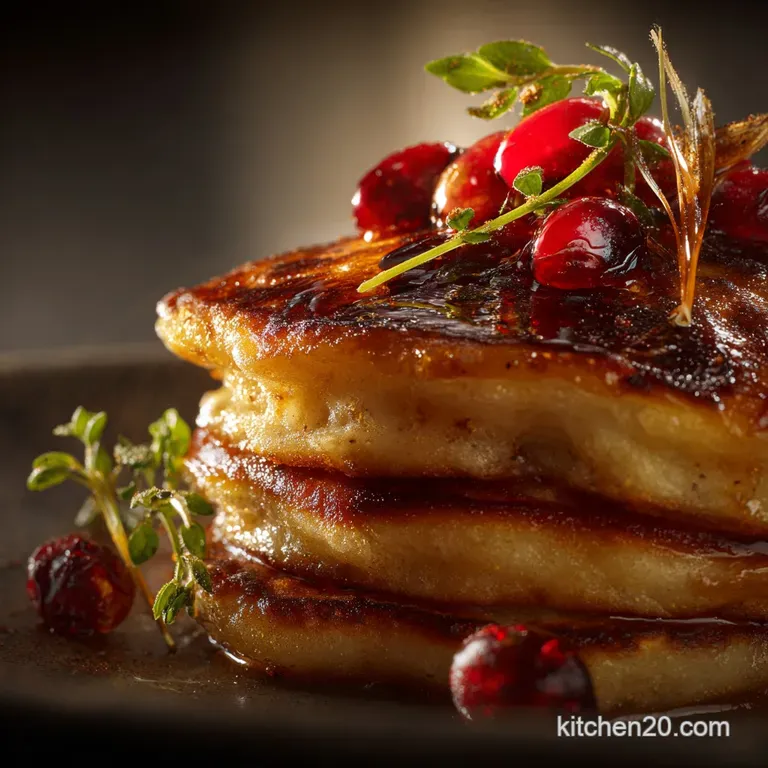
- The Morning Glory Stack: Chef’s Perfect Fluffy Buttermilk Pancakes
- The Quest for Fluff: Why These Buttermilk Pancakes Are the Best
- The Science of Tenderness: Achieving Peak Fluffiness
- Essential Pantry Items for Perfect Buttermilk Pancakes
- The Chef’s Blueprint: Step-by-Step Preparation Guide
- Griddle Mastery: Troubleshooting and Pro Tips for Better Pancakes
- Practical Storage Solutions for Your Buttermilk Pancakes
- Elevating the Experience: Gourmet Topping and Serving Ideas
- Recipe FAQs
- 📝 Recipe Card
The Morning Glory Stack: Chef’s Perfect Fluffy Buttermilk Pancakes
You know that smell? That first whiff of melted butter and slightly sweet, warming batter hitting a hot griddle? It’s pure magic. These aren't your average thin crêpes; we are talking thick, unbelievably light, and properly fluffy buttermilk pancakes with that signature gentle tang.
Honestly, if you master this basic skill, every weekend becomes exponentially better.
This specific recipe is a total lifesaver for fast, impressive brunch. The ingredients are ridiculously cheap and probably already in your pantry, making them instantly accessible compared to elaborate pastry projects. Plus, they destroy any box mix out there seriously, ditch the powder.
I've made every mistake in the book (hello, hockey puck pancakes!), but I've distilled all the failed attempts into this single, foolproof method. We are going to dive into the easy science of why this stack rises so high, what to look for when you flip, and how to get that perfect golden sear.
Let’s crack on and make the best buttermilk pancakes from scratch.
The Quest for Fluff: Why These Buttermilk Pancakes Are the Best
The secret to achieving the fluffiest buttermilk pancakes possible isn't just the buttermilk itself; it’s a careful dance between acid, heat, and gentle handling. Most people mix too much or cook too fast.
We are going for minimal gluten development and maximum gas expansion, which is why these come out cloud like every single time. It's truly a game changer when you want an easy brunch that looks seriously impressive.
The Science of Tenderness: Achieving Peak Fluffiness
The Magic of the Dual Leavening System
For maximum lift, we utilize both baking powder and baking soda, which is the cornerstone of this recipe's success. Baking powder provides the initial puff when it hits the liquid, while the baking soda reacts directly with the acid in the buttermilk, giving us a second, powerful burst of carbon dioxide gas during the cooking process.
This dual action is why these pancakes stand tall.
Preparation Time and Difficulty Rating
Trust me, this recipe is incredibly straightforward. It takes ten minutes of active mixing. You're mostly waiting for the batter to rest and then cooking them in batches on the griddle. We rate this Easy ; you just need patience and medium heat.
A Quick Look at the Final Nutritional Breakdown
Pancakes are breakfast fuel, and these are hearty, thanks to the whole buttermilk and eggs. They provide a decent amount of protein and carbohydrates for starting your day right. Just remember, these estimates exclude the copious amounts of syrup I know you're planning to pour on top.
The Buttermilk Tang: Acid’s Role in Activating Baking Soda
Buttermilk doesn't just add a lovely, subtle sourness that balances the sweetness; it's chemically essential. This acidic liquid immediately activates the baking soda, which helps tenderize the gluten in the flour even before the heat hits. The result is a richer flavor and a pancake far more tender than if you used regular milk. We use the same crucial technique for the beautiful flakiness in my famous Peach Cobbler: Classic Buttermilk Recipe for a Flaky Topping .
Why Over Mixing Is the Enemy of Light Batter
When you mix flour and liquid for too long, you are developing gluten. Gluten is what makes bread chewy and strong, which is the exact opposite of what we want in a fluffy buttermilk pancake. You must stop mixing the second the flour disappears. If you see lumps, congratulate yourself!
Those little lumps will melt away during the rest period, leaving you with tender, perfect results. I once spent five minutes beating a batter smooth, thinking it was the professional way, and ended up with rubbery Frisbees. Never again.
The Critical 10 Minute Batter Rest
This step is non-negotiable, so don’t skip it! Resting the batter for ten minutes allows the leavening agents to fully activate and the flour to completely hydrate without you mixing it further.
Hydration is key to light, airy results, and the slight rise you see developing in the bowl is confirmation that your fluffy buttermilk pancakes are ready for the griddle.
Essential Pantry Items for Perfect Buttermilk Pancakes
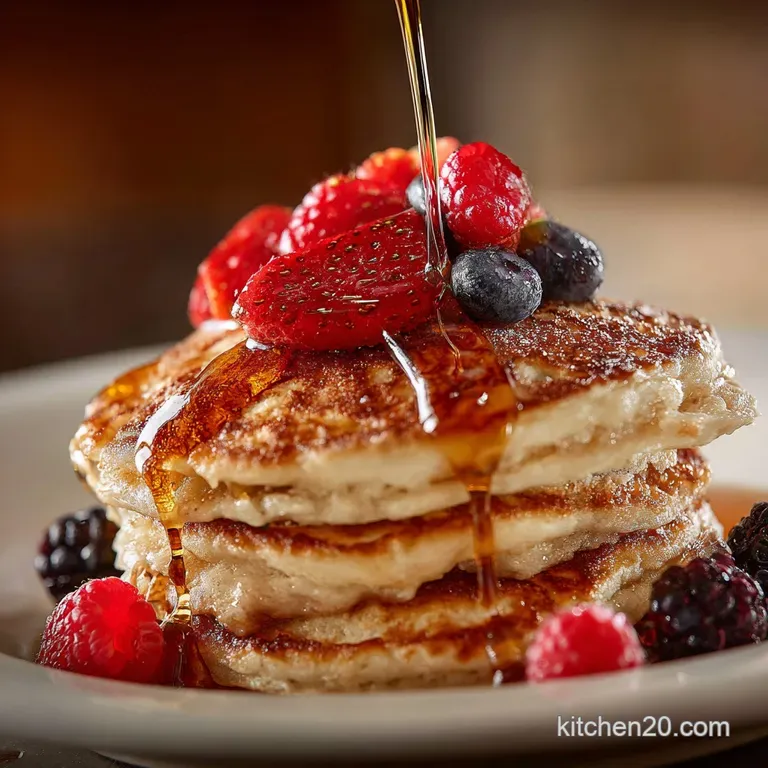
The Required Ingredient Checklist (Weights and Measures)
We stick to the basics here: standard all-purpose flour, baking powder, baking soda, salt, sugar, eggs, melted butter, and, obviously, the star of the show, buttermilk. For the fluffiest result, always weigh your flour it prevents accidental over measurement, which leads to heavy stacks.
Selecting the Right Flour: Cake vs. All-Purpose
All-purpose (plain) flour works beautifully for this recipe and is what I recommend for consistency. If you happen to have cake flour on hand, you can substitute about 75% of the AP flour with it, as its lower protein content yields an even softer crumb. But honestly, for everyday buttermilk pancakes, AP is truly fine.
Expert Guidance for Buttermilk Substitutions
Ran out of buttermilk? No sweat, this substitution hack is brilliant.
| Required Ingredient | Viable Substitute | Notes/Method |
|---|---|---|
| Buttermilk | Whole Milk + Acid (Lemon/Vinegar) | Measure 1 Tbsp of white vinegar or lemon juice into a liquid measuring cup, then fill to the 1 ¼ cup line with milk. Stir and let sit for 5 minutes until slightly curdled. |
| Baking Soda | Baking Powder (Increase Amount) | If you only have powder, omit soda and use 1 tsp extra baking powder. The tang will be slightly milder. |
| Unsalted Butter | Neutral Cooking Oil | Use the same amount (4 Tbsp) of melted canola or vegetable oil. The flavour won't be as rich, but they will still be moist. |
| Eggs | Flax Egg or Applesauce | For an egg-free version, use 2 Tbsp ground flaxseed mixed with 6 Tbsp water (let sit 5 mins) or ¼ cup applesauce. |
The Chef’s Blueprint: step-by-step Preparation Guide
Phase One: Preparing the Dry and Wet Mixes Separately
First, gently melt your butter and set it aside to cool slightly, because hot butter will instantly scramble your eggs. Whisk all the dry ingredients flour, sugar, salt, baking soda, and powder together thoroughly in one large bowl; you need that leavening distributed evenly.
In your second bowl, lightly beat the eggs, then whisk in the buttermilk and the slightly cooled melted butter.
Phase Two: The Gentle Fold and Resting the Batter
Now, pour the wet mixture straight into the dry bowl. Using a rubber spatula or wooden spoon, fold gently until just combined. You must resist the urge to vigorously mix it smooth. It will look lumpy, and that is exactly the texture you want for fluffy buttermilk pancakes.
Let this beautiful lumpy mess rest on the counter for 10 minutes.
Chef's Note: If you want to add fruit, like blueberries, do it immediately before you cook the pancakes, not before the rest. Adding fruit too early can turn the batter purple or green and weigh down the mixture.
Phase Three: Achieving the Golden Brown Griddle Sear
Heat your griddle or non-stick pan over medium heat. This is critical: too hot, and the outside burns; too cool, and they spread thin. Test the heat with a tiny drop of water; it should sizzle and evaporate within a second or two.
Lightly grease the pan with a swipe of butter or oil, and wipe away the excess with a paper towel for a perfect, even sear.
Knowing When to Flip: The Bubble Indicator
Ladle about ¼ cup of batter onto the griddle for each pancake. Cook for 2– 3 minutes. Don't look at the clock; look for the bubbles. When bubbles start forming across the surface and the edges of the pancake appear dry and dull, it’s ready. Flip only once!
They should be a beautiful golden brown color underneath, then cook for another 1– 2 minutes on the second side until springy to the touch.
Griddle Mastery: Troubleshooting and Pro Tips for Better Pancakes
Preventing Flat Stacks: Dealing with Cold Ingredients
If your buttermilk and eggs are cold from the fridge, the butter will seize up, and the batter will thicken inconsistently. Always bring your buttermilk and eggs to room temperature before starting.
This guarantees a smooth emulsification with the melted butter and promotes a more active rise from your leavening agents.
Temperature Control: What Heat Setting to Use
High heat is your enemy! It cooks the outside quickly, leaving a raw, doughy middle. Stick firmly to medium heat. If your first pancake comes out too dark before the centre is cooked, turn the heat down slightly for the next batch. Remember, the first pancake is always the tester.
Fixing Runny Batter
Did you accidentally add too much buttermilk, or maybe your flour wasn't measured accurately? If your batter is pooling too thin on the griddle, mix 1 Tbsp of flour with 1 Tbsp of your existing batter until smooth, then gently fold that mixture back into the main batch.
Try to avoid dusting flour directly into the bowl, as it can cause pockets of unmixed powder.
Practical Storage Solutions for Your Buttermilk Pancakes
Does anyone ever not make too many pancakes? I always double the batch, especially since they freeze perfectly!
How to Properly Freeze Cooked Pancakes for Later
Cool the cooked buttermilk pancakes completely on a wire rack. Once fully cooled, stack them with small squares of parchment or wax paper between each one. Place the entire stack in a freezer safe zip-top bag, squeeze out the air, and label it. They will keep beautifully for up to 2 months.
This makes weekday breakfast incredibly fast.
Shelf Life: Storing Leftover Stacks in the Refrigerator
Leftover pancakes, stored in an airtight container or bag, will keep fresh in the refrigerator for 3 to 4 days. Make sure they are completely cool before storing to prevent condensation, which can make them soggy.
The Best Way to Reheat Frozen Pancakes
Do not microwave them; they turn rubbery and tough! The best method is popping them straight from the freezer into a toaster oven or regular toaster on a medium setting until warm and slightly crisp on the edges.
Alternatively, place them on a baking sheet and reheat in a 180°C (350°F) oven for about 8 minutes.
Elevating the Experience: Gourmet Topping and Serving Ideas
Of course, a massive slab of cold butter and high-quality Grade A Dark Maple Syrup is the gold standard. But why stop there?
- Lemon and Sugar: A traditional European twist: a squeeze of fresh lemon juice and a light dusting of caster sugar.
- Fruit Compote: Serve alongside a warm mixed berry compote or my easy peach topping (similar to the one I use for my Strawberry Shortcake: The Chefs Flaky Buttermilk Recipe ).
- Savoury Bacon Jam: A rich, unexpected topping if you’re looking for a savory sweet breakfast hit.
- Whipped Cream: Always, always worth the extra effort.
These fluffy buttermilk pancakes are the definition of easy perfection. Go make your brunch legendary!
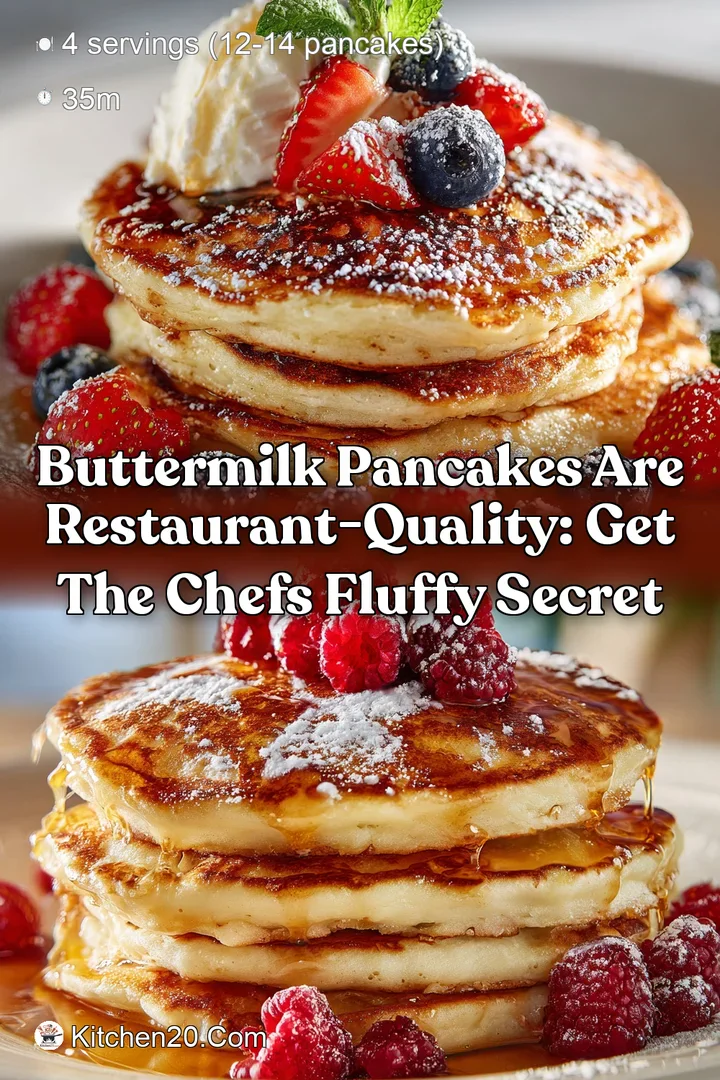
Recipe FAQs
I don't have buttermilk. What is the best substitution?
The best and easiest substitute is cultured milk. Combine one cup of whole milk with one tablespoon of white vinegar or lemon juice, and let this mixture sit for 5 to 10 minutes until it slightly curdles and thickens before using it in the recipe.
This creates the necessary acidity needed to activate the baking soda and produce a light, airy crumb essential for fluffiness.
Why are my buttermilk pancakes flat and dense instead of fluffy?
This is usually due to either overmixing or using old leavening agents. Ensure your baking powder and baking soda are fresh, as their shelf life is crucial for maximum rise. Also, verify that your griddle is preheated properly; if the heat is too low, the batter will spread before the leaveners can set the structure.
Is it okay if there are still lumps in the batter? Should I stir until completely smooth?
Do not stir the batter until smooth; a few small lumps are perfectly acceptable and even desired for a tender result. Overmixing develops the gluten in the flour, resulting in tough, chewy, and dense pancakes, counteracting the benefits of the buttermilk and leavening agents.
Mix only until the dry flour streaks disappear.
What is the best way to store leftover cooked pancakes, and can I freeze them?
Cooked pancakes freeze beautifully; first, let them cool completely, then stack them with small squares of parchment paper between each one to prevent sticking. Wrap the entire stack tightly in foil or place it in a freezer bag and freeze for up to two months.
They can be quickly reheated in a toaster, oven, or microwave for a quick breakfast.
My pancakes are burning quickly on the outside but still raw in the middle. What am I doing wrong?
Your griddle temperature is too high. The optimal cooking temperature is usually medium low heat, around 325°F to 350°F, allowing the interior enough time to cook fully. If the heat is too fierce, the exterior browns and sets before the heat penetrates the center to fully cook the batter and activate the steam, resulting in a raw, doughy middle.
Can I prepare the pancake batter the night before?
It is strongly discouraged to mix the full batter ahead of time because the baking soda and baking powder begin activating as soon as they encounter the buttermilk. Storing the mixed batter overnight will cause the leavening gases to dissipate, resulting in very flat pancakes the next morning.
However, you can mix all the dry ingredients ahead of time and store them separately, adding the wet ingredients just before cooking.
Fluffy Buttermilk Pancakes Recipe Easy
Ingredients:
Instructions:
Nutrition Facts:
| Calories | 385 kcal |
|---|---|
| Fat | 16 g |
| Fiber | 1 g |
