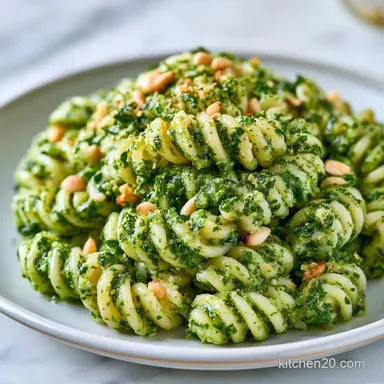
Fresh Basil Pesto Pasta in 15 Minutes
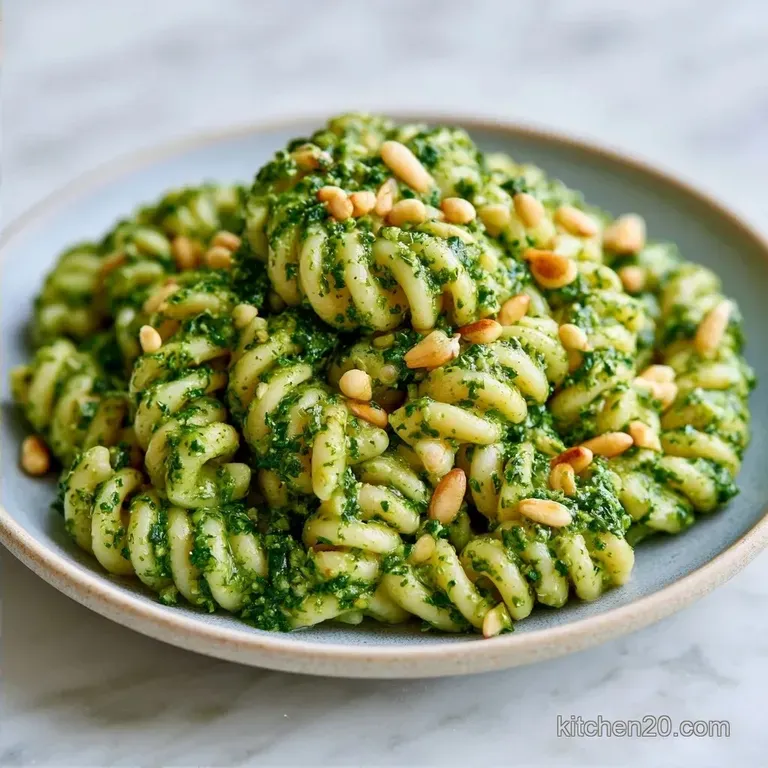
- Time: 5 min active + 10 min cook
- Flavor/Texture Hook: Nutty, herbaceous, and glossy
- Perfect for: Weeknight dinner, meal prep, beginner friendly
The smell of fresh basil hitting a food processor is one of my favorite things in the kitchen. It's that instant hit of summer, even if it's freezing outside. I used to just toss everything in and blend it until it was a smooth puree, but that actually kills the texture.
The goal is a coarse, rustic blend. You want to see tiny bits of pine nuts and flecks of garlic. This makes the Fresh Basil Pesto Pasta feel more like a meal and less like a dip.
We're focusing on the basil here. It's the soul of the dish. If you use those pre cut bags from the store, you lose that peppery punch, and the leaves often bruise, which leads to that dreaded brown color.
Making Fresh Basil Pesto Pasta
Fresh basil is the hero. I choose the largest, most fragrant leaves I can find because they hold the most essential oils. When you blend them, those oils emulsify with the olive oil to create a sauce that clings to the pasta rather than sliding off.
This dish isn't about complexity, it's about the quality of the connected ingredients. If the olive oil is bitter or the cheese is pre shredded with cellulose, you'll taste it. I always grate my own Parmesan to ensure it melts into a smooth, glossy coating.
The timing is the trick. You want the pasta to finish exactly when the pesto is ready. If the pasta sits too long, it absorbs the sauce and becomes dry. If the pesto sits too long in the processor, the blades heat up and can "cook" the basil, turning it a dull olive green.
The Texture Logic
The way this sauce interacts with the noodles is all about the starch.
- Pasta Water: Starch acts as a bridge between the oil in the pesto and the water based surface of the noodle.
- Toasted Nuts: Heating the pine nuts for 3 minutes releases oils that deepen the flavor and add a slight crunch.
- Coarse Pulse: Keeping the blend slightly chunky prevents the sauce from becoming a heavy paste.
| Method | Time | Texture | Best For |
|---|---|---|---|
| Stovetop Toss | 15 mins | Glossy and light | Fresh dinner |
| Oven Baked | 30 mins | Gooey and rich | Casserole style |
| Cold Salad | 20 mins | Crisp and bright | Picnic/Lunch |
Picking Your Ingredients
The ingredients in this recipe are a platform for flavor. Each one has a job to do.
| Ingredient | What It Does | Best Swap |
|---|---|---|
| Fresh Basil | Primary flavor/aroma | Baby spinach (milder) |
| Pine Nuts | Creaminess and nuttiness | Walnuts or Almonds |
| Parmesan | Saltiness and body | Pecorino Romano |
| Olive Oil | Emulsifier and mouthfeel | Avocado oil (neutral) |
The Tool Kit
You don't need a professional kitchen for this, but a few specific tools make it easier.
A food processor is the standard, but a high powered blender works if you're careful not to over process. If you're going old school, a mortar and pestle is the real way to do it, though it takes a lot more arm strength.
For the pasta, use a pot that is larger than you think you need. According to guidelines from Serious Eats, giving pasta plenty of room to move prevents it from clumping and ensures an even cook.
Cooking step by step
Phase 1: Toasting
Place pine nuts in a small skillet over medium heat. Stir constantly for 2-3 minutes until they smell nutty and turn golden brown. Remove them from the heat immediately so they don't burn.
Phase 2: Blending
Add the basil, toasted pine nuts, garlic, and lemon juice to the food processor. Pulse several times until the ingredients are coarsely chopped.
While the processor is running on low, slowly drizzle in the olive oil in a steady stream. This creates a stable emulsion that won't separate on the plate.
Add the grated Parmesan, salt, and pepper. Pulse 2-3 more times. Do not over process, or the sauce will lose its rustic texture.
Phase 3: Combining
Bring a large pot of salted water to a rolling boil. Add the dried pasta and cook according to package directions until al dente.
Before draining the pasta, scoop out 1/2 cup (120ml) of the starchy pasta water. Set it aside.
Drain the pasta and return it to the pot. Stir in the pesto sauce and the reserved pasta water. Toss everything together until the noodles are evenly coated in a velvety glaze.
Chef's Note: If the sauce looks too thick or "clumpy," add another tablespoon of pasta water. It should look like a glossy coat, not a thick paste.
Fixing Common Issues
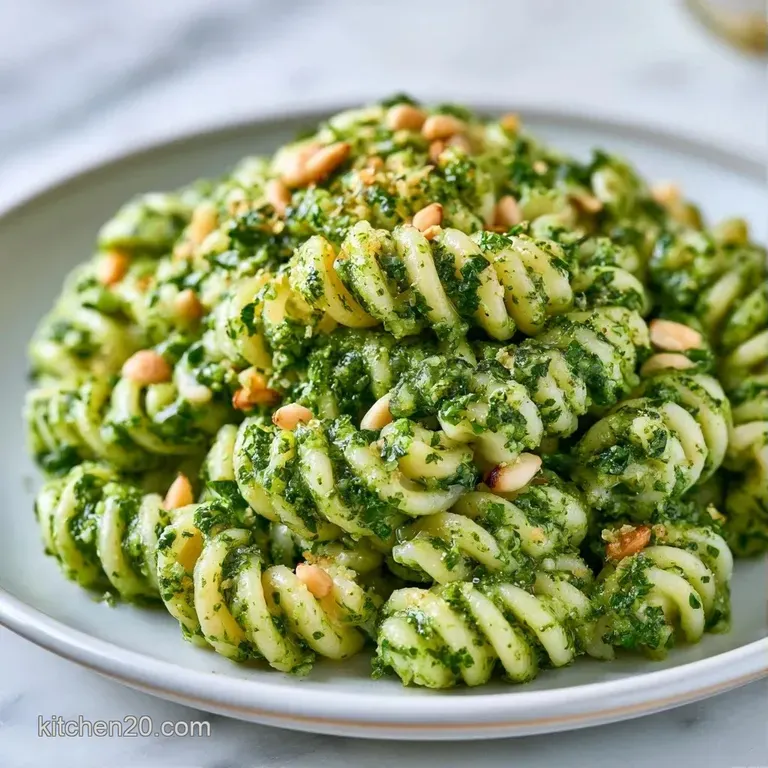
Getting a Fresh Basil Pesto Pasta right usually comes down to a few small variables.
Pesto Turning Brown
This happens when the basil oxidates. The heat from the blender blades or exposure to air triggers this. Use a pinch of lemon juice to stabilize the color and avoid over processing the leaves.
Excessive Oil Issues
If the oil separates from the solids, your emulsion broke. This usually happens if the oil was poured in too fast. You can fix this by whisking in a tablespoon of hot pasta water to pull the sauce back together.
Sharp Garlic Taste
Raw garlic can be overpowering if the cloves are too large or the blend is too coarse. Use a microplane for the garlic or soak the peeled cloves in lemon juice for 5 minutes before blending.
| Problem | Root Cause | Solution |
|---|---|---|
| Grainy Sauce | Undissolved cheese | Use finely grated Parmesan |
| Bland Taste | Not enough salt | Add a pinch more salt or lemon |
| Dry Pasta | Not enough pasta water | Stir in 1-2 tbsp reserved water |
Twists on the Classic
Once you have the base down, you can start playing with the profile. If you want something more indulgent, try my Creamy Pesto Sauce which adds a bit of richness to the mix.
For a high protein version, add grilled chicken breast or sautéed shrimp. Just toss them in at the very end so they don't overcook.
If you're making a Fresh Basil Pesto Pasta Salad, let the pasta cool for 10 minutes before adding the pesto. This prevents the basil from wilting too much and keeps the colors bright. For a nut free version, toasted sunflower seeds provide a similar earthiness without the allergens.
Decision Shortcut:
- If you want it richer, stir in a tablespoon of butter.
- If you want it lighter, swap the pine nuts for toasted walnuts.
- If you're meal prepping, store the pesto and pasta in separate containers.
Scaling the Recipe
Adjusting the portions is simple, but don't just double everything blindly.
Scaling Down (1/2 batch): Use a smaller skillet for the pine nuts to ensure they toast evenly. If you're using a large food processor, you might need to pulse more carefully so the small amount of ingredients doesn't just get stuck under the blades.
Scaling Up (2x-4x batch): Work in batches for the blending phase. If you overfill the processor, the basil at the top won't get chopped, and you'll end up with large leaves in your sauce. Increase the salt and pepper to only 1.5x the original amount, then taste and adjust.
Pesto Myths
Searing the garlic before adding it to the pesto "mellows" the flavor. While true, it changes the profile from a fresh pesto to a cooked sauce. Keep the garlic raw for that signature punch.
Adding cream is the only way to make the sauce stick. This is false. The starchy pasta water is the real tool here. It creates a bond between the oil and the noodle without adding heavy fats.
Storing and Reheating
You can store the Fresh Basil Pesto Pasta in the fridge for up to 3 days. Store it in an airtight container. If you're storing just the pesto, pour a thin layer of olive oil over the top to seal out the air and prevent browning.
For the freezer, put the pesto in ice cube trays. Once frozen, pop the cubes into a freezer bag. They last about 3 months. Thaw a cube in a pan over low heat before tossing with fresh pasta.
To reheat, add a splash of water or a drizzle of olive oil. Microwave on medium power or heat in a pan over low heat. Avoid high heat, as it can make the basil taste bitter and cause the oil to separate.
Zero Waste Tip: Don't throw away the basil stems. Toss them into a freezer bag with other veggie scraps to make a vegetable stock later.
Perfect Side Pairings
Since this dish is quite rich, you want sides that cut through the fat with acidity or freshness. A crisp arugula salad with a lemon vinaigrette is a natural fit.
If you're hosting a small gathering, serve this alongside some Tomato Bruschetta for a full Italian style spread. The acidity of the tomatoes balances the nuttiness of the pine nuts.
For something more filling, roasted asparagus or sautéed zucchini work well. Keep the vegetables simple with just salt, pepper, and a bit of lemon to let the Fresh Basil Pesto Pasta stay the center of attention.
Recipe FAQs
What to mix with basil pesto for pasta?
Mix with reserved pasta water. This creates a glossy glaze that helps the sauce adhere; for a different texture, try using pillowy gnocchi as your base.
Can I eat pesto with Ckd?
Consult your doctor first. Pesto contains potassium from basil and phosphorus from parmesan, which may be restricted depending on your stage of Chronic Kidney Disease.
Is pesto ok for a diabetic?
Yes, in moderation. The healthy fats from olive oil and pine nuts help stabilize blood sugar, though the overall impact depends on the type of pasta you choose.
Can you have pesto with GERD?
Generally no. The garlic, lemon juice, and olive oil are common triggers that can worsen acid reflux symptoms.
Creamy pesto pasta recipe?
Stir in reserved pasta water. This emulsifies with the olive oil and parmesan to create a glossy, thick glaze without needing additional fats.
Fresh basil pesto pasta healthy?
Yes, it is nutrient dense. It provides heart healthy monounsaturated fats and essential antioxidants from the fresh basil leaves.
Why does my pesto turn brown in the fridge?
Air exposure causes oxidation. To keep the color vibrant, pour a thin layer of olive oil over the top of the pesto to seal out the air.
Fresh Basil Pesto Pasta