Margarita Mix: the Ultimate Sour Foundation
- Moving Beyond Bottled: Crafting the Ultimate Fresh Sour Foundation
- The Flavor Science of a Perfectly Balanced Sour Mix
- Essential Ingredients for Your Ultimate Margarita Base
- Preparing Your Homemade Margarita Mix: Step-by-Step Method
- Troubleshooting Your Margarita Mix & Pro Chef Tips
- Utilizing the Ultimate Sour Mix: Cocktail Ratios and Pairings
- Extending the Shelf Life of Your Fresh Citrus Concentrate
- Recipe FAQs
- 📝 Recipe Card
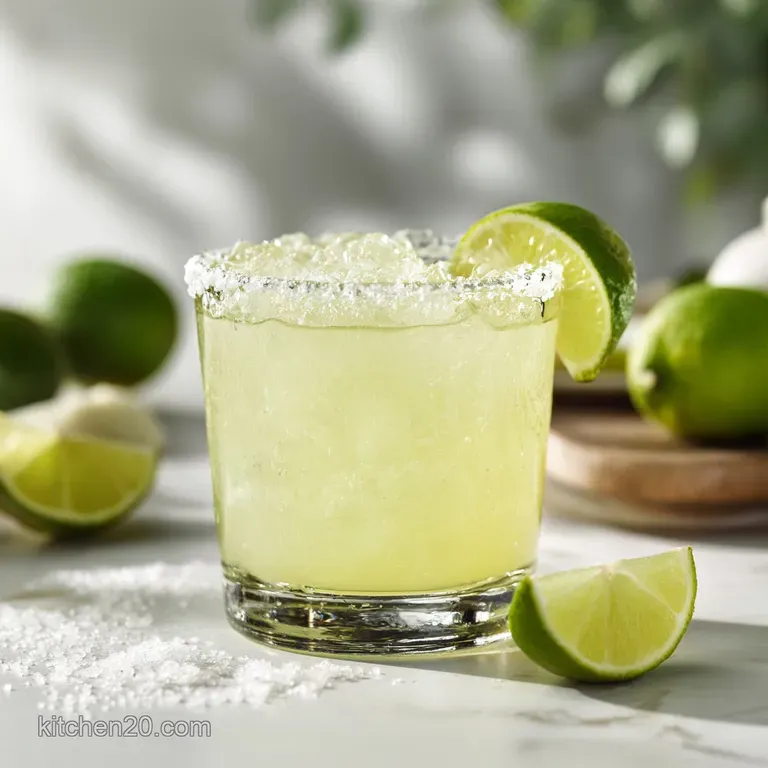
Moving Beyond Bottled: Crafting the Ultimate Fresh Sour Foundation
If the air smells like bright sunshine and cut citrus, you know you are doing something right. That sharp, vibrant scent is the absolute key to a truly phenomenal Margarita, and it’s precisely what is missing from those sickly sweet, neon green bottles at the supermarket.
Today, we are ditching the fake stuff and focusing entirely on making the absolute best Margarita Mix foundation you will ever taste. It starts clean, it stays pure, and it makes every sip of your cocktail taste like a vacation.
Why bother making Margarita Mix from scratch? It’s simple: quality, cost, and control. store-bought mixers are loaded with high fructose corn syrup and artificial stabilizers that dull the flavor of the tequila and let’s be honest, they give you a brutal headache.
Making your own takes about ten minutes, costs a fraction of the price, and delivers a fresh, balanced sour base that is ready to go whenever the mood strikes. It’s the ultimate cocktail prep lifesaver.
Trust me, once you experience the crystalline difference that fresh lime and quality agave bring to the table, you will never look back. We are talking about true gastropub level flavor, achievable right in your own kitchen.
Let's crack on and elevate your cocktail game with this easy, no-cook Margarita Mix recipe.
The Flavor Science of a Perfectly Balanced Sour Mix
The secret to why this particular Margarita Mix works so perfectly lies in precision not complexity. We are following the 2:1:1 rule that top bartenders use globally: two parts fresh sour, one part pure sweetener, and one part dilution (water).
This ratio ensures that even when you add the tequila, the final drink holds its structure and never tastes flat, watery, or overly cloying. It’s smart cooking disguised as simple mixing.
Defining the Gastropub Quality Mix Standard
A standard mixer should support the star (the tequila) without overpowering it. Our goal is a crisp, clean profile, a powerful punch of sourness immediately followed by a gentle, lingering sweetness.
This type of high-quality Margarita Mix is not meant to be sipped alone; it should make your face pucker slightly, knowing it's ready to meet its tequila match. This purity is what separates the novices from the pros.
The Critical Difference Fresh Citrus Makes
This is non-negotiable, my friend. Do not use bottled lime juice. I repeat: the shelf stable stuff is pasteurized, often contains preservatives, and the flavor oxidizes rapidly, leaving it tasting metallic and bitter.
Freshly squeezed lime juice provides natural oils from the rind and a vibrant, sharp acidity that is utterly essential. Your Margarita Mix is only as good as the limes you squeeze.
Why Homemade Always Beats store-bought Syrup
When you buy a commercial Margarita Mixer , you are usually buying cheap corn syrup dyed green and spiked with citric acid powder. It’s designed for longevity on a shelf, not for exceptional flavor in a glass.
By using light agave nectar and filtered water, we achieve a far superior sweetness profile that is smoother, richer, and complements the vegetal notes of tequila beautifully. Seriously, once you try this homemade version, you’ll throw out that old bottle.
Achieving the Ideal Sweet-to-Acid Ratio (The 2:1:1 Philosophy)
The magic 2:1:1 ratio is our anchor. This means for every 2 cups of sour (lime juice), we use 1 cup of filtered water and 1 cup of sweetener volume (or slightly less, depending on the sweetener intensity).
We are using 1.5 cups of lime juice, 1 cup of water, and 3/4 cup of agave, which gives us the perfect balance after factoring in the intense sweetness of agave. This meticulous balancing act is why this Margarita Mix recipe is so consistently reliable.
Maximizing Juice Yield and Zest Integration
Want a pro tip for getting every last drop out of your limes? Roll them firmly on the counter for 30 seconds before cutting, or zap them in the microwave for 10 seconds. This ruptures the internal membranes and increases the yield dramatically.
A dash of fresh orange zest, which we include here, is optional but highly recommended; it adds an aromatic complexity that elevates the final flavor of the Homemade Margarita Mix without making it taste distinctly like orange.
Understanding the Role of Agave Nectar vs. Simple Syrup
Agave nectar is the traditional choice for Margaritas because, well, it comes from the same plant as tequila. It’s about 1.5 times sweeter than granulated sugar, so we need less of it to achieve the desired sweetness.
Crucially, unlike sugar, agave dissolves completely and easily in cold liquid, meaning we don't have to boil and cool a simple syrup first. This makes the preparation of this Margarita Mix recipe ultra fast.
Chef’s Note: While simple syrup (1 part sugar, 1 part water, heated) is a great substitute, it will slightly change the density of the final mix. Stick to agave if you want the purest, most authentic flavor foundation for your cocktail.
Essential Ingredients for Your Ultimate Margarita Base
When you only have three main ingredients, quality is everything. Don't skimp on the limes or the agave, otherwise, your effort is wasted. This is the simple list for the Best Margarita Mix you can create.
Selecting the Best Limes: Key Considerations for Acidity and Volume
Look for limes that feel heavy for their size; heaviness indicates high juice content. Avoid limes that are rock hard or those starting to look wrinkled. They should be vibrant green and slightly soft to the touch. If you find Key Limes, use them!
They produce a much more floral, unique Margarita Mix flavor, though they are much smaller and harder to juice.
Agave Nectar Grading and Sweetness Intensity
Use light or gold agave nectar. Dark agave has been cooked longer, leading to a much deeper, almost molasses like flavor that will fight the bright lime. We want the agave to provide sweetness and texture, not dominant flavor. This helps keep the overall Margarita Mix very refreshing.
When and How to Introduce Filtered Water
Filtered water is introduced right alongside the agave nectar. Its primary job is twofold: first, to dilute the viscosity of the pure agave so it mixes easily with the juice, and second, to temper the extreme acidity of the pure lime juice.
Using filtered or bottled water ensures there are no off-tastes from tap water chlorine disrupting the delicate citrus profile of your Fresh Margarita Mix .
Expert Substitutions for Dietary Restrictions (e.g., sugar-free Options)
Life happens, and sometimes you need flexibility. Here are my tried and true swaps:
| If You Need to Swap... | Use This Instead | Notes on Flavor/Volume |
|---|---|---|
| Agave Nectar | Simple Syrup (1:1 ratio) | Use 1 cup of syrup instead of 3/4 cup agave, maintaining the 1 cup of filtered water. |
| Low-Calorie Sweetener | Liquid Stevia or Monk Fruit | Adjust slowly to taste, as the intensity varies wildly. Keep the 1 cup of filtered water for volume. |
| Limes | Fresh Lemon Juice (not ideal) | Lemon is softer and less sharp than lime. You may need to add a pinch of citric acid to maintain the balance of the Margarita Mixer . |
Preparing Your Homemade Margarita Mix: step-by-step Method
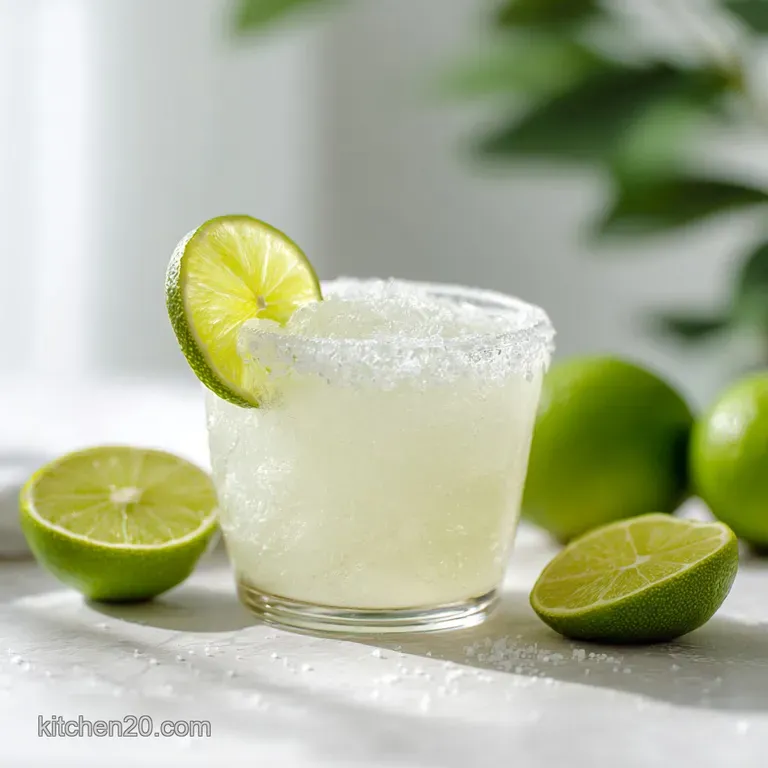
This is the easy part. No heat, no complicated steps, just clean execution. You are about 10 minutes away from having perfect cocktail freedom.
The Crucial Technique for Juicing Fresh Citrus
After warming and rolling your limes, cut them horizontally this yields more juice than cutting them vertically. Squeeze the juice, aiming for 1 1/2 cups. Immediately run the juice through a fine mesh sieve into a measuring jug.
We want a perfectly clean juice; even small bits of pulp can cause the mix to turn bitter faster in storage. Don’t rush this step!
Combining and Integrating the Sweetener
In a separate container, combine your 1 cup of filtered water and 3/4 cup of light agave nectar. Use a wire whisk and incorporate them fully. Agave is thicker than water, so you must whisk vigorously for about 30 seconds until the mixture is uniform and clear. You should see no streaks of thicker liquid at the bottom.
Heating vs. No-Heat Preparation Methods
For this particular Margarita Mix , we are absolutely committed to a no-heat method. Heating fresh lime juice diminishes its vibrant flavor immediately, essentially "cooking" the acidity out of it.
Since agave dissolves easily in cool water, there is zero reason to apply heat, keeping the flavor profile maximally fresh and raw.
Fine Tuning the Flavor Profile Before Bottling
Once your agave syrup base is ready, pour it into the strained lime juice. Add the pinch of sea salt and the orange zest. Whisk everything thoroughly. Now, taste it. If you prefer a slightly softer flavor, add 1 tablespoon more of agave. If you like it razor sharp, leave it as is.
Pour the final product into an airtight bottle and get it into the fridge. The mandatory 30 minute chill time allows the acidity to slightly mellow and the salt to fully integrate.
Troubleshooting Your Margarita Mix & Pro Chef Tips
Even simple recipes can sometimes trip us up. Here are the two most common mistakes I see people make when preparing their own Margarita Mix .
Common Mistake: Using Cold Limes
If your limes were straight from the fridge, you likely struggled to get the required 1 1/2 cups of juice. Cold fruit is rigid; warm fruit is pliable. The fix: Always warm your citrus, either by running it under hot water or using the microwave trick.
This small step dramatically improves the efficiency of your juicing and the overall yield of your Margarita Mix .
Common Mistake: Skipping the Salt or Zest
The tiny pinch of salt isn't there to make your mix salty; it’s an essential flavor brightener that cuts through the intense acidity. When the mix feels flat or lacks depth, the culprit is often the missing salt.
The zest adds volatile aromatic compounds that trick your brain into thinking the drink is even fresher than it is. Don't skip these minor additions to your Homemade Margarita Mix .
Equipment Spotlight: Why a Quality Juicer Matters
Look, your hands will thank you. If you are regularly making cocktails, investing in a robust stainless steel hand press or a counter top citrus juicer is essential for making large batches of Margarita Mix . Trying to squeeze 12 15 limes by hand is a recipe for a cramp.
A quality juicer ensures maximum extraction and minimal effort, saving you time and frustration.
Utilizing the Ultimate Sour Mix: Cocktail Ratios and Pairings
You’ve got the concentrate, now what? The beauty of this powerful Margarita Mix is that it allows for flexibility in the final cocktail.
Common Mistake: Over Diluting the Concentrate
The biggest rookie mistake is adding too much ice or shaking the cocktail too long, causing excessive dilution. Remember, this is a concentrate —it is strong. For a standard Margarita, use a ratio of 3 parts mix to 2 parts tequila (90 ml mix to 60 ml tequila).
Shake vigorously with ice for exactly 15 seconds, and then strain it into a fresh, chilled glass. Do not let the drink sit in the melting ice!
How to Correct a Mix That's Too Tart or Too Sweet
If you taste your final cocktail and realize your Margarita Mix is too tart, you can easily correct the balance by adding a small splash (about 1/4 ounce) of pre-made simple syrup directly to the glass. If the mix is too sweet, add 1/4 ounce of plain fresh lime juice to the glass.
Always adjust the final drink, not the batch concentrate, unless you need to fix a serious error.
Serving Suggestions & Variations
This classic, clean Margarita Mix serves as a brilliant base for nearly anything. For a fruity variation in summer, you can’t beat our recipe for the Watermelon Margarita: The Ultimate Fresh Summertime Sip . For a fall gathering, blend this mix with cranberry and spice for our wonderful Thanksgiving Margarita: Easy 10 Minute Autumn Cocktail Recipe . The possibilities are truly endless when your foundation is this solid.
Extending the Shelf Life of Your Fresh Citrus Concentrate
Because we are dealing with pure, unpasteurized juice, we need to treat this like fresh produce. Proper storage is crucial for maximizing the shelf life of your superior Margarita Mix .
Short Term Refrigeration Guidelines
Always store your Margarita Mix in an airtight, sterilized glass container. Glass is preferred over plastic as it doesn't absorb or impart flavors over time. Kept consistently chilled in the refrigerator, this mix is absolutely perfect for seven days.
You can push it to ten days, but you will notice the bright lime flavor starting to dull around day eight.
Freezing Fresh Margarita Mix for Long Term Storage
But does it freeze well? You bet it does! This is one of the best ways to ensure you never run out of quality mixer. Pour the finished Homemade Margarita Mix into silicone ice cube trays. Once frozen solid, transfer the cubes into a freezer bag, squeezing out all the air before sealing.
Frozen Margarita Mix cubes will keep perfectly for up to three months. To use, just pop a few cubes into your blender with tequila, or let them thaw slowly in the fridge.
Recognizing When Your Mix Has Passed Its Prime
The smell test is your friend. Fresh lime has a sharp, almost aggressive aroma. If your Margarita Mix smells muted, vaguely metallic, or has any hint of fermentation, it is time to toss it out.
When the color dulls from its initial vibrant pale yellow green to a murky color, the flavor has degraded significantly, and it will ruin your tequila. Always err on the side of freshness it’s the cornerstone of the best Margarita Mix .
Recipe FAQs
How long will this fresh Margarita Mix last in the refrigerator?
Because this recipe relies solely on fresh lime juice and contains no preservatives, its shelf life is limited. Store the mix in an airtight glass container for optimal freshness, and aim to use it within 7 to 10 days.
Beyond this period, the vibrant acidity of the lime juice begins to dull significantly, affecting the quality of your finished cocktail.
Why does my mix taste too sour or slightly bitter?
If the mix tastes overly sour, you likely need to slightly increase the agave nectar to better balance the fresh lime acid. Bitterness usually occurs if you are pressing the citrus too hard when juicing, accidentally extracting the oils from the white pith of the lime rind.
Ensure you are using a reamer or press that extracts only the juice and avoids crushing the pith.
Can I use simple syrup or other sweeteners instead of agave nectar?
Absolutely; while agave provides a smoother, slightly earthy sweetness traditional to premium margaritas, you can certainly substitute simple syrup (1:1 ratio) or even honey syrup.
If substituting, remember that simple syrup is thinner, which may affect the viscosity of the final mix, and honey imparts a stronger floral note.
Can I freeze the Margarita Mix for longer storage?
Freezing is a reliable option for extending storage up to three months, but some natural separation may occur upon thawing due to the dissolved sugars. To minimize this, ensure you thaw it completely in the refrigerator, and then use a high speed blender or cocktail shaker to vigorously re-emulsify the mix before using.
Always leave adequate headspace in the container, as liquids expand when frozen.
How should I properly scale this recipe for a large party batch?
When scaling, rigorously maintain the exact ratio of the lime juice to the agave mixture to ensure flavor consistency across the large batch. It is best practice to prepare the large quantity 24 hours in advance and keep it chilled.
This allows the concentrated fresh ingredients time to ‘marry’ and mellow slightly, resulting in a smoother overall foundation.
Can I introduce fruit flavors, like strawberry or mango, into this mix?
Yes, this sour foundation is perfect for variations; to introduce fruit, simply incorporate a fruit puree into the mix before shaking. For the best flavor, aim for a ratio where the puree replaces about 25-30% of the volume of the lime juice.
Remember that sweet fruits like mango or pineapple may require a slight reduction in the agave nectar to maintain the necessary balance.
I don't have fresh limes. Can bottled lime juice be substituted?
As a culinary expert focused on quality, I strongly advise against using bottled lime juice, as it lacks the essential volatile oils and bright, aromatic acidity of fresh citrus. Bottled juices often contain preservatives and sulfites that result in a flat, harsh, or metallic flavor profile.
The superb quality of your margarita is entirely dependent on using fresh, newly squeezed lime juice.
Fresh Lime Agave Margarita Mix
Ingredients:
Instructions:
Nutrition Facts:
| Calories | 152 kcal |
|---|---|
| Protein | 0.4 g |
| Fat | 0.1 g |
| Carbs | 42.2 g |
