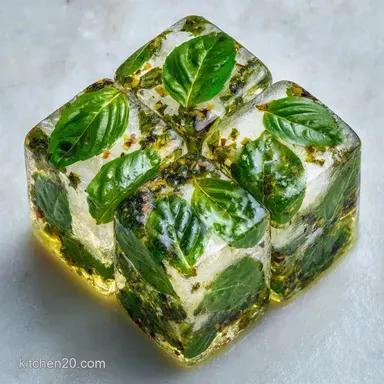
Frozen Basil Cubes: Fresh and Aromatic
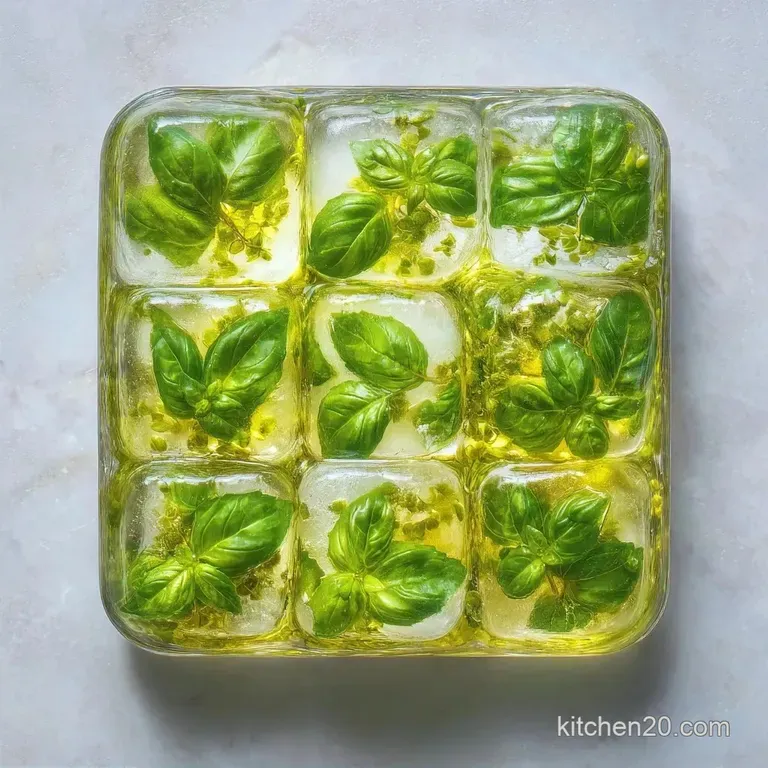
- Time: 5 min active + 2 hrs freezing
- Flavor/Texture Hook: Fresh, aromatic, and oil rich
- Perfect for: Garden gluts and winter meal prep
- Easy Frozen Basil Cubes for Year Round Freshness
- The Essential Basil Components
- Ingredients and Substitutes
- Needed Kitchen Gear
- Simple Steps to Freeze
- Pro Tips and Pitfalls
- Personalizing Your Basil
- Scaling the Batch
- Basil Preservation Myths
- Storage and Waste Tips
- Best Ways to Use
- Recipe FAQs
- 📝 Recipe Card
That sharp, peppery scent of fresh basil hitting a hot pan is the best part of August. I used to let half my garden go to waste because I couldn't use it fast enough, and freezing leaves plain usually results in a soggy, black mess.
I started treating basil like a concentrate instead of a vegetable. By suspending the leaves in oil, you stop the air from ruining the color and taste.
You can use these Frozen Basil Cubes whenever you need a quick flavor hit. It's a streamlined way to handle a harvest without spending hours blanching and drying.
Easy Frozen Basil Cubes for Year Round Freshness
The goal here is efficiency. You aren't making a finished sauce, but a building block. By freezing the herbs in small portions, you only use exactly what you need for a single pan of pasta or a soup.
It's a budget friendly system. You buy basil in bulk or grow it yourself, then save it from the trash. Since you're using a simple oil and salt method, you don't need expensive preservatives or fancy vacuum sealers.
Why This Method Works
Oil Barrier: Olive oil coats each leaf, which blocks oxygen from causing oxidation.
Salt Stability: A pinch of salt helps maintain the bright green hue and enhances the natural oils.
| Feature | Fresh Basil | Frozen Cubes |
|---|---|---|
| Shelf Life | 3-7 Days | 6 Months |
| Prep Time | Wash and chop | Pop and drop |
| Flavor | Bright, grassy | Concentrated, rich |
The Essential Basil Components
The ingredients are simple, but the quality of the oil matters. Since the oil is the primary preservative, a decent extra virgin olive oil ensures the cubes don't taste metallic or bland.
What Each Ingredient Does
| Ingredient | What It Does | Best Swap |
|---|---|---|
| Fresh Basil | Provides the main aroma | Thai Basil (for spicy notes) |
| EVOO | Prevents browning/oxidation | Avocado Oil (neutral taste) |
| Sea Salt | Locks in color and flavor | Kosher Salt |
Ingredients and Substitutes
- 2 cups (50g) fresh basil leaves, packed Why this? Provides a concentrated herbal base.
- 1/2 tsp (3g) sea salt Why this? Natural preservative for color.
- 1/2 cup (120ml) extra virgin olive oil Why this? High fat content blocks air.
Substitution Tips: If you're tight on budget, use a light olive oil or a neutral vegetable oil. It works just as well for preservation, though you lose that peppery olive finish.
For those avoiding olive oil, avocado oil is a great choice because it has a high smoke point for when you eventually sauté the cubes.
Needed Kitchen Gear
You don't need a professional kitchen to do this. A simple silicone ice cube tray is the most important tool because the cubes pop out without a fight.
If you don't have a food processor, a sharp chef's knife works. Just don't over chop the leaves into a paste; you want small pieces, not a puree. A salad spinner is also a lifesaver here. According to guidelines on Serious Eats, any residual water on the leaves will create ice crystals, which lead to freezer burn and browning.
Simple Steps to Freeze
- Wash the basil leaves under cool water. Use a salad spinner until the leaves are completely dry to prevent ice shards.
- Tear the leaves from the woody stems. Roughly chop them using a knife or pulse a food processor 3-4 times Note: avoid over processing into a paste.
- Spoon the chopped basil evenly into a silicone ice cube tray.
- Sprinkle a tiny pinch of salt over each cube.
- Drizzle olive oil over the top until the leaves are completely submerged.
- Place the tray in the freezer for 2 hours until solid.
- Pop the frozen cubes out of the tray.
- Transfer them into a freezer safe zip top bag, squeezing out as much air as possible.
Pro Tips and Pitfalls
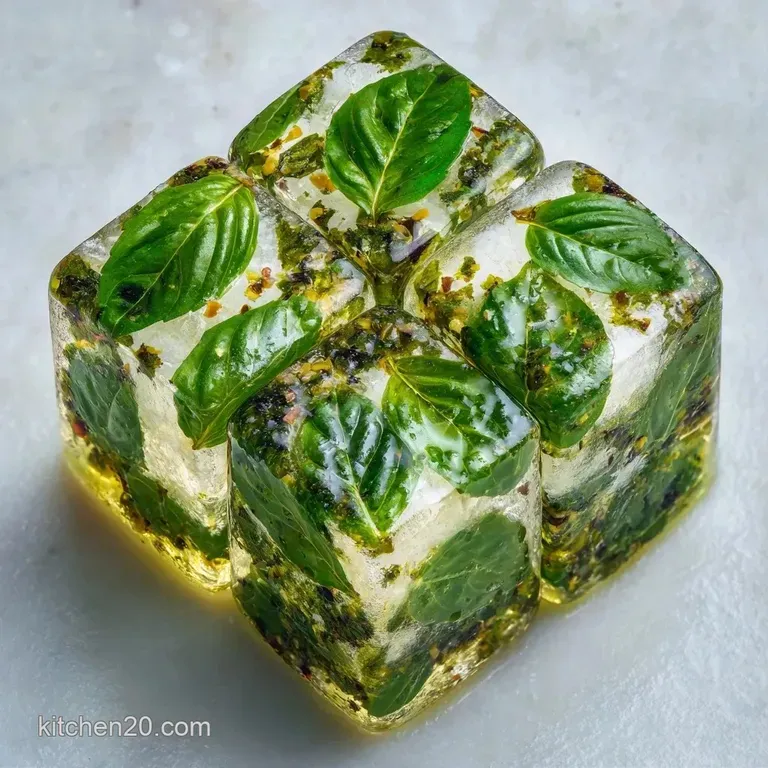
Don't be tempted to fill the cubes to the very brim with basil. Leave a little room for the oil to swirl around. If the leaves are poking out of the oil, those tips will turn brown.
Another trick is to freeze your oil for 10 minutes before pouring if you want a thicker consistency, though it's not strictly necessary. Trust me on the bagging part: if you leave them in the tray, they'll pick up "freezer smells" from other foods.
Why Your Basil Cubes Turned Brown
Browning usually happens because of air exposure or moisture. If you didn't dry the leaves fully, water pockets form and break the oil seal.
| Problem | Root Cause | Solution |
|---|---|---|
| Brown spots | Air pockets in oil | Ensure leaves are fully submerged |
| Ice crystals | Wet leaves | Use a salad spinner or paper towels |
| Sticking | Plastic tray | Switch to a silicone tray |
Personalizing Your Basil
You can easily turn these into flavor bombs. Try adding a tiny sliver of raw garlic to each cube before adding the oil. It makes a huge difference when you drop them into a pan for a quick dinner.
If you're into different profiles, try using Thai basil. It adds a liquorice like note that's great for stir fries. For something more complex, you can mix these cubes into a homemade garden basil pesto by adding pine nuts and parmesan during the blending phase.
Decision Shortcut:
- If you want a classic Italian taste → use Genovese basil and EVOO.
- If you want a spicy, Asian flare → use Thai basil and avocado oil.
- If you want a garlic base → add one minced clove per 4 cubes.
Scaling the Batch
Scaling Down (1/2 batch): Use 1 cup of basil and 1/4 cup of oil. You'll likely only fill 6 cubes. The freezing time remains the same at 2 hours.
Scaling Up (4x batch): If you have a massive harvest, work in batches. Don't overfill your food processor or the basil will bruise and turn dark. Increase the salt to 1.5x instead of 4x to avoid over seasoning your future meals.
| Batch Size | Basil Amount | Oil Amount | Yield |
|---|---|---|---|
| Small | 1 cup | 1/4 cup | 6 cubes |
| Standard | 2 cups | 1/2 cup | 12 cubes |
| Large | 8 cups | 2 cups | 48 cubes |
Right then, just a quick note on scaling: if you're freezing 40+ cubes, use multiple zip top bags. This prevents the cubes from clumping into one giant frozen block.
Basil Preservation Myths
Myth: You must blanch basil to freeze it. Not for this method. Blanching is for when you want to freeze leaves whole. For cubes, the oil does the heavy lifting by blocking oxygen.
Myth: Freezing kills all the flavor. It doesn't, it just changes the profile. You lose the "fresh cut" grass scent but gain a concentrated, rich herbal taste that's better for cooked sauces.
Storage and Waste Tips
Store your Frozen Basil Cubes in a heavy duty freezer bag. They'll stay fresh for about 6 months. After that, they're still safe to eat, but the flavor starts to fade.
To avoid waste, don't toss the woody stems. Throw them into a freezer bag and use them to flavor a vegetable stock. You can also use any leftover oil from the tray to dress a salad it will have a light basil aroma.
Best Ways to Use
The easiest way to use these is to drop one directly into a sauté pan with a bit of butter. It melts in about 30 seconds and creates an instant base for sauces.
They're a great addition to a homemade tomato paste to add a fresh herbal lift to a rich red sauce. You can also toss a cube into a hot bowl of minestrone or use them to flavor a quick garlic butter shrimp.
Just remember to adjust your salt. Since these cubes already have a pinch of sea salt, taste your dish before adding more.
Recipe FAQs
How to make frozen basil cubes?
Wash and dry the basil leaves thoroughly to avoid ice crystals. Chop them roughly, spoon into a silicone tray, add a pinch of salt, and cover with olive oil before freezing for 2 hours.
Does basil lose flavor when frozen?
No, this is a common misconception. Submerging the leaves in olive oil protects the basil from oxidation and preserves the essential oils that provide its aroma.
What do I do with all my fresh basil?
Freeze it in oil cubes. This method prevents the leaves from turning black and allows you to store them in a freezer safe bag for up to 6 months.
What can be used as an alternative for fresh basil?
Dried basil or fresh spinach can work depending on the recipe. For a high impact Italian flavor, these cubes are a perfect addition to a classic lasagna.
Is basil good for diabetics?
Yes, it is generally safe. Basil is very low in calories and carbohydrates, making it a healthy way to add flavor without impacting blood sugar.
Does basil help with acne?
No, there is little clinical evidence to suggest basil is an effective acne treatment. It is best utilized as a culinary herb rather than a skincare product.
How can I use frozen basil cubes in my cooking?
Drop a cube directly into a hot pan. They melt quickly and are ideal for starting sauces, sautéing vegetables, or stirring into simmering soups.
Frozen Basil Cubes