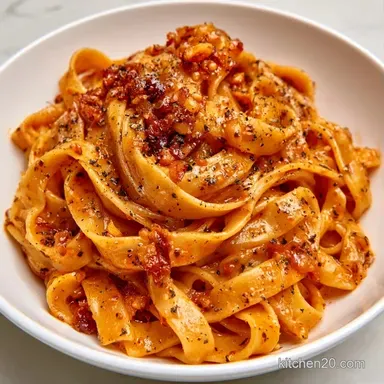
Garlic Butter Egg Noodles in 20 Minutes
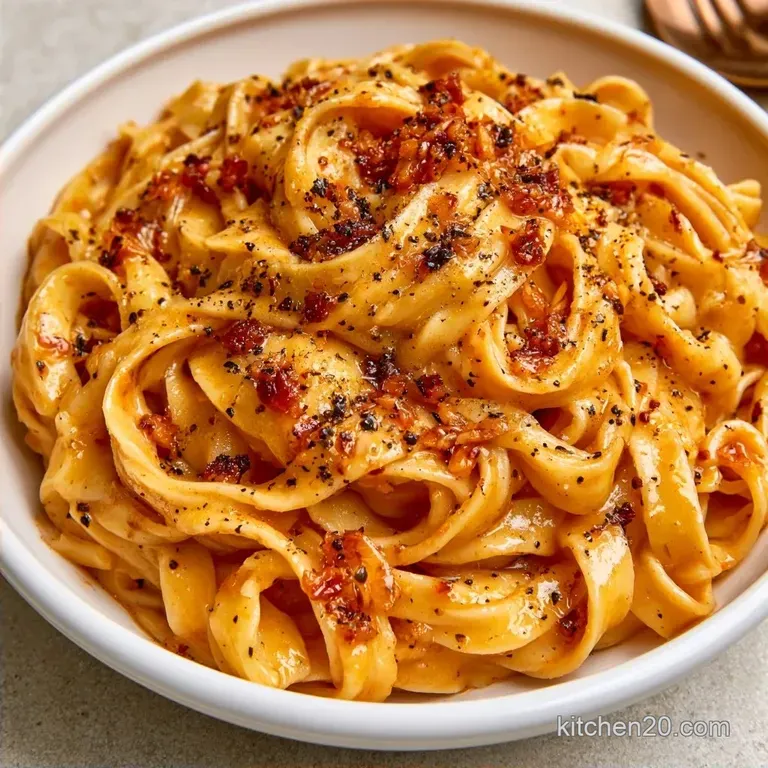
- Time: 5 mins prep and 15 mins cooking
- Flavor/Texture Hook: A rich, savory garlic sauce with a polished sheen
- Perfect for: A quick weekday side dish or an elegant holiday accompaniment
- Simple Garlic Butter Egg Noodles
- How the Glaze Sticks
- The Gear You'll Need
- What Goes In The Pot
- Ingredient Deep Dive
- Step-by-Step Instructions
- Avoiding Kitchen Disasters
- Adjusting the Serving Size
- Common Cooking Misconceptions
- Keeping It Fresh
- Variations & Substitutions
- What to Serve This With
- Recipe FAQs
- 📝 Recipe Card
Simple Garlic Butter Egg Noodles
That specific sizzle happens right when the minced garlic hits the bubbling butter. The smell hits you instantly, filling the kitchen with a warm, savory aroma that makes everyone run toward the stove. It's the kind of scent that promises comfort before you even take a bite.
I used to just toss a knob of butter into drained noodles. It worked, but the result was always a bit sad, with a puddle of yellow oil at the bottom of the bowl and dry patches of pasta. This version is different because it uses a simple emulsion technique to make sure every single noodle is coated.
You're getting a side dish that feels high end but uses basic pantry staples. These Garlic Butter Egg Noodles stay glossy and flavorful, making them a reliable platform for any main protein you're serving.
How the Glaze Sticks
Starch Bridge: The reserved pasta water contains starch that binds the fat in the butter to the noodles. This prevents the sauce from separating.
Low Heat Infusion: Gently heating the garlic in butter pulls out the aromatic oils without burning the bits. This creates a mellow, connected flavor profile throughout the dish.
| Style | Prep Time | Texture | Best For |
|---|---|---|---|
| Fast Toss | 2 mins | Oily/Simple | Quick lunch |
| Classic Glaze | 20 mins | Glossy/Cohesive | Dinner parties |
The Gear You'll Need
No professional equipment is required; just the essentials. A big pot is necessary for the noodles to ensure they move freely and don't clump together.
I suggest using a wide skillet for the sauce. The extra surface area makes it much easier to toss the pasta and get a glossy coating on every strand. Tongs are the best choice here, although a spatula works as a substitute.
What Goes In The Pot
Ingredient Deep Dive
| Ingredient | What It Does | Best Swap |
|---|---|---|
| Egg Noodles | Provides a rich, chewy base | Fettuccine (adds a firmer bite) |
| Unsalted Butter | Creates the creamy, fat base | Salted butter (reduce added salt) |
| Fresh Garlic | Adds the pungent, savory punch | Garlic powder (less depth) |
| Pasta Water | Emulsifies the butter and pasta | A splash of heavy cream |
The Full Shopping List
- 12 oz (340g) wide egg noodles Why this? Wide noodles hold onto the butter glaze better
- 4 qts (3.8L) water
- 1 tbsp (15g) kosher salt Why this? Seasons the pasta from the inside out
- 6 tbsp (85g) unsalted butter Why this? Allows you to control the salt levels
- 4 cloves (12g) garlic, minced
- ½ tsp (3g) kosher salt
- ¼ tsp (1g) cracked black pepper
- 2 tbsp (30ml) reserved pasta water Why this? The essential binder for the sauce
- 2 tbsp (8g) fresh parsley, chopped
Step-by-step Instructions
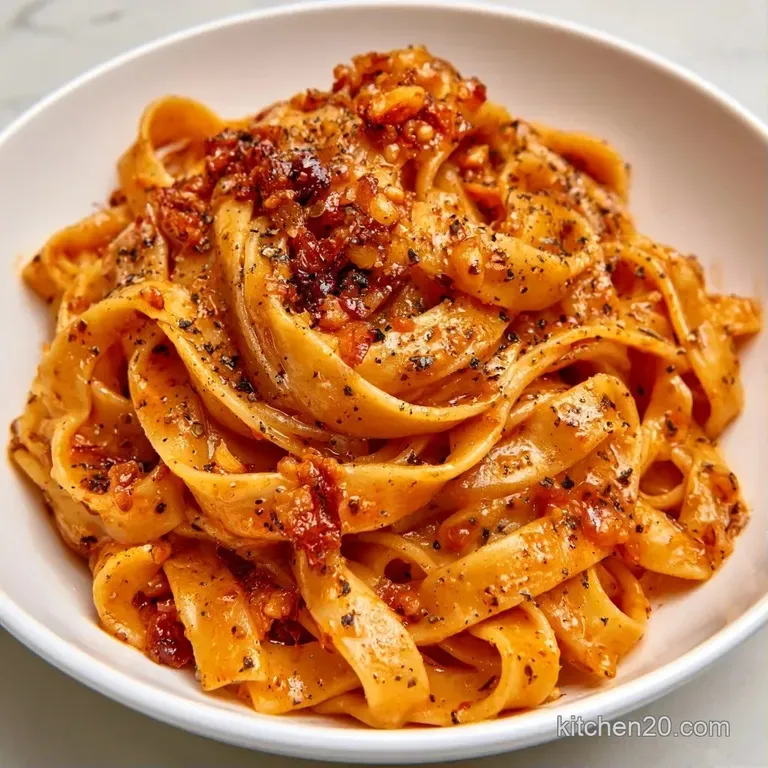
Boiling the Noodles
- Heat 3.8L of water with 15g of salt until it reaches a rolling boil.
- Stir in the 340g of egg noodles and follow the package instructions until they reach an al dente texture.
- Reserve 30ml of the starchy cooking water. Note: Save this just before draining to ensure the starch remains concentrated.
- Use a colander to drain the noodles and set them aside.
Infusing the Butter
- Place a large skillet on medium low heat.
- Allow 85g of unsalted butter to melt until it starts bubbling gently.
- Mix in 12g of minced garlic and cook for 1-2 minutes until it becomes fragrant and translucent. Note: Avoid letting the garlic brown to prevent a bitter flavor.
Finishing the Glaze
- Increase the heat to medium.
- Combine 3g of salt, 1g of pepper, and the reserved 30ml of pasta water.
- Whisk the mixture for 30 seconds until it is glossy and has thickened slightly.
Tossing the Pasta
- Transfer the cooked noodles into the skillet.
- Toss constantly for 1-2 minutes until a shimmering glaze coats every noodle.
- Take off the heat and mix in 8g of chopped parsley.
Avoiding Kitchen Disasters
If your garlic smells like a burnt match, you've gone too far. Garlic burns in a heartbeat when the fat gets too hot. If you see the edges turning dark brown, pull the pan off the heat immediately.
Clumping usually happens when noodles sit too long after draining. To stop this, get your butter sauce ready before the noodles are finished boiling. This way, the pasta goes straight from the pot into the shimmering glaze.
Another common issue is the sauce feeling too thin. This usually means you didn't whisk the pasta water and butter long enough to emulsify. A quick 30 second whisk on medium heat usually fixes the consistency.
| Problem | Root Cause | Solution |
|---|---|---|
| Bitter Taste | Burnt garlic | Lower heat; start over if dark brown |
| Clumped Noodles | Pasta cooled too long | Toss in sauce immediately after draining |
| Greasy Sauce | No emulsion | Whisk in reserved pasta water on medium heat |
Adjusting the Serving Size
If you are scaling up the recipe for a larger group, avoid simply doubling every ingredient. For a double batch, I've found that 1.5x the salt and spices is sufficient. Over salting the glaze can easily overpower the other flavors.
Use a smaller pan if you are preparing only one portion. In a pan that's too wide, the butter evaporates too quickly for the garlic to sauté properly. Cut about 20% off the boiling time for the pasta if you are using a significantly smaller pot of water.
| Original | 1 Serving | 8 Servings |
|---|---|---|
| Egg Noodles | 3 oz (85g) | 24 oz (680g) |
| Butter | 1.5 tbsp (21g) | 12 tbsp (170g) |
| Garlic | 1 clove (3g) | 8 cloves (24g) |
Quick Decision Guide
- For a richer taste: Swap unsalted butter for browned butter.
- For a zesty kick: Add a bit of fresh lemon juice right before serving.
- For a firmer noodle: Drain the pasta 1 minute before the package suggests.
Common Cooking Misconceptions
Some people think you shouldn't salt the pasta water because it raises the boiling point too much. In reality, the difference is negligible. Salting the water is the only chance you have to season the actual starch of the noodle.
Another myth is that rinsing pasta removes "too much starch." While true, you actually want that starch for this recipe. Rinsing your egg noodles would wash away the very thing that helps the Garlic Butter Egg Noodles glaze stick to the surface.
Keeping It Fresh
Place remaining portions in a tightly closed container and keep them chilled for up to 3 days. The pasta will absorb the butter while sitting, so the noodles may appear slightly dull when you first open the lid.
When reheating, try to avoid the microwave. Instead, toss the pasta into a pan over medium heat with a small splash of water or another small pat of butter. This reactivates the emulsion and restores the glossy finish.
To minimize waste, keep your parsley stems. Finely chop them and freeze them in an ice cube tray with olive oil to use for future sautéing.
Variations & Substitutions
To make this a complete meal, consider adding some protein. These Garlic Butter Egg Noodles are an ideal match for Cajun shrimp, creating a flavorful, spicy, and buttery combination.
For a richer twist, try Garlic Butter Parmesan Egg Noodles. Simply stir in 1/4 cup of freshly grated Parmesan cheese immediately after taking the pan off the heat. The lingering warmth will melt the cheese smoothly into the glaze, avoiding a stringy texture.
If you prefer a lighter flavor, try Lemon Garlic Butter Egg Noodles by stirring in the zest of half a lemon and a splash of juice at the very end to balance the buttery richness. Alternatively, those who enjoy a creamy white sauce may opt for a homemade alfredo instead of the butter glaze.
What to Serve This With
Since this is a rich, savory side, you need something to balance the plate. A crisp green salad with a sharp vinaigrette works well to cut through the butter.
If you're serving a roast, these noodles act as a great bed for sliced beef or pork. The garlic notes complement the seared meat perfectly. For a vegetarian option, roasted asparagus or sautéed spinach provides a nice color contrast and a hit of freshness.
Right then, you're ready to get cooking. These Garlic Butter Egg Noodles are a reliable, comforting hit every time. Trust me on this don't skip the pasta water, or you're just eating oily noodles. Happy cooking!
Recipe FAQs
What is the secret to flavorful buttered noodles?
Reserve starchy pasta water. Whisking this into the melted butter creates a glossy, thickened glaze that clings to the noodles instead of pooling at the bottom.
How to make egg noodles taste good?
Sauté minced garlic in unsalted butter over medium low heat until fragrant. Toss the al dente noodles with this mixture and finish with fresh parsley for a bright, professional flavor.
Is it true that garlic should be browned for the best flavor?
False. Browned garlic becomes bitter; sauté it only until translucent to maintain a sweet, aromatic profile.
Which sauce pairs best with egg noodles?
A garlic butter glaze is ideal for its richness. If you prefer a heartier option, these noodles serve as a great base for a homemade spaghetti sauce.
Why use reserved pasta water in the sauce?
It acts as an emulsifier. The starches in the water bind the fat from the butter to the noodles, ensuring a shimmering coat rather than a greasy texture.
Can you use salted butter instead of unsalted?
Yes, but adjust the added salt. Since the recipe calls for kosher salt in both the boiling water and the skillet, using salted butter may make the dish overly salty.
Does the heat need to be high when sautéing garlic?
Keep it at medium low. High heat scorches the garlic quickly, which ruins the delicate flavor of the butter glaze.
Garlic Butter Egg Noodles