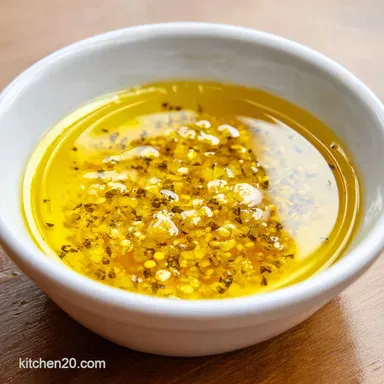
Greek Salad Dressing Recipe: Healthy and Tangy
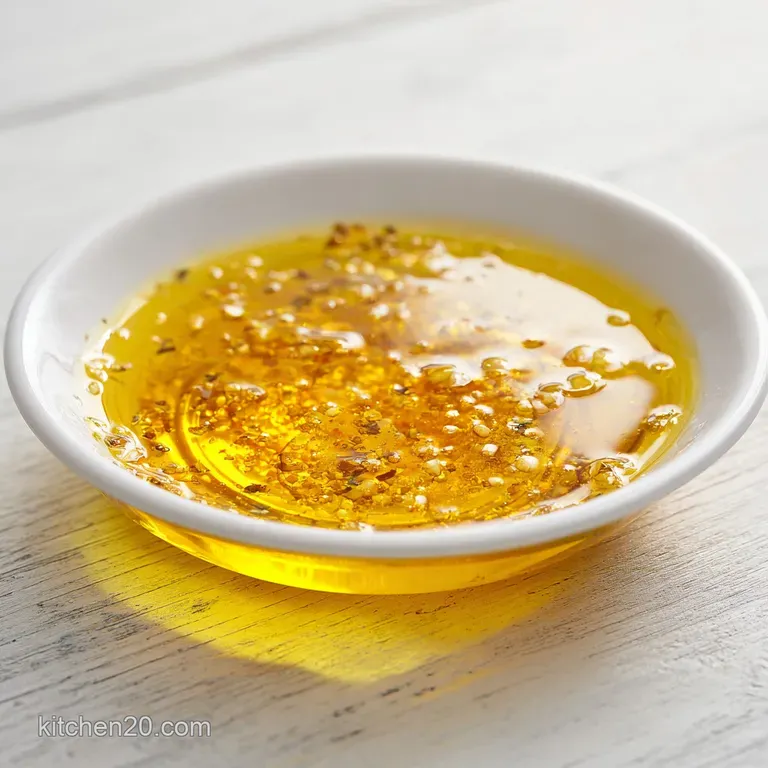
- Time: 5 min active = Total 5 minutes
- Flavor/Texture Hook: Velvety, tangy, and herb forward
- Perfect for: Quick weeknight salads, meal prep, or marinating proteins
Easy Greek Salad Dressing Recipe
I once tried to impress some friends with a "traditional" salad, but I made the classic rookie mistake. I just whisked olive oil and red wine vinegar together in a bowl and poured it over. Five minutes later, the vinegar had pooled at the bottom, and the oil was just floating in greasy slicks on top of the cucumbers.
It tasted like a battery - way too acidic in some bites and bland in others.
The problem was that I had no "bridge" to hold the oil and acid together. I basically served a bowl of separated liquids. Most people just accept that salad dressing separates, but you don't have to. You just need a bit of chemistry to make the textures work.
That's where this version comes in. We're using a few specific ingredients to create a stable emulsion that stays creamy and cohesive. This greek salad dressing recipe ensures every piece of feta and kalamata olive gets a perfectly balanced coating, so you don't end up with that "vinegar bomb" effect I suffered through.
The Secret To Stability
You don't need to be a scientist to get this right, but knowing why the ingredients are there helps you fix things if they go wrong.
- The Mustard Bridge: Dijon mustard acts as an emulsifier, which means it helps the oil and vinegar bond together so they don't separate.
- Honey's Role: A tiny bit of honey doesn't make it sweet, it just rounds off the sharp edges of the vinegar.
- Garlic Paste: Mashing garlic into a paste ensures you don't get a raw, spicy chunk of garlic in one bite.
- The Oil Stream: Slowly adding the oil while shaking or whisking creates tiny droplets that get trapped by the mustard, making it velvety.
| Method | Time | Texture | Best For |
|---|---|---|---|
| Mason Jar | 2 mins | Cohesive | Quick prep/Storage |
| Blender | 1 min | Ultra Smooth | Large batches |
| Hand Whisk | 5 mins | Slightly Grainy | Small portions |
Component Breakdown
Understanding the role of each ingredient is how you move from following a recipe to actually knowing how to cook.
| Ingredient | Science Role | Pro Secret |
|---|---|---|
| Red Wine Vinegar | Primary Acid | Use a small batch organic version for deeper color |
| Extra Virgin Olive Oil | Fat Base | Keep it in a cool, dark place to avoid bitterness |
| Dijon Mustard | Emulsifier | Don't use spicy brown mustard; it lacks the same binding power |
| Garlic Paste | Aromatic | Adding salt during mashing breaks down cell walls for better flavor |
The Tool Kit
You don't need a fancy kitchen to make this happen. A few basic things will do the trick.
- Glass Mason Jar: This is my favorite way to do it. It's a mixing vessel and a storage container all in one.
- Chef's Knife: For mincing the garlic.
- Measuring Cups and Spoons: To keep the ratios exact.
- Small Bowl: If you prefer whisking by hand.
Ingredients & Substitutes
Stick to these measurements for the best balance. If you're missing something, check the table below.
- 1/4 cup (60ml) red wine vinegar Why this? Provides the signature tangy, fermented base
- 1 tbsp (15ml) fresh lemon juice Why this? Adds a bright, citrusy top note
- 1/2 cup (120ml) extra virgin olive oil Why this? Rich, fruity fat that carries the oregano flavor
- 2 cloves (6g) garlic, minced into a paste Why this? Pungent depth without the raw "bite"
- 1 tsp (1g) dried oregano Why this? Earthy, classic Greek aroma
- 1 tsp (5g) Dijon mustard Why this? Keeps the dressing from separating
- 1 tsp (7g) honey Why this? Balances the acidity of the vinegar
- 1/2 tsp (3g) sea salt Why this? Enhances all other flavors
- 1/4 tsp (1g) cracked black pepper Why this? Adds a subtle, warm heat
| Original Ingredient | Substitute | Why It Works |
|---|---|---|
| Red Wine Vinegar | Apple Cider Vinegar | Similar acidity. Note: Slightly sweeter and less "sharp" |
| Honey | Maple Syrup | Similar viscosity and sweetness. Note: Adds a hint of maple |
| Dijon Mustard | Whole Grain Mustard | Still emulsifies. Note: Adds a seedier texture |
| Extra Virgin Olive Oil | Avocado Oil | Neutral fat content. Note: Lacks the fruity taste of olive oil |
Right then, once you've got your ingredients ready, the actual process is incredibly fast. According to Serious Eats, the key to any vinaigrette is the order of operations, especially when it comes to the oil.
Step by step
- Mince the garlic. Sprinkle a pinch of salt over the minced garlic and use the side of a knife to mash it into a smooth paste. Note: The salt acts as an abrasive to break down the garlic fibers.
- Combine the red wine vinegar, lemon juice, Dijon mustard, honey, oregano, and garlic paste in a glass mason jar.
- Seal the jar tightly and shake vigorously for 30 seconds. until the honey and mustard are fully dissolved.
- Slowly pour in the extra virgin olive oil while shaking again. Note: Doing this gradually prevents the oil from separating later.
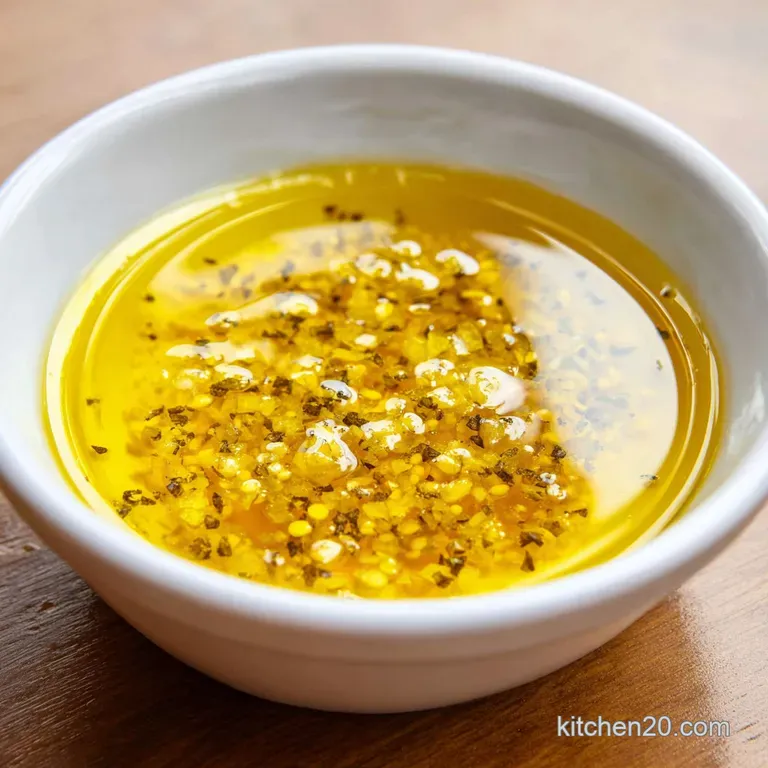
- Continue shaking until the mixture is cohesive, opaque, and velvety.
- Taste the dressing over a piece of cucumber or lettuce.
- Adjust with more olive oil if it feels too sharp or a squeeze of lemon juice for more punch.
Chef's Note: If you're in a rush, you can use a small immersion blender. Just put everything in a tall jar and blitz for 10 seconds. It's the fastest way to get that thick, creamy look.
Fixing Common Fails
Even a simple greek salad dressing recipe can go sideways if the ratios are off or the temperature is weird.
Troubleshooting Common Issues
| Issue | Solution |
|---|---|
| Why Your Dressing Separated | If you see oil floating on top, the emulsion failed. This usually happens if the oil was added too quickly or if the mustard was skipped. Give it a hard shake or whisk it again. |
| Why Garlic Is Overwhelming | Sometimes garlic cloves vary in size, and two huge cloves can take over the whole jar. To fix this, whisk in an extra tablespoon of olive oil or a pinch more honey to mute the pungency. |
| Why It Tastes Too Tart | If the vinegar is too aggressive, don't add more salt. Instead, add a tiny bit more honey or a teaspoon of water. This dilutes the acid without ruining the flavor profile. |
Common Mistakes Checklist
- ✓ Using pre minced jarred garlic (it lacks the punch of fresh paste)
- ✓ Forgetting the Dijon mustard (the dressing will separate)
- ✓ Adding oil before the acids (makes emulsification harder)
- ✓ Using old, oxidized olive oil (adds a bitter aftertaste)
- ✓ Skipping the taste test on a leaf of lettuce (it tastes different on a spoon)
Different Flavor Twists
Depending on what you're serving, you might want to tweak the vibe of this recipe. If you're planning a bigger meal, this dressing pairs incredibly well with my baked chicken tenders for a high protein Mediterranean lunch.
Adjusting for Volume
If you're scaling this down to a single serving (1/4 batch), I recommend beating one egg yolk separately if you want a creamier "caesar style" Greek dressing, though the standard recipe works fine.
For larger crowds (4x batch), don't just quadruple the salt and oregano. Start with 2x the seasoning, taste it, and then add more. Spices can become overwhelming when scaled linearly. Also, reduce the total liquid by about 10% to prevent the salad from becoming a soup.
Making It Keto Friendly
To keep this low carb, simply replace the honey with a liquid monk fruit sweetener or a drop of stevia. The texture remains the same, but the sugar content drops to nearly zero.
The Creamy Twist
If you want a thicker, opaque dressing, whisk in one tablespoon of Greek yogurt or tahini. This adds a velvety richness that's great for dipping raw carrots or cucumbers.
Keeping It Fresh
Since this recipe uses fresh garlic and lemon juice, it won't last forever, but it's great for meal prep.
Storage Guidelines Keep the dressing in a sealed glass jar in the fridge for up to 7 days. Because of the olive oil, you might notice it thickening or getting "cloudy" in the cold. This is normal. Just let it sit at room temperature for 10 minutes and give it a good shake before using.
Zero Waste Tips Don't toss your lemon halves! After you squeeze the juice for the recipe, zest the peel into a small container and freeze it. You can add these frozen zest flakes to pasta or fish later.
Also, if you have leftover dressing, use it as a marinade for shrimp or tofu instead of letting it expire.
Plating And Pairs
The way you present a salad changes the whole experience. You can take the same ingredients and make them look like a home snack or a fancy dinner.
Plating Levels
| Level | Key Technique | Visual Cue |
|---|---|---|
| Simple | Tossing | Vegetables evenly coated in a bowl |
| Polished | Layering | Feta blocks and olives placed on top |
| Restaurant | Drizzling | Precision lines of dressing and micro greens |
For a Simple look, just toss everything in a bowl. It's great for a Tuesday night. For a Polished version, build a bed of cucumbers and tomatoes, then carefully place the feta and olives on top before drizzling the dressing.
For the Restaurant style, use a squeeze bottle to create a clean circle of dressing on a white plate. Place a neat mound of salad in the center and garnish with a sprig of fresh oregano and a drizzle of high-quality olive oil on top.
Once you've finished your fresh, zesty salad, you'll probably want something sweet to balance the salt. I usually go for easy homemade brownies as a rich dessert to close out the meal.
Common Misconceptions
There are a few things people always tell me about Greek dressings that just aren't true.
The "Fresh vs Dried" Debate Some people insist you must use fresh oregano. While fresh is great, dried oregano is actually more concentrated and provides that specific "pizzeria" aroma that defines an authentic greek salad dressing recipe. Use dried for the base and fresh for the garnish.
The "Olive Oil Only" Myth You'll hear that you should only use the most expensive oil. While a great EVOO helps, using a blend of EVOO and a neutral oil (like avocado) can actually make the dressing feel lighter and less "heavy" on the palate.
The "Shake and Serve" Lie Some say you can use it immediately. While you can, letting the dressing sit for about 15 minutes allows the dried oregano to rehydrate in the acid, which deepens the flavor significantly.
Recipe FAQs
What is the dressing made of in a traditional Greek salad?
Extra virgin olive oil, red wine vinegar, and fresh lemon juice. It is seasoned with a garlic paste, dried oregano, Dijon mustard, honey, sea salt, and cracked black pepper.
What is the secret to a great Greek salad dressing?
Mashing the garlic into a paste with salt. This breaks down the fibers for a smoother texture and consistent flavor. If you nailed the stable emulsion here, see how the same principle works in our creamy coleslaw.
How to make an easy Greek salad dressing?
Mash garlic into a paste and combine with vinegar, lemon juice, mustard, honey, and oregano. Shake the mixture in a mason jar, then slowly pour in olive oil while shaking until velvety.
Can I use a blender instead of a mason jar?
Yes, a blender works well. Simply pulse the ingredients to emulsify the oil and vinegar quickly, though a jar is faster for small batches.
Why does my Greek salad dressing separate?
The oil was likely added too quickly. If the emulsion fails, give the jar a hard shake or whisk it again to bring the oil and vinegar back together.
Is it true that honey is not used in traditional Greek dressings?
No, this is a common misconception. A small amount of honey balances the sharp acidity of the red wine vinegar and lemon juice.
How to fix a dressing that tastes too tart?
Whisk in an extra tablespoon of olive oil. This helps mute the punch of the vinegar and lemon juice without adding more salt.
Greek Salad Dressing Recipe