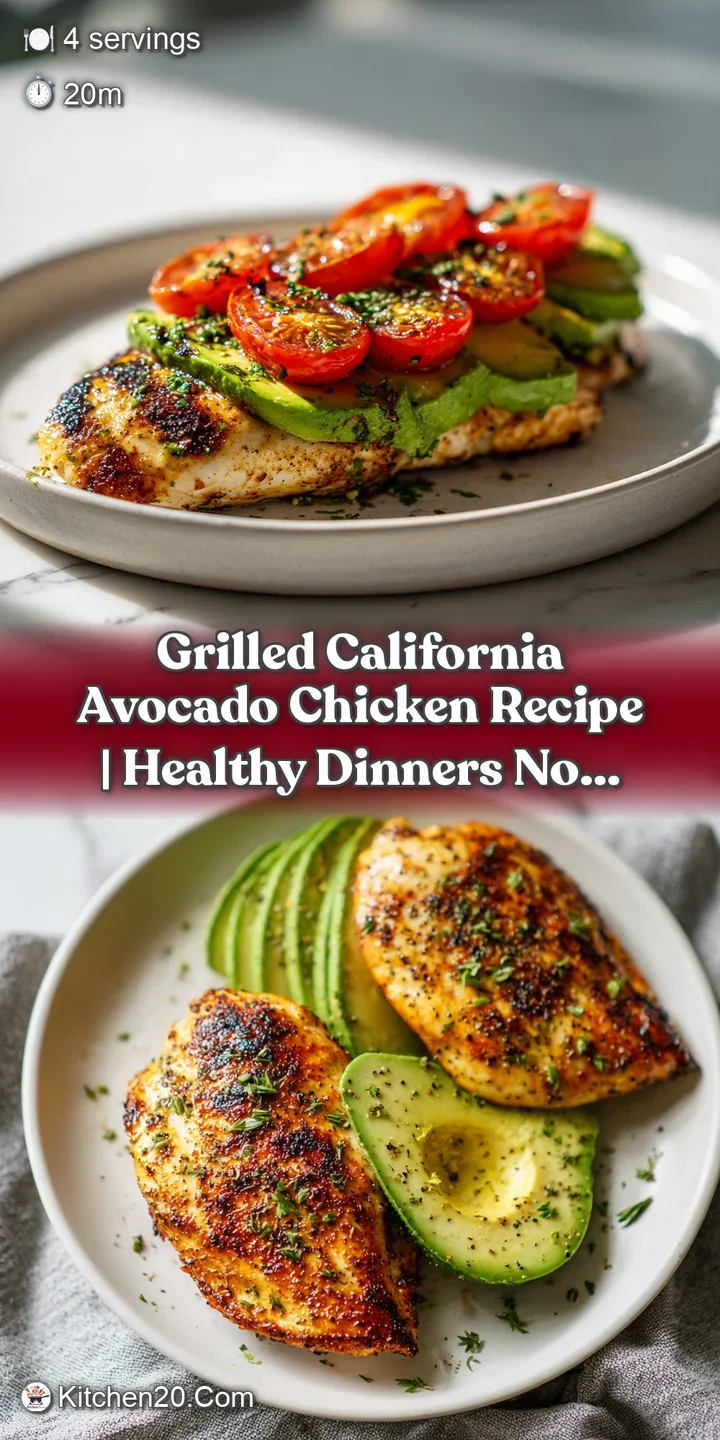
Grilled California Avocado Chicken
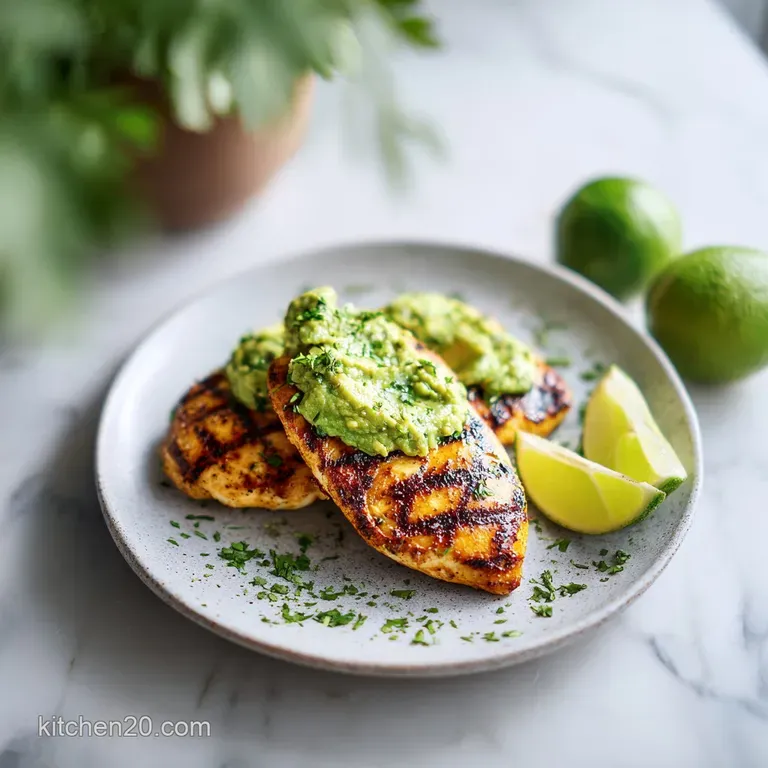
- Time: Active 10 minutes, Passive 10 minutes, Total 20 minutes
- Flavor/Texture Hook: Smoky, zesty, and velvety
- Perfect for: High protein weeknight dinners or summer patio hosting
- The Reason This Grilled California Avocado Chicken Wins Every Backyard Cookout
- Essential Timing and Nutrition for Your Avocado Chicken Success
- The Fresh Components That Build a Vibrant California Profile
- The Simple Tools for Seared Perfection and Even Heat
- Mastering the Technique for Juicy Results and Golden Crusts
- Avoiding Common Pitfalls for a Restaurant Quality Chicken Finish
- Creative Variations for Different Palates and Dietary Needs
- Maintaining Texture and Freshness During Storage and Reheating
- Presenting Your Masterpiece for the Most Satisfying Experience
- Debunking Common Kitchen Myths
- Recipe FAQs
- 📝 Recipe Card
The Reason This Grilled California Avocado Chicken Wins Every Backyard Cookout
I still remember the first time I tried to make a version of this in my tiny apartment kitchen. I didn't have a grill, so I used a cheap non stick pan that didn't get hot enough. The chicken ended up looking grey and sad, and the avocado turned into a warm, mushy mess before I could even get the plate to the table.
It was a disaster, but it taught me everything I needed to know about the relationship between high heat and fat. Since then, I've spent years figuring out how to get that restaurant style char while keeping the topping fresh and vibrant.
The magic happens when the honey in the marinade hits the hot grates. It creates this dark, caramelized crust that plays so well against the cool, buttery texture of the fruit. This isn't just a meal, it's a platform for showcasing how simple ingredients can feel completely revolutionizing when you understand the timing.
We're talking about a dish that feels like a vacation in Southern California, even if you're just standing over a stove on a rainy Tuesday.
Whenever I host friends, this is the dish that gets everyone hovering around the kitchen island. They see the sizzle, they smell the garlic and lime, and they're immediately connected to the process.
It's one of those recipes that looks like you spent hours prepping, but honestly, if you can slice an avocado and set a timer, you've already won. Let's look at why this specific combination of ingredients is so successful from a technical standpoint.
Essential Timing and Nutrition for Your Avocado Chicken Success
The Acid Buffer: Lime juice acts as a chemical denaturant, breaking down the tough exterior proteins of the chicken breast so the flavors can travel deeper into the meat.
Sugar Caramelization Link: The small amount of honey isn't for sweetness, it provides the fuel for the Maillard reaction, ensuring a dark brown crust in under five minutes per side.
Thermal Insulation: Placing the Monterey Jack cheese over the avocado creates a protective barrier, allowing the cheese to melt via residual heat without over softening the fruit's delicate cell structure.
Fat Soluble Flavor: The healthy fats in the avocado help carry the aromatics of the smoked paprika and oregano across your palate, making the spices taste more intense.
| Thickness | Internal Temp | Rest Time | Visual Cue |
|---|---|---|---|
| 1/2 inch | 165°F | 3 mins | Juices run clear |
| 3/4 inch | 165°F | 5 mins | Firm to the touch |
| 1 inch | 165°F | 7 mins | Opaque throughout |
When you're working with lean meat like this, the margin for error is slim. Using a digital thermometer is the most connected way to ensure you never serve a piece of "rubber" chicken.
If you pull the meat at exactly 160°F, the carryover cooking will bring it to the safe 165°F mark while it rests, keeping every bite silky.
The Fresh Components That Build a Vibrant California Profile
For this grilled california avocado chicken, we are using 1.5 lbs (680g) of boneless skinless chicken breasts. I prefer to use breasts over thighs for this specific recipe because the lean meat provides a clean canvas for the rich avocado topping.
However, if you're a fan of darker meat, you can certainly swap them out for grilled california avocado chicken thighs, just keep in mind the cook time will increase by about 3 to 4 minutes per side to render the extra fat.
The marinade is where the soul of the dish lives. We'll need 2 tbsp (30ml) of extra virgin olive oil to facilitate heat transfer, and 1 tbsp (15ml) of fresh lime juice for that essential acidity. To balance the tartness, 1 tsp (5g) of honey is vital.
For aromatics, we use 2 cloves of minced garlic, 1 tsp (2g) of dried oregano, and 1/2 tsp (1g) of smoked paprika to mimic that outdoor grill flavor even if you're using a grill pan indoors. Seasoning is simple but precise: 1/2 tsp fine sea salt and 1/4 tsp cracked black pepper.
The "California" part of the name comes from our 2 ripe California avocados. Look for ones that give slightly when pressed but aren't soft. You'll also need 4 slices (115g) of Monterey Jack cheese, which has the perfect melting point and a mild flavor that won't overshadow the avocado.
To finish, 1 cup (150g) of halved cherry tomatoes and 1 tbsp of fresh chopped cilantro add a burst of acidity and color that brings the whole plate together.
| Ingredient | Science Role | Pro Secret |
|---|---|---|
| Lime Juice | Protein Denaturation | Use fresh only; bottled lacks the enzymes needed for tenderizing |
| Honey | Maillard Catalyst | Prevents the chicken from looking "boiled" on the grill |
| Monterey Jack | Moisture Seal | High moisture content ensures a smooth melt without oil separation |
Selecting the right avocado is a skill that connects you to the seasons. If the stem nub pops off easily and shows green underneath, you’re good to go. If it’s brown, the fruit is likely bruised inside.
The Simple Tools for Seared Perfection and Even Heat
You don't need a professional kitchen to pull this off, but a few specific tools will make your life much easier. First and foremost, a heavy bottomed grill pan or a cast iron skillet (like a Lodge) is your best friend here.
These materials hold heat better than thin aluminum, which means you get a consistent sizzle the moment the meat touches the surface. If you're using an outdoor grill, make sure your grates are scrubbed clean and lightly oiled to prevent sticking.
A meat mallet is another essential often overlooked. Since chicken breasts are naturally tapered, the thin end often overcooks while the thick end stays raw. Pounding the 1.5 lbs of chicken to an even 1/2 inch thickness ensures every part of the breast finishes at the exact same time.
It’s a small step that yields a huge improvement in texture. If you don't have a mallet, a heavy rolling pin or even the bottom of a small saucepan works in a pinch.
Finally,, a set of sturdy tongs is better than a fork for flipping. Piercing the meat with a fork allows the internal juices to escape, which is exactly what we want to avoid. If you're looking for more ways to use those ripe fruits, my Avocado Pasta Sauce recipe is a total lifesaver for busy weeknights and requires very similar kitchen tools.
| Tool | Purpose | Substitution |
|---|---|---|
| Meat Mallet | Even thickness | Rolling pin or heavy pan |
| Grill Pan | Char marks | Cast iron skillet |
| Digital Thermometer | Precision | Visual check (less reliable) |
Having these tools ready before you start prevents that frantic searching mid cook. Cooking should feel like a connected flow, not a series of emergencies.
Mastering the Technique for Juicy Results and Golden Crusts
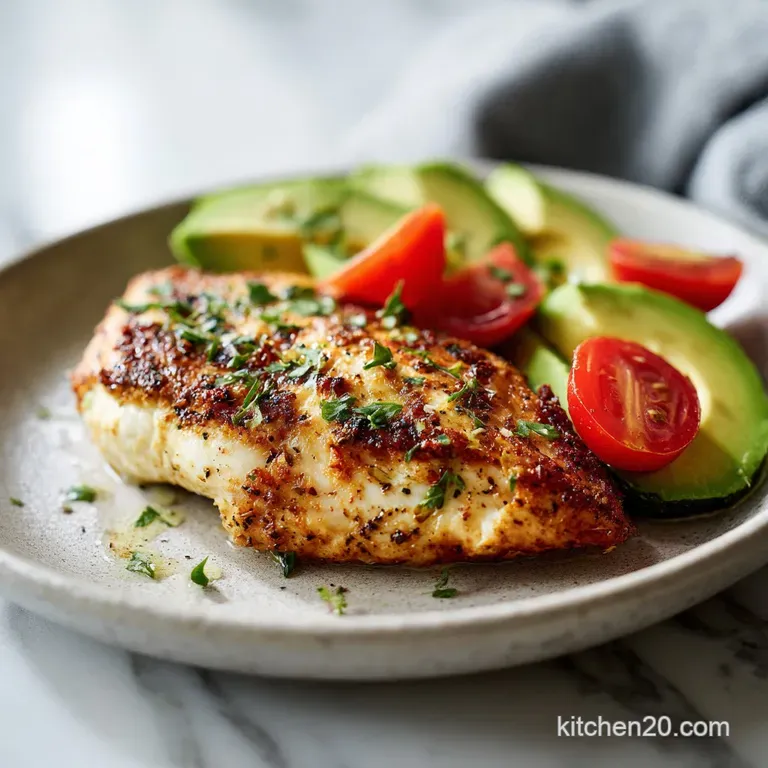
Phase 1: The "Even Cook" Preparation
Start by placing your chicken breasts between two sheets of plastic wrap. Using your mallet, gently pound them until they are about 1/2 inch thick across the entire surface. This isn't about aggression, it's about uniformity. Once they're even, pat them completely dry with a paper towel.
Moisture is the enemy of a good sear; if the meat is wet, it will steam instead of browning.
Phase 2: The Flash Marinade
In a small bowl, whisk together the olive oil, lime juice, honey, minced garlic, oregano, smoked paprika, salt, and pepper. Place the chicken in a shallow dish and pour the grilled california avocado chicken marinade over it. Flip the meat a few times to ensure it's fully coated.
Let it sit at room temperature for about 10 minutes. Don't go much longer than 30 minutes, or the lime juice will begin to "cook" the chicken and turn the texture chalky.
Phase 3: over High heat Searing
Preheat your grill or pan over medium high heat. You'll know it's ready when a drop of water flicked onto the surface dances and evaporates instantly. Place the chicken on the heat. Cook for 5 to 6 minutes without moving it. This patience is what creates those beautiful grill marks.
Flip the chicken once. It should release easily from the pan; if it sticks, it needs another minute to form a crust.
Phase 4: The Melt and Finish
Cook the second side for about 4 to 5 minutes. During the last 2 minutes of cooking, place the sliced avocado on top of each breast, followed by a slice of Monterey Jack cheese. Cover the pan with a lid for 60 seconds to trap the steam and melt the cheese.
Remove from the heat when the internal temperature hits 165°F. Top with the halved cherry tomatoes and fresh cilantro before serving.
| Step | Action | Sensory Cue |
|---|---|---|
| 1 | Pound chicken | Uniform 1/2 inch thickness |
| 2 | Whisk marinade | Fragrant garlic and citrus aroma |
| 3 | Marinate | Chicken looks glossy and orange tinted |
| 4 | Preheat pan | Sizzles aggressively when touched |
| 5 | Sear side 1 | Golden brown with defined grill lines |
| 6 | Flip chicken | Meat releases freely from the surface |
| 7 | Layer toppings | Cheese looks soft and translucent |
| 8 | Rest meat | Juices redistribute for a velvety bite |
Giving the chicken just 3 minutes of rest time after it leaves the heat is the secret to a professional finish. It allows the fibers to relax and soak back up all that flavored moisture we worked so hard to keep inside.
Avoiding Common Pitfalls for a Restaurant Quality Chicken Finish
Why Your Chicken Is Tough and Dry
The most common mistake is overcooking the meat. Because chicken breast is so lean, it doesn't have the fat reserves to stay moist if it goes past 165°F. Many people cook it until they "see no pink," but by that point, the internal temperature is often 180°F or higher. To give the chicken an extra kick, you could even top it with a spoonful of this Truly Authentic Argentine recipe instead of the standard tomatoes to add even more moisture.
Why the Toppings Slide Off
If your cheese and avocado keep sliding off the chicken like they're on a playground slide, it's usually because there's too much oil or moisture on top of the breast. When you flip the chicken, the "cooked" side often has a bit of rendered fat or marinade.
Use your tongs to gently dab the top with a paper towel before adding the avocado. This creates a dry "grip" for the fruit to stay put while the cheese melts over the edges to lock it all in.
| Problem | Root Cause | Solution |
|---|---|---|
| Rubbery Texture | Cold chicken hitting the pan | Let meat sit at room temp for 15 mins before cooking |
| Pale Color | Pan not hot enough | Wait for the oil to shimmer/smoke slightly |
| Bitter Taste | Burnt garlic | Mince garlic finely so it integrates into the oil |
Common Mistakes Checklist
- ✓ Pat chicken completely dry before applying the marinade.
- ✓ Ensure the pan is preheated for at least 3 minutes on medium high.
- ✓ Avoid moving the chicken for the first 5 minutes to develop a crust.
- ✓ Use a lid to melt the cheese quickly without overcooking the meat.
- ✓ Slice avocados right before serving to prevent oxidation.
Creative Variations for Different Palates and Dietary Needs
One of the best things about this california avocado chicken recipe is how adaptable it is. If you're looking for a lighter lunch option, you can easily turn this into a grilled california avocado chicken salad recipe. Simply grill the chicken as directed, let it cool slightly, and slice it into strips.
Toss it over a bed of romaine or spring mix with some extra lime juice and olive oil. The melted cheese and avocado act as a built in dressing that feels decadent but remains relatively healthy.
For those who want a bit more punch, try adding a sliced jalapeño under the cheese layer. The heat of the pepper is perfectly balanced by the cooling avocado. If you're following a strictly keto lifestyle, this recipe is already a winner, but you can swap the honey for a drop of liquid monk fruit or just omit it entirely.
You'll lose a bit of the browning, but the flavor remains top tier.
| Original Ingredient | Substitute | Why It Works |
|---|---|---|
| Monterey Jack | Pepper Jack | Adds a spicy kick without changing the melt quality |
| Chicken Breast | Chicken Thighs | More fat; harder to overcook. Note: Adds about 100 calories per serving |
| Honey | Maple Syrup | Different sugar profile; adds a woody, autumnal note |
If you want a casual family dinner vibe, try serving this as a grilled chicken and avocado sandwich. Toast some brioche buns, add a smear of chipotle mayo, and slide the cheesy chicken breast right on.
It’s a messy, glorious revolutionizing of the standard backyard burger that will have everyone asking for the recipe.
Maintaining Texture and Freshness During Storage and Reheating
If you're making this for meal prep, it's important to change your strategy slightly. Avocado is notorious for browning when exposed to air, which isn't very appetizing on day two.
I recommend grilling the chicken and melting the cheese as usual, but wait to add the fresh avocado and tomatoes until right before you eat. This keeps the textures distinct and the colors bright.
- Fridge: Store the cooked chicken in an airtight container for up to 3 days.
- Freezer: You can freeze the marinated, raw chicken for up to 3 months. I don't recommend freezing the cooked dish with the avocado, as the texture of the fruit becomes watery and unpleasant once thawed.
- Reheating: To avoid the "microwave rubber" effect, reheat the chicken in a skillet over low heat with a splash of water and a lid. This creates a mini steam sauna that revives the moisture.
For a zero waste approach, don't throw away those cilantro stems! They actually have more flavor than the leaves. Finely mince them and add them directly into your grilled california avocado chicken marinade.
If you have leftover cherry tomatoes that are getting a bit soft, toss them in a pan with a little balsamic vinegar to make a quick jam that tastes incredible on top of the chicken the next day.
Presenting Your Masterpiece for the Most Satisfying Experience
Presentation is the final step in feeling connected to your food. Instead of just plopping the chicken on a plate, try slicing it on a slight bias. This exposes the juicy interior and makes the portion look more substantial. Fan the avocado slices over the top so they peek out from under the melted cheese.
It creates a visual layering that signals "freshness" to whoever is lucky enough to be eating at your table.
If you want to go the extra mile, serve this with a side of cilantro lime rice or a simple corn salad. The acidity in the side dishes will cut through the richness of the avocado and cheese, creating a balanced meal that doesn't leave you feeling heavy.
It's about creating a cohesive platform of flavors that all speak the same language.
This quick grilled california avocado chicken is more than just a 20 minute meal; it's a testament to how focusing on a few key techniques like pounding the meat and properly preheating your pan can result in something truly special.
Whether it's a hectic Monday or a slow Saturday, this dish always delivers that "wow" factor without the stress. Trust me, once you master the timing on this one, it’ll become a permanent fixture in your rotation.
Debunking Common Kitchen Myths
Myth: Searing meat "seals in" the juices. Truth: Searing actually doesn't create a moisture proof barrier. Its primary purpose is the Maillard reaction, which develops deep, complex flavors on the surface of the meat.
The real key to "juiciness" is not overcooking the internal temperature and letting the meat rest after it's done.
Myth: You must use a high smoke point oil like canola for all grilling. Truth: While extra virgin olive oil has a lower smoke point than avocado oil, it works perfectly for this recipe because we are cooking at a medium high heat (around 400°F).
The flavor benefits of the olive oil in the marinade far outweigh the risk of smoking, provided you don't leave the pan empty on the burner for too long.
Myth: Leaving the pit in an avocado prevents it from browning. Truth: Only the part of the avocado directly touching the pit stays green because air can't reach it.
The most effective way to prevent browning is to use an acid, like the lime juice in our marinade, or to wrap the fruit tightly in plastic wrap to eliminate oxygen contact.
Recipe FAQs
Can I substitute chicken thighs for breasts in this recipe?
Yes, but adjust your timing. Thighs are fattier and require a longer cooking duration, generally adding 3 to 4 minutes per side to ensure they render correctly and reach safe internal temperature.
How to ensure the chicken achieves a dark crust without burning the marinade?
Cook over medium high heat, not max heat. The honey in the marinade causes rapid caramelization; if the heat is too high, the sugars burn before the meat sears. If you enjoyed mastering the flavor balance here, see how we use acid and sugar to balance our savory dry rubs in the Homemade Old Bay recipe.
What is the maximum time the chicken should marinate before grilling?
No more than 30 minutes at room temperature. The lime juice, an acid, starts to denature the proteins, leading to a chalky texture if left too long, even though you can let it sit up to 4 hours refrigerated.
How to prevent the avocado from turning mushy under the broiler or melting cheese?
Use the cheese as a thermal insulator. Place the sliced avocado on first, then immediately cover it with the Monterey Jack. Use the residual heat from the cooked chicken and a lid for only 60 seconds to melt the cheese without applying direct, harsh heat to the fruit.
Is it necessary to pound the chicken breasts to a uniform thickness?
Is it necessary to pound the chicken breasts to a uniform thickness?
Yes, uniformity guarantees even cooking. If the breasts are tapered, the thin end will be dry before the thick end reaches the safe internal temperature of 165°F.
What side dish complements the smoky, zesty flavor profile of this chicken best?
A slightly acidic, creamy side cuts the richness perfectly. This dish pairs wonderfully with a crunchy, tangy slaw or a cool, creamy potato salad.
How to reheat leftovers without ruining the chicken's tenderness?
Reheat gently using steam in a covered skillet. Add a tablespoon of water to a skillet, cover it, and heat over low heat; this keeps the meat from drying out, which is similar to the gentle heat transfer needed when making The Fry Sauce recipe base.
Grilled California Avocado Chicken
Ingredients:
Instructions:
Nutrition Facts:
| Calories | 502 calories |
|---|---|
| Protein | 47.5 grams |
| Fat | 31.5 grams |
| Carbs | 8.5 grams |
| Fiber | 5.1 grams |
| Sugar | 2.4 grams |
| Sodium | 450 milligrams |
