Instant Pot Chicken Noodle Soup: Failure-Proof
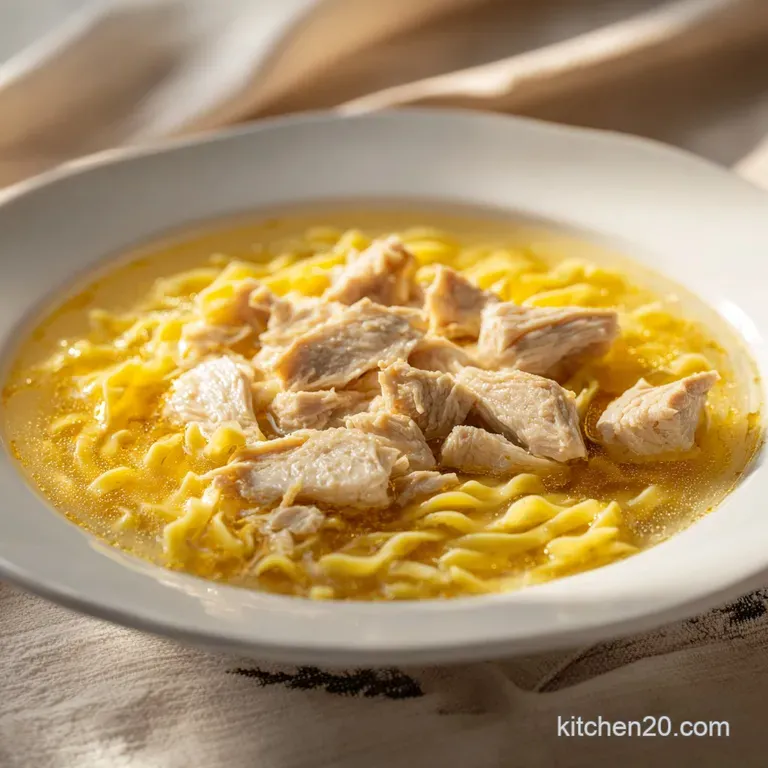
- Time: 10 min active + 20 min cook = 40 mins total
- Flavor/Texture Hook: Silky chicken with al dente noodles in a zesty, gold broth
- Perfect for: Cold rainy nights or a fast, comforting weeknight dinner
- Best Instant Pot Chicken Noodle Soup Recipe
- Why This Version Actually Works
- Component Analysis
- Ingredients and Smart Swaps
- The Tools You'll Need
- Step-by-Step Cooking Process
- Fixing Common Soup Mistakes
- Troubleshooting Common Issues
- Customizing Your Bowl
- Adjusting the Batch Size
- Soup Myths Debunked
- Storage and Waste Tips
- Serving and Pairing Ideas
- Recipe FAQs
- 📝 Recipe Card
Best Instant Pot Chicken Noodle Soup Recipe
That specific sizzle of diced carrots and celery hitting hot olive oil is where the magic starts. You know the smell, right? It's that classic, cozy aroma that immediately tells your brain you're safe and warm.
For me, this scent always brings back the memory of my first attempt at making a pressure cooker soup, which was a complete disaster.
I made the classic mistake of throwing the egg noodles in at the beginning with the chicken. I thought, "Hey, efficiency is key," and set the timer. When I opened the lid, I didn't have soup, I had a thick, starchy porridge with chicken floating in it.
The noodles had basically dissolved into the broth, turning it a murky gray color. It was honestly heartbreaking.
That's why I've obsessed over the timing for this instant pot chicken noodle soup. I realized that the pressure cooker is amazing for breaking down protein and extracting flavor from vegetables, but it's an enemy to delicate pasta.
The secret is the "staggered finish." By cooking the base under pressure and adding the noodles at the very end using the residual heat, you get a bowl that looks and tastes like it simmered on a stove for six hours.
Why This Version Actually Works
I've spent way too much time wondering why some soups taste like water and others taste like a hug. It comes down to a few simple mechanical tweaks that make this recipe stand out.
- The Thigh Advantage: Using boneless chicken thighs instead of breasts prevents that rubbery, dry texture. Thighs have more connective tissue that melts into a silky consistency under pressure.
- The Sauté Start: Sautéing the aromatics first creates a base of concentrated flavor. If you just dump everything in raw, the vegetables taste boiled rather than savory.
- Residual Heat Cooking: Adding noodles after the pressure cycle prevents them from overcooking. The broth is already boiling, so the noodles cook in minutes without turning into mush.
- Acidic Balance: A splash of lemon juice at the end cuts through the richness of the chicken fat. It brightens the whole pot and wakes up the salt and pepper.
| Method | Prep Time | Texture | Best For |
|---|---|---|---|
| Instant Pot | 10 mins | Velvety meat, al dente noodles | Weeknights |
| Stove Top | 45 mins | Very soft veg, integrated flavor | Slow Sundays |
| Slow Cooker | 6 hours | Fall apart meat, soft noodles | Set and forget |
Component Analysis
Understanding what each ingredient does helps you tweak the recipe without ruining it. Here is the breakdown of the core elements.
| Ingredient | Science Role | Pro Secret |
|---|---|---|
| Chicken Thighs | Protein & Body | Use skinless to avoid an overly greasy broth |
| Low Sodium Broth | Flavor Base | Low sodium lets you control the salt perfectly |
| Lemon Juice | Flavor Brightener | Always add after cooking to keep the zest fresh |
| Wide Egg Noodles | Starch & Bulk | Don't over stir them or they'll release too much starch |
Ingredients and Smart Swaps
I keep these staples in my pantry because they make the process so much faster. Make sure your chicken is patted dry before it goes in to get a better sear during the sauté phase.
- 1.5 lbs boneless, skinless chicken thighs Why this? Higher fat content keeps meat tender
- 8 cups low sodium chicken broth Why this? Prevents the soup from being overly salty
- 1 tbsp olive oil
- 1 tsp kosher salt
- 1/2 tsp black pepper
- 1 medium yellow onion, diced
- 3 large carrots, sliced into rounds
- 3 stalks celery, sliced
- 4 cloves garlic, minced
- 1 bay leaf
- 1/4 tsp dried thyme
- 8 oz wide egg noodles Why this? Holds up better than thin noodles
- 1 tbsp fresh lemon juice
- 1/4 cup fresh parsley, chopped
Substitution Guide
| Original Ingredient | Substitute | Why It Works |
|---|---|---|
| Chicken Thighs | Rotisserie Chicken | Faster process. Note: Add at the end with noodles |
| Egg Noodles | gluten-free Pasta | Similar shape. Note: Check cook time, may need 2 mins more |
| Chicken Broth | Bone Broth | More collagen. Note: Result is more velvety and rich |
| Fresh Parsley | Fresh Cilantro | Adds a citrusy zing. Note: Changes flavor profile to be more bright |
The Tools You'll Need
You don't need a kitchen full of gadgets, but a few specific tools make this way more efficient. I use a 6 quart Instant Pot, but any size works as long as you don't fill it past the halfway mark for soups.
For the prep, a sharp chef's knife is non negotiable. You want consistent slices on your carrots and celery so they cook evenly. If some are thick and some are thin, you'll end up with some that are mushy and others that are still crunchy.
To shred the chicken, I use two forks, but if you have a hand mixer, you can actually use it to shred the meat in seconds. It's a total pro move for meal prep efficiency. Also, have a colander ready if you prefer to rinse your noodles, though I usually add them straight in for a slightly thicker broth.
Step-by-step Cooking Process
This is where we execute the plan. I like to divide this into three phases: the base, the pressure, and the finish.
Phase 1: Building the Flavor Base
- Set your Instant Pot to Sauté mode. Add the olive oil and let it shimmer.
- Stir in the diced onion, carrots, and celery. Cook for 4-5 minutes until the onions are translucent and smelling sweet. Note: Don't rush this; it's where the depth comes from.
- Stir in the minced garlic, thyme, salt, and pepper. Cook for exactly 60 seconds until the garlic smells nutty and fragrant.
Phase 2: Pressure Cooking the Essence
- Add the chicken thighs and pour in the 8 cups of chicken broth. Tweak the bay leaf so it's tucked under the meat.
- Secure the lid and turn the valve to Sealing. Select Manual/Pressure Cook on High for 10 minutes.
- Once the timer beeps, perform a Quick Release of the pressure immediately. Note: This prevents the chicken from overcooking and getting rubbery.
Phase 3: The Perfect Noodle Finish
- Carefully lift the chicken thighs out and place them on a plate. Shred them using two forks into bite sized pieces.
- Ensure the pot is on Keep Warm (or hit Sauté for 2 minutes if the liquid isn't bubbling). Stir in the wide egg noodles.
- Let the noodles sit in the hot liquid for 6-8 minutes until they are tender but still have a slight chew.
- Stir the shredded chicken, lemon juice, and fresh parsley back into the pot. Serve immediately.
Fixing Common Soup Mistakes

Even with a plan, things can go sideways. I've seen everything from "watery broth" to "chicken that tastes like cardboard." Most of these are easy fixes if you know what to look for.
Troubleshooting Common Issues
| Issue | Solution |
|---|---|
| Why Your Broth Is Too Thin | If your soup feels more like a thin tea than a hearty meal, you likely didn't sauté your vegetables long enough, or you used too much broth. To fix this, you can simmer the soup on Sauté mode without |
| Why Your Noodles Are Mushy | This happens if you leave the noodles in the pot on "Keep Warm" for too long after cooking. They will continue to absorb liquid and expand. If you're making this for meal prep, I actually recommend co |
| Why Your Chicken Is Dry | Dry chicken in a pressure cooker usually means you used breasts instead of thighs, or you let the soup sit in the "Natural Release" phase for too long. Always go for the Quick Release with this specif |
Common Mistakes Checklist
- ✓ Did you sauté the veg until translucent?
- ✓ Did you use chicken thighs instead of breasts?
- ✓ Did you use Quick Release instead of Natural Release?
- ✓ Did you add the lemon juice at the very end?
- ✓ Did you check the noodles at the 6 minute mark?
Customizing Your Bowl
Once you've nailed the base, you can start playing with the flavors. I love this recipe because it's a canvas for whatever you have in the fridge.
If you want a more intense flavor, you can sear the chicken thighs first. Sear the chicken first to create ‘fond’ (brown bits) which adds a ton of flavor to the soup before adding the vegetables. It adds about 5 minutes to the process but gives the broth a deeper, golden hue.
For those who want a different vibe, you can swap the egg noodles for rice noodles or even ramen. If you're craving something with a bit more punch, check out my homemade ramen recipe for a different approach to noodle soups.
Quick Decision Shortcut If you want it creamier → Stir in 1/4 cup of heavy cream at the end. If you want more greens → Add a handful of spinach or kale in the last 2 minutes. If you want more protein → Add sliced mushrooms during the sauté phase.
Adjusting the Batch Size
Scaling a pressure cooker recipe isn't as simple as doubling the ingredients. You have to account for how the pot handles steam and liquid.
Scaling Down (Half Batch) When making a half portion, use a smaller pot if possible. Reduce the sauté time by about 20% because the smaller amount of vegetables will cook faster.
I recommend beating one egg if you're adding any binders, then using half, but for this soup, just halve the noodles and broth exactly.
Scaling Up (Double Batch) Be careful here. Do not double the salt or thyme; start with 1.5x and taste at the end. Liquids can be reduced by about 10% because there's less evaporation in a full pot.
Most importantly, give the pot more time to come to pressure, as the extra volume takes longer to heat up.
Soup Myths Debunked
There are a lot of "old wives' tales" about chicken soup that just don't hold up in a modern kitchen.
The Whole Chicken Myth: Many people think you must use a whole chicken to get a "real" broth. While a whole bird is great, boneless thighs provide 90% of the flavor in 20% of the time. The collagen in thighs is enough to give you that velvety mouthfeel.
The Searing Myth: You'll hear that searing meat "seals in the juices." This is scientifically false. Searing creates flavor through browning, but it doesn't stop moisture from leaving the meat. In an Instant Pot, the pressure does the work of keeping the meat moist.
Storage and Waste Tips
Don't let a single carrot scrap go to waste. I'm all about streamlining my kitchen and reducing trash.
Fridge and Freezer Store your soup in airtight containers in the fridge for up to 4 days. If you plan to freeze it, do not freeze the noodles. Freeze the broth, veg, and chicken together for up to 3 months. When you're ready to eat, thaw it and boil fresh noodles directly in the soup.
Zero Waste Strategy Keep a "scrap bag" in your freezer. Put your onion skins, carrot ends, and celery leaves in there. Once the bag is full, throw them in the Instant Pot with water and a bay leaf for 45 minutes to make a free, homemade veggie stock.
Reheating Tips Reheat on the stove over medium heat. If the noodles have absorbed too much liquid and the soup has become a stew, just add a splash of water or extra broth to loosen it back up.
Serving and Pairing Ideas
A bowl of this soup is great on its own, but the right pairings make it a meal. I usually serve this with a thick slice of sourdough toast rubbed with a raw garlic clove.
For a full spread, I like to serve this alongside a crisp green salad with a sharp vinaigrette to balance the richness of the chicken. If you're doing a "Soup Night" for the family, this pairs perfectly with a side of homemade loaded potato soup for those who want something even heavier.
Trust me on this, the lemon juice is the most important part of the serving process. If the soup tastes a bit flat right before you dish it out, add one more squeeze of fresh lemon. It transforms the dish from "standard" to "restaurant quality" in about two seconds.
Let the steam hit your face, grab a big spoon, and dive in.
Recipe FAQs
Why are my noodles mushy?
Avoid leaving them on "Keep Warm" for too long. The noodles continue to absorb liquid and expand, which destroys their texture.
How to prevent the noodles from overcooking?
Stir them into the hot liquid for only 6 8 minutes. This timing ensures they are tender while maintaining a slight chew.
Can I freeze the soup with the noodles included?
No, freeze only the broth, vegetables, and chicken. Noodles degrade when frozen and thawed, so it is better to boil fresh noodles in the soup when reheating.
Is it true I should pressure cook the noodles along with the chicken?
No, this is a common misconception. Pressure cooking the noodles usually turns them into paste; always stir them in at the end using the residual heat.
How to prepare the vegetable base?
Set the Instant Pot to Sauté mode and cook the onion, carrots, and celery for 4 5 minutes. Stir in the garlic for only 60 seconds to prevent it from burning.
How long can I store this soup in the refrigerator?
Keep it in airtight containers for up to 4 days. This maintains the flavor and quality of the chicken and broth.
How to make the broth heartier if it feels too thin?
Simmer the soup on Sauté mode without the lid. This reduces the liquid to concentrate the flavor; if you enjoyed mastering this reduction technique here, see how the same principle works in our creamy sauce.
Instant Pot Chicken Noodle Soup