Jamaican Jerk Seasoning

- Time: Active 10 minutes, Passive 5 minutes, Total 15 minutes
- Flavor/Texture Hook: Earthy, citrusy pimento notes with a sharp, lingering heat and a coarse, crystalline texture.
- Perfect for: Weekend meal prep, DIY spice gifts, and over high heat grilling.
- Mastering the Depth of Authentic Jamaican Jerk Seasoning
- Science of Volatile Spice Compounds
- Essential Recipe Metrics for Consistency
- Selecting the Correct Spice Elements
- The Alchemy of Grinding and Mixing
- Tools to Revolutionize Your Spice Prep
- The Sequential Process of Blending
- Correcting Common Balance and Texture Issues
- Modifications for Various Dietary Preferences
- Preservation and Long Term Flavor Stability
- Pairing Strategies for Island Inspired Meals
- Kitchen Folklore and Misconceptions
- Very High in Sodium
- Recipe FAQs
- 📝 Recipe Card
Mastering the Depth of Authentic Jamaican Jerk Seasoning
The moment those whole allspice berries hit the hot cast iron, the air in my kitchen shifts. It's a heavy, intoxicating aroma that feels like a humid afternoon in a coastal jerk hut. I remember the first time I tried to shortcut this with pre ground powders, and the result was flat, muddy, and frankly, disappointing.
You just can't replicate that sharp, woody crackle without the friction of a mortar and pestle or a dedicated spice grinder.
We are not just mixing powders here; we are building a platform for flavor. Authentic Jamaican Jerk Seasoning relies on the "pimento" (allspice) berry to provide that signature clove cinnamon nutmeg bridge that connects the heat of the peppers to the savory base.
When you toast these yourself, you're unlocking oils that have been dormant in the spice cabinet, revolutionizing the way the seasoning interacts with protein during the sear.
Trust me, once you see how the dark brown sugar begins to caramelize against the heat of the Scotch Bonnet, you will never go back to store-bought shakers. It is all about the balance between the sweet molasses notes and the numbing warmth of the peppers.
We've spent a lot of time refining these ratios to ensure the heat is present but doesn't completely overshadow the intricate aromatic layers.
Science of Volatile Spice Compounds
Thermal Activation: Applying heat to whole spices causes the cellular structures to expand, releasing volatile essential oils that provide the primary aromatic profile. This process, known as tempering, transforms the flavor from raw and medicinal to complex and toasted.
Hygroscopic Balance: The dark brown sugar acts as a humectant, drawing moisture toward the surface of the meat when applied as a rub. This creates a tacky surface that allows the spice particles to adhere, eventually forming a charred "bark" via the Maillard reaction.
| Method | Time | Texture | Best For |
|---|---|---|---|
| Dry Rub Blend | 15 minutes | Coarse/Gritty | over High heat grilling and long term storage |
| Wet Paste Prep | 20 minutes | Thick/Velvety | Overnight marinating for deep fiber penetration |
| Oil Infusion | 30 minutes | Liquid/Smooth | Basting or quick sear stovetop applications |
Using a dry blend is the most connected way to control your seasoning levels. While wet pastes are heritage focused, this dry version allows for better storage and more precision when you're looking for that specific "shatter" on the skin of a grilled chicken thigh.
It serves as a versatile platform that you can modify on the fly by simply adding a splash of lime juice or oil.
| Style | Prep Effort | Flavor Depth | Heat Retention |
|---|---|---|---|
| Fast Method | Minimal (Pre ground) | Mild / Flat | Fades quickly during cooking |
| Classic Method | Moderate (Whole Spice) | Complex / Layered | High; oils withstand intense heat |
Essential Recipe Metrics for Consistency
To ensure your blend hits the mark every single time, we need to focus on precision. I have found that guessing with allspice berries leads to inconsistent batches. Here are the three checkpoints you should monitor during your prep:
- Toasting Time: Exactly 5 minutes over medium heat. If you go to 6 minutes, the cloves will turn bitter and ruin the sweetness of the nutmeg.
- Grind Texture: Aim for a medium coarse consistency, similar to sea salt. If it's too fine, it will burn on the grill; if it's too coarse, the peppercorns will provide unpleasant "hot spots" of flavor.
- Sugar Weight: Ensure your 0.25 cup of dark brown sugar is firmly packed. This provides the necessary moisture content to prevent the dry spices from scorching before the meat is cooked through.
Selecting the Correct Spice Elements
The heart of this blend is the pimento berry. In Jamaica, jerk is traditionally cooked over pimento wood, and our 3 tbsp of whole allspice berries are meant to mimic that woodsy smoke. We are also integrating 2 tbsp of Scotch Bonnet powder, which provides a fruitier, more intense heat than standard cayenne. If you're looking for more complex layers in your pantry, you might find similarities in how spices are layered in my Homemade Old Bay recipe, though the flavor profile here is much more tropical and aggressive.
| Ingredient | Science Role | Pro Secret |
|---|---|---|
| Allspice Berries | Flavor Foundation | Toast until they just begin to "dance" in the pan for peak aroma |
| Scotch Bonnet | Capsaicin Delivery | Provides fruitiness that cayenne lacks; use powder for even distribution |
| Dark Brown Sugar | Caramelization Agent | The molasses content prevents the spices from tasting "dusty" |
| Dried Thyme | Aromatic Bridge | Rub the leaves between your palms to release the oils before mixing |
The Alchemy of Grinding and Mixing
- 3 tbsp whole allspice berries (pimento)Why this? Essential for that authentic, woodsy Jamaican flavor profile.
- Substitute: 1.5 tbsp ground allspice (lose the toasted depth).
- 1 tbsp whole black peppercornsWhy this? Provides a sharp, biting heat that lingers.
- Substitute: 1 tbsp cracked black pepper.
- 1 tsp whole clovesWhy this? Adds a medicinal sweetness that defines "jerk."
- Substitute: 0.5 tsp ground cloves.
- 2 tbsp dried thyme whole leafWhy this? Adds an earthy, herbal counterpoint to the heat.
- Substitute: 1 tbsp ground thyme (very potent, use sparingly).
- 1 tbsp garlic powderWhy this? Ensures even savory distribution across the protein.
- Substitute: 2 tsp granulated garlic.
- 1 tbsp onion powderWhy this? Provides a background sweetness and umami.
- Substitute: 1 tbsp dried minced onion (ground fine).
- 1 tsp ground nutmegWhy this? Warmth that complements the allspice berries.
- Substitute: Freshly grated nutmeg (more intense).
- 1 tsp ground cinnamonWhy this? Subtle sweetness to balance the Scotch Bonnet.
- Substitute: 0.5 tsp ground cassia.
- 2 tbsp Scotch Bonnet powderWhy this? The authentic source of Jamaican heat.
- Substitute: 2 tbsp Habanero powder (similar heat and fruitiness).
- 0.25 cup dark brown sugar, packedWhy this? Encourages charring and balances the salt.
- Substitute: Coconut sugar (drier, less caramelization).
- 2 tbsp kosher saltWhy this? Enhances every other spice in the mix.
- Substitute: 1 tbsp fine sea salt.
- 1 tsp crushed red pepper flakesWhy this? Adds visual texture and immediate tongue tip heat.
- Substitute: 1 tsp Aleppo pepper for milder heat.
| Original Ingredient | Substitute | Why It Works |
|---|---|---|
| Scotch Bonnet Powder | Habanero Powder | Nearly identical heat level and fruity undertones |
| Dark Brown Sugar | Muscovado Sugar | Higher molasses content provides even better bark on meat |
| Allspice Berries | Ground Allspice + Clove | Mimics the profile but lacks the fresh toasted oils |
Choosing the right components is the first step in revolutionizing your spice cabinet. While many people reach for pre mixed jars, creating this from scratch allows you to adjust the "volume" of each flavor.
If you find the heat too much, you can easily scale back the Scotch Bonnet while keeping the aromatic pimento front and center.
Tools to Revolutionize Your Spice Prep
To get the most out of your Jamaican Jerk Seasoning, you need a way to pulverize those whole berries without turning them into a flavorless dust. A heavy granite mortar and pestle is my preferred platform.
It allows for manual control over the texture, ensuring you keep some of those larger "shatter" pieces of peppercorn that provide bursts of flavor.
If you are a fan of technology in the kitchen, a dedicated electric spice grinder (like a modified coffee grinder) is a great alternative. Just be careful not to over process. You want a gritty, rustic texture, not a silky powder.
Also, have a small whisk or a fork on hand to break up the brown sugar clumps; this ensures that every tablespoon of the mix has a balanced ratio of salt, sweet, and heat.
The Sequential Process of Blending
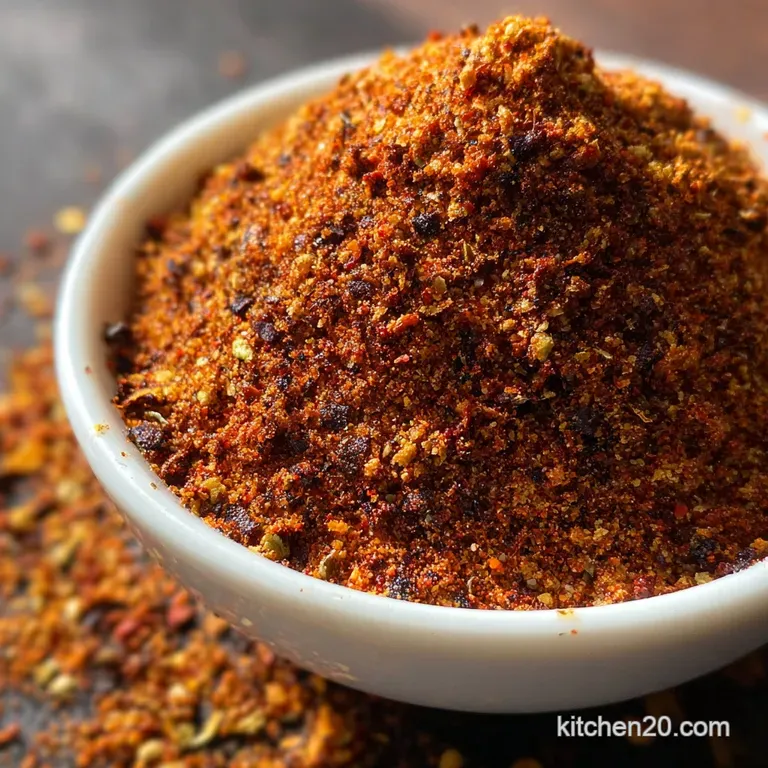
1. To Activate the Essential Oils
Place the 3 tbsp whole allspice berries, 1 tbsp peppercorns, and 1 tsp whole cloves into a small, dry skillet. Toast over medium heat for 5 minutes until the spices become fragrant and slightly smoky.
Note: This step is non negotiable for achieving that deep, island flavor.
2. To Achieve the Perfect Texture
Transfer the toasted whole spices to a mortar and pestle or spice grinder. Pulse or grind until you reach a medium coarse consistency. Note: Avoid over grinding into a fine powder; the texture helps create the crust on the meat.
3. To Ensure Consistent Balance
In a medium mixing bowl, combine the freshly ground spices with the 2 tbsp dried thyme, 1 tbsp garlic powder, and 1 tbsp onion powder. Stir with a fork until the herbs are evenly distributed.
4. Incorporating the Aromatic Powders
Add the 1 tsp ground nutmeg and 1 tsp ground cinnamon to the bowl. Mix thoroughly until the colors are uniform.
5. Adding the Heat Layer
Whisk in the 2 tbsp Scotch Bonnet powder and 1 tsp red pepper flakes. Note: Be careful not to inhale the dust from the Scotch Bonnet powder as it is extremely potent.
6. Balancing with Salt and Sugar
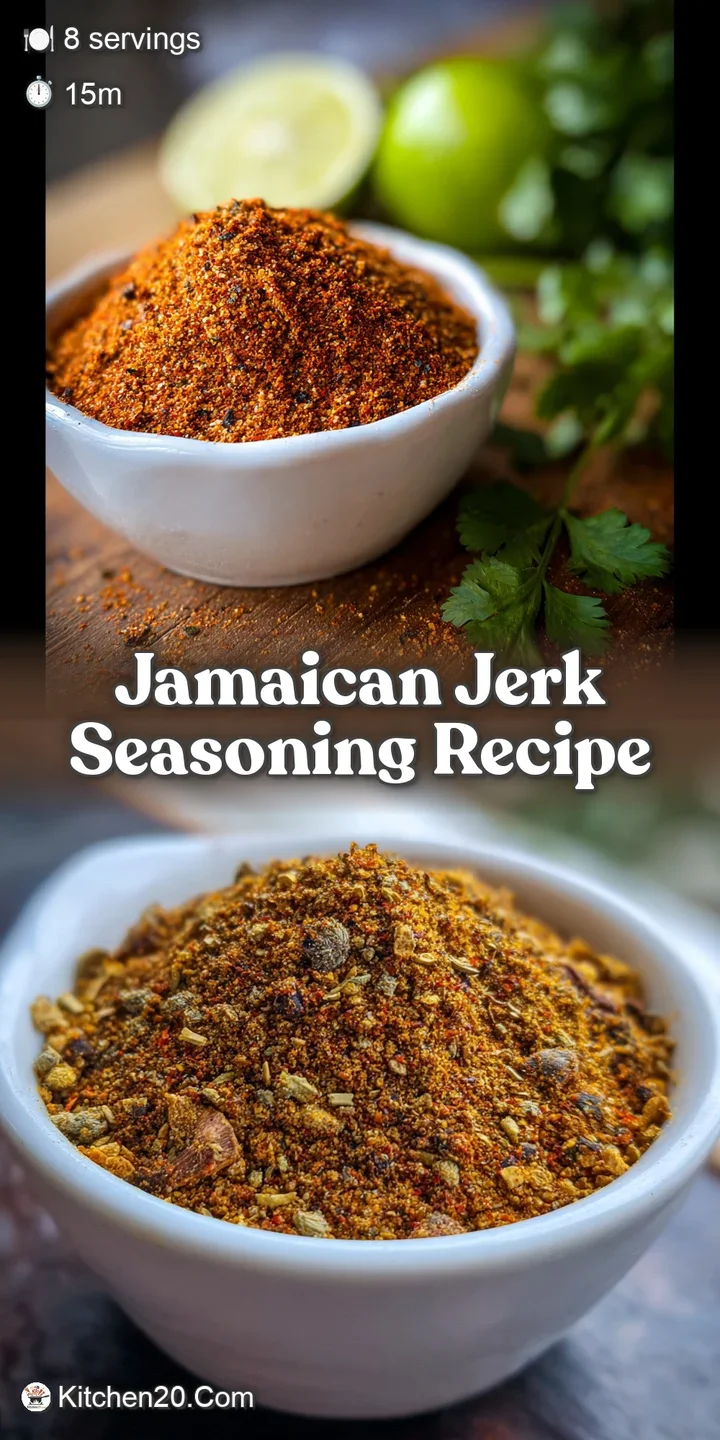
Add the 2 tbsp kosher salt and the packed 0.25 cup dark brown sugar. Use the back of a spoon to press out any sugar lumps until the mixture looks like damp sand.
7. Final Integration
Give the entire blend one final, vigorous stir to ensure the sugar is fully coated in spices.
8. Visual Presentation Strategy
- Simple
- A heavy dusting before grilling, resulting in a rustic, charred appearance.
- Polished
- Mix the rub with a little oil to create a lacquer that stays glossy on the meat.
- Restaurant
- Reserve a small amount of the dry rub to sprinkle over the finished, sliced meat for a fresh pop of color and texture.
| Plating Level | Visual Goal | Technique |
|---|---|---|
| Level 1: Simple | Authentic / Rustic | Heavy dry rub application; let it char |
| Level 2: Polished | Glossy / Uniform | Mix with oil; brush on during the last 10 minutes |
| Level 3: Restaurant | High Contrast | Use as a dry garnish over a wet glaze for texture |
Correcting Common Balance and Texture Issues
One of the biggest mistakes I see is people letting their brown sugar dry out. If your sugar has the consistency of a rock, don't just throw it in. The sugar needs to be soft so it can bind with the dry spices.
If your sugar is hard, put it in a bowl with a damp paper towel and microwave it for 15 seconds before mixing. This small step ensures the seasoning won't just fall off the meat the moment it hits the grill.
If the Heat is Overwhelming
Sometimes a specific batch of Scotch Bonnet powder is punchier than expected. If your tongue is sizzling uncomfortably, do not panic. You can temper the heat by increasing the bulk of the recipe with more onion and garlic powder, or by doubling the amount of brown sugar.
This creates a "jerk lite" version that maintains the soul of the recipe without the fire.
If the Sugar Clumps in Storage
Because we use dark brown sugar for its moisture and flavor, it tends to clump over time. This is normal. Before using, simply shake the jar vigorously or use a fork to break up the clusters. If it’s really stubborn, a quick pulse in a blender will restore the sandy texture we're looking for.
| Problem | Root Cause | Solution |
|---|---|---|
| Seasoning burns too quickly | Too much sugar or heat too high | Move meat to indirect heat; reduce sugar in next batch |
| Flavor is "dusty" | Spices are old or not toasted | Always toast whole berries; check spice expiration dates |
| Blend is too salty | Fine salt used instead of Kosher | Increase all other ingredients by 25% to dilute salt |
Common Mistakes Checklist ✓ Skipping the toasting phase (leads to a raw, bitter spice taste) ✓ Using pre ground allspice (results in a significant loss of aromatic depth) ✓ Over grinding into a fine powder (prevents the formation of a proper crust) ✓ Using light brown sugar
instead of dark (less molasses means less flavor and char) ✓ Forgetting to rub the dried thyme between your palms to activate the oils
Modifications for Various Dietary Preferences
If you are looking for a wet jerk seasoning recipe, simply take 4 tablespoons of this dry blend and mix it with a splash of soy sauce, lime juice, and a bit of neutral oil. This creates a thick paste that is perfect for marinating.
For those following a keto focused lifestyle, you can swap the dark brown sugar for a brown style erythritol or monk fruit sweetener. The flavor stays connected to the original, though the caramelization won't be quite as intense.
For a sodium reduced version, you can cut the kosher salt in half and increase the amount of onion powder and black pepper. The Scotch Bonnet heat usually does a great job of masking a lower salt content, so you won't feel like you're missing out on flavor. If you're into meat free options, this rub works beautifully on firm tofu or roasted cauliflower steaks. You can even use this technique to make a spicy snack, similar to the process in my Flavorful & recipe, substituting the beef for mushrooms or soy curls.
Chef's Tip: If you want a "smoky" jerk without a grill, add 1 tsp of smoked paprika to this blend. It’s not strictly heritage accurate, but it provides that wood fired illusion when cooking in a standard oven.
Preservation and Long Term Flavor Stability
Keep this blend in an airtight glass jar. I prefer using small mason jars because they create a tight seal that keeps the moisture from the brown sugar from escaping. Store it in a dark place away from the stove; heat is the enemy of spice oils.
It will stay fresh for about 6 months, though the Scotch Bonnet heat may mellow slightly after month three.
To reduce waste, don't toss the stems or leftover bits of whole spices that didn't quite grind down. You can throw those into a pot of rice and peas to infuse the cooking water with a subtle jerk aroma.
If you find you have a surplus of the blend, it makes an incredible rimming salt for a spicy margarita or a Bloody Mary. Just pulse it a little finer if you plan to use it for drinks so the sugar and salt are more uniform.
Pairing Strategies for Island Inspired Meals
This seasoning is the ultimate platform for poultry. For the most authentic experience, try applying this rub to my Oven Baked Jerk Chicken Recipe. The way the spices interact with the chicken skin under a broiler is nothing short of a revolution for your taste buds. It also pairs beautifully with starchy sides like fried plantains or a simple coconut rice, which help to reset your palate between those spicy bites.
For a Complete Island Feast
- Protein: Use on pork shoulder, whole snapper, or chicken thighs.
- Sides: Serve with coconut rice, kidney beans, and a vinegar based slaw to cut through the richness.
- Drink: A cold ginger beer or a lime heavy rum punch is the perfect connective tissue for this meal.
If you want X, do Y
- If you want a deeper crust, add an extra tablespoon of dark brown sugar.
- If you want a more floral aroma, double the amount of whole cloves and toast them carefully.
- If you want a "slow burn" heat, replace half the Scotch Bonnet with extra black pepper and red pepper flakes.
Kitchen Folklore and Misconceptions
There is a common myth that "jerk" just refers to the spice blend itself. In reality, "jerking" is a method of cooking that involves poking holes in the meat so the flavors can penetrate deeply.
The seasoning is only half the battle; the technique of making sure the spice actually gets inside the protein is what creates that signature depth.
Another misconception is that you need a specialized grill to get good results. While pimento wood smoke is the gold standard, you can achieve a very similar profile using this specific blend of whole toasted spices and high-quality Scotch Bonnet powder.
The "smoke" comes from the spices themselves when they hit the heat of the pan or grill, creating a sensory experience that rivals any roadside stand in Jamaica.
Chef's Tip: Freeze your whole allspice berries for 10 minutes before grinding. The cold prevents the oils from heating up too much during the grinding process, keeping the flavor "bright" and more potent.
Very High in Sodium
1475 mg mg of sodium per serving (64% % of daily value)
The American Heart Association recommends limiting sodium intake to about 2,300mg per day for optimal health.
Tips to Reduce Sodium in This Recipe
-
Reduce Kosher Salt-25%
Since kosher salt is the primary source of sodium, reduce the amount from 2 tbsp to 1 tbsp. This change alone will significantly lower the sodium content. Consider tasting and adding more later if needed.
-
Eliminate Kosher Salt-25%
Completely eliminate the 2 tbsp of kosher salt. Taste the final product and adjust other spices to compensate for the lack of salt. This offers the most drastic reduction.
-
Halve the Scotch Bonnet Powder-10%
While Scotch Bonnet powder doesn't contain sodium directly, reducing its amount to 1 tbsp will allow you to use other flavors more generously without adding salt. A less spicy profile can be more enjoyable without added sodium.
-
Make Your Own Garlic/Onion Powder-5%
While not contributing a huge amount of sodium, commercially produced garlic and onion powder may contain trace amounts. Making your own ensures purity and gives you more control. Dehydrate garlic/onion in an oven or dehydrator.
-
Boost Flavor with Herbs and Spices
Experiment with a wider variety of fresh and dried herbs and spices to enhance the overall flavor profile without relying on salt. Consider adding smoked paprika or cumin.
Recipe FAQs
What are the ingredients in Jamaican jerk seasoning?
Authentic jerk seasoning is a blend of whole toasted spices, Scotch Bonnet peppers, garlic, onion, thyme, and brown sugar. Key components include allspice berries (pimento), black peppercorns, cloves, dried thyme, garlic powder, onion powder, nutmeg, cinnamon, Scotch Bonnet powder, dark brown sugar, kosher salt, and crushed red pepper flakes.
Toasting the whole spices is crucial for unlocking their essential oils and creating the signature complex flavor.
What are the three main ingredients of jerk?
The three foundational ingredients of authentic jerk are allspice berries, Scotch Bonnet peppers, and thyme. Allspice provides the signature woodsy, aromatic base, while Scotch Bonnet delivers intense heat and fruity notes.
Thyme adds an essential earthy, herbal counterpoint, bringing complexity to the overall flavor profile.
What is a substitute for Jamaican jerk seasoning?
A good substitute can be made by combining cayenne pepper, paprika, garlic powder, onion powder, allspice, and a touch of brown sugar. While it won't perfectly replicate the depth of authentic jerk, this blend will offer a similar sweet, spicy, and smoky profile.
For a closer match, try to include habanero powder if Scotch Bonnet is unavailable.
How to use jerk seasoning powder?
Rub the powder generously onto meats, poultry, or firm vegetables at least 30 minutes before cooking. For deeper flavor penetration, marinate for several hours or overnight. This blend works exceptionally well for grilling, roasting, or pan-searing, creating a flavorful crust on the surface.
Can I make Jamaican jerk seasoning without whole spices?
Yes, but the flavor will be less complex and intense. Using pre-ground spices means you miss out on the essential oils released during the toasting process of whole spices.
While it will still taste like jerk, it won't have the same deep, nuanced, and aromatic qualities you achieve with whole, toasted ingredients.
How hot is authentic Jamaican jerk seasoning?
Authentic jerk seasoning is typically very hot due to the use of Scotch Bonnet peppers. These peppers have a Scoville rating of 100,000 350,000 SHU, delivering significant heat with fruity undertones.
The spice level can be adjusted by reducing the amount of Scotch Bonnet powder, but the characteristic intense heat is a hallmark of true jerk.
How should I store homemade Jamaican jerk seasoning?
Store homemade jerk seasoning in an airtight container in a cool, dark place for up to 6 months. An airtight glass jar is ideal, as it prevents moisture from degrading the spices and keeps the volatile oils from escaping.
Avoid storing it near heat sources like your stove to maintain maximum freshness and potency.
Jamaican Jerk Seasoning
Ingredients:
Instructions:
Nutrition Facts:
| Calories | 46 kcal |
|---|---|
| Protein | 0.8 g |
| Fat | 0.5 g |
| Carbs | 10.8 g |
| Fiber | 1.8 g |
| Sugar | 6.2 g |
| Sodium | 1475 mg |
