Lemon Chicken Orzo Soup
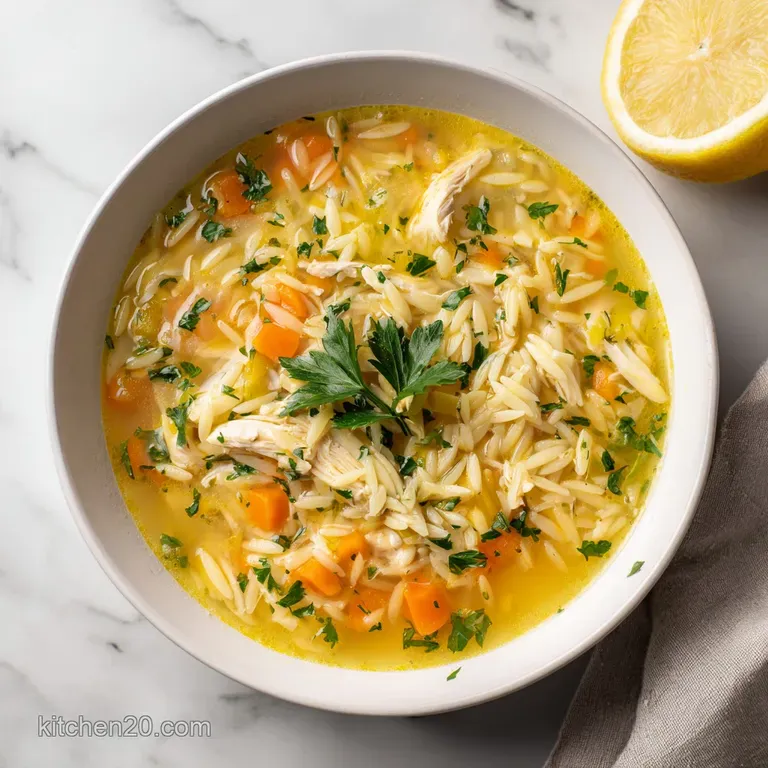
- Time: Active 15 minutes, Passive 25 minutes, Total 40 minutes
- Flavor/Texture Hook: Bright, zingy citrus meets silky, al dente pasta
- Perfect for: Rainy Tuesday nights or fighting off a winter chill
- Why You'll Love Lemon Chicken Orzo Soup
- The Physics of the Orzo Silkiness
- Designing the Flavor Profile and Recipe Specs
- Selecting Elements for Your Aromatic Base
- Essential Tools for a Silky Consistency
- Bringing Your Soup Together Step by Step
- Mastering Texture and Troubleshooting Common Pitfalls
- Smart Swaps and Flavor Variations
- Scaling the Recipe
- Preserving Freshness and Storage Guidelines
- Presentation Techniques and Plating Styles
- Serving Suggestions
- Kitchen Wisdom and Myths
- Recipe FAQs
- 📝 Recipe Card
Why You'll Love Lemon Chicken Orzo Soup
The first time I attempted this dish, I was looking for something that felt like a platform for healing. It was one of those damp, gray afternoons where the chill seems to settle in your bones.
I remember the sharp, clean aroma of the first lemon hitting the cutting board, cutting through the heavy smell of sautéing onions. It wasn't just cooking; it felt like I was revolutionizing my mood right there in the kitchen.
We often think of chicken soup as a heavy, long simmered affair, but this version is different it is connected to a sense of freshness and immediate gratification.
I’ve made the mistake of letting the orzo sit in the pot for hours, only to return to a thick, pasta heavy sludge. I learned the hard way that timing is everything. Now, I treat the orzo with the respect it deserves, cooking it just until it has that perfect bite.
This soup has become a staple in my house because it manages to be both light and incredibly filling. It’s the kind of meal you share with a friend who needs a pick me-up, connecting over steaming bowls and the bright pop of fresh dill.
We are going to move away from the heavy, salt laden canned versions and embrace something far more innovative. This isn't just about throwing things in a pot; it’s about understanding how the acidity of the lemon interacts with the savory chicken bone broth to create a balanced, restaurant quality experience at home.
You’ll find that the addition of turmeric doesn't just add a sunny hue; it provides a subtle earthiness that rounds out the sharp citrus notes beautifully.
The Physics of the Orzo Silkiness
Starch Emulsification: As the uncooked orzo simmers directly in the broth, it releases amylopectin starches that bind with the fats from the olive oil and chicken. This creates a naturally thickened, "creamy" mouthfeel without the need for dairy or flour based thickeners.
Citrus Volatility Control: Adding lemon juice at the very end prevents the heat from breaking down the bright citric acid into bitter compounds. This keeps the flavor profile sharp and refreshing rather than dull and cooked out.
Chef's Tip: Toast your dry orzo in the olive oil for 2 minutes before adding the broth. This creates a "nutty" barrier that helps the pasta maintain its structure and prevents it from becoming overly bloated.
Precision Checkpoints for Perfection
| Thickness | Internal Temp | Rest Time | Visual Cue |
|---|---|---|---|
| 1/2 inch (Carrots) | N/A | 0 mins | Knife slides through easily |
| 1 inch (Chicken) | 165°F | 5 mins | Opaque and juices run clear |
| Orzo Pasta | N/A | 2 mins | Center is firm but no longer white |
Designing the Flavor Profile and Recipe Specs
When we look at the components of this dish, we are essentially building a layered aromatic foundation. The base a classic mirepoix of onion, carrots, and celery is where the deep, savory notes live.
By using chicken bone broth instead of standard stock, we are connected to a higher protein content and a much richer body. The orzo acts as the vessel, absorbing the liquid until it’s plump and satisfying.
Component Analysis and Role
| Ingredient | Science Role | Pro Secret |
|---|---|---|
| Extra Virgin Olive Oil | Fat Medium | Use high-quality oil to carry the fat soluble flavor of the oregano. |
| Uncooked Orzo | Starch Source | Simmering in broth ensures every grain is seasoned from the inside out. |
| Chicken Bone Broth | Gelatin Base | Provides a velvety texture that standard "broth" simply cannot replicate. |
| Fresh Lemon Juice | Acid Balancer | Brightens the heavy fats and "wakes up" the duller notes of the poultry. |
One mistake I once made was using bottled lemon juice. Honestly, don't even bother. The bottled stuff has a metallic aftertaste that will ruin the delicate balance of the herbs. We want that fresh, zingy zing that only comes from a real lemon. If you are looking for a different spin on comfort, you might want to try my Chicken Noodle Soup recipe for a more traditional take on the classic.
Selecting Elements for Your Aromatic Base
Building a great soup starts with the quality of your elements. We aren't just looking for "ingredients"; we are looking for the best possible versions of them to ensure the final result is spectacular.
- 2 tbsp extra virgin olive oil: Why this? Provides the healthy fat necessary to sauté aromatics without burning. (Sub: Avocado oil)
- 1 large yellow onion, finely diced: Why this? Offers a sweet, foundational depth once translucent. (Sub: Shallots for a milder, sweeter flavor)
- 2 medium carrots, peeled and sliced into half moons: Why this? Adds texture and a natural sweetness to the broth. (Sub: Parsnips)
- 2 stalks celery, diced: Why this? Provides the "salty" aromatic backbone of the mirepoix. (Sub: Fennel for a licorice hint)
- 3 cloves garlic, minced: Why this? Adds an essential pungent punch to the base. (Sub: 1/2 tsp garlic powder)
- 1 lb boneless skinless chicken breasts: Why this? Lean protein that poaches quickly and shreds easily. (Sub: Boneless thighs for more moisture)
- 1 cup uncooked orzo pasta: Why this? The perfect size for a balanced spoonful with every bite. (Sub: Arborio rice for a gluten-free "soupy risotto" feel)
- 6 cups chicken bone broth: Why this? High gelatin content creates a superior, silky mouthfeel. (Sub: Low sodium vegetable broth)
- 1/4 cup freshly squeezed lemon juice: Why this? The star of the show; provides essential acidity. (Sub: Lime juice for a tropical twist)
- 1 tbsp lemon zest: Why this? Contains essential oils that give a deeper citrus aroma. (Sub: Dried lemon peel)
- 1 tsp dried oregano: Why this? Provides a classic Mediterranean herbal note. (Sub: Fresh thyme)
- 1/2 tsp turmeric: Why this? Mostly for the golden glow and subtle anti inflammatory benefits. (Sub: Saffron threads)
- 1/4 cup fresh dill or parsley, chopped: Why this? A final burst of "grassy" freshness to finish. (Sub: Fresh cilantro)
- 1 tsp salt and 1/2 tsp cracked black pepper: Why this? To amplify all the other flavors. (Sub: Sea salt)
Essential Tools for a Silky Consistency
You don't need a kitchen full of high tech gadgets, but a few specific items will make your life much easier. I prefer a heavy bottomed pot, like a 6 quart Dutch oven (Lodge is a great affordable choice), because it distributes heat evenly.
This prevents the onions from scorching while you’re prepping the other vegetables.
A microplane zester is also a must have here. It allows you to get that fine lemon zest without hitting the bitter white pith. If you're using a standard box grater, just be careful not to press too hard.
You’ll also want a sharp chef's knife for those carrots uniform shapes aren't just for looks; they ensure everything cooks at the same rate.
- Heavy bottomed pot (Dutch oven): Essential for even heat and preventing bottom scorching.
- Microplane or fine zester: For extracting lemon oils without the bitter pith.
- Sharp Chef's Knife: For precise dicing of the mirepoix.
- Citrus Press: To get every last drop of juice without the seeds.
Bringing Your Soup Together step-by-step
- Heat the extra virgin olive oil in your Dutch oven over medium heat until it shimmers.
- Add the onion, carrots, and celery to the pot. Note: This is your mirepoix foundation.
- Sauté for about 6 to 8 minutes until the onions are translucent and fragrant.
- Stir in the minced garlic, dried oregano, and turmeric. Note: Toasting spices in oil "blooms" their flavor.
- Pour in the 6 cups of chicken bone broth and bring the mixture to a gentle, rolling boil.
- Add the whole chicken breasts and the uncooked orzo pasta to the boiling broth.
- Reduce heat to a simmer and cook for 10 to 12 minutes until the orzo is al dente and the chicken is opaque.
- Remove the chicken breasts to a plate and shred them using two forks. Note: Shredding against the grain makes for more tender bites.
- Return the shredded chicken to the pot and stir in the lemon juice and lemon zest.
- Remove from heat and stir in the fresh dill and parsley until the greens wilt slightly.
Comparison: Fast vs Classic Methods
| Feature | Fast (Rotisserie) | Classic (This Recipe) |
|---|---|---|
| Prep Time | 5 minutes | 15 minutes |
| Flavor Depth | Salty/Savory | Balanced/Aromatic |
| Meat Texture | Often dry | Juicy/Tender |
Mastering Texture and Troubleshooting Common Pitfalls
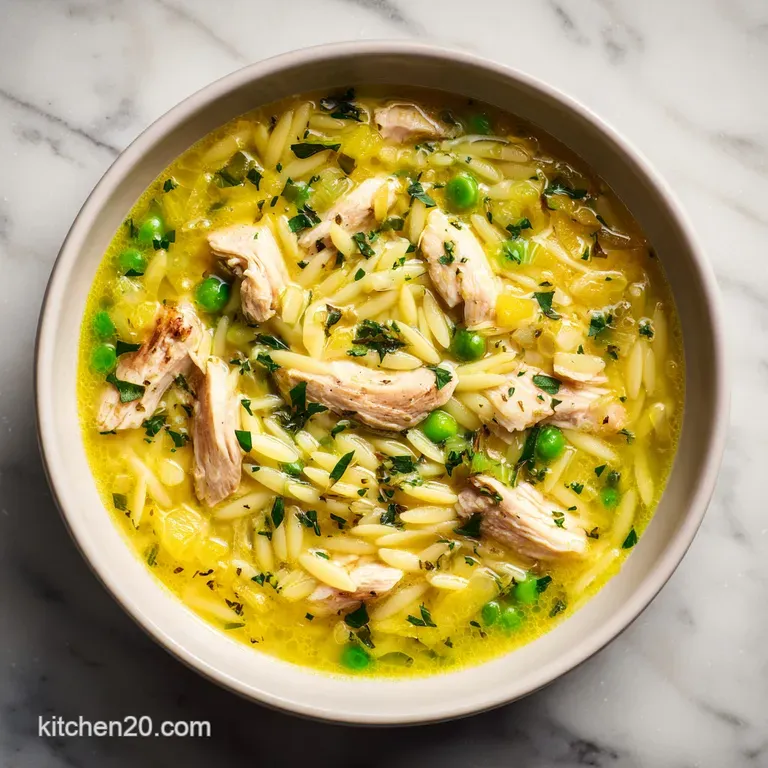
But what about the sogginess? We'll get to that. The biggest hurdle with any orzo soup is the pasta's tendency to act like a sponge. If you leave it on the heat too long, it will continue to drink up the broth until you have a casserole instead of a soup.
Why Your Soup Disappeared
The orzo is essentially a tiny sponge made of flour. If the soup is kept at a simmer for even five minutes too long, the starch granules burst, and the liquid is absorbed into the pasta. This is why we add the orzo and chicken at the same time and pull it off the heat the second the pasta is tender.
| Problem | Root Cause | Solution |
|---|---|---|
| Mushy Orzo | Overcooking or sitting in hot broth too long | Cook 1 min less than package; serve immediately or store pasta separately |
| Bitter Aftertaste | Zested too deep into the white pith | Use a light touch with the microplane; add a pinch of sugar to balance |
| Bland Broth | Under seasoning or low quality stock | Add a splash more lemon or a pinch of salt; use bone broth next time |
Common Mistakes Checklist
- ✓ Pat the chicken dry if you decide to sear it first (prevents steaming).
- ✓ Don't skip the lemon zest; the juice provides the tartness, but the zest provides the aroma.
- ✓ Stop the cooking process as soon as the orzo has a slight "bite" (it will continue to soften in the residual heat).
- ✓ Always use fresh herbs at the very end to keep their color and flavor "bright."
- ✓ If the soup gets too thick after sitting, add 1/2 cup of broth when reheating to restore the consistency.
Smart Swaps and Flavor Variations
If you're looking to revolutionize this dish for a specific diet or craving, it’s quite simple. For a Greek Lemon Chicken Orzo Soup vibe, you can use the Avgolemono technique. This involves whisking two eggs with the lemon juice and slowly tempering them with a ladle of hot broth before adding the mixture back to the pot. This creates a much richer, opaque, and creamy result similar to a Classic Greek Avgolemono Soup recipe.
Decision Shortcut
- If you want it Creamier: Temper 2 eggs with the lemon juice before adding to the pot.
- If you want it Lower Carb: Swap orzo for riced cauliflower (add in the last 3 minutes).
- If you want it Spicier: Add a pinch of red pepper flakes with the garlic.
| Original Ingredient | Substitute | Why It Works |
|---|---|---|
| Orzo (1 cup) | Arborio Rice (3/4 cup) | Similar starch release but gluten-free. Note: Cook time increases by 8 mins |
| Chicken Breast (1 lb) | Chickpeas (2 cans) | Great plant based protein. Note: Adds a nutty flavor and grainier texture |
Scaling the Recipe
If you are cooking for a crowd or just for yourself, adjusting this recipe is straightforward.
Scaling Down (2-3 servings): Cut all ingredients in half. Use a smaller 3 quart pot. The cook time for the chicken and orzo remains roughly the same, but the aromatics will sauté faster (about 4-5 minutes).
Scaling Up (10-12 servings): Double the recipe, but be careful with the spices. Increase the salt and turmeric by 1.5x rather than a full 2x, then taste and adjust. You will need a large stockpot (8-10 quarts).
If the pot is crowded, the orzo may take an extra 2-3 minutes to reach al dente.
Preserving Freshness and Storage Guidelines
Storage: This soup will keep in the fridge for up to 3 days. However, be prepared the orzo will continue to absorb liquid. You will likely need to add a splash of water or extra broth when reheating.
Freezing: I don't recommend freezing the soup with the orzo in it. The pasta becomes quite mushy upon thawing. If you want to meal prep, freeze the broth, veggies, and chicken together, then cook fresh orzo when you are ready to eat.
Zero Waste Tip: Don't throw away those lemon halves after squeezing! Toss them into a jar with white vinegar for a natural kitchen cleaner, or use the rinds to "scrub" your wooden cutting boards with a bit of salt to deodorize them.
Presentation Techniques and Plating Styles
Plating is where we can really show off our innovative side. How you present this soup changes the entire "vibe" of the meal.
Plating Level Comparison
| Level | Tweak | Visual Impact |
|---|---|---|
| Simple | Deep bowl, large ladle | Comforting, rustic look |
| Polished | Shallow rimmed bowl, micro dill | Modern and clean |
| Restaurant | Herb oil drizzle, toasted orzo garnish | High contrast, professional |
The Simple Approach: Fill a large, warm ceramic bowl. Don't worry about being too neat. Add a heavy crack of black pepper and a generous handful of chopped parsley. This is for the nights when you just want to get to the "eating" part.
The Polished Approach: Use a wide, shallow rimmed bowl. Carefully ladle the soup into the center, ensuring a good mix of chicken, carrots, and orzo is visible above the broth. Place a single, beautiful sprig of fresh dill right in the center and a thin wheel of lemon floating on top.
The Restaurant Approach: Before adding the herbs to the pot, blend a few tablespoons of olive oil with a handful of parsley until you have a bright green oil. Strain it. Place a small mound of the shredded chicken and orzo in the center of the bowl using a ring mold. Carefully pour the broth around it.
Drizzle the green herb oil in a circle and top with a few flakes of Maldon sea salt.
Serving Suggestions
This soup is a complete meal on its own, but it’s even better when paired with the right sides. I love serving this with a crusty piece of sourdough to soak up every last drop of the lemony broth.
If you’re feeling like a Mediterranean feast, a simple cucumber and tomato salad with feta and kalamata olives provides a nice cold crunch against the warm soup. Another great option is a side of roasted asparagus or even a Creamy Dreamy Homemade recipe if you're hosting a multi course dinner and want to follow the soup with a heavier pasta.
Kitchen Wisdom and Myths
Let's clear up a few things that might be holding your soup game back.
Myth: You must sear the chicken first to lock in juices. Searing does not "seal" anything. In a soup, poaching the chicken directly in the broth at a low simmer is actually the best way to keep it succulent.
over High heat searing can sometimes make the outer layer of the breast tough before the inside is cooked.
Myth: Lemon juice should be boiled with the broth. If you boil lemon juice for an extended period, the bright, volatile flavor compounds evaporate, leaving behind only the harsh acidity. Always add your citrus at the "finish line" for that revolutionizing pop of flavor.
This Lemon Chicken Orzo Soup is more than just a recipe; it’s a tool for connection and a platform for better weeknight eating. Trust the process, watch your orzo timing, and don't skimp on the fresh herbs. Happy cooking!

Recipe FAQs
What ingredients are essential for Lemon Chicken Orzo Soup?
Chicken, orzo pasta, chicken bone broth, fresh lemon juice, and aromatics like onion and carrot are essential. The chicken provides protein, while the orzo releases starch to naturally thicken the broth, eliminating the need for heavy cream.
Is lemon orzo soup considered healthy?
Generally, yes, it is a nutritious choice. This recipe focuses on lean protein and vegetables, relying on starch for texture instead of heavy cream or butter. Adding fresh lemon boosts Vitamin C and brightens the overall profile.
What is lemon chicken orzo soup commonly called?
It is often called Avgolemono, or a variation thereof. While traditional Greek Avgolemono relies on an egg-lemon emulsion for creaminess, this version is a simpler, weeknight friendly take on that bright, citrus infused chicken soup concept.
What pairs well with lemon chicken orzo soup?
Crusty bread for dipping or a crisp, fresh salad are excellent pairings. The soup is light enough that it complements sides well without being overwhelming. For something heartier, try pairing it with a side of Fiery Cajun Shrimp recipe if you want to add a contrasting spice element.
How do I prevent the orzo from turning mushy when reheating leftovers?
Always store the cooked soup loosely covered and add liquid when reheating. The orzo continues to absorb broth even after cooling; add an extra half cup of water or stock to restore the desired soup consistency before serving.
How do I achieve a naturally creamy texture without adding dairy?
Cook the uncooked orzo directly in the broth and do not overcook it. As the orzo simmers, the starches release and naturally bind with the chicken fats, emulsifying the liquid into a velvety sauce. Mastering this starch release principle is also key to our Quick Avocado Pasta Sauce recipe.
What is the key to keeping the lemon flavor bright and not bitter?
Add the fresh lemon juice and zest only after removing the pot from the heat. Boiling citrus for too long degrades the delicate aromatic oils and acidic brightness, leaving a dull, sometimes bitter taste behind.
Lemon Chicken Orzo Soup
Ingredients:
Instructions:
Nutrition Facts:
| Calories | 352 kcal |
|---|---|
| Protein | 36 g |
| Fat | 8.5 g |
| Carbs | 31 g |
| Fiber | 2.8 g |
| Sugar | 3.2 g |
| Sodium | 780 mg |
