Lemonade: Zesty and Crystalline
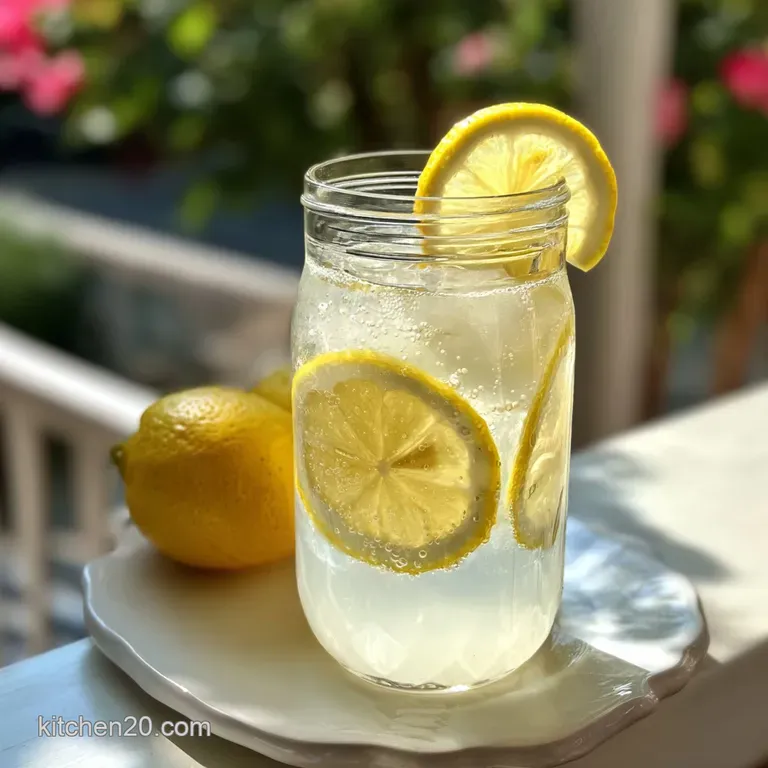
- Time: Active 15 minutes, Passive 5 minutes, Total 20 minutes
- Flavor/Texture Hook: Zesty, crystalline, and perfectly balanced
- Perfect for: Backyard gatherings or a cooling afternoon pick me-up
- Crafting The Best Refreshing Homemade Lemonade
- Why Cold Pressed Citrus Always Wins
- Essential Recipe Specifications
- Sourcing Your Bright Citrus Elements
- Necessary Tools For Liquid Gold
- Mastering The Perfect Pour
- Fixing Common Flavor Imbalances
- Smart Variations And Substitutions
- Keeping Your Batch Refreshing
- Visual Strategy And Color Balance
- Myths About Citrus Preparation
- Recipe FAQs
- 📝 Recipe Card
Crafting The Best Refreshing Homemade Lemonade
Have you ever noticed how the scent of a freshly sliced lemon seems to cut right through the heaviest summer afternoon? I remember the first time I actually tried to make lemonade from scratch instead of reaching for that yellow powder in the pantry. The kitchen transformed instantly.
As I peeled the zest in wide, bright strips, the tiny bursts of citrus oil coated my fingers, smelling like pure sunshine and making the whole house feel alive.
It was a total revelation for my afternoon routine. I used to think the secret was just more sugar, but I was wrong. The real magic happens when those aromatic oils from the peel meet a warm syrup, creating a depth that you simply cannot get from juice alone.
This method is all about connecting with the ingredients to create a flavor platform that feels sophisticated yet entirely approachable.
We've all had those cloyingly sweet versions that leave a film on your tongue, right? Honestly, don't even bother with that. This version is about crispness and clarity. We are revolutionizing the way you think about a basic drink by focusing on the color balance and the science of the sip.
You'll get that bracing zing followed by a clean, shimmering sweetness that feels like a total win.
Why Cold Pressed Citrus Always Wins
Oleosaccharum Extraction: Hot water pulls essential oils from the lemon zest strips into the sugar, creating a complex citrus base that juice alone lacks.
Molecular Dissolution: Creating a simple syrup ensures the sugar is fully integrated, preventing that gritty, undissolved sediment often found in rushed recipes.
| Method | Time | Flavor Depth | Best For |
|---|---|---|---|
| Classic Infused | 20 minutes | High (aromatic oils) | Weekend entertaining |
| Fast Mix | 5 minutes | Low (just acid) | Immediate cravings |
| Cold Steep | 2 hours | Medium | Maximum clarity |
Choosing the classic infused method provides a much more connective experience with your ingredients. While the fast mix is tempting when you're in a hurry, the aromatic depth from the zest strips is what truly sets this apart from basic recipes.
Essential Recipe Specifications
Creating a consistent drink requires a bit of precision so it doesn't end up tasting like watery citrus. I’ve found that using filtered water is a non negotiable step if you want that crystalline look and a clean taste that doesn't compete with the lemon. If you're looking for a twist on this vibe, you might also enjoy the floral notes in my Recipe Ros Lemonade.
| Ingredient | Science Role | Pro Secret |
|---|---|---|
| Granulated Sugar | Sweetness & Viscosity | Rub zest into sugar first |
| Fresh Lemon Juice | Acidic Backbone | Use room temp lemons for more juice |
| Lemon Zest Strips | Aromatic Complexity | Avoid the white pith for zero bitterness |
| Filtered Water | Dilution Neutrality | Cold water preserves the bright "zing" |
The sugar doesn't just provide sweetness; it actually adds body to the liquid. Without it, the drink feels thin and lacks that velvety mouthfeel that characterizes a professional grade refreshment.
Sourcing Your Bright Citrus Elements
- Granulated Sugar (1 cup): Provides the essential sweetness to balance the acid. Why this? Dissolves cleanly into syrup without altering the lemon's color profile.
- Substitute: Honey (3/4 cup), but it will add a distinct floral, earthy note.
- Filtered Water (1 cup for syrup, 5 cups for dilution): The canvas for your flavors. Why this? Removes chlorine tastes that can dull the bright citrus notes.
- Substitute: Sparkling water for the 5 cup dilution if you want a fizzy spritz.
- Lemon Zest (from 2 large lemons): The source of aromatic oils. Why this? Contains limonene, which provides that "freshly squeezed" scent.
- Substitute: 1/2 teaspoon lemon extract (though the flavor is less nuanced).
- Fresh Lemon Juice (1.5 cups): The primary acid source. Why this? Bottled juice has preservatives that create a metallic aftertaste.
- Substitute: Lime juice for a zesty, tropical limeade variation.
- Lemon Slices & Mint Sprigs: For garnish and color balance.
Necessary Tools For Liquid Gold
You don't need a high tech platform to make this, but a few specific tools make the process much smoother. A sturdy citrus press is a total life changer if you’re doing 1.5 cups of juice; your wrists will thank you.
I also recommend a vegetable peeler that can take off wide strips of zest without digging into the bitter white pith.
A small saucepan is necessary for the syrup, and a fine mesh strainer ensures your final drink is silky and free of stray seeds or zest bits. If you happen to be making a batch for a crowd, a large glass pitcher is the best way to showcase the color balance we’re aiming for.
Mastering The Perfect Pour
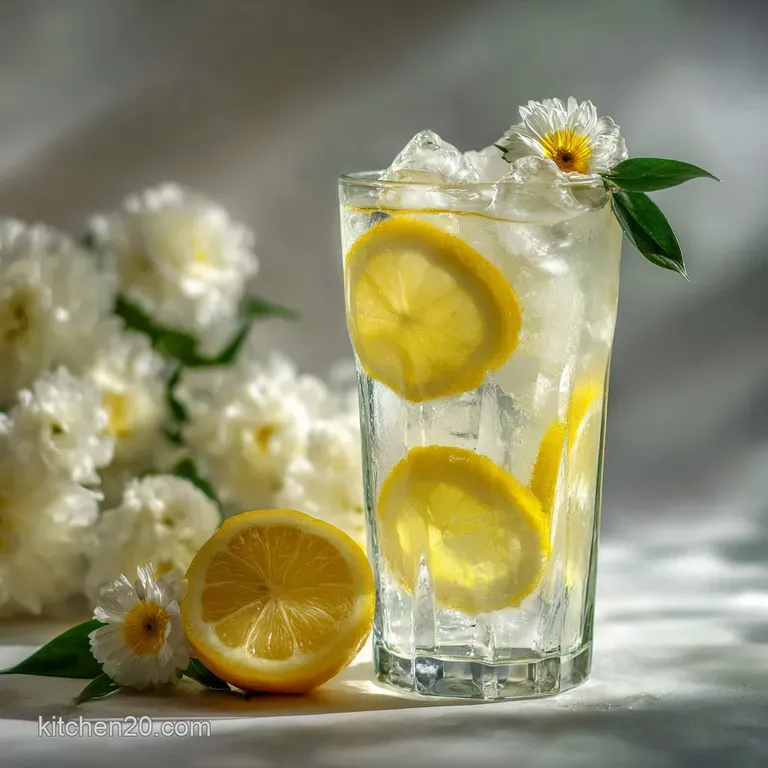
Step 1: Craft the Aromatic Syrup
Combine 1 cup sugar, 1 cup filtered water, and the wide strips of lemon zest in a small saucepan. Note: Heating the zest with the sugar helps "bloom" the citrus oils.
Step 2: Simmer and Dissolve
Heat over medium until the liquid is clear and the sugar is fully dissolved. This usually takes about 5 minutes.
Step 3: Steep the Aromatics
Remove the pan from the heat and let it sit for 10 minutes. Note: This passive time allows the oils to fully infuse into the syrup.
Step 4: Extract the Juice
Press your lemons until you have exactly 1.5 cups of juice. Use a strainer to catch any stray pulp or seeds.
Step 5: The Final Composition
In a large pitcher, combine the lemon juice with the 5 cups of cold filtered water.
Step 6: Integrate the Syrup
Pour the cooled, strained zest syrup into the pitcher and stir well until the mixture is shimmering and uniform.
Step 7: Chilling and Serving
Add ice cubes to individual glasses rather than the pitcher to prevent dilution.
Step 8: Apply the Garnish
Place a lemon round and a slapped mint sprig into each glass until the aroma of mint hits your nose.
Fixing Common Flavor Imbalances
To Fix Excessive Bitterness
If your drink tastes slightly metallic or bitter, it’s usually because the zest strips had too much white pith attached. The pith contains alkaloids that don't play well with sugar. You can counter this by adding a tiny pinch of salt, which suppresses bitter receptors on your tongue.
To Avoid Watered Down Lemonade
The biggest mistake I once made was adding ice directly to the pitcher. As it melts, your carefully balanced ratios are destroyed. If you want to keep things light and healthy, my Healthy SugarFree Keto recipe uses similar logic to keep the flavor concentrated even when served over ice.
| Problem | Root Cause | Solution |
|---|---|---|
| Too Tart | Low sugar ratio | Add 2 tbsp of syrup at a time |
| Drip flat flavor | No zest oils | Rub zest into sugar before simmering |
| Cloudy Liquid | Hard water usage | Use filtered water for crystalline clarity |
Common Mistakes Checklist
- ✓ Never use bottled lemon juice - the flavor is flat and artificial.
- ✓ Avoid boiling the syrup too long, or it will turn into a thick caramel.
- ✓ Always "slap" your mint sprigs between your palms before garnishing to release the scent.
- ✓ Ensure the syrup is cooled before mixing to keep the juice tasting fresh, not "cooked."
Smart Variations And Substitutions
If you want to move away from the classic profile, you can easily pivot this recipe. For a more indulgent, creamy version, you should check out the Whipped Pink Lemonade recipe. It uses a similar citrus base but adds a velvety texture that is perfect for dessert.
For a Sparkling Summer Spritz
Replace the 5 cups of still water with 5 cups of chilled club soda or sparkling mineral water. Add the bubbles just before serving to ensure the carbonation stays active. It creates a beautiful, dancing effervescence that looks great in tall glasses.
For a Refined sugar-free Option
You can swap the granulated sugar for an erythritol or monk fruit blend. Keep in mind that some sugar alternatives can have a cooling aftertaste, so you might need to increase the lemon zest to compensate for the change in flavor profile.
Keeping Your Batch Refreshing
Storage: You can keep the finished drink in the fridge for up to 5 days. However, for the best flavor, store the lemon juice and the simple syrup separately in airtight jars. Mix them with water just before you’re ready to serve to keep the citrus notes from oxidizing.
Zero Waste: Don't toss those squeezed lemon halves! Put them in a bowl in your fridge to neutralize odors, or throw them into your garbage disposal with some ice cubes and run it for a few seconds to refresh the scent.
You can also use the leftover zest strips from the syrup toss them in a bit of extra sugar and let them dry for a quick candied snack.
Visual Strategy And Color Balance
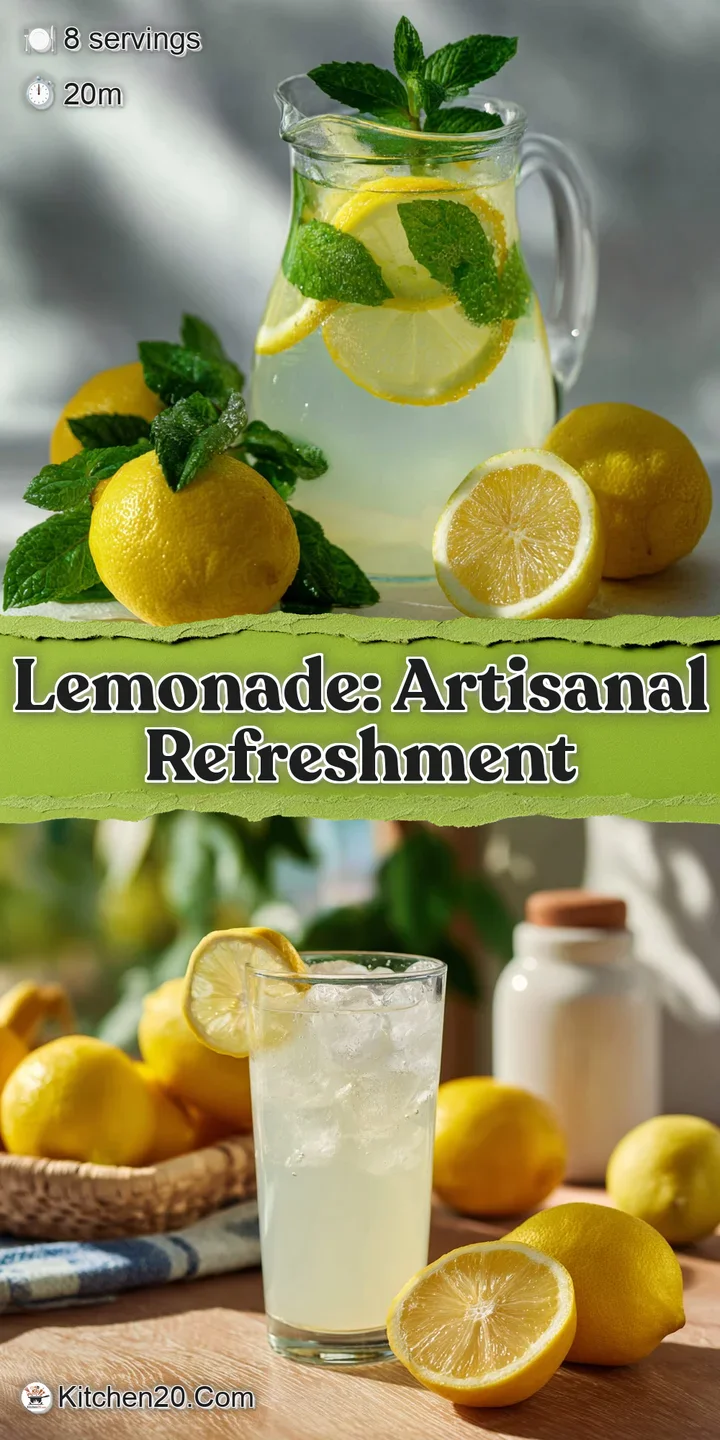
To really make this drink feel like an innovative experience, you need to focus on the garnish strategy. I like to use a three color accent rule to ensure the presentation is as good as the taste.
- Primary Accent (Sunny Yellow): Thinly sliced lemon rounds placed vertically against the side of the glass.
- Secondary Accent (Emerald Green): A fresh sprig of mint. The green against the yellow creates a classic, high contrast look that feels bracing.
- Jewel Accent (Optional): A single raspberry or a blackberry dropped at the bottom. It adds a tiny pop of deep color that moves with the ice.
If you love the flavor profile of lemons but want something you can bite into, my Super Lemon Bars recipe is the ultimate companion for a pitcher of this lemonade.
Myths About Citrus Preparation
Rolling lemons on the counter with a lot of pressure doesn't actually create more juice. While it might make the lemon feel softer, the amount of juice inside the cells remains the same.
You're better off microwaving the lemon for about 10 seconds, which helps break down the internal membranes and makes extraction much easier.
Another common misconception is that you need to boil the syrup for a long time to "concentrate" it. In reality, you only need to reach a simmer to dissolve the sugar and extract the zest oils.
Over boiling leads to a heavy, syrupy consistency that makes the lemonade feel thick and cloying rather than light and refreshing. It's about a quick infusion, not a long reduction.
Scaling this for a crowd is simple, but don't just double everything blindly. When making a 4x batch, I usually only increase the sugar and lemon juice by 3.5x and then adjust to taste. Sometimes, the intensity of a large volume of lemon can become overwhelming if the sugar is matched exactly.
Use a large beverage dispenser and keep the ice in a separate bucket to prevent the "watered down" effect over several hours.
Recipe FAQs
What are the 7 steps of making lemonade?
Yes, here are the key steps: Combine sugar, water, and zest for syrup. Heat to dissolve sugar, then steep zest. Extract lemon juice. Combine juice and additional water in a pitcher. Add cooled syrup and stir. Chill thoroughly before serving. Garnish with lemon and mint.
How do you make lemonade at home?
Start by making an aromatic syrup: Combine 1 cup sugar, 1 cup water, and lemon zest strips in a saucepan. Heat until sugar dissolves, then let it steep off the heat. Extract 1.5 cups of fresh lemon juice. Combine the juice with 5 cups of cold water, then stir in the cooled syrup. Serve over ice.
How to make lemonade in 4 steps?
Yes, you can simplify: First, make a quick simple syrup by heating equal parts sugar and water until dissolved, then remove from heat and stir in lemon zest for 5 minutes. Second, juice your lemons to get about 1.5 cups of juice. Third, combine the juice and 5 cups of cold water in a pitcher.
Fourth, stir in the cooled zest infused syrup.
What's the secret to perfect lemonade?
The secret is infusing the syrup with lemon zest: This technique, called oleosaccharum extraction, captures aromatic oils from the zest that juice alone can't provide. If you enjoyed mastering flavor balancing here, see how the same principle applies to achieving a perfect sweet tart profile in our Easy Homemade Peach Cobbler Recipe with Fluffy Biscuit Topping.
Can I use bottled lemon juice?
No, stick with fresh. Bottled lemon juice often contains preservatives that can create a metallic or flat aftertaste, detracting from the bright, clean flavor you want in homemade lemonade.
How long does homemade lemonade last?
Up to 5 days in the refrigerator, but best stored separately. For optimal freshness, keep the lemon juice and simple syrup in airtight containers, then combine with water and ice just before serving to prevent flavor degradation.
What's the best sugar for lemonade?
Granulated sugar is ideal. It dissolves cleanly into the syrup and provides the perfect balance of sweetness without altering the vibrant lemon color. If you're interested in a different tangy beverage, explore the unique flavor profile of our Cane's Sauce: My Foolproof Copycat Recipe.
Lemonade

Ingredients:
Instructions:
Nutrition Facts:
| Calories | 109 kcal |
|---|---|
| Protein | 0.2 g |
| Fat | 0.1 g |
| Carbs | 28.7 g |
| Fiber | 0.2 g |
| Sugar | 26.1 g |
| Sodium | 2 mg |
