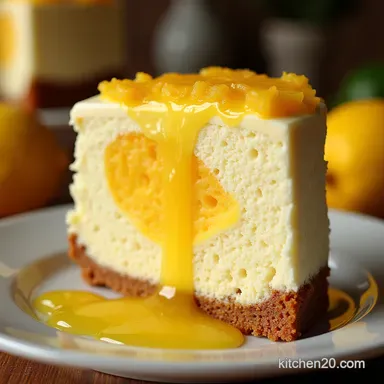
Sunshine Swirl the Ultimate Lemon Cream Cheese Layer Cake
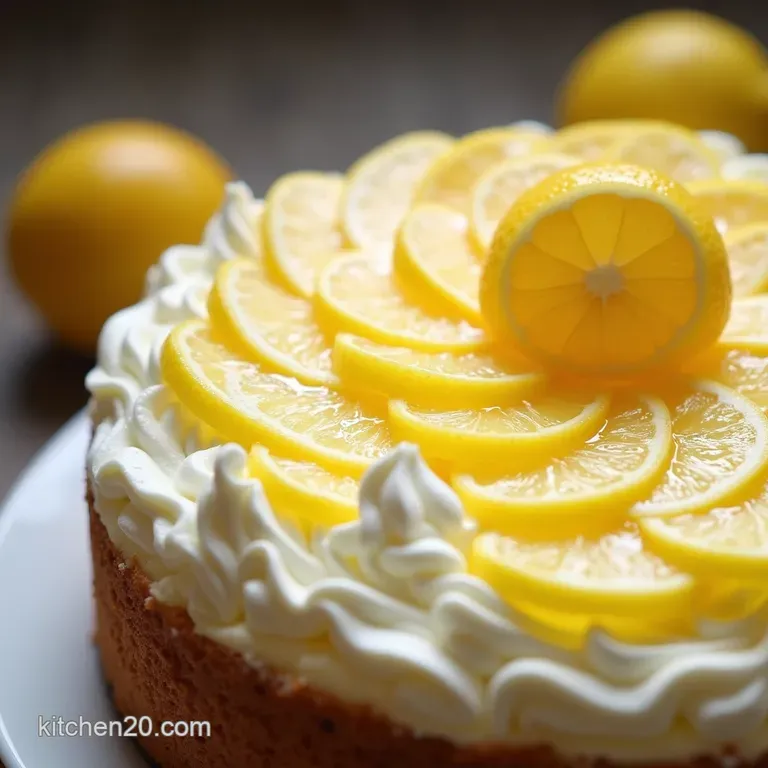
- The Grand Unveiling: Why This Lemon Cheesecake Cake Redefines Dessert
- The Alchemy of Tang and Texture: What Makes This Recipe Exceptional
- Gathering the Essentials for Your Lemon Swirl Masterpiece
- Phase One: Crafting the Moist Lemon Sponge Layers
- Phase Two: Perfecting the Baked Cheesecake Core
- The Art of Assembly: Constructing Your Lemon Cheesecake Cake
- Elevating Your Bake: Pro Tips and Creative Twists
- Recipe FAQs
- 📝 Recipe Card
The Grand Unveiling: Why This Lemon Cheesecake Cake Redefines Dessert
There are desserts that satisfy a craving, and then there are desserts that fundamentally change how you view baking possibilities. Our Sunshine Swirl: The Ultimate Lemon & Cream Cheese Layer Cake falls squarely into the latter category.
This creation isn't merely a cake with a cream cheese frosting; it’s a sophisticated layering of two beloved classics: a vibrant, intensely moist Lemon Cake Easy sponge and a dense, velvety baked cheesecake core.
Forget the dilemma of choosing between a towering layer cake experience and the satisfying density of a proper New York-style cheesecake, this Lemon Cheesecake Cake Recipe delivers the harmonious fusion of both in one magnificent slice.
It’s a dessert designed to be the absolute showstopper at any gathering, instantly recognizable by its stunning visual contrast and its bright, tangy finish.
The Alchemy of Tang and Texture: What Makes This Recipe Exceptional
What elevates this particular bake from a mere novelty to a truly memorable Lemon Cheesecake Cake ? It lies entirely in the precision of the components and how they interact. We aren't compromising on flavour or texture in either half of this creation.
The lemon cake is engineered for supreme moisture, while the cheesecake element provides that signature creamy mouthfeel that defines the best Cheesecake Cake Recipes .
A Perfect Pairing: Bridging Sponge Cake Fluffiness with Cheesecake Density
The magic happens when the fluffy, aerated structure of the Lemon Sponge Cake meets the rich, compact texture of the baked filling. The cake base offers lightness and lift, perfumed deeply with fresh lemon zest, which prevents the overall experience from becoming too heavy.
Contrast this with the centre, a baked layer utilizing full-fat cream cheese, stabilized just enough with cornstarch and eggs to retain its form while remaining beautifully silken. This combination ensures that every forkful offers a complex textural journey.
Setting the Stage: Your First Look at This Stunning Centerpiece
This recipe demands attention to detail, but the results, yielded for 10 to 12 generous slices, are truly worth the effort. While the total time commitment stretches to about six hours, remember that the majority of that is inactive cooling and chilling time.
With a dedicated 45 minutes of active prep, you are well on your way to constructing this dream. It truly feels like an accomplishment when you finally slice into that perfect swirl.
Demystifying the Dream: Achievability for the Everyday Baker
While the combination sounds intimidating, especially with the water bath requirement, the difficulty level lands comfortably in the "Medium" range. Each element, making the cake batter and preparing the Lemon Cheesecake Filling —is straightforward when approached methodically.
The critical factor is mastering the layering technique and understanding the gentle heat required for the cheesecake section to set without cracking, which we will explore in detail later.
Gathering the Essentials for Your Lemon Swirl Masterpiece
To achieve the perfect balance of moistness and structure necessary for this dual dessert, gathering high-quality components is step one. We need ingredients that sing with fresh flavour and possess the right fat content for optimal texture.
The Zesty Foundation: Sourcing Superior Lemon Components
The success of any Lemon Cheesecake Recipes hinge on the brightness of the citrus. For the cake layers, we call for the zest of two large, unblemished lemons, aim for about 2 tablespoons, ensuring you only collect the bright yellow skin, avoiding the bitter white pith.
This zest infuses the butter during creaming, releasing oils that permeate the crumb. Couple this zest with ¼ cup of freshly squeezed lemon juice for the cake, and an additional 2 tablespoons for the filling, to create that signature tang.
Cream Cheese Calibration: Ensuring Ultimate Smoothness
For the decadent core, you must use 450g (two standard blocks) of full-fat cream cheese. It is absolutely non-negotiable that this cheese, along with the two large eggs required for the filling, be brought fully to room temperature.
Cold cream cheese leads to lumpy batter, which defeats the purpose of a silky Lemon Cheesecake Filling .
Beyond the Basics: Specialty Items for the Perfect Layer Structure
Beyond the standard pantry staples like flour (300g) and sugar (a total of 500g split between the cake and filling), we incorporate two specific items for structural integrity. One teaspoon of vanilla extract rounds out the cake flavours, while one tablespoon of cornstarch is crucial for stabilizing the cheesecake mixture, ensuring it sets beautifully alongside the cake during baking.
For the cake, 170g of softened unsalted butter provides the necessary richness for a wonderfully tender crumb.
Related Recipes Worth Trying
- The Ultimate Summer Sipper Fresh Peach Lemonade — Whip up this Homemade Peach Lemonade using fresh fruit for a dazzling summer refresher Its dangerously easy and miles better than the storebought stuff
- Best Blueberry Bread Pudding with Lemon Crème Anglaise — Transform stale bread into the Best Blueberry Bread Pudding Recipe crowned with a tangy Lemon Crème Anglaise A truly comforting classic perfect for any occasion
- Zesty Chickpea Beet Feta Salad with Lemon Vinaigrette — This vibrant Chickpea Beet Feta Salad recipe is packed with flavour and ready in 30 minutes Get the easy guide for this healthy beet and feta salad today
Phase One: Crafting the Moist Lemon Sponge Layers
We begin by preparing the foundation of our cake. In a large mixing bowl, combine the dry ingredients: the flour, 350g of the granulated sugar, baking powder, and salt. In a separate bowl, cream the softened butter vigorously with the fresh lemon zest until the mixture is light and fluffy, this step aerates the fat and releases the maximum lemon perfume.
Next, alternate adding the dry mixture with the room temperature whole milk (240ml total), beginning and ending with the dry components to maintain emulsification. Finish this Lemon Cake Easy batter by gently folding in the room temperature eggs, the ¼ cup of lemon juice, and the vanilla extract.
The key here is restraint; mix only until just combined, as overmixing develops gluten, resulting in a tougher sponge that won't complement the rich cheesecake layer.
Phase Two: Perfecting the Baked Cheesecake Core
This is where we achieve that signature New York-style richness. Using clean beaters, start by whipping the 450g of room-temperature cream cheese until it is utterly smooth and free of any lumps.
Gradually incorporate the 150g of sugar, followed by the two room-temperature eggs, adding them in one at a time and mixing only until just incorporated after each addition. Finally, gently fold in the sour cream (or Greek yogurt, 120g) along with the 2 tablespoons of lemon juice and the stabilizing tablespoon of cornstarch.
You should have a smooth, pourable, pale yellow mixture ready for assembly.
The Art of Assembly: Constructing Your Lemon Cheesecake Cake
The process of assembling this layered marvel requires precision in handling the different batter consistencies.
Achieving Peak Batter Consistency for Even Baking
Take your 9-inch springform pan, ensuring it is greased and lined with parchment paper only on the bottom. Pour exactly half of your prepared lemon cake batter into the base. Next, carefully pour the entire batch of the silken cheesecake filling directly over this cake layer.
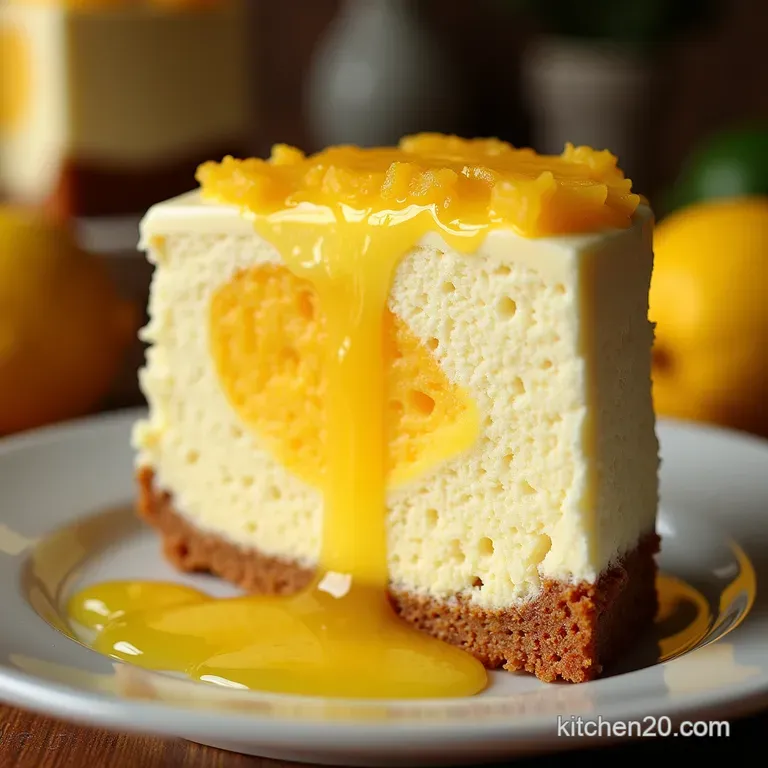
Finally, dollop the remaining lemon cake batter randomly over the surface of the cheesecake layer. To achieve that beautiful marbled effect inherent in many Lemon Cheesecake Recipes , take a skewer or butter knife and gently trace 4 to 5 slow figure-eights through the layers.
Remember, less is more; you want distinct ribbons, not a homogenous mix.
Baking the Cheesecake Insert: Water Bath Secrets Revealed
To ensure the cheesecake section bakes evenly, prevents rapid drying, and avoids that notorious surface cracking, a water bath (or bain-marie ) is essential. Double-wrap the exterior base of your springform pan tightly in heavy-duty aluminum foil, this is your insurance against seepage.
Place the wrapped pan inside a larger roasting pan. Once in the oven (preheated to 350° F or 175° C), carefully pour boiling water into the larger pan until it reaches about halfway up the sides of the springform.
Bake for 60 to 75 minutes; the edges should appear set, but the very centre should retain a slight, delicate wobble.
The Icing Strategy: Whipped Lemon Cream Cheese Frosting Application
Once fully cooled, the cake must be finished. While an optional bright lemon glaze (powdered sugar whisked with sharp lemon juice) offers a beautiful sheen, a true celebration calls for a generous application of whipped cream cheese frosting.
This is typically made by whipping softened cream cheese with butter, powdered sugar, and a touch more lemon zest until light and fluffy. Apply this frosting evenly over the completely chilled cake. The chilling process is critical here; a warm cake will cause the frosting to melt immediately.
Chilling and Setting: Patience for the Perfect Slice
After removing the cake from the oven, the cooling must be gradual. Turn the oven off, prop the door slightly ajar with a wooden spoon, and allow the cake to cool slowly inside for one full hour. This tempering prevents drastic temperature changes that cause sinking.
Once cooled to room temperature, refrigerate the cake, covered, for a minimum of four hours, though overnight cooling yields the firmest, cleanest slices of your Lemon Cheesecake Cake .
Elevating Your Bake: Pro Tips and Creative Twists
Even the most exceptional Lemon Cheesecake Cake Recipe can benefit from a personal touch or a slight adjustment to suit your taste.
Blueberry or Raspberry Swirl Integration Ideas
If you desire a touch of fruit complexity, consider adding a berry element to the cheesecake layer. Gently fold in ½ cup of fresh or lightly macerated blueberries or raspberries into the finished Lemon Cheesecake Filling before pouring it over the cake layer.
The berries provide a tart contrast that enhances the lemon flavour profile beautifully. Alternatively, swirl a prepared berry jam or coulis through the top of the cake batter just before baking.
Troubleshooting Common Cheesecake Cake Setbacks
If your cheesecake section sinks drastically in the middle, it usually points to one of two issues: either it was slightly underbaked, or the cooling process was too abrupt. The slow cooling in the turned-off oven helps mitigate this, as does the use of cornstarch.
A cracked top often results from either an oven that was too hot or mixing the cheesecake batter too vigorously, incorporating too much air.
Storage Solutions and Making Ahead Strategies
Because this is a combination cake, storage must be managed carefully. The cake is best stored, covered, in the refrigerator due to the fresh dairy content of the filling and frosting. It maintains peak quality for about four days.
This bake is fantastic for making ahead; prepare it entirely, chill it overnight, and frost it the day before serving for effortless entertaining.
Nutritional Snapshot: Understanding Your Indulgence
This is undeniably a rich dessert, designed for true enjoyment rather than light fare. Given the butter, cream cheese, and sugar required for both layers, an estimated serving will fall in the 450–500 calorie range, with a higher fat and sugar content characteristic of superb Cheesecake Cake Recipes .
Savor this indulgence!
Recipe FAQs
Why does my Lemon Cheesecake Cake filling have cracks on top?
Cracking is the bane of every cheesecake baker's existence! It usually happens due to a drastic temperature change or over-beating the filling, which incorporates too much air. Make sure you use the water bath method and, crucially, allow the cake to cool slowly inside the turned-off oven with the door ajar, that gentle transition prevents cracking.
Can I make this Lemon Cheesecake Cake ahead of time, and how should I store leftovers?
Absolutely, making it ahead is best, as it needs a minimum of 4 hours, but overnight chilling is ideal for flavour fusion. Store the cake, covered tightly with cling film or in an airtight container, in the refrigerator.
It should keep beautifully for 4–5 days, just remember to let a slice sit out for about 15 minutes before serving for the best texture.
My layers seem to have blended together; what did I do wrong during assembly?
That happens if you swirl too vigorously! When layering the cake batter and the cheesecake filling, treat it gently. You only need 4 or 5 slow, figure-eight motions with a knife to achieve that lovely marble effect.
Over-mixing turns it into one homogenous batter, which defeats the purpose of this spectacular hybrid bake.
I’m short on time; can I skip the water bath (bain-marie) for this recipe?
While you technically can skip it, I wouldn't advise it for a recipe this rich in eggs like our Lemon Cheesecake Cake. The water bath provides gentle, even heat, which is essential for cooking the cheesecake filling slowly and preventing the edges from setting before the centre, leading to lumps or severe sinking.
It’s worth the extra faff, honest!
What can I use instead of sour cream in the cheesecake layer?
If you haven't got sour cream knocking about, high-fat Greek yogurt is an excellent, readily available substitute, giving you that necessary tang and creaminess. Alternatively, you could use an equal amount of plain full-fat cream cheese, though it will make the filling slightly less sharp.
The Ultimate Lemon Cheesecake Cake Recipe Layered Perfection