German Chocolate Cake: the Deeply Moist Classic with Cooked Coconut Frosting
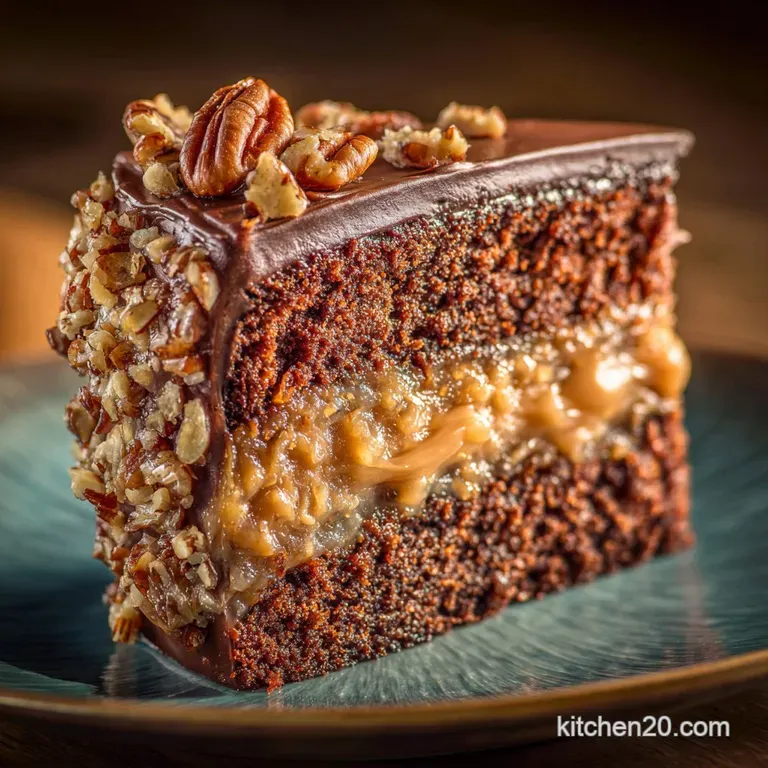
- The Baker's Classic: Deeply Moist German Chocolate Cake with Toasted Coconut-Pecan Frosting
- Mastering Moisture: Why This Chocolate Sponge Stays Deeply Moist
- Essential Ingredients for the Perfect German Chocolate Cake
- Baking the Dark Chocolate Cake Layers Step-by-Step
- Preparing the Signature Cooked Frosting
- Expert Assembly: Tips for Layering and Finishing
- Storing Your Baked German Chocolate Cake
- The Best Accompaniments for German Chocolate Cake
- Recipe FAQs
- 📝 Recipe Card
The Baker's Classic: Deeply Moist German Chocolate Cake with Toasted Coconut Pecan Frosting
The aroma of a proper German Chocolate Cake hits differently. It’s this incredible blend of rich, dark cocoa and warm, bubbling butterscotch caramel, totally intoxicating. When you slice into it, you get that fantastic contrast: a deep, nearly black sponge against the glistening, chewy texture of the coconut pecan frosting.
Look, this cake is a showstopper, but it doesn't need to be intimidating, I promise. This version cuts out the fussiness of dry, crumbly layers and simplifies the custard process so you don't end up with sweet scrambled eggs (a mistake I made once, true story).
It delivers maximum flavour payoff for minimal stress, making it my go-to celebratory bake.
We’re not messing around with fancy techniques here, just applying solid baking science. If you follow these crucial steps, you will end up with the moistest, most delicious Deeply Moist German Chocolate Cake you’ve ever tasted. Let's crack on with the good stuff.
Mastering Moisture: Why This Chocolate Sponge Stays Deeply Moist
Unpacking the Name: The American Origin Story
This is the fun part. Despite the name, this cake has absolutely nothing to do with Germany or traditional German baking. The cake’s history dates back to 1852 when an American baker named Samuel German developed a specific type of sweet, dark baking chocolate for the Baker’s Chocolate Company.
The original recipe, which called for "Baker's German's Sweet Chocolate," was published much later, and the possessive 's' was eventually dropped. So, it's an all-American classic.
Why This Cake is the Ultimate Celebration Dessert
It provides perfect textural harmony. You need the light, tender cake to offset the dense, sticky, and chewy nature of the signature frosting. The key to the cake layer is using high fat ingredients and careful mixing.
This keeps the German Chocolate Cake rich and prevents that dreaded dry texture.
Decoding the Perfect Chocolate Caramel Balance
The frosting is fundamentally a caramel custard, cooked on the stove. This isn't just a basic buttercream. The richness comes from the evaporated milk and egg yolks, which thicken into a stable, deeply butterscotch flavored base.
When you stir in the toasted pecans and coconut, it creates that iconic, rustic, chunky filling we all love.
The Power of Hot Coffee in Chocolate Cake Batter
This is non-negotiable for dark chocolate cake. Hot liquid is required to "bloom" the cocoa solids, dissolving them and intensifying the chocolate flavour. Using hot coffee instead of water activates the cocoa even more powerfully, providing depth without adding a coffee flavour. Trust me on this.
The final cake layers will be darker and noticeably richer.
The Secret to the Signature Cooked Coconut Pecan Frosting
The secret is the temperature, specifically cooking the mixture until the yolks have done their job. You are creating a stabilized custard. You must cook it until it reaches 180°F (82° C) .
This temperature ensures the yolks are safe and, more importantly, provides enough thickening power to hold the heavy nuts and coconut flakes suspended beautifully.
Achieving that Perfect, Slightly Fudgy Crumb
We use the creaming method here, starting with butter and sugar, then adding the yolks. This process incorporates air, making the cake tender. However, we finish by folding in the cooled chocolate coffee mixture and buttermilk, both high in fat and moisture.
Do not, under any circumstances, overmix the final batter. Stop as soon as the streaks of flour disappear, guaranteeing a soft, fudgy crumb.
Essential Ingredients for the Perfect German Chocolate Cake
I always say, you can’t get a perfect result without decent starting ingredients. Here is what you need and what you can do if you’re caught short.
Selecting Your Sweet Dark Baking Chocolate
The authentic recipe calls for Baker's German Sweet Chocolate. This is a crucial component because it’s lower in cocoa mass and higher in sugar than standard semi sweet. If you can’t find it, don't worry.
| Ingredient | Substitute Option |
|---|---|
| German Sweet Chocolate | 3 oz (85g) unsweetened dark chocolate + 3 Tbsp extra sugar in the batter. |
| Hot Coffee | Hot water, though the flavour will be slightly less intense. |
| All-Purpose Flour | Cake flour, but reduce the buttermilk by 2 Tbsp. |
Dairy and Egg Notes for the Frosting Base
The frosting demands two specific dairy products: butter and evaporated milk. Don't confuse evaporated milk with sweetened condensed milk; they are completely different! Using fresh egg yolks creates that stunning yellow colour and creamy texture.
| Ingredient | Substitute Option |
|---|---|
| Evaporated Milk | Whole milk, but the consistency will be thinner and take longer to cook down. |
| Buttermilk (in the cake) | Whole milk + 1/2 tablespoon white vinegar or lemon juice (let sit 5 minutes). |
| Granulated Sugar | Caster sugar (it dissolves faster but use the same quantity). |
Ingredient Swaps: Nuts, Coconut, and Leavening Agents
Pecans are traditional, but they can be pricey. Feel free to swap them out for something equally crunchy and satisfying.
| Ingredient | Substitute Option |
|---|---|
| Pecans | Toasted, chopped walnuts or slivered almonds. |
| Sweetened Coconut | Unsweetened shredded coconut, but increase the sugar in the frosting by 2 tablespoons. |
| Baking Soda | You must use baking soda, as it reacts with the acidic buttermilk and cocoa. There is no easy substitute here! |
Baking the Dark Chocolate Cake Layers step-by-step
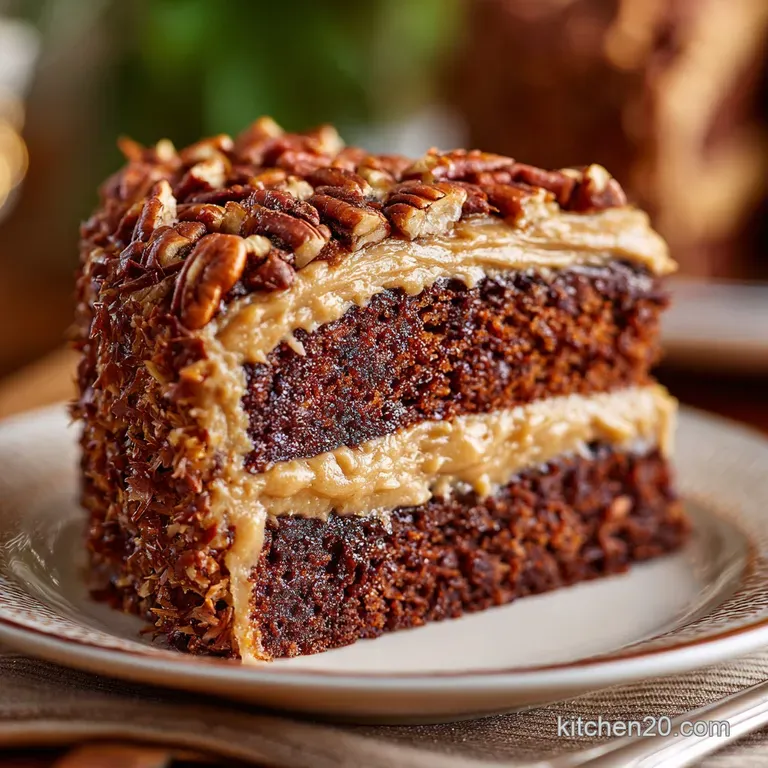
Preparing the Pans for a Clean Release
Preheat your oven to 350°F (175°C). Grab your three 8 inch pans. Grease them thoroughly with butter, dust them with flour, and then line the bottoms with parchment paper circles. This triple defence ensures your beautiful layers slide right out, minimizing potential heartbreak.
Mixing the Dry and Wet Ingredients Safely
Remember, we start with the creaming method. Beat the butter and sugar until they are light, fluffy, and look almost pale yellow this traps air. In a separate bowl, make sure you whisk your dry ingredients together really well; you want the salt and baking soda evenly distributed.
Then, alternate adding the dry mix with the buttermilk and the cooled chocolate coffee mixture. Start and end with the dry ingredients. This stabilizes the batter and prevents it from breaking.
Testing for Doneness: The Center Clean Test
Divide the batter evenly among the three prepared pans. Pop them in the oven for 30– 35 minutes. When you test them, don't just poke the edge. The layers are ready when a wooden skewer inserted into the very center comes out clean.
Baker's Anecdote: I once took the layers out too early because I was impatient. The centres collapsed in on themselves while cooling, leaving me with a sticky, dense mess. Patience is key here!
Preparing the Signature Cooked Frosting
This custard is the soul of the cake. It requires attention, but the rich, chewy result is totally worth standing over the stove for fifteen minutes.
The Crucial Step: Tempering the Egg Yolks
In your heavy bottomed pan, combine the evaporated milk, sugar, cubed butter, and egg yolks. Why heavy bottomed? It distributes heat better, reducing the chance of scorching. Whisk this mixture before placing it on medium low heat to start integrating the yolks.
Cooking the Caramel Base to the Right Consistency
Cook this mixture over medium low heat, stirring constantly. Seriously, don't walk away. It will take 12– 15 minutes to thicken. As soon as it starts to bubble gently around the edges and coats the back of a metal spoon, check the temperature.
Stop cooking immediately when it hits 180°F (82° C). If you go much higher, the yolks will scramble!
Folding in the Toasted Pecans and Coconut Flakes
Remove the pan from the heat and stir in the vanilla extract. Now for the texture! Add your toasted pecans and the shredded coconut. Stir everything together until it’s evenly distributed. The mixture will look runny, but as it cools, it will thicken into that beautiful, spreadable, chewy frosting.
Expert Assembly: Tips for Layering and Finishing
Ensure your cakes are completely cool we’re talking room temperature, even slightly chilled. A warm cake melts the frosting, causing the layers to slide.
- Leveling: If your cakes domed slightly, gently slice the tops off using a long serrated knife to create flat layers.
- The First Layer: Place the first layer on your cake stand or plate. Spread half of the coconut pecan frosting over it, pushing the filling right to the edge so it oozes slightly.
- The Second Layer: Repeat the process with the second layer and the remaining frosting.
- The Reveal: Place the third layer on top. Traditional German Chocolate Cake leaves the sides unfrosted. This is intentional! It showcases the beautiful contrast between the dark cake and the golden filling.
Storing Your Baked German Chocolate Cake
Short Term Storage: Counter vs. Refrigerator
Because the frosting is custard based (made with eggs and milk), this cake needs to be refrigerated if stored longer than 24 hours. For the best flavour and texture, let it sit at room temperature for about an hour before serving. You can store the cake, covered, in the fridge for up to 4 days.
Freezing Baked Layers for Future Use
This is a great make-ahead cake! You can bake the layers up to a month in advance. Once the layers are totally cool, wrap each one tightly in plastic wrap, then wrap them again in aluminum foil. Freeze them flat. Do not freeze the finished, frosted cake.
The frosting texture changes drastically upon thawing.
Thawing and Refreshing the Cake
To thaw the layers, move them to the refrigerator overnight, still wrapped. You can unwrap and frost them when they are fully thawed. If your cake feels slightly dry after a few days, brush the layers lightly with simple syrup or a little extra coffee before frosting.
The Best Accompaniments for German Chocolate Cake
This cake is extremely rich, so you need companions that can cut through the intensity or complement the dark chocolate notes.
Beverage Pairings: Coffee, Stout, and Dessert Wine
A strong black coffee or a shot of espresso is fantastic for cutting through the sweetness. If you're feeling adventurous, try it with a slightly smoky stout or porter the roasted notes play beautifully off the cocoa. For a fancy pairing, a chilled glass of Tawny Port is always stellar.
Serving Temperature for Optimal Flavor
This cake is best served slightly cooler than room temperature, around 65°F (18°C). The frosting should feel slightly firm, not runny. Serving it too cold dulls the nuances of the cocoa and caramel.
Garnishing the Final Slice
I like to keep it simple. A scoop of good vanilla bean ice cream or a dollop of unsweetened whipped cream on the side adds a necessary creamy lightness. If you’re looking for other rich chocolate desserts that hit the same spot, you might enjoy my No Bake Chocolate Cheesecake: Ultra Velvety and So Simple to Make . For those who prefer a deeper, baked texture, check out the Chocolate Pie Recipe: The Midnight Silk Rich Baked Custard . It's totally indulgent!
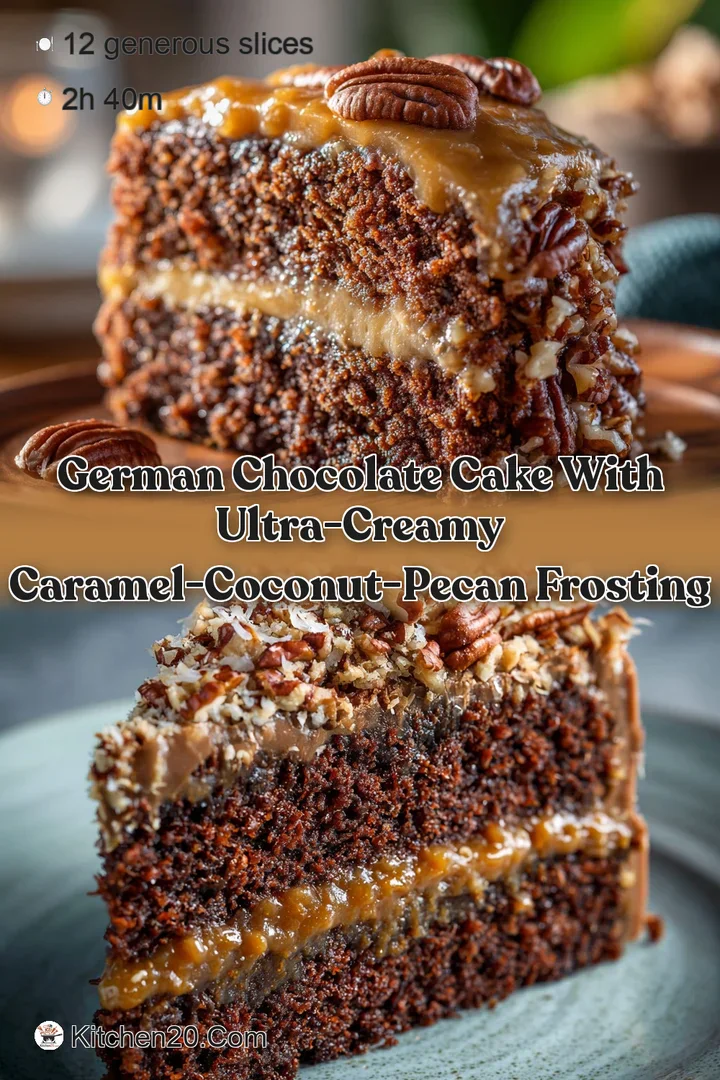
Recipe FAQs
Why is my German Chocolate Cake dry or dense?
A dry cake is typically the result of overmixing the batter once the flour is added, which develops too much gluten, or overbaking. Ensure you measure the flour accurately using the spoon and level method, and always check for doneness 2-3 minutes earlier than instructed, as oven temperatures vary greatly.
Overmixing can also lead to a dense crumb structure.
Can I use standard unsweetened cocoa powder instead of dark baking chocolate?
No, substituting standard cocoa powder is not recommended for an authentic German Chocolate Cake. This recipe relies on the specific sugar and high fat content of the original sweet dark baking chocolate (or a comparable substitute) to achieve the essential rich, fudgy flavor and deeply moist texture.
Using unsweetened cocoa powder will yield a lighter, drier cake that lacks the characteristic richness.
How can I prevent the coconut pecan frosting from separating or looking runny?
The cooked frosting requires gentle heat and constant stirring to prevent the egg yolks from scrambling or the butter from separating. If the frosting curdles, it was likely cooked too fast or too hot; ensure you cook it slowly over medium low heat until it thickens sufficiently to coat the back of a spoon.
If separation occurs, try beating it off the heat for several minutes to emulsify it again.
How should I store the finished German Chocolate Cake?
Due to the cooked, egg-based nature of the frosting, the cake should be covered and refrigerated if storing for more than two days. For optimal texture and flavor, allow the cake to sit at room temperature for at least 30 to 45 minutes before serving after refrigeration.
If the cake is consumed within two days, an airtight container at cool room temperature is acceptable.
I have a nut allergy; can I omit the pecans from the frosting?
Yes, you can easily omit the pecans entirely while still maintaining the integrity and flavor profile of the frosting. The iconic taste comes primarily from the caramel base and the shredded coconut.
If you desire a textural element to replace the crunch of the pecans, you may substitute with toasted sunflower seeds or roasted pepitas, provided those are safe for your specific allergy requirements.
Do I really need to use hot coffee in the batter?
While water can technically be substituted, the hot coffee is highly recommended for achieving the deepest chocolate flavor. The heat from the liquid "blooms" the cocoa solids, intensifying the richness, while the mild acidity of the coffee enhances the reaction of the leavening agents.
This results in a much tenderer, lighter, and truly moist cake crumb.
Can I bake this recipe as cupcakes or a 9x13 sheet cake?
Yes, this versatile batter works wonderfully for other formats, though the baking time needs adjustment. For cupcakes, bake for 18 22 minutes. For a 9x13 sheet cake, expect to bake for 30 35 minutes, checking the center with a toothpick to ensure it comes out clean.
Always ensure the internal temperature is stable before removing from the oven.
Moist German Chocolate Cake Recipe
Ingredients:
Instructions:
Nutrition Facts:
| Calories | 340 kcal |
|---|---|
| Protein | 4.0 g |
| Fat | 18.0 g |
| Carbs | 42.0 g |
