The Authentic Southern Belle Decadent Homemade German Chocolate Cake with Pecan Coconut Frosting
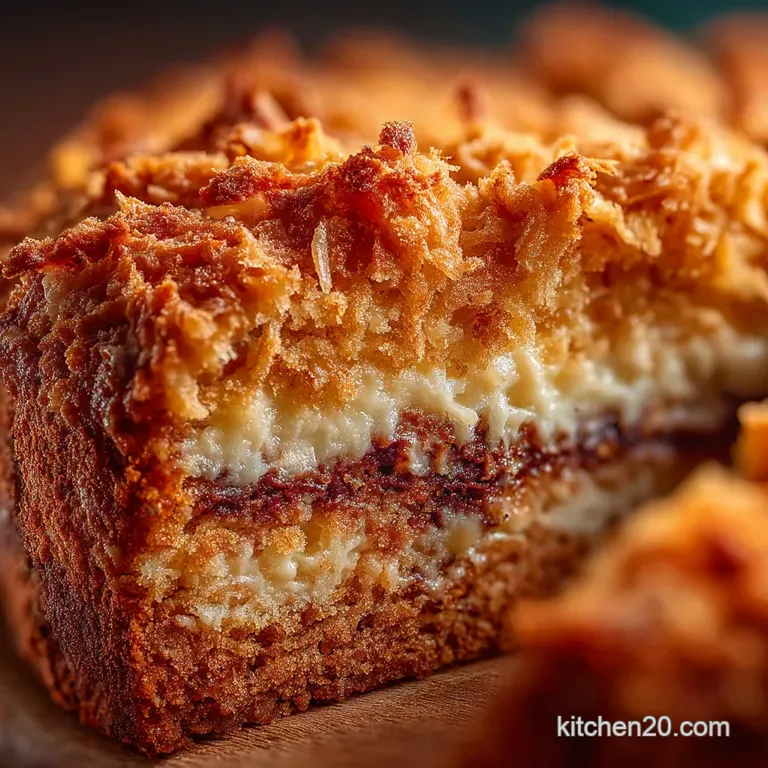
- Unwrapping the Legacy: Why This German Chocolate Cake Stands Apart
- The Sweet Misnomer: A Brief History of This Iconic American Dessert
- Assembling Your Components: A Meticulous Ingredient Inventory
- Phase One: Baking the Ultra-Moist Chocolate Base
- Phase Two: Crafting the Signature Gooey Custard Frosting
- The Grand Finale: Layering and Presenting Your Masterpiece
- Troubleshooting Common Baking Hurdles
- Maximizing Freshness: Storage and Make-Ahead Strategies
- Baking Beyond the Classic: Inspiring Variations
- Recipe FAQs
- 📝 Recipe Card
Unwrapping the Legacy: Why This German Chocolate Cake Stands Apart
When you think of classic American layer cakes, few command as much reverence or inspire as much meticulous baking as the German Chocolate Cake. This isn't merely a chocolate cake with standard fudge icing; it's a symphony of textures and tastes built around a specific, cooked custard topping.
Our goal today is to elevate this beloved dessert far beyond the realm of lackluster boxed versions. We are chasing that elusive, moist crumb paired with the signature, richly textured Coconut Pecan Frosting Recipe.
By respecting the traditional methods, we unlock the Best German Chocolate Cake experience possible, transforming a simple bake into a show stopping centerpiece worthy of any celebration.
Prepare your kitchen; we are diving deep into creating an authentic Homemade German Chocolate Cake that honours its complex heritage.
The Sweet Misnomer: A Brief History of This Iconic American Dessert
The name itself is often a source of confusion. Despite the implied Germanic origins, the German Chocolate Cake Origin is firmly rooted in the United States.
It was named not for a country, but for Samuel German, an American baker who developed an early form of dark sweet baking chocolate for the Baker's Chocolate Company in 1852. The first published recipe featuring this specific chocolate and, crucially, the coconut pecan topping, appeared in a Dallas newspaper in 1957.
This history underscores why achieving the correct flavour profile is paramount: the cake layers are merely the foundation for the textural masterpiece of the German Chocolate Cake Frosting . This contrast is what defines this iconic dessert.
Beyond the Box Mix: Achieving Genuine Depth of Chocolate Flavor
To truly conquer this cake, we must ensure the chocolate component sings. Many recipes rely solely on cocoa powder, which yields a lighter flavour. For our German Chocolate Cake Recipe , we incorporate both high-quality unsweetened baking chocolate (melted directly into the batter) and the richness provided by buttermilk.
The buttermilk serves a dual purpose: its acidity tenderizes the gluten, leading to an incredibly soft crumb, and it reacts beautifully with the baking soda to provide lift, ensuring the cake remains moist.
The final addition of freshly boiled water thins the batter significantly, which might seem alarming, but it’s the secret to achieving those signature dark, tender layers that hold up beautifully under the heavy topping.
Meet the Star: Why This Coconut Pecan Frosting is Non-Negotiable
If the cake layers are the stage, the Coconut Pecan Dessert topping is the dazzling headliner. This is not a simple buttercream; it’s a cooked custard made with evaporated milk, egg yolks, sugar, and butter.
Cooking these ingredients creates a thick, slightly chewy, unbelievably decadent caramel like base that envelops the toasted pecans and sweet coconut flakes. This topping, which we will detail extensively in Phase Two, must be cooked correctly to achieve that perfect, gooey texture a sticky, luxurious blanket that defines the entire German Chocolate Cake .
What Makes This Recipe Truly the Best Version You'll Ever Bake
The success of this particular German Chocolate Cake hinges on balancing richness with structure. We use room temperature eggs and softened butter, ensuring a superior emulsion when mixing the fats and liquids, which results in a finer, more velvety interior crumb.
On top of that,, we insist on toasting the pecans prior to adding them to the custard. This small step prevents a raw, bitter nut flavour and instead releases essential oils, amplifying the earthy, toasted notes that complement the sweetness of the custard.
This meticulous attention to ingredient preparation guarantees a depth of flavour unmatched by quicker methods.
Assembling Your Components: A Meticulous Ingredient Inventory
Before we start mixing, organization is key. Baking the Best German Chocolate Cake requires precise measurements, especially when dealing with the temperature sensitive custard. Think of this inventory phase as setting the stage for your culinary performance.
Ensure all chilled items the butter, buttermilk, and eggs are brought to room temperature at least an hour before you begin the cake batter stage to guarantee proper emulsification.
For the Rich Chocolate Cake Layers: What You'll Need
The foundation requires 2 ½ cups of sifted all-purpose flour, 1 ¾ cups of granulated sugar, ½ teaspoon of fine salt, and 1 teaspoon of baking soda. The richness comes from 4 large eggs (at room temperature), 1 cup (two sticks) of softened unsalted butter, 1 cup of room temperature buttermilk, and 1 teaspoon of vanilla extract.
Crucially, we melt 4 ounces of unsweetened baking chocolate and have 1 cup of freshly boiling water ready for the final incorporation.
Mastering the Gooey Topping: Essential Frosting Components
The signature German Chocolate Cake Icing calls for specific elements to achieve its cooked texture. You will need one 12-ounce can of full fat evaporated milk, 1 cup of granulated sugar, 4 large egg yolks (reserved from the cake eggs, if possible, to ensure they are fresh), ½ cup (one stick) of cubed, unsalted butter, 1 teaspoon of vanilla extract, 1 ½ cups of shredded sweetened coconut, and 1 ½ cups of finely chopped pecans, which we will toast separately.
Essential Equipment for Perfect Cake Assembly
To successfully bring this Homemade German Chocolate Cake to fruition, you need two 9 inch round cake pans, lined with parchment paper circles for easy release. A large saucepan is necessary for developing the custard base of the frosting, along with a sturdy whisk and a rubber spatula.
An electric mixer will aid in creaming the cake batter, and of course, a reliable wire cooling rack is essential for both the cakes and for partially cooling the hot frosting.
Phase One: Baking the Ultra Moist Chocolate Base
The initial step involves preparing the dry ingredients. In a large bowl, gently whisk together the sifted flour, sugar, baking soda, and salt. In the bowl of your stand mixer, cream the softened butter until light and fluffy, then incorporate the melted, slightly cooled unsweetened baking chocolate until thoroughly blended.
Next, beat in the room temperature eggs one at a time, ensuring full incorporation after each addition, followed by the vanilla extract. Now, alternate adding the dry mixture and the buttermilk to the fat mixture, starting and finishing with the dry ingredients.
Mix only until just combined; overmixing activates too much gluten, leading to toughness. Finally, with the mixer on low speed, carefully pour in the 1 cup of boiling water. The batter will become noticeably thin this is entirely correct and necessary for a tender result.
Divide the batter evenly between your prepared pans and slide them into a preheated 350° F ( 175° C) oven for 30 to 35 minutes.
Related Recipes Worth Trying
- Golden Tangy Truly Crispy Fuczki Polish Sauerkraut Pancakes — Master the authentic Fuczki recipe These crispy Polish pancakes balance tangy sauerkraut with a fluffy centre Learn how to make Fuczki perfectly golden...
- Bitter Brilliant NegroniInfused Chocolate Tart Recipe — Elevate your dessert game with this rich Negroni Cocktail Recipe It balances bitter Campari and sweet vermouth in a luscious ganache Get the simple steps
- Foolproof Stracciatella Maqui Cheesecake Recipe A Creamy Swirl — Whip up this showstopping Stracciatella Maqui Cheesecake Get the foolproof technique for a perfectly creamy texture and vibrant antioxidant swirl
Phase Two: Crafting the Signature Gooey Custard Frosting

This is where the technique truly matters for the Coconut Pecan Frosting Recipe . In your medium saucepan, whisk together the evaporated milk, sugar, and egg yolks until they form a smooth, uniform mixture. Place this over medium heat. The key here is constant, patient stirring with the whisk.
You must maintain a steady stream of movement to prevent the eggs from scrambling against the bottom of the pan. Continue cooking, whisking constantly, until the mixture thickens noticeably and just begins to bubble gently this typically takes 8 to 10 minutes.
Immediately remove the pan from the heat source. Swiftly whisk in the cubed butter and vanilla until they melt completely into the custard. Finally, fold in your toasted pecans and the sweetened coconut.
Transfer this wonderfully fragrant mixture to a separate bowl and press plastic wrap directly onto the surface; this prevents that unpleasant, hard skin from forming as it cools slightly to a spreadable consistency.
The Grand Finale: Layering and Presenting Your Masterpiece
Once the cake layers are entirely cool and I mean truly cool; warmth encourages melting and sliding you are ready for assembly. A properly cooled cake is the key to a professional finish.
Techniques for Achieving Tender, Non-Dry Cake Crumb
The tenderness achieved in Phase One is best preserved by not over baking. If you notice your cake layers are slightly dome shaped, a light leveling with a serrated knife will ensure a stable stack.
Never try to frost a cake straight from the oven or even lukewarm; the residual heat will liquefy the custard topping instantly.
Stovetop Secrets: Preventing the Coconut Pecan Topping from Burning
When cooking the custard, remember the goal is gentle thickening, not rapid boiling. If you see rapid, large bubbles forming, immediately reduce the heat. For the pecans, ensure you toast them gently in a dry skillet until fragrant (about 5 minutes) before adding them to the finished custard base.
This simple step brings out their natural oils and adds depth to the German Chocolate Cake Icing .
Pro Tips for Seamless German Chocolate Cake Stacking
Place your first cooled layer onto your serving platter or cake stand. Scoop about two-thirds of the prepared German Chocolate Cake Frosting onto this layer.
Use an offset spatula to spread it evenly, making sure to push that gooey mixture right to the edges so it peeks out attractively when the top layer is added. Carefully place the second layer on top. Use the remaining frosting to coat the top and sides.
Because this is a softer frosting, a perfectly smooth side finish is difficult; embrace a slightly rustic, generous application to highlight the texture of the coconut and pecans.
Troubleshooting Common Baking Hurdles
Even the most careful bakers occasionally face hiccups. If your Homemade German Chocolate Cake layers seem dense, it often points to using cold ingredients (butter or eggs) or overmixing the final batter.
If the custard frosting curdles during cooking, it means the heat was too high or you stopped whisking; sometimes, a quick immersion blend can smooth out minor lumps, but often it must be restarted.
Maximizing Freshness: Storage and make-ahead Strategies
This is a cake that truly benefits from sitting overnight, allowing the moist crumb to absorb some of the delicious custard flavour. Store the fully assembled German Chocolate Cake loosely covered at cool room temperature for up to two days, or in the refrigerator for up to four days.
If refrigerating, allow it to sit out for an hour before serving to let the frosting soften back to its ideal gooey texture.
Baking Beyond the Classic: Inspiring Variations
While the classic remains peerless, customization is part of the joy of home baking.
What to Do If Your Frosting Sets Up Too Firmly
If your custard cools too much and becomes stiff or crumbly, don't despair. Place a small portion of the frosting (about a quarter of it) back into a saucepan over very low heat with a teaspoon of milk or water, whisking until it softens back to a spreadable consistency, then gently fold it back into the rest of the batch.
Nutritional Snapshot of This Decadent Treat
Be aware that this is a rich indulgence. While exact figures vary based on ingredient brands, this Coconut Pecan Dessert is high in natural fats and sugars due to the required custard base. It is best enjoyed as a special occasion treat rather than an everyday bake.
Elevating the Cake: Flavor Swaps for the Chocolate Layers
For a truly adult twist on the German Chocolate Cake Recipe , consider substituting the boiling water with an equal amount of strong, hot brewed coffee. Coffee doesn't make the cake taste like coffee, but it dramatically deepens the perceived chocolate flavour.
Another excellent swap is incorporating a teaspoon of dark rum into the buttermilk mixture for added complexity in the layers.
Recipe FAQs
Why is it called German Chocolate Cake if it’s American? I’m totally confused!
That’s a cracking good question that trips up everyone! It isn't named after the country Germany, but after an American baker named Samuel German. He developed a specific type of dark baking chocolate for the Baker's Chocolate Company in 1852, and the recipe that eventually used that chocolate simply took his name.
So, no umlauts required for this one!
My custard frosting turned out grainy/lumpy. What did I do wrong with this German Chocolate Cake recipe?
Ah, that’s usually down to agitation or rather, lack thereof! The custard base requires constant, vigorous whisking over medium heat to prevent the egg yolks from scrambling. If it gets too hot too quickly, the proteins seize up, resulting in lumps.
Next time, keep that whisk moving like you’re trying to beat the runner-up!
Can I make the cake layers ahead of time? How should I store them?
Absolutely, making components ahead saves time on the big day. Once completely cooled, wrap the cake layers tightly in plastic wrap, then foil, and they will keep beautifully at room temperature for up to two days, or frozen for a month.
Make sure they are fully defrosted before you attempt to frost them, or you’ll have a right mess on your hands.
The cake batter seems very thin after adding the boiling water is this normal?
Yes, don't panic that thinness is precisely what ensures a moist crumb! The boiling water blooms the cocoa powder, intensifying the chocolate flavour, and it also thins the batter significantly. Trust the process; it bakes up light and tender, not dense or heavy like a brownie.
How long will the finished cake last, and does it need to be refrigerated?
Given the custard based frosting, this cake definitely prefers the fridge, unlike many standard buttercreams. Store it in an airtight container for up to 4 days; it tends to dry out if left uncovered.
For the best flavour, let a slice sit out at room temperature for about 30 minutes before serving to soften the frosting slightly.
I’m not a fan of coconut. Can I still make a good German Chocolate Cake without it?
While coconut is key to the classic flavour profile, you can certainly substitute it. Replace the 1 ½ cups of coconut with an equal amount of finely chopped, toasted walnuts or perhaps some shredded almonds for textural crunch.
You might lose a bit of that signature sticky sweetness, but it will still be delicious!
Classic German Chocolate Cake

