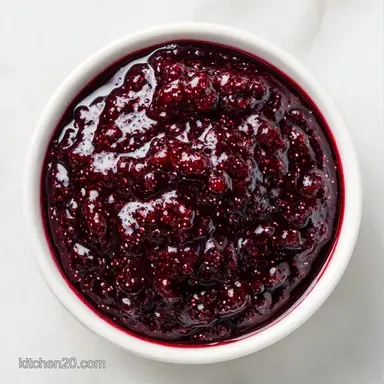
Mulberry Balsamic Dressing: Tangy and Glossy
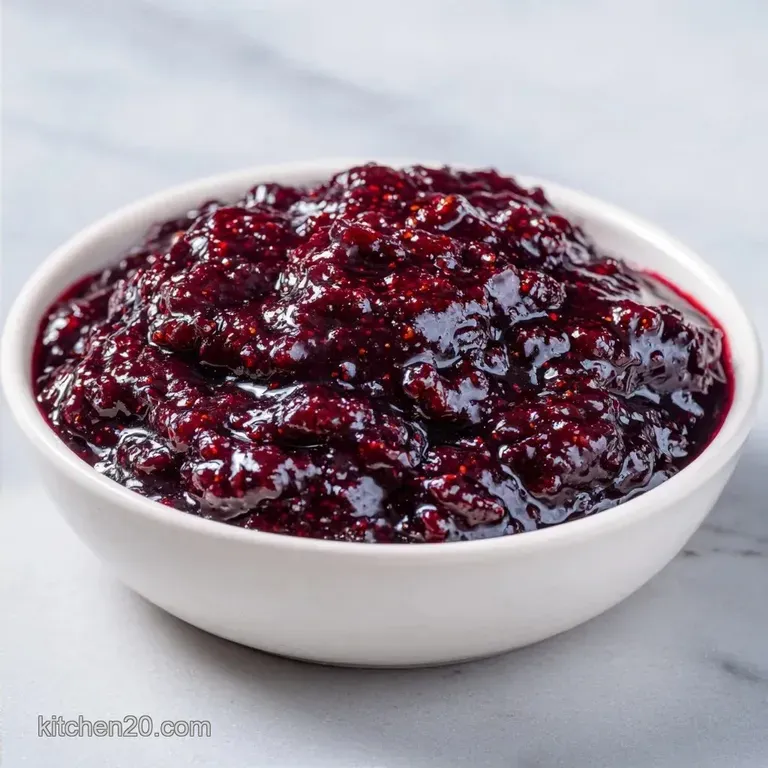
- Time:10 minutes active
- Flavor/Texture Hook: Tangy, glossy, and deep purple
- Perfect for: Summer salads or as a meat glaze
Mulberry Balsamic Dressing
I remember the old neighborhood where the mulberry trees grew wild along the fence lines. In the heat of July, the sidewalks would turn a bruised purple, and kids would spend hours with stained fingers and sticky faces. Those berries weren't just snacks, they were the signal that summer had truly arrived.
For many of us, mulberries are a nostalgic bridge to a childhood spent outdoors, though they're rarely seen on modern restaurant menus.
This recipe takes that rustic, backyard energy and connects it to a more refined palate. By blending the fruit directly into the vinaigrette, we're not just adding flavor, we're adding a natural thickness that makes the dressing cling to the leaves instead of pooling at the bottom of the bowl.
It's a way of bringing a forgotten garden staple back into the modern kitchen.
You can expect a result that is silky and opaque with a punch of acidity that cuts through rich cheeses or fatty proteins. It’s an easy way to move beyond basic store-bought options.
Whether you're hosting a small dinner or just prepping your weekday lunches, this Mulberry Balsamic Dressing adds a layer of sophistication without requiring hours of work.
The Secret to Success
When you mix oil and vinegar, they naturally want to stay apart. Here is why this specific blend stays together and tastes so cohesive.
- Fruit Pectin: Mulberries contain natural pectin, which acts as a stabilizer. This keeps the oil and vinegar from separating as quickly as a standard vinaigrette.
- Mustard Emulsification: The Dijon mustard provides lecithin, a compound that bonds water and fat, ensuring the texture remains velvety.
- Sugar Balance: The honey doesn't just sweeten, it increases the viscosity of the dressing, giving it that glossy, professional look.
- Acidic Brightness: Aged balsamic vinegar has a lower acidity than white vinegar, which prevents the fruit flavor from being completely drowned out.
| Method | Time | Texture | Best For |
|---|---|---|---|
| Blender (Raw) | 10 mins | Silky & Opaque | Fresh salads, goat cheese |
| Stovetop (Reduced) | 20 mins | Syrupy & Thick | Glazing meats, dipping |
Component Analysis
| Ingredient | Science Role | Pro Secret |
|---|---|---|
| Fresh Mulberries | Natural Thickener | Use very ripe berries for deeper color |
| Balsamic Vinegar | Flavor Base | Aged balsamic reduces the "harsh" bite |
| Extra Virgin Olive Oil | Fat Carrier | Use a mild oil to let the berries shine |
| Dijon Mustard | Emulsifier | Prevents the dressing from splitting |
Shopping List Breakdown
When picking your berries, look for the deepest purple or black hues. White mulberries exist and are delicious, but they won't give you that iconic, dramatic color. If you can't find them fresh, frozen berries work, but you'll need to thaw them first to ensure the blender can handle the texture.
For the vinegar, avoid the cheap, thin stuff. A thicker, aged balsamic provides a sweetness that complements the berries. According to King Arthur Baking, the quality of your acid determines the overall balance of any vinaigrette, so don't skimp here.
The full list: 1/2 cup (75g) fresh mulberries Why this? Provides the base flavor and natural pectin 1/4 cup (60ml) aged balsamic vinegar Why this? Adds depth and acidity 1/2 cup (120ml) extra virgin olive oil Why this? Creates the smooth, fatty mouthfeel 1 tsp (5g) Dijon mustard Why this? Bonds the oil and vinegar together 1 small clove (3g) garlic, minced Why this? Adds a subtle savory backbone 1 tbsp (21g) honey Why this? Balances the tartness of the berries 1/4 tsp (1.5g) fine sea salt Why this? Enhances all other flavors 1/8 tsp (0.5g) freshly cracked black pepper Why this? Adds a tiny bit of heat
Quick Swaps:
| Original Ingredient | Substitute | Why It Works |
|---|---|---|
| Honey (1 tbsp) | Maple Syrup (1 tbsp) | Similar viscosity. Note: Adds a woodsy flavor |
| Fresh Mulberries | Blackberries (1/2 cup) | Similar flavor profile and color. Note: Slightly seedier |
| Olive Oil (1/2 cup) | Avocado Oil (1/2 cup) | Neutral fat. Note: Less flavor than olive oil |
Equipment Needed
You don't need a fancy setup for this, but a blender is the most efficient platform for getting that professional texture. If you use a food processor, it works too, though the emulsion might be slightly less tight.
I suggest using a high speed blender such as a Vitamix or a Nutribullet for the smoothest result. If you're working with very small quantities, an immersion blender in a tall jar is a great way to keep the mess contained.
Avoid using a whisk for the initial berry breakdown. Mulberries have tiny seeds and a fleshy structure that won't break down enough by hand, leaving you with chunks in your dressing. The blender ensures every drop is consistent.
Key Steps
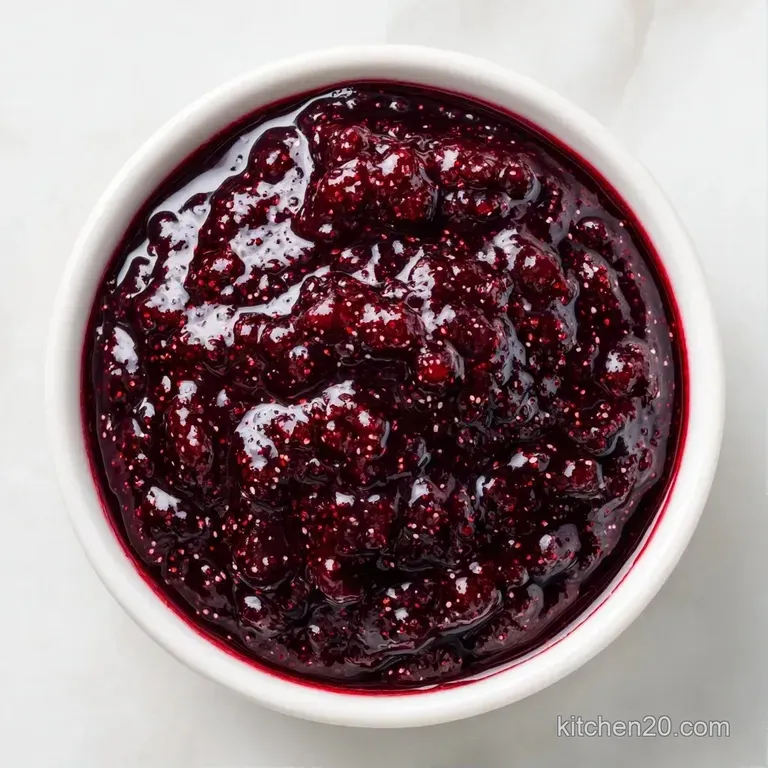
Follow these steps to get a smooth, glossy Mulberry Balsamic Dressing every time.
- Place the fresh mulberries, balsamic vinegar, honey, and minced garlic into the blender. Note: Putting the fruit in first helps the blades catch.
- Process on high for 30 to 60 seconds until the mixture is completely smooth and takes on a deep, consistent purple hue.
- Lower the blender speed to low.
- Slowly stream in the extra virgin olive oil in a steady thin line. Note: Pouring too fast will break the emulsion.
- Continue blending until the mixture thickens and achieves a glossy, opaque appearance.
- Pour the mixture into a glass bowl.
- Whisk in the salt and black pepper.
- Taste the dressing. Add a drop more vinegar for zing or a pinch more honey if your berries were tart.
Chef's Note: If you want a thinner consistency for a light summer salad, add 1 tablespoon of warm water at the very end. This loosens the pectin without breaking the emulsion.
Solving Common Texture Issues
Even with a simple recipe, things can go sideways. Most issues with this Mulberry Balsamic Dressing come down to the oil integration.
Troubleshooting Common Issues
| Issue | Solution |
|---|---|
| Why Your Dressing Separated | If you see oil pooling on top, you likely poured the oil in too quickly. The oil molecules didn't have time to be broken down and trapped by the mustard and pectin. |
| Why the Flavor is Too Sharp | This usually happens if the berries were underripe. The natural sugars aren't there to balance the balsamic vinegar, leaving the acid to dominate the palate. |
| Why the Texture is Grainy | Graininess usually comes from under processing the berries or using a low power blender. The seeds haven't been fully pulverized. |
Common Mistakes Checklist:
- ✓ Did you stream the oil slowly?
- ✓ Are the berries fully thawed (if using frozen)?
- ✓ Did you use aged balsamic instead of distilled vinegar?
- ✓ Did you taste for salt before serving?
- ✓ Is the garlic finely minced before blending?
Dietary Adaptations
Making a Vegan Mulberry Balsamic Dressing is incredibly easy because this recipe is already almost there. Just swap the honey for maple syrup or agave nectar. The result is nearly identical, though maple adds a slight autumnal note.
If you're looking to reduce the caloric density, you can replace half of the olive oil with a bit of water or a splash of apple cider vinegar. However, keep in mind that you'll lose some of that velvety thickness.
For those who want something even more concentrated, you can turn this into a Mulberry Balsamic Glaze Recipe. Pour the finished dressing into a small saucepan and simmer on low for 10-15 minutes. It will reduce into a thick syrup that is incredible on grilled salmon or Brie cheese. For other fruit based ideas, you might enjoy a savory mulberry sauce which uses similar principles but with a different flavor balance.
Freezing and Reheating Guide
I generally don't recommend freezing this dressing. The olive oil can solidify and the emulsion often breaks during the thawing process, leaving you with a greasy mess.
Fridge Storage: Store in an airtight glass jar for up to 7 days. The flavors actually deepen after 24 hours, so making it a day ahead is a smart move.
Reheating and Recovery: Since the olive oil can thicken in the fridge, the dressing might look solid. Do not microwave it. Instead, let it sit at room temperature for 15 minutes. Give it a vigorous shake or a quick whisk to bring the emulsion back to life.
Zero Waste Tip: Don't toss the stems if you're picking your own berries. While they don't go in the dressing, mulberry leaves can be dried and steeped into a mild, herbal tea. If you have leftover berries that are too mushy for the blender, toss them into a morning smoothie.
Serving Suggestions
This dressing is versatile, but it really shines when paired with ingredients that provide a salty contrast to the sweet berries.
Plating Levels:
| Level | Technique | Visual Effect |
|---|---|---|
| Simple | Free pour drizzle | Rustic, home cooked feel |
| Polished | Artful spoon swipe | Modern, clean look |
| Restaurant | Precision drops | High end, curated aesthetic |
For a signature summer salad, combine baby spinach, crumbled goat cheese, toasted walnuts, and sliced pears. Drizzle the Mulberry Balsamic Dressing over the top just before serving to keep the leaves from wilting.
If you're serving a protein, this is a fantastic companion for grilled chicken or pork tenderloin. The acidity cuts through the fat of the meat. If you're craving something completely different for your next meal, you could try a homemade Caesar salad for a more savory, salty experience.
Decision Shortcut: If you want a rich glaze → Simmer it in a pan for 10 mins. If you want a light vinaigrette → Add 1 tbsp warm water. If you want a creamy version → Whisk in 1 tbsp of Greek yogurt.
Recipe FAQs
Why did my mulberry balsamic dressing separate?
You likely poured the olive oil in too quickly. This prevents the oil molecules from being properly broken down and trapped by the Dijon mustard and pectin.
How to fix a dressing that tastes too sharp?
Add a pinch more honey. This balances the acidity, especially if the fresh mulberries were underripe and lacked natural sugars.
Why is the texture of my dressing grainy?
The berries were under-processed. Using a low-power blender or not blending long enough leaves the seeds intact, creating a gritty feel.
What is the ratio of balsamic vinegar to olive oil in this recipe?
The ratio is 1:2. This recipe uses 1/4 cup of balsamic vinegar to 1/2 cup of extra virgin olive oil for a balanced consistency.
How to achieve a glossy, opaque emulsion?
Slowly stream in the olive oil while the blender is running on low. This stable emulsification thickens the dressing and gives it a professional finish.
What seasonings pair best with the berries in this dressing?
Garlic, salt, and black pepper. These savory elements cut through the sweetness of the honey and mulberries to create a complex flavor.
Can I use this mulberry flavor profile in other dishes?
Yes, it works great for proteins. If you loved the sweet-tart balance in this dressing, see how we use the same flavor principle in our mulberry glazed chicken.
Mulberry Balsamic Dressing in 10 Minutes