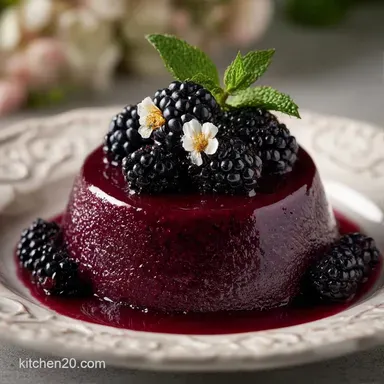
Mulberry Curd: Velvety and Fresh
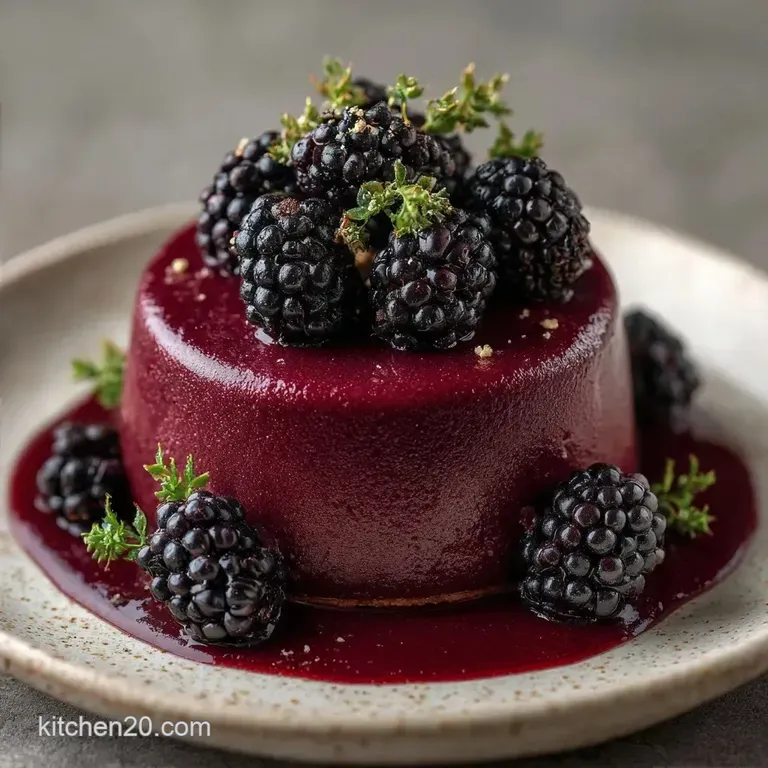
- Time: 10 min active + 2 hours chilling
- Flavor/Texture Hook: Tangy, deep purple, and silky smooth
- Perfect for: Brunch toasts, cake filling, or a fancy tea party
The smell of fresh mulberries is something you don't forget. It's a heavy, sweet aroma that hits you as soon as the berries ripen on the branch, and your fingers end up stained a deep, royal purple for days. I remember the first time I tried to turn these berries into a spread, I just boiled them with sugar.
It was fine, but it lacked that rich, buttery weight that makes a curd feel like a real treat.
The secret is the fruit itself. Mulberries have this unique balance of sweetness and a slight earthy tartness that you just can't get from blackberries or raspberries. When you combine that with the richness of eggs and butter, the Mulberry Curd becomes something entirely different.
It's not just a jam, it's a creamy, concentrated essence of summer.
You can expect a texture that is thick enough to hold its shape on a scone but smooth enough to swirl into a bowl of yogurt. We're going for a finish that is glossy and vibrant. It takes a bit of patience at the stove, but the result is a spread that feels way more expensive than it actually is.
The Secret to Mulberry Curd
The reason this recipe works comes down to how the proteins and fats interact. If you rush it, you get scrambled eggs. If you do it right, you get a luxurious cream.
- Egg Binding: The proteins in the eggs unfold as they heat, creating a web that traps the liquid and thickens the base.
- Fat Integration: Adding cold butter at the end creates a stable emulsion, which gives the curd its signature gloss.
- Acid Balance: Lemon juice prevents the eggs from curdling too quickly and keeps the purple color from turning dull.
- Fruit Reduction: Straining the puree removes seeds, meaning the fruit flavor is felt as a smooth wave rather than a gritty texture.
Between the fast method and the classic way, there's a clear difference in how the final product feels on the tongue.
| Feature | Fast (Blender/Heat) | Classic (Stovetop) | Best For |
|---|---|---|---|
| Texture | Slightly looser | Thick and velvety | Classic is better for filling |
| Time | 20 mins total | 2 hours 25 mins | Fast is better for a quick snack |
| Gloss | Matte finish | High shine | Classic looks more professional |
Right then, let's look at what's actually happening inside the pot.
Component Analysis
Knowing why an ingredient is there helps you troubleshoot if things go sideways. For example, using cold butter isn't just a preference, it's about the science of the emulsion.
| Ingredient | Science Role | Pro Secret |
|---|---|---|
| Mulberries | Pectin & Flavor | Use very ripe berries for a deeper purple hue |
| Eggs | Thickening Agent | Room temperature eggs whisk in more evenly |
| Butter | Emulsifier | Cube it small so it melts without breaking the sauce |
| Lemon Juice | pH Stabilizer | Freshly squeezed is a must for that bright snap |
Shopping List Breakdown
For the best results, don't skimp on the butter. I've tried using lower fat versions, and the Mulberry Curd just doesn't set with that same luxurious weight.
- Fresh Mulberries (300g)Why this? Provides the base flavor and natural pectin. (Substitute: Blackberries, but the flavor will be sharper).
- Fresh Lemon Juice (60ml)Why this? Cuts the sugar and stabilizes the eggs. (Substitute: Lime juice for a tropical twist).
- Lemon Zest (15ml)Why this? Adds aromatic oils that juice lacks. (Substitute: Orange zest for a softer flavor).
- Granulated Sugar (150g)Why this? Essential for the set and sweetness. (Substitute: Caster sugar for faster dissolving).
- Large Eggs (150g)Why this? The primary thickening structure. (Substitute: 4 egg yolks for a richer, yellower curd).
- Salt (1.5g)Why this? Balances the sweetness. (Substitute: A pinch of cream of tartar).
- Unsalted Butter (113g)Why this? Creates the velvety mouthfeel. (Substitute: Salted butter, but omit the extra salt).
Essential Gear
You don't need a fancy lab, but a few specific tools make this way easier.
- Heavy Bottomed Saucepan: This is non negotiable. Thin pans have "hot spots" that will scramble your eggs in seconds.
- Fine Mesh Sieve: Since mulberries have tiny seeds, this is the only way to get that professional, seed free finish.
- Whisk: A balloon whisk is best for keeping the mixture moving in that figure eight motion.
- Sterilized Glass Jars: To keep the curd fresh in the fridge.
The Cooking Process
Let's get into the actual making of it. The most important part is the heat management. If you see bubbles popping on the surface, you've gone too far.
Phase 1: Creating the Puree
- Blend berries and lemon juice. Put the 300g of fresh mulberries and 60ml of lemon juice in a blender. Blend on high until the mixture is completely liquefied. Note: This ensures no large chunks remain.
- Strain the mixture. Press the blended puree through a fine mesh sieve using the back of a spoon. Collect the smooth purple concentrate in a bowl and discard the skins and seeds.
Phase 2: The Gentle Emulsion
- Combine base ingredients. In your heavy saucepan, whisk together the strained puree, 150g granulated sugar, 150g eggs, 1.5g salt, and 15ml lemon zest.
- Heat and whisk. Place the pan over medium low heat. Whisk constantly in a figure eight motion for 8-10 minutes. Continue until the mixture thickens and coats the back of a spoon. Note: Never let it boil or the eggs will clump.
Phase 3: The Final Mounting
- Emulsify the butter. Remove the pan from the heat immediately. Add the chilled, cubed 113g of butter one piece at a time. Whisk vigorously after each piece until the curd is glossy and smooth.
- Cool and set. Pour the finished Mulberry Curd into your sterilized jars. Place them in the fridge for 2 hours. This is when the structure stabilizes and the flavor settles.
Chef's Note: If you're worried about the heat, you can use a bowl over simmering water (a bain marie), but a heavy pan is usually faster and just as safe if you keep the heat low.
How to Fix Common Problems
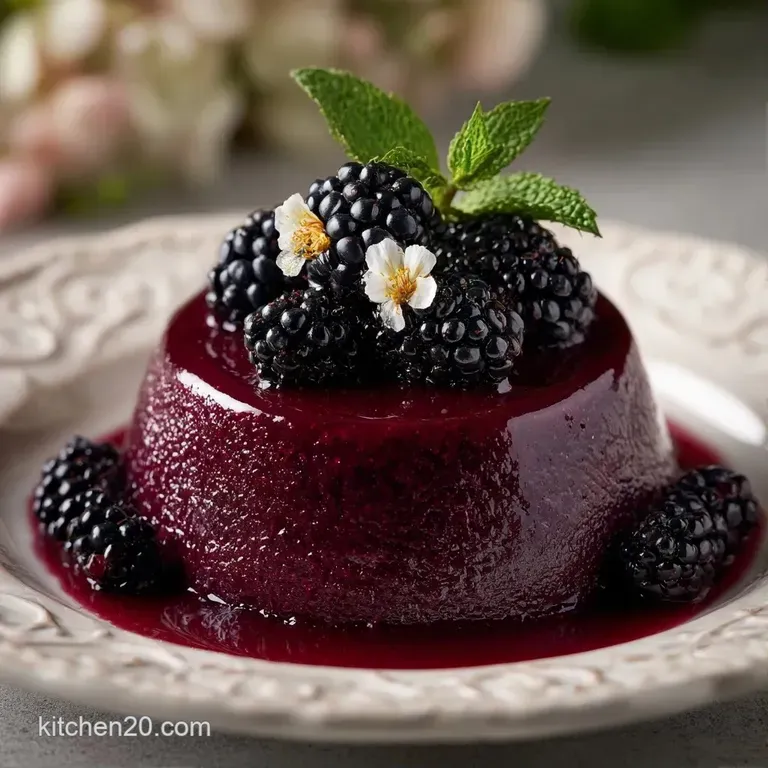
Even if you follow everything, curds can be finicky. According to the basics of egg based sauces on Serious Eats, temperature control is the only thing that really matters here.
Troubleshooting Common Issues
| Issue | Solution |
|---|---|
| Why Your Curd is Runny | If your Mulberry Curd hasn't thickened after 10 minutes, you likely had the heat too low or didn't whisk enough to activate the egg proteins. |
| Why Your Curd Curdled | Small lumps mean the eggs cooked too fast. |
| Why the Color is Dull | If the purple looks brownish, the acid balance was off. Adding a tiny bit more lemon juice at the end can sometimes brighten the hue. |
Common Mistakes Checklist
- ✓ Using a thin pot (causes hot spots)
- ✓ Adding butter while the pan is still on the heat
- ✓ Skipping the straining step (leaves seeds)
- ✓ Boiling the mixture (scrambles the eggs)
Creative Twists and Swaps
Once you've got the base down, you can play with the flavor profile. I love adding a teaspoon of vanilla bean paste to make it taste more like a dessert and less like a preserve.
If you want a boozy depth, stir in a splash of Grand Marnier or Elderflower liqueur after you remove the pan from the heat. For those looking for something a bit lighter, you can replace half the butter with mascarpone cheese, which gives it a tangier, creamier vibe.
If you're in a mood for other berry treats, you might like my Mulberry Jam recipe for something sweeter and more traditional. This curd is a bit more sophisticated, but the jam is a classic for a reason.
Decision Shortcut If you want it thicker → use 4 yolks instead of 3 whole eggs. If you want it tarter → add an extra teaspoon of lemon zest. If you want it floral → add 1/2 tsp of rose water during the butter phase.
Adjusting the Batch Size
Scaling this isn't as simple as doubling everything because the heat distribution changes in a larger pot.
Scaling Down (Half Batch) Use a smaller saucepan to prevent the puree from spreading too thin and evaporating too quickly. Reduce the cook time by about 20%, and since you can't easily halve an egg, beat one egg in a cup and use half of the liquid.
Scaling Up (Double Batch) When doubling the Mulberry Curd, don't double the salt use about 1.5x the amount. Work in batches when adding the butter so the emulsion doesn't break.
You'll likely need to extend the whisking time by 3-5 minutes because the larger volume takes longer to reach the thickening point.
| Original | 1/2 Batch | 2x Batch | Note |
|---|---|---|---|
| Mulberries | 150g | 600g | Use a wider pan for 2x |
| Butter | 56g | 226g | Add in smaller chunks |
| Cook Time | 8 mins | 12-15 mins | Watch for the spoon coat |
Common Misconceptions
There are a few things people tell you about curds that just aren't true.
Myth: You must use a double boiler. While a double boiler is safe, a heavy bottomed pot on medium low heat works perfectly. The key is the constant whisking, which prevents the eggs from sitting in one hot spot for too long.
Myth: Cornstarch is needed for a thick set. Adding starch creates a "pudding" texture, not a "curd" texture. A real Mulberry Curd relies on the emulsion of fat and protein. If it's too runny, it's a temperature issue, not a missing ingredient issue.
Storage Guidelines
Because of the high egg and butter content, you have to be careful with how you store this.
Fridge Storage Keep your Mulberry Curd in an airtight glass jar. It stays fresh for about 10-14 days. Always use a clean spoon to scoop it out, or you'll introduce bacteria that can make it spoil faster.
Freezing I don't recommend freezing this. The emulsion can break during the freeze thaw cycle, leaving you with a separated, oily mess. If you have too much, use it as a filling for a Mulberry Cake and freeze the cake slices instead.
Zero Waste Tips Don't throw away the seeds and skins from the straining process! You can add them to a compost bin, or if you're feeling adventurous, dry them out in a low oven and grind them into a powder to add a "berry dust" garnish to other desserts.
Pairing Ideas
The versatility of this spread is where it really shines. Depending on how you plate it, you can move from a quick breakfast to a high end dessert.
- Simple
- A generous dollop on a toasted English muffin or a warm scone.
- Polished
- Layered in a glass parfait with Greek yogurt, granola, and a few fresh berries on top.
- Restaurant
- A precise swipe of curd across a white plate, topped with a lemon tuile and a single fresh mulberry.
| Level | Component | Tweak |
|---|---|---|
| Simple | Buttered Toast | Add a pinch of flaky salt |
| Polished | Parfait | Use honey toasted oats |
| Restaurant | Plated Dessert | Add a mint leaf for color |
Whether you're using it as a filling for a Mulberry Pie or just eating it with a spoon, the Mulberry Curd is a great way to use up a seasonal harvest. It's a bit of a project, but the velvety texture and the deep, royal color make it worth every second at the stove. Just remember to keep that heat low, whisk in that figure eight, and let it chill properly before you dive in.
Recipe FAQs
Is the fruit from a mulberry tree safe to eat?
Yes, they are completely safe and nutritious. Just ensure you wash fresh berries thoroughly to remove any debris before blending.
What does mulberry taste like?
It tastes like a blend of blackberry and raspberry. It shares that familiar berry sweetness but typically has a milder, more honey like finish.
Why don't they sell mulberries in stores?
They are too fragile for commercial shipping. The berries bruise and spoil almost immediately after picking, which makes them nearly impossible to transport to supermarkets.
Why is my mulberry curd runny after cooking?
Your heat was likely too low or you didn't whisk enough. Constant movement and correct temperature are both required to properly activate the egg proteins and thicken the mixture.
Why did my mulberry curd curdle or develop lumps?
The eggs cooked too quickly. Use a heavy bottomed saucepan and maintain medium low heat to prevent hot spots that scramble the eggs.
How to store mulberry curd to keep it fresh?
Keep it in an airtight glass jar in the fridge. Use a clean spoon for every scoop to prevent bacteria from spoiling the curd before the 10-14 day mark.
In which recipes can I use this curd besides toast?
Use it as a cake filling or a tart topping. If you loved the sweet tart balance here, see how we use the same flavor profile in our mulberry pound cake.
Mulberry Curd Recipe