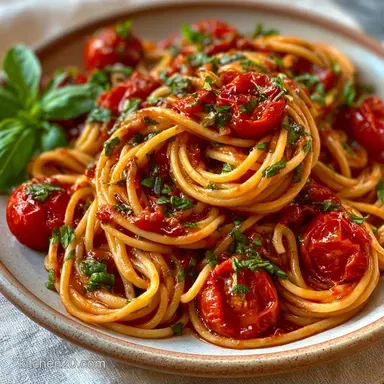
One Pot Tomato Basil Pasta with Cherry Tomatoes
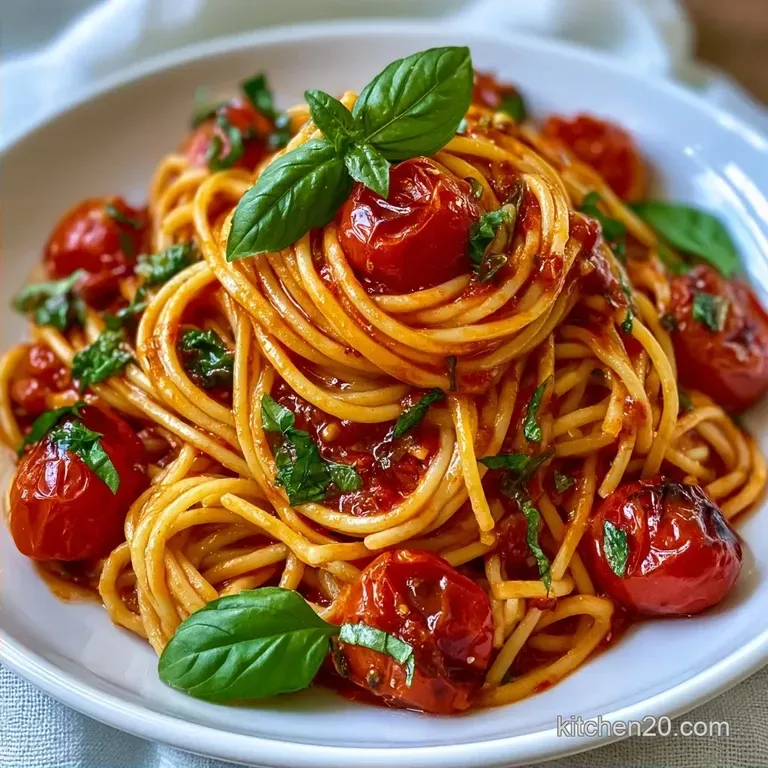
- Time: 5 min active + 15 min cooking
- Flavor/Texture Hook: Zesty, rich sauce that clings to every noodle
- Perfect for: Busy weeknights or beginner cooks
- One Pot Tomato Basil Pasta
- The Trick to Thick Sauces
- Ingredient Deep Dive
- Pantry Staples and Swaps
- Tools for a Single Pot
- Step-by-Step Cooking Flow
- Fixing Texture and Flavor
- Troubleshooting Common Issues
- Adjusting the Batch Size
- Common Kitchen Myths
- Keeping Leftovers Fresh
- Best Side Pairings
- Recipe FAQs
- 📝 Recipe Card
One Pot Tomato Basil Pasta
The smell of bursting cherry tomatoes hitting hot olive oil is what makes this dish. I used to think canned tomatoes were the only way to get a rich sauce, but halved cherry tomatoes are the real hero here. They pop during the simmer, releasing a natural sweetness and acidity that canned versions just can't touch.
This isn't some fancy restaurant technique, just a streamlined way to get dinner on the table. You don't have to wait for a massive pot of water to boil or deal with steaming clouds in your face while draining pasta.
Expect a meal that feels cohesive. Because the linguine cooks in the vegetable broth, the pasta absorbs the flavor from the inside out. It's a simple, efficient system that leaves you with one pan to wash.
The Trick to Thick Sauces
- Pasta Starch: Since we don't drain the water, the starch released by the noodles acts as a natural thickener for the sauce.
- Tomato Reduction: Simmering the cherry tomatoes with the pasta lets the liquid evaporate, concentrating the flavors.
- Fresh Finish: Adding lemon and basil at the very end keeps the flavors bright and prevents the herbs from turning brown.
| Method | Time | Texture | Best For |
|---|---|---|---|
| One Pot | 20 mins | Creamy/Starchy | Weeknights |
| Classic | 35 mins | Clean/Separate | Formal Dinners |
Ingredient Deep Dive
| Ingredient | What It Does | Best Swap |
|---|---|---|
| Cherry Tomatoes | Creates the sauce base | Grape tomatoes |
| Vegetable Broth | Cooks pasta and adds depth | Water + extra salt |
| Parmesan | Adds salt and richness | Pecorino Romano |
| Linguine | Holds the sauce well | Spaghetti |
Pantry Staples and Swaps
- 12 oz (340g) linguine or spaghetti Why this? Flat noodles grab more sauce
- 2 cups (300g) cherry tomatoes, halved Why this? High sugar content for sweetness
- 4 cloves (12g) garlic, thinly sliced Why this? Sliced garlic doesn't burn as fast
- 1 small (110g) yellow onion, finely diced Why this? Provides a savory aromatic base
- 2 tbsp (30ml) extra virgin olive oil Why this? high quality oil adds fruitiness
- 3 cups (710ml) vegetable broth (low sodium) Why this? Controls salt levels better
- 1 tsp (5g) dried oregano
- ½ tsp (2.5g) red pepper flakes
- 1 tsp (6g) salt
- ½ tsp (3g) black pepper
- ½ cup (15g) fresh basil leaves, torn Why this? Torn leaves release more oil
- ½ cup (50g) freshly grated Parmesan cheese
- 1 tbsp (15ml) lemon juice Why this? Cuts through the richness
Tools for a Single Pot
You only need a few things here. A large pot or a Dutch oven is a must because you need room to stir the long noodles without them breaking. I prefer a wide bottomed pot so the liquid evaporates evenly.
Tongs are a lifesaver for this recipe. They let you push the pasta down into the broth and swirl it around without mashing the tomatoes. A sharp chef's knife and a cutting board handle the rest of the prep.
Step-by-step Cooking Flow
- Heat olive oil in a large pot or Dutch oven over medium heat.
- Sauté diced onion for 3-4 mins until translucent and soft.
- Add sliced garlic and red pepper flakes. Stir for 60 seconds until garlic is pale golden.
- Pour in the vegetable broth. Note: Use low sodium to avoid oversalting.
- Stir in halved cherry tomatoes, dried oregano, salt, and pepper.
- Increase heat and bring the liquid to a gentle boil.
- Add linguine to the boiling liquid. Use tongs to push the noodles down as they soften.
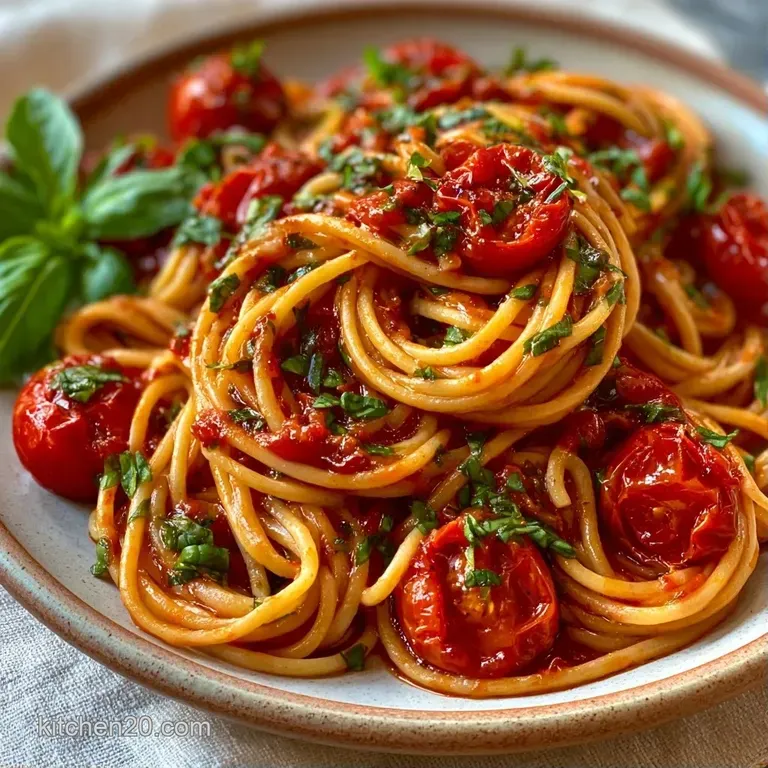
- Reduce heat to medium low. Simmer uncovered, stirring occasionally, for about 10-12 mins until pasta is al dente and liquid is a velvety sauce.
- Remove the pot from heat.
- Stir in fresh basil leaves, grated Parmesan, and lemon juice to finish.
Chef's Note: If you see the liquid disappearing too fast before the pasta is cooked, splash in an extra 1/4 cup of broth. Every stove behaves differently.
Fixing Texture and Flavor
If the dish doesn't turn out quite right, it usually comes down to the liquid ratio or the heat. Most people struggle with the "mushy" factor because they overcook the noodles in the final stage.
Troubleshooting Common Issues
| Issue | Solution |
|---|---|
| Why Your Pasta Is Mushy | This happens when the simmer goes on too long or the heat is too high, causing the pasta to release too much starch and break down. According to Serious Eats right before serving. It adds a layer of garlic and pine nuts that makes the dish feel more complex. |
| Original Ingredient | Substitute | Why It Works |
|---|---|---|
| Vegetable Broth | Chicken Broth | Deeper, meatier flavor profile |
| Linguine | Penne | Easier to stir, but absorbs sauce differently |
| Parmesan | Nutritional Yeast | Nutty, salty flavor for vegans |
Adjusting the Batch Size
When you're cooking for a crowd or just yourself, don't just double everything blindly. Liquids and spices don't always scale linearly.
Scaling Down (1/2 Batch): Use a smaller pot to prevent the liquid from evaporating too quickly. Reduce the total simmer time by about 20% because the smaller volume of pasta heats through faster. Beat one egg if adding protein, then use half.
Scaling Up (2x Batch): Only increase the salt and red pepper flakes to 1.5x the original amount. Start there and taste before adding more. Reduce the total broth by about 10% since a larger pot often retains more moisture. Work in batches if your pot isn't large enough to allow the noodles to move.
Common Kitchen Myths
Searing the garlic doesn't "lock in" the flavor, but it does change the chemical structure to create a nuttier taste. If you burn it, though, the whole pot will taste bitter, so keep it pale.
Many think you must salt the water heavily for pasta. In this recipe, the vegetable broth and Parmesan already provide plenty of sodium, so adding too much extra salt early on can make the dish inedible.
Keeping Leftovers Fresh
Store any remaining pasta in an airtight container in the fridge for up to 4 days. The noodles will continue to absorb the sauce as they sit, so the leftovers will be thicker than the original meal.
For reheating, add a splash of water or broth before microwaving or heating on the stove. This loosens the sauce and brings back that glossy texture. I don't recommend freezing this dish, as the dairy in the Parmesan can separate and the pasta often becomes grainy.
To avoid waste, save your onion skins and the ends of the garlic. Toss them in a freezer bag and simmer them with other veggie scraps to make your own homemade stock for the next time you make this recipe.
Best Side Pairings
This pasta is rich and zesty, so it needs something crisp to balance it out. I love serving this with a side of fresh tomato bruschetta for a full Italian style spread.
A simple arugula salad with a lemon vinaigrette also works well. The peppery greens cut through the starch of the noodles. If you want something heartier, a piece of grilled sourdough rubbed with a raw garlic clove is the way to go.
Recipe FAQs
Is this one pot tomato basil pasta easy to prepare?
Yes, it is very simple. The entire process takes only 20 minutes from start to finish using a single pot.
How to cook one pot tomato basil pasta?
Sauté onion and garlic in olive oil, then simmer pasta in vegetable broth with cherry tomatoes and oregano. Stir in fresh basil, Parmesan, and lemon juice before serving.
Is one pot tomato basil pasta healthy?
Yes, it is a nutritious meal. It incorporates fresh vegetables and heart healthy olive oil while keeping the ingredient list minimal.
Can I use an Instant Pot for this recipe?
No, use a stovetop pot or Dutch oven. The uncovered simmering process is necessary to reduce the liquid into a velvety sauce, which doesn't happen under pressure.
Is it true I must boil the pasta in a separate pot for the best texture?
No, this is a common misconception. Cooking the noodles directly in the broth allows the released starch to thicken the sauce naturally.
What can I use instead of vegetable broth?
Use chicken broth for a deeper flavor. If you enjoy building rich profiles like this, see how we create a similar depth in our homemade spaghetti sauce.
Why did my pasta turn out mushy?
Avoid simmering for too long or using too high a heat. Overcooking causes the pasta to release excessive starch and break down.
One Pot Tomato Basil Pasta