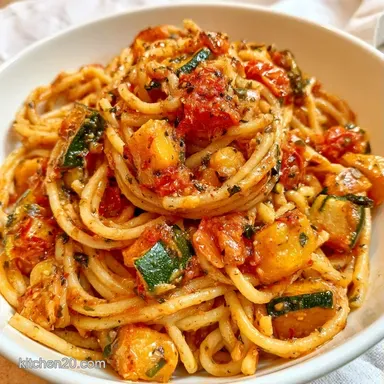
Vibrant Pasta with Summer Squash
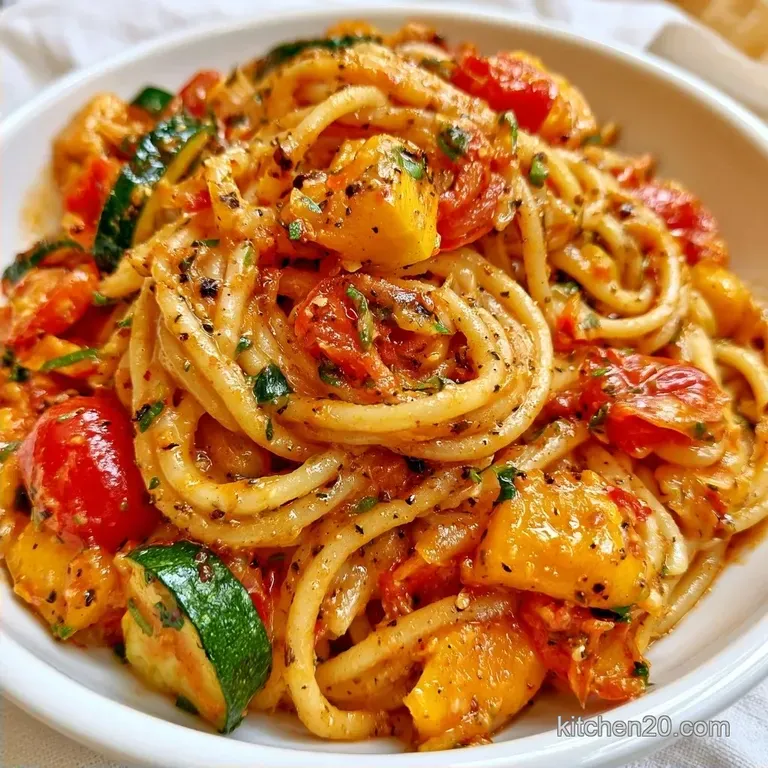
- Time: 10 min preparation + 15 min stove time
- Taste Highlight: Caramelized squash with a bright, zesty citrus finish
- Perfect for: A light, nutrient dense weeknight dinner
Sizzle. That's the sound of zucchini and yellow squash hitting a shimmering pan of olive oil. Within moments, the air fills with a nutty, toasted aroma, signaling that the browning is actually working.
I remember my first few attempts at this dish, where I simply tossed everything in and ended up with a pale, soggy pile of vegetables that lacked any real punch.
I eventually discovered that the secret is high heat and patience. You must let the vegetables sit undisturbed until they develop a golden crust. That char is where the deep flavor lives, elevating a simple garden meal into something that feels intentional and polished.
This Pasta with Summer Squash is my favorite for those humid August nights when the oven is off-limits. It is a rapid process that relies on a few strategic moves to achieve a rich, silky texture.
We use a bit of the pasta water to bridge the gap between the oil and the cheese, creating a sauce that feels luxurious while staying light.
Why Most Recipes Fail
Overfilling the Pan: Overcrowding a small skillet causes vegetables to steam rather than sear. This essentially boils the squash in its own liquids, resulting in a soft, mushy consistency rather than those desired browned edges.
Missing Pasta Water: A common mistake is draining the pasta completely before adding it to the vegetables. Without a splash of starchy cooking water, the oil and parmesan won't emulsify, which often results in a layer of grease pooling in the dish. If you've made my avocado pasta sauce, you'll understand how critical a smooth emulsion is for the final texture.
Overcooking the Vegetables: Because squash contains so much water, sautéing it for ten minutes will turn it into a paste. You want a tender crisp result, where the vegetable retains a slight bite.
Essential Kitchen Tools
You don't need fancy gear, but a wide skillet is essential. A stainless steel or cast iron pan measuring 12 inches ensures the squash has enough room to breathe. Using a small non-stick pan will likely force you to work in batches, which just adds more time to your evening.
For the pasta, a large pot is ideal. You'll want plenty of water to keep the noodles moving so they don't stick together. I also recommend a fine grater or a microplane for the parmesan.
Commercial shredded cheese is processed with potato starch to prevent clumping in the bag, but that same additive stops it from melting seamlessly into your sauce.
What Each Ingredient Does
The magic of Pasta with Summer Squash comes from how the different components interact. We're building a platform of flavors that starts with fat and ends with acid.
| Ingredient | Role | If You Don't Have It |
|---|---|---|
| Summer Squash | Main body and sweetness | Zucchini or peeled eggplant |
| Pasta Water | Emulsifier for the sauce | A splash of veg broth (less starchy) |
| Parmesan | Saltiness and thickness | Pecorino Romano or nutritional yeast |
| Lemon | Brightness and acid | White wine or apple cider vinegar |
Recipe Specs and Timing
This is a fast moving recipe. Once the pasta hits the water, the clock starts ticking. You want the vegetables and the noodles to finish at the exact same time so nothing sits around getting cold.
- 1. Pasta Water
- Reserve exactly 240ml (1 cup) before draining.
- 2. Searing
- Let squash sit for 2-3 minutes without stirring.
- 3. Timing
- Pull pasta 1 minute before the box says "al dente."
| Feature | Stovetop | Oven |
|---|---|---|
| Control | High (Real time) | Low (Set and forget) |
| Texture | High sear/char | Even softening |
| Time | 25 minutes | 45 minutes |
Step-by-step Cooking Guide
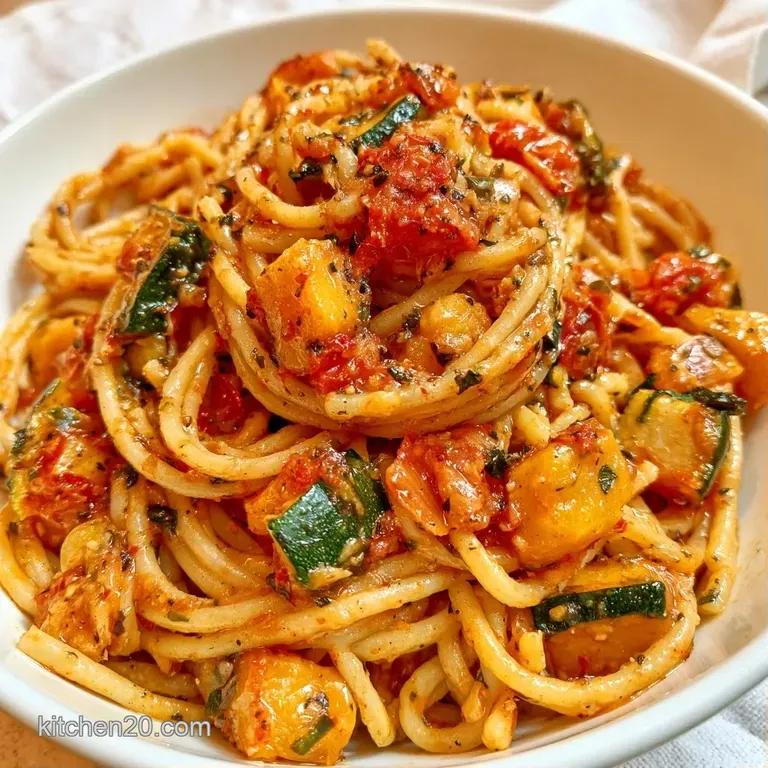
Boiling the Al Dente Base
Fill a large pot with salted water and bring it to a boil. Stir in 450g of fusilli or spaghetti, cooking until 1 minute before al dente. Note: This prevents the pasta from overcooking when it hits the hot pan later. Set aside 240ml (1 cup) of the starchy pasta water before draining.
Searing the Summer Squash
Warm 45ml (3 tbsp) of olive oil in a wide skillet over medium high heat until it looks glossy. Add 450g of sliced yellow squash and 450g of sliced zucchini in a single layer. Leave them undisturbed for 2-3 minutes until a golden brown crust forms, then stir and cook for another 3 minutes until tender crisp.
Building the Aromatic Base
Lower the heat to medium. Push the squash to the sides of the pan and add 4 thinly sliced cloves of garlic and 1/2 tsp red pepper flakes to the center. Sauté for 60 seconds until the garlic is fragrant and translucent.
Adding the Color
Add 1 cup of halved cherry tomatoes to the pan. Sauté for 2 minutes until they begin to soften and just barely burst.
Emulsifying the Sauce
Toss in the cooked pasta. Pour in the reserved pasta water and mix in 120g (1/2 cup) of freshly grated Parmesan cheese. Whisk and stir quickly until a glossy emulsion forms that clings to the pasta.
Finishing with Freshness
Take the pan off the heat right away. Stir in the zest and juice of one medium lemon and 1/2 cup of torn fresh basil leaves. Season with salt and black pepper to taste.
Avoiding Common Pitfalls
If your sauce feels disconnected or the vegetables are too soft, it usually comes down to temperature management. The most common issue is the "watery puddle" effect. This happens when the pasta water isn't incorporated quickly enough or the heat is too low to bind the cheese.
Another frustration is garlic burning. Sliced garlic cooks much faster than minced garlic. If you see it turning dark brown, it will taste bitter. Always push your vegetables aside to create a "safe zone" for the garlic to soften in the oil.
Fixing Watery Vegetables
If your squash is releasing too much liquid, your pan likely wasn't hot enough. Crank the heat up and let the moisture evaporate before adding the pasta.
Correcting a Dry Sauce
If the pasta looks matte or dry, add another splash of pasta water or a drizzle of extra virgin olive oil.
| Problem | Fix |
|---|---|
| Soggy Squash | Increase heat; don't crowd the pan |
| Clumpy Cheese | Use freshly grated parm; whisk faster |
| Bitter Garlic | Lower heat before adding; don't over brown |
Storage and Scrap Tips
This Pasta with Summer Squash is most delicious served fresh, though leftovers will stay good in a sealed glass container in the refrigerator for 3 days. When warming it back up, use the stove on low with a tablespoon of water; a microwave typically makes the cheese oily and the squash too soft.
Avoid tossing your zucchini scraps or lemon ends. I use a "scrap bag" in the freezer for making vegetable stock. You can even blend the basil stems into pesto or add them to a soup for added herbal depth.
Ways to Customize
This recipe is flexible enough to accommodate whatever you have in the kitchen. For a more substantial meal, try a Pasta with Summer Squash and Sausage by browning Italian sausage links before you sauté the vegetables. The rendered fat adds a rich, savory depth that offsets the brightness of the lemon.
To change the texture, consider a wider noodle like pappardelle, which grips the squash slices more effectively. If you're craving more vegetables, this pairs beautifully with a summer veggie pasta salad for a complete garden style feast.
| Original Ingredient | Substitute | Why It Works |
|---|---|---|
| Spaghetti | Fusilli or Penne | Better for capturing small pieces of garlic |
| Parmesan | Pecorino Romano | Provides a sharper, saltier profile |
| Fresh Basil | Fresh Parsley | Clean and grassy; less sweet than basil |
| Yellow Squash | Yellow Zucchini | Almost identical in flavor and texture |
Best Serving Strategies
To make this dish look as good as it tastes, focus on a connected color palette. I use three specific color accents to make the plate pop. First, the red from the cherry tomatoes provides a sharp contrast to the green and yellow. Second, the bright yellow of the lemon zest adds a highlight.
Finally, the deep green of the torn basil provides a fresh finish.
Add the basil and zest at the very last second. If you cook the basil, it turns dark and loses its punch. By folding it in off the heat, the residual warmth releases the oils without killing the color.
The Final Touch: Serve this in shallow bowls rather than deep plates. This keeps the pasta from clumping and allows the seared squash to stay visible on top. A final crack of black pepper and a drizzle of high-quality olive oil on top brings everything together.
Bread Complement: A piece of toasted sourdough rubbed with a raw garlic clove is the perfect companion. It's great for mopping up the last bits of that glossy, cheesy sauce.
The Protein Boost: If you need more protein, toss in some grilled shrimp or chickpeas during the final toss. Both options maintain the light, summery feel of the Pasta with Summer Squash without weighing it down.
| Goal | What to change |
|---|---|
| Creamier | Double the Parmesan |
| Spicier | Use 1 tsp red pepper flakes |
| Zestier | Add extra lemon juice |
Clearing Up Squash Myths
You might hear that searing vegetables "seals in the juices." This is simply not true. Moisture loss happens regardless of how you start the cook. The real reason we sear is for flavor. The browning creates a complex, nutty taste that you just can't get from steaming or boiling.
Another myth is that you need to peel zucchini or yellow squash. The skin is where most of the nutrients and the structure live. If you peel them, they turn into mush almost instantly in the pan. Keep the skin on for that essential bite.
This Pasta with Summer Squash is a lesson in simplicity. By focusing on the heat and the emulsion, you turn a few garden staples into a meal that feels sophisticated. It's all about the synergy between the charred vegetables and the bright citrus finish.
Next time your garden is overflowing with squash, give this a try. You'll see that the difference between a soggy mess and a brilliant dinner is just a few minutes of undisturbed searing.
Recipe FAQs
Does this pasta with summer squash stay simple to prepare?
Yes, it takes only 25 minutes from start to finish. Most of the time is spent boiling the water and quickly sautéing the vegetables.
How to make the sauce creamy without using heavy cream?
Whisk the reserved starchy pasta water and grated Parmesan cheese into the pan over medium heat. This creates a glossy emulsion that clings to the noodles.
Is it true that I should turn this into a summer squash pasta bake?
False. This dish is designed to be a fresh, sautéed pasta and would lose its bright lemon and basil flavors if baked.
Can I use different tomatoes for this Italian style dish?
Cherry tomatoes are best because they burst and create a light sauce. If you enjoy working with fresh produce, you can freeze tomatoes for future batches during the off-season.
Why did my summer squash turn out mushy?
You likely stirred the vegetables too often or overcooked them. Let the squash sit undisturbed for 2-3 minutes to develop a golden brown crust before stirring.
Pasta With Summer Squash