Thai Peanut Buddha Bowl Recipe
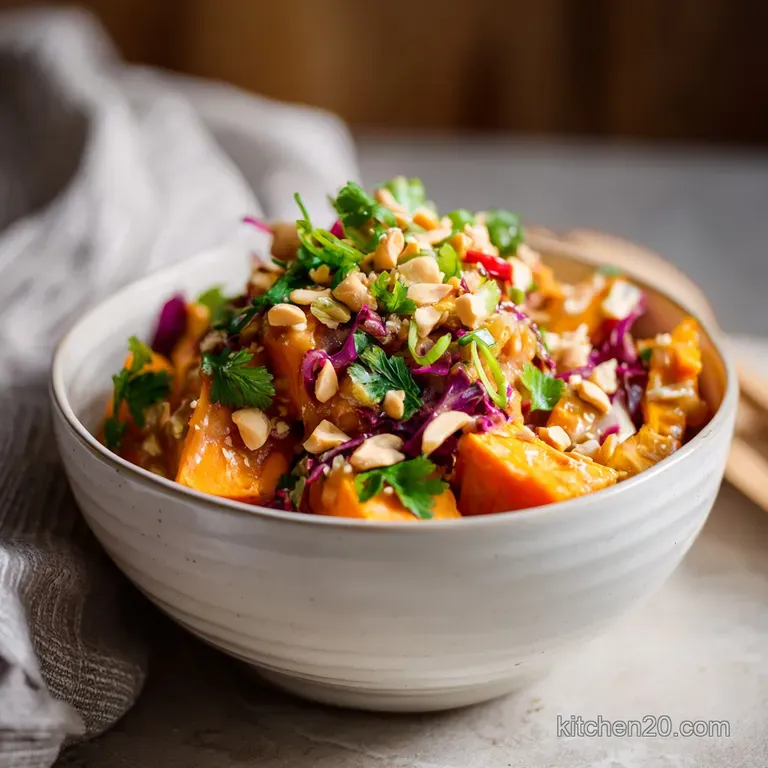
- Time: Active 15 minutes, Passive 30 minutes, Total 45 minutes
- Flavor/Texture Hook: Crunchy roasted chickpeas paired with a velvety, zingy peanut glaze
- Perfect for: High energy weeknight fuel or rapid Sunday meal prep
- Mastering the Radiant Thai Peanut Buddha Bowl
- The Mechanics of Flavor Balance
- Essential Components for Success
- Minimal Gear for Maximum Speed
- The Building Blocks
- Executing the Perfect Assembly
- Fixing Common Texture Flaws
- Troubleshooting Common Issues
- Creative Flavor Iterations
- Preservation and Refreshing Steps
- Plating for Visual Impact
- Recipe FAQs
- 📝 Recipe Card
Mastering the Radiant Thai Peanut Buddha Bowl
The first time I really nailed this dish, I was staring at a screen of messy code and a fridge that looked like a wasteland. It was 7 PM, my brain was fried, and I needed something that felt like a "win" without requiring a three hour culinary expedition.
I threw the sweet potatoes into the oven, and the moment that sharp, sweet aroma of caramelized starch started drifting through the hallway, I knew I was onto something. It wasn't just food, it was a sensory reset.
When you finally pull that tray out of the oven, you hear the quiet hiss and sizzle of the chickpeas losing their moisture, turning into little golden marbles of crunch. That sound is the signal that you're about to eat something world class. It’s a fusion of textures that just makes sense.
You get the soft, yielding interior of the potato, the snap of the edamame, and that peanut sauce that just coats everything like a silk blanket. We’re not just throwing things in a bowl here, we’re engineering a meal that hits every single taste receptor you have.
The promise of this Thai Peanut Buddha Bowl is simple: efficiency without compromise. You don't need fancy gadgets or a massive spice rack. We’re going to use the oven to do 90% of the heavy lifting while you take ten minutes to prep the cold elements.
By the time the timer dings, you’ll have a bowl that looks like it came from a high end bistro but cost you about three dollars to assemble. Trust me, once you taste the way that lime heavy sauce cuts through the fatty peanut butter, you’ll never go back to store-bought dressings again.
The Mechanics of Flavor Balance
Understanding the "why" behind your cooking turns you from a recipe follower into a kitchen architect. In this specific potato buddha bowl, we are managing moisture and Maillard reactions to ensure nothing turns into a mushy pile.
It's about controlling how the heat interacts with the natural sugars in the vegetables and how the fats in the sauce interact with the water content of the greens.
- Hygroscopic Balancing: The sea salt draws moisture to the surface of the sweet potato, allowing the oven's dry heat to evaporate it quickly and create a "shatter" crust while the inside stays creamy.
- The Emulsion Bridge: Peanut butter acts as both a flavor base and a stabilizer, using its natural lecithins to bind the tamari and lime juice into a cohesive, velvety sauce.
- Volatile Extraction: Grating the ginger fresh releases essential oils that provide a sharp, spicy counterpoint to the heavy fats in the peanut butter.
| Method | Time | Texture | Best For |
|---|---|---|---|
| Oven Roast | 30 minutes | Crispy exterior, fluffy center | Deep flavor development |
| Stovetop Sauté | 15 minutes | Softer, browned edges | Busy weeknights with zero wait |
| Air Fryer | 18 minutes | Maximum crunch, very dry | Single servings or extreme speed |
Roasting is generally the gold standard for this recipe because it allows the chickpeas to truly crisp up. If you try to do the chickpeas in a pan, they often stay a bit chewy unless you use a massive amount of oil. The oven provides that 360 degree dry heat that transforms the canned legumes into something addictive.
Essential Components for Success
Every ingredient in this Thai Peanut Buddha Bowl plays a specific role, much like variables in a well written script. We aren't just adding things for bulk, we’re adding them for their structural and chemical contributions to the final bite.
If you understand what each component brings to the table, you can make smarter swaps when your pantry is looking a bit thin.
| Ingredient | Science Role | Pro Secret |
|---|---|---|
| Sweet Potato | Complex carbohydrate/Starch | Cut into 1/2 inch cubes for the most surface area to crunch ratio |
| Peanut Butter | Fat & Emulsifier | Use "natural" styles (only peanuts and salt) to avoid a waxy mouthfeel |
| Tamari | Umami & Salinity | Provides deep fermented notes that salt alone cannot replicate |
| Lime Juice | Acidic Brightness | Always squeeze fresh, bottled juice lacks the volatile citrus oils for the aroma |
The chickpeas are another heavy hitter here. They provide the protein and the "pop." When they roast at 400°F (200°C), the skin dehydrates and pulls away from the bean, creating a tiny air pocket that results in a light, crispy texture.
It’s a completely different experience than eating them straight from the can.
Minimal Gear for Maximum Speed
We are keeping the tool list lean because nobody wants to do two hours of dishes for a 45 minute meal. If you have a decent knife and a solid sheet pan, you are already 90% of the way there.
I'm a big fan of using parchment paper here, not just for the easy cleanup, but because it prevents the sweet potatoes from sticking to the metal and losing their precious crispy skins.
- Large Sheet Pan: A heavy duty rimmed pan (like a Nordic Ware half sheet) ensures even heat distribution so you don't end up with half burnt potatoes.
- Microplane or Grater: This is non negotiable for the ginger. You want a paste, not chunks, so the flavor diffuses perfectly through the sauce.
- Large Mixing Bowl: You'll need this for "massaging" the kale. It sounds extra, but it's the secret to making raw kale actually taste good.
- Mason Jar: The easiest way to make the sauce is to just throw everything in a jar and shake it like you’re making a cocktail.
Chef's Tip: If you don't have a microplane for the ginger, use the edge of a metal spoon to peel it and then finely mince it until it's almost a purée. It’s faster and safer than trying to grate a tiny nub of ginger on a box grater.
The Building Blocks
Let's look at what we’re working with. Remember to use the exact quantities listed to keep the flavor ratios in check. This recipe is designed to be balanced, so the sweetness of the potato perfectly offsets the saltiness of the tamari.
- 4 cups sweet potato: Peeled and cubed. Why this? High starch content creates the best caramelized edges.
- Substitute: Butternut squash (softer texture, less sweet).
- 1 tbsp avocado oil: Why this? High smoke point means it won't burn at 400°F.
- Substitute: Grapeseed oil or refined coconut oil.
- 15 oz canned chickpeas: Drained and patted dry. Why this? Dense protein that crisps up beautifully.
- Substitute: Extra firm tofu cubes (pressed well).
- 2 cups cooked quinoa: Why this? A complete protein that absorbs the sauce well.
- Substitute: Brown rice or farro for a chewier bite.
- 4 cups shredded kale: Why this? Holds up to the heavy sauce without wilting.
- Substitute: Baby spinach (don't massage it, just toss).
- 1/2 cup creamy natural peanut butter: Why this? The fat base for our "liquid gold" sauce.
- Substitute: Almond butter or sunflower seed butter (for nut free).
- 2 tbsp tamari: Why this? Keeps the dish gluten-free while providing salt.
- Substitute: Soy sauce (if gluten isn't an issue).
- 1/2 tsp smoked paprika: Why this? Adds an "outdoor grill" depth to the roasted veg.
- Substitute: Cumin or a pinch of chipotle powder.
If you are looking to expand your bowl repertoire, you might also enjoy the technique used in my Spicy Thai Chicken recipe. It uses a similar flavor profile but focuses on over high heat protein searing.
Executing the Perfect Assembly
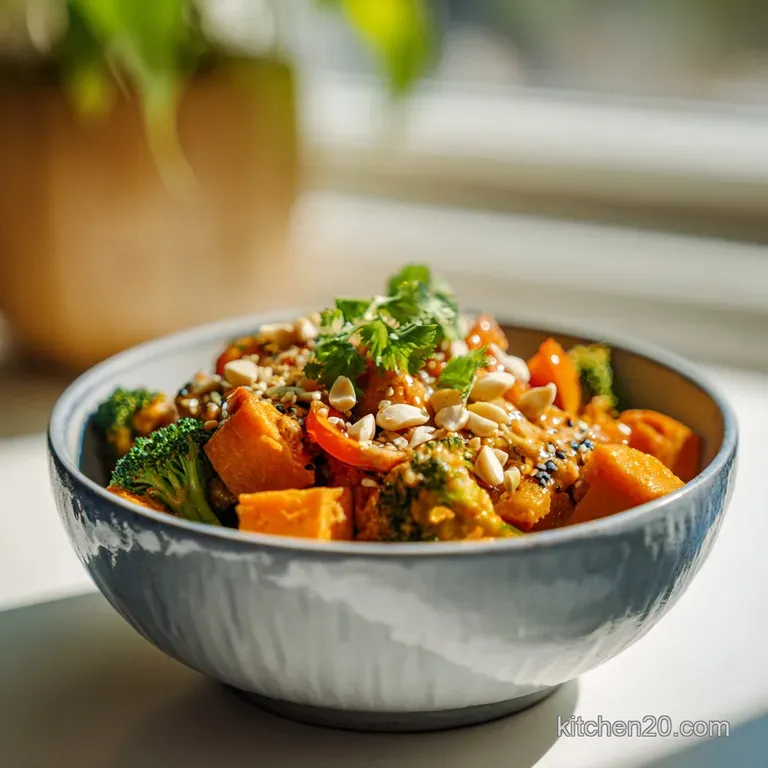
Follow these steps in order to maximize your time. While the oven does the work, you'll handle the prep, meaning you won't be standing around waiting for a timer to go off.
- Preheat and Prep: Set your oven to 400°F (200°C). Line a large sheet pan with parchment paper.
- Season the Veg: Toss the 4 cups of cubed sweet potato and 15 oz of patted dry chickpeas with 1 tbsp avocado oil, 1/2 tsp sea salt, and 1/2 tsp smoked paprika.
- The First Roast: Spread the veg in a single layer. Bake for 30 minutes, until the potatoes are tender and the chickpeas look golden. Note: Don't crowd them or they will steam instead of roast.
- Massage the Greens: While roasting, place the 4 cups of shredded kale in a bowl with a squeeze of lime and a pinch of salt. Squeeze the leaves with your hands for 2 minutes until they turn dark green and feel velvety.
- Whisk the Sauce: In a small bowl or jar, combine 1/2 cup peanut butter, 2 tbsp tamari, 1 tbsp lime juice, 1 tsp grated ginger, and 1 tsp sriracha.
- Emulsify: Add 3 tbsp warm water to the sauce and whisk vigorously until it reaches a pourable, glossy consistency.
- Prep the Cold Elements: Thinly slice the 1 cup of purple cabbage and 1/2 an avocado. Ensure your 1 cup of edamame is thawed.
- Build the Base: Divide the 2 cups of cooked quinoa among four bowls. Layer the massaged kale and shredded cabbage on top.
- The Assembly: Add the roasted sweet potatoes and chickpeas to the bowls. Drop in the edamame and sliced avocado.
- Final Flourish: Drizzle the peanut sauce generously over everything. Top with 1/4 cup chopped cilantro and 2 tbsp crushed peanuts. Serve with extra lime wedges.
This process is similar to how we build layers in the Sweet Potato Buddha recipe, focusing on keeping the fresh and roasted elements distinct until the final toss.
Fixing Common Texture Flaws
Even the most seasoned cooks run into issues when the humidity is high or the produce isn't quite right. The key is knowing how to pivot when things don't look like the photo.
Troubleshooting Common Issues
| Issue | Solution |
|---|---|
| Why Your Sweet Potatoes Are Mushy | This usually happens because of overcrowding. If the cubes are touching, the moisture escaping from one potato gets trapped by the neighbor, creating steam. Steam is the enemy of the crunch. Make sure |
| Why Your Peanut Sauce Is Separated | Natural peanut butter is essentially an oil in-water emulsion that is very fragile. If you add cold water, the fat can "seize," making the sauce look grainy or broken. Use warm water and add it one ta |
| Why Your Kale Is Bitter | Kale contains compounds that can be quite sharp. The "massage" step isn't just for texture, it's chemistry. Breaking the cell walls of the kale releases enzymes that mellow the bitterness and allow th |
Creative Flavor Iterations
If you're feeling adventurous or just need to use up what's in the pantry, this Thai Peanut Buddha Bowl is a very forgiving canvas. You can change the vibe of the dish just by swapping the grain or the dressing base.
- The Low Carb Swap: Replace the quinoa with cauliflower rice and use extra edamame for volume. It lightens the dish significantly while keeping that "bowl" feel.
- The Nut Free Pivot: Use sunflower seed butter (SunButter) in place of peanut butter. It has a slightly earthier taste but behaves exactly the same way in the emulsion.
- The Extra Protein Boost: Add a soft boiled egg or some pan seared tofu. If you go the tofu route, toss it in the same smoked paprika mix as the potatoes.
| Premium Ingredient | Budget Alternative | Flavor Impact | Savings |
|---|---|---|---|
| Shelled Edamame | Frozen Peas | Sweeter, less bite | Save $2.00 |
| Fresh Ginger | Ground Ginger (1/4 tsp) | Less "zing," more warm spice | Save $1.50 |
| Avocado | Extra Peanut Sauce | Creamy but less fresh | Save $1.50 |
If you want to keep the "fusion" vibe going but with a different noodle base, have a look at the Chang Thai Noodles recipe. It's a great way to use up any leftover peanut sauce you might have.
Preservation and Refreshing Steps
While I usually suggest eating this fresh to enjoy the contrast of hot and cold, it actually holds up surprisingly well for 24-48 hours. The trick is to keep the components separate.
Storage: Store the roasted sweet potatoes and chickpeas in one container, and the fresh greens/cabbage in another. The peanut sauce should live in its own small jar. The roasted veg will last 4 days in the fridge, while the cut avocado should be saved for the last minute.
Freezing: You can freeze the cooked quinoa and the roasted sweet potatoes for up to 2 months. However, do not freeze the kale, cabbage, or the completed sauce. The emulsion in the peanut sauce will break upon thawing, leaving you with a watery mess.
Zero Waste: Don't throw away those kale stems! Slice them very thinly and sauté them with a little tamari for a crunchy snack, or toss them into a morning smoothie. If you have leftover peanut sauce, it makes an incredible dip for raw carrots or a spread for a quick wrap the next day.
Plating for Visual Impact
We eat with our eyes first, especially with a "buddha bowl" which is all about the rainbow of colors. Instead of just tossing everything together in a heap, try "zoning" your ingredients.
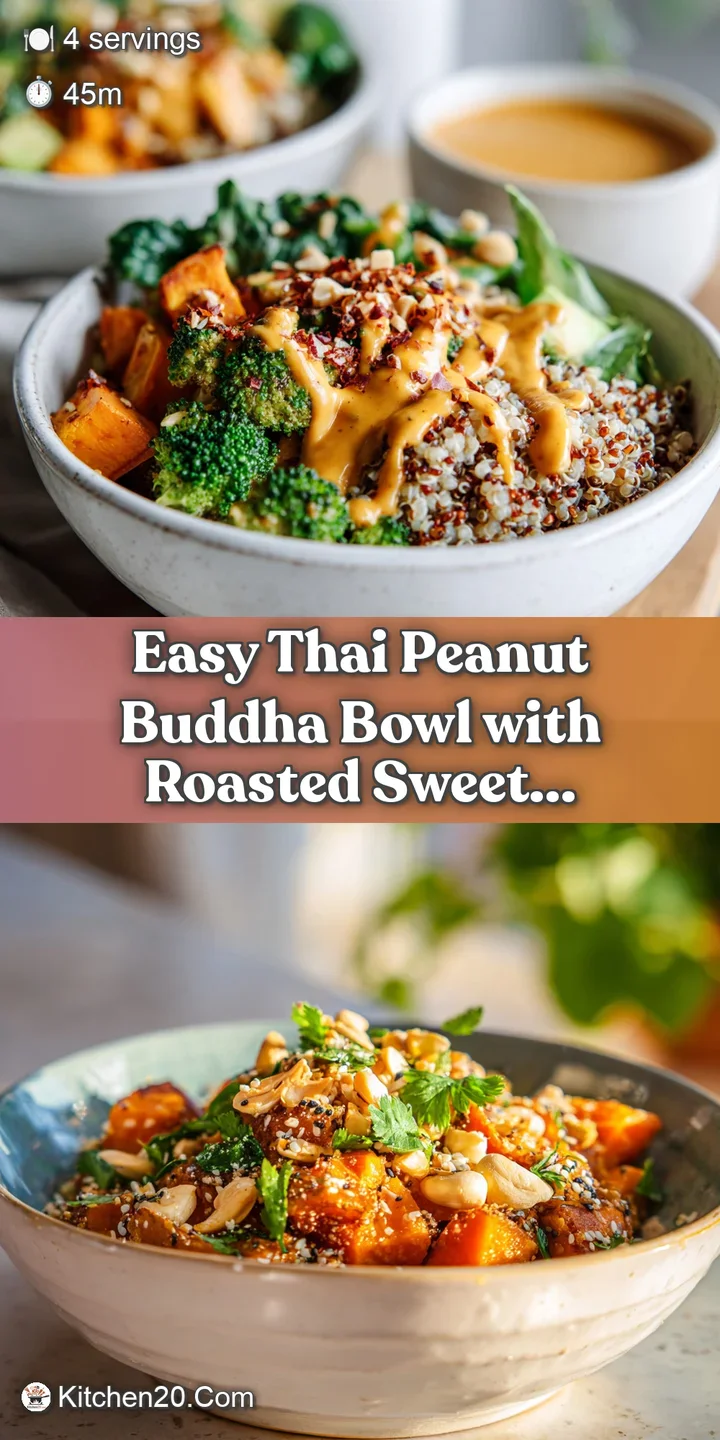
Place the quinoa in the center, then create little piles of color around the perimeter: the orange potatoes, the purple cabbage, the green edamame, and the golden chickpeas.
Drizzle the sauce in a zigzag pattern across the top rather than dumping it in the middle. This ensures every bite gets a bit of dressing without drowning the textures. Finish with a heavy hand of cilantro and those crushed peanuts.
The peanuts aren't just for flavor, they provide a "secondary crunch" that contrasts with the "hard crunch" of the chickpeas.
Right then, you're ready to roll. This Thai Peanut Buddha Bowl is your new secret weapon for those nights when you need high-quality fuel but your brain capacity is at zero. It's logic driven cooking that tastes like a vacation. Enjoy every bite!
Recipe FAQs
Can I make the peanut sauce ahead of time for the Buddha Bowl?
Yes, the sauce keeps well for four days. Whisk it until smooth, then store it in an airtight jar in the refrigerator. You might need to stir in a teaspoon of warm water before serving if it thickens too much.
How to ensure the roasted chickpeas are crunchy and not chewy?
Pat the rinsed chickpeas completely dry before seasoning. Excess surface water turns into steam in the oven, which results in a soft texture, so drying them thoroughly is crucial for a proper crisp.
Is it mandatory to massage the raw kale before serving this bowl?
No, it is not mandatory, but highly recommended. Massaging the kale with oil and acid breaks down its tough cellulose structure, significantly reducing bitterness and improving its overall chewiness.
What grain should I use if I want the bowl to be lower in carbohydrates?
Substitute the quinoa with riced cauliflower. Cauliflower rice maintains a similar bulk without the starch content, making it an excellent low-carb substitute for absorbing the peanut dressing.
How do I adjust the sauce if I need to avoid peanuts entirely?
Substitute the peanut butter with an equal amount of almond butter or sunflower seed butter. If you enjoyed controlling the emulsion for this sauce, see how that same stabilizing technique works in our Spring Roll Peanut Sauce recipe.
How to cook the sweet potatoes so they are crispy on the outside and soft inside?
Roast the cubes cut into uniform 1/2 inch pieces at 400°F (200°C) without overcrowding the pan. This maximizes surface area exposure to the dry heat, promoting caramelization (Maillard reaction) rather than steaming.
What's the best way to store leftovers while maintaining the texture contrast?
Store the roasted vegetables and the sauce separately from the raw greens. The heat and moisture from the vegetables will cause the kale to wilt quickly if stored together.
Peanut Buddha Bowl Recipe
Ingredients:
Instructions:
Nutrition Facts:
| Calories | 726 kcal |
|---|---|
| Protein | 30.3 g |
| Fat | 31.6 g |
| Carbs | 87.2 g |
| Fiber | 16.3 g |
| Sugar | 8.8 g |
| Sodium | 545 mg |
