Steel Cut Oats: the Slow-Cooked Perfection Method
- Proper Porridge: Why Steel Cut Oats Are Worth the Wait
- The Science of Texture: Achieving the Creamy Chew
- Essential Kit and Pantry Prep
- Slow-Simmer Method: Stovetop Instructions for Success
- Porridge Pro Tips and Troubleshooting Common Errors
- Maximizing Your Batch: Storage, Reheating, and Make-Ahead Oats
- Beyond the Basics: Elevating Your Serving Ideas
- Recipe FAQs
- 📝 Recipe Card
Proper Porridge: Why Steel Cut Oats Are Worth the Wait
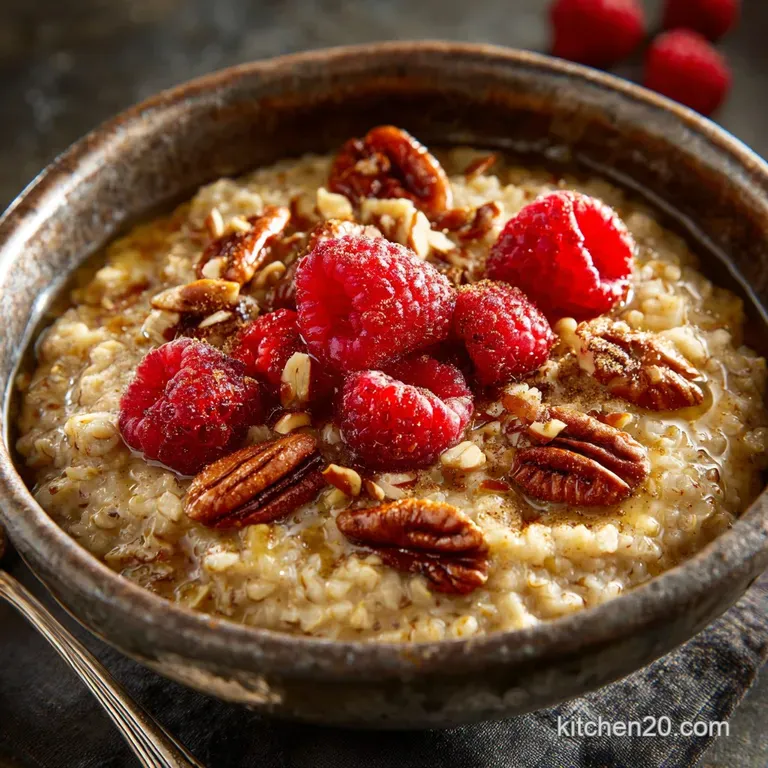
When that perfect, nutty aroma starts drifting through the kitchen, you know it’s going to be a good morning. Forget the bland, gluey stuff we are talking about proper, chewy, slow simmered porridge. This is the ultimate guide to making truly delicious Steel Cut Oats (1).
If you think making this is a fussy, time consuming breakfast, you are missing the point entirely. Yes, they take longer than those instant flakes, but the hands-on time is minimal, they are ridiculously cheap to make, and one big batch sets you up for four days of fantastic, hearty breakfasts.
It’s a total life hack. I’ve messed up enough batches (burnt bottoms, I’m looking at you) that I’ve finally nailed the perfect liquid ratio and technique. Let’s crack on and discover the best way to cook Steel Cut Oats (2) on the stovetop, yielding that amazing creamy chew every single time.
The Science of Texture: Achieving the Creamy Chew
Why do we bother with Steel Cut Oats (3) when rolled oats are so much faster? The difference is structural. You are aiming for a porridge that is creamy thanks to the starch released, but still retains a firm, pleasant chew in every bite. This isn’t gruel; this is breakfast architecture.
Pinhead Oats vs. Flaked Oats: Understanding the Difference
Think of a whole oat groat. Rolled oats are steamed and flattened dramatically, which makes them cook instantly but sacrifices texture. Steel Cut Oats (4) are simply whole groats that have been chopped into two or three pieces, often called pinhead oats here in the UK.
Because they haven't been pre-steamed or flattened, the starches are locked inside the fragments, requiring a longer, gentler simmer to break down. This slow process is precisely what delivers that superior nutty flavour.
The Nutritional Edge of the Least Processed Oat
Because they are less processed, Steel Cut Oats (5) have a slightly lower glycemic index compared to rolled oats. This means they digest slower, keeping you full and energized for much longer. It’s truly the best kind of fibre and fuel to power you through the morning without that mid-morning crash. If you’re looking for other hearty morning options, sometimes I lean into grain free alternatives, like my recipe for Low Carb Keto Oatmeal: Proper No-Oats Porridge (4g Net Carbs) when I need to keep the carbs ultra low.
Timing the Cook: Why Patience Pays Off
The key to perfect Steel Cut Oats (6) isn't rushing the boil; it’s the long, slow simmer. If you try to crank the heat to speed things up, you activate too much starch too fast, resulting in a thick, sticky mess on the bottom of your pan while the centre pieces remain stubbornly hard.
Aim for the barest possible bubble that 30 to 35 minute window is non-negotiable for tender, creamy results.
The Ideal Liquid Ratio for Non-Gloopy Results
Most packages suggest a 4:1 liquid-to-oat ratio. I use a 3.5:1 ratio of liquid to oats (1 cup oats to 3.5 cups total liquid) because I prefer a slightly thicker, fudgier porridge, plus I use a blend of water and milk.
The water helps the oats swell and cook, while the milk provides richness and creaminess without becoming overly heavy. If you want ultra creamy, go 4:1, but 3.5:1 gives you that great density.
The Critical Role of Salt in Flavor Activation
This is the non-negotiable, most important tip I can give you: Always add salt. A quarter teaspoon of fine sea salt doesn't make the porridge salty; it just wakes up the sleeping flavour of the oats.
Without it, even the best cooked Steel Cut Oats (7) will taste flat and dull, like beige cardboard. Do not skip the salt.
Stirring Strategies for Maximum Creaminess
You need to stir just enough to prevent sticking, but not so much that you break down the oats and create instant glue. My rule is stir thoroughly when you add the liquid, give it one good stir when it boils, and then stir gently every 5 to 7 minutes during the simmer.
Make sure your spoon scrapes the entire bottom of the pan to dislodge any potential scorch spots. This gentle stirring helps release some starch slowly, contributing to a silky texture for your finished batch of Steel Cut Oats (8).
Essential Kit and Pantry Prep
Making great porridge is simple, but the right setup makes all the difference.
Ingredient Checklist: The Basics and Optional Sweeteners
This recipe relies on minimal ingredients to let the natural, nutty flavour of the Steel Cut Oats (9) shine.
- Steel Cut Oats: 1 cup (The star of the show!)
- Water: 2 cups
- Milk (Whole or 2%): 1.5 cups
- Butter (optional, for toasting): 1 teaspoon
- Fine Sea Salt: ¼ teaspoon
Water, Milk, or Hybrid? Deciding on Your Liquid Base
Using only water results in a lighter, cleaner flavour, but the texture can sometimes feel watery. Using only milk risks scorching the dairy solids on the bottom of the pan and making the final product excessively heavy. The hybrid method (2 parts water, 1.5 parts milk) is the sweet spot.
It provides the necessary hydration for the oats to swell completely while offering luxurious creaminess.
| Ingredient | Use This | If You Don't Have It, Try This |
|---|---|---|
| Milk | Whole Dairy Milk | Oat milk or cashew milk (avoiding skim milk for texture) |
| Butter (Toasting) | Unsalted Butter | 1 tsp refined coconut oil (neutral flavour) |
| Maple Syrup (Topping) | Pure Maple Syrup | Brown sugar, golden syrup, or honey |
| Steel Cut Oats (10) | Standard Pinhead Oats | Coarse ground groats (may require 5 minutes longer cook time) |
Choosing Your Cooking Vessel (Pot Selection)
You absolutely must use a heavy bottomed saucepan. Lightweight pans are the enemy of perfect porridge because they create intense hot spots, guaranteeing a burnt, sticky layer on the bottom. I use a 3 quart stainless steel pan because it holds the heat evenly and prevents that awful scorching.
Trust me, it’s worth the investment for proper Steel Cut Oats (11).
Slow Simmer Method: Stovetop Instructions for Success
Prep Step: Toasting the Oats for Deeper Flavor
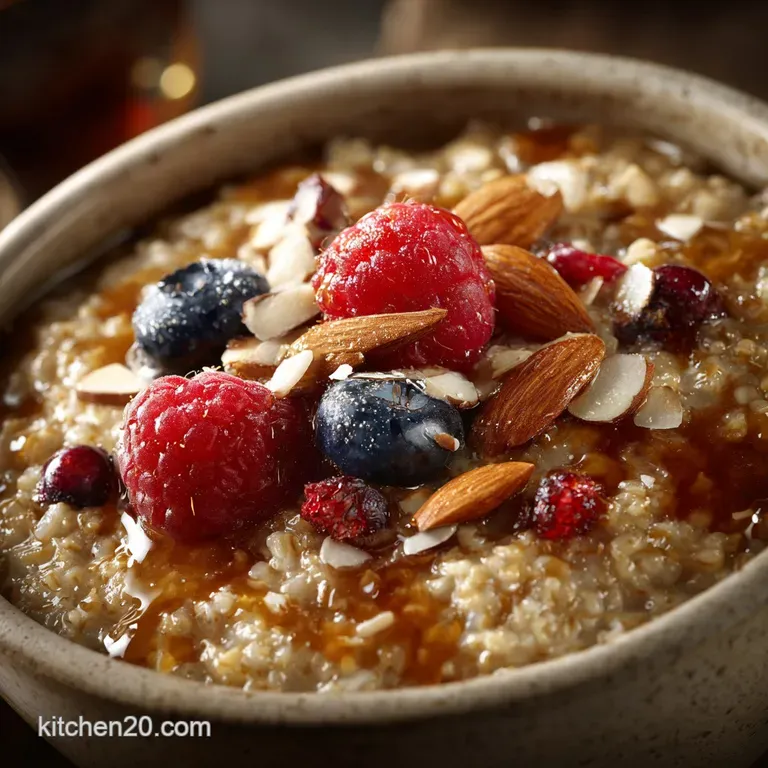
This quick step takes 3 minutes and changes everything about the flavour of your Steel Cut Oats (12). Return your empty, heavy bottomed saucepan to medium heat. Add the teaspoon of butter (or coconut oil). Once melted, pour in the oats and stir constantly.
After about 2 minutes, you will smell a profound, deep nutty aroma, similar to toasted popcorn. This is the Maillard reaction doing its beautiful work.
Achieving a Rolling Boil and Reducing Heat Promptly
Immediately pour in your cold liquid mixture (water and milk) and the salt. Turn the heat to high. Stir occasionally until you achieve a vigorous, rolling boil. As soon as you hit that boil, drop the heat immediately to the lowest possible setting.
This is critical for controlling the starch release and preventing the oats from turning into a cement block.
The 30 Minute Check: When is Your Oatmeal Ready?
Once the heat is low, place the lid slightly ajar (to manage steam and prevent boiling over). Set your timer for 30 minutes. During this time, remember to stir every 5 to 7 minutes, scraping the bottom vigorously.
After 30 minutes, the Steel Cut Oats (13) should be tender, thick, and creamy, but still maintain that wonderful chew. If they seem too runny, remove the lid and let them simmer uncovered for 5 more minutes.
Finishing Touches: Adjusting Consistency Before Serving
When your Steel Cut Oats (14) look perfect, remove the pan from the heat. Cover the pan fully and let it stand for 5 to 10 minutes. This resting phase is essential it allows the oats to absorb the final moisture without active cooking, locking in the perfect consistency.
If the porridge is too thick after the rest, simply stir in a splash of hot water or warm milk until you hit your desired texture.
Chef's Note: If you are cooking a massive batch of Steel Cut Oats for meal prep, aim for a slightly runnier consistency before the rest. They will always tighten up considerably as they cool in the fridge.
Porridge Pro Tips and Troubleshooting Common Errors
Why Is My Porridge Too Thick (Or Too Runny)?
If your porridge is too thick, chances are you used too much heat during the simmer, causing too much liquid to evaporate before the Steel Cut Oats (15) were fully cooked. Fix it by stirring in hot water or milk until smooth.
If it’s too runny, simmer it uncovered for 5 to 10 extra minutes. Next time, measure your liquid base precisely.
Preventing Oats from Sticking or Burning on the Bottom
This is usually a result of using a thin pan or not stirring frequently enough. If you’ve followed my advice and used a heavy bottomed pan, the only other culprit is inconsistent stirring. Make sure you scrape the very bottom of the pan every time. If you do burn the bottom, DO NOT STIR IT IN!
Immediately scrape the good porridge off the top layer into a clean bowl, leaving the burnt bit behind. Salvage your delicious Steel Cut Oats (16).
Advanced Technique: Overnight Soak vs. Standard Method
If I know I have a busy morning, I often soak my Steel Cut Oats (17). Put 1 cup of oats and 3 cups of water in a bowl overnight. In the morning, drain and rinse the soaked oats, then cook them using the standard instructions (minus the water portion, only using 1.5 cups of milk).
This reduces the active simmer time by about 10– 15 minutes!
Maximizing Your Batch: Storage, Reheating, and make-ahead Oats
I never make just one serving. Batch cooking Steel Cut Oats (18) is the most efficient way to handle busy mornings.
How Long Do Cooked Oats Last in the Fridge?
Cooked Steel Cut Oats (19) stored in an airtight container will keep perfectly well in the refrigerator for 5 to 6 days. Make sure they are cooled fully before sealing the container to prevent condensation and spoilage.
The Best Way to Reheat Leftover Steel Cut Porridge
When chilled, the oats will become very dense and firm like a solid block.
- Stovetop Method (Best): Place the portion in a small saucepan. Add 1/4 to 1/3 cup of milk or water per serving. Heat gently over medium low heat, stirring frequently, until the liquid is absorbed and the oats return to a creamy, soft texture.
- Microwave Method (Fastest): Place the portion in a microwave safe bowl. Add 2 tablespoons of liquid (milk or water). Heat in 1 minute intervals, stirring well between each, until heated through and softened.
Freezing Portions for Quick Future Breakfasts
Yes, you can absolutely freeze your perfect Steel Cut Oats (20)! I like to use wide mouth mason jars or muffin tins (if making small pucks). Fill the container, leaving headspace, and freeze. Once frozen, pop the pucks out and store them in a freezer bag for up to 3 months.
To reheat, transfer the frozen oats directly to a saucepan with a splash of milk or water and heat gently until smooth.
Beyond the Basics: Elevating Your Serving Ideas
While the preparation of Steel Cut Oats (21) is simple, the topping game is where you truly get to have fun.
Savoury or Sweet? The Topping Debate
We all love the classic sweet toppings, but if you’ve never tried savoury porridge, you are missing out. A beautifully textured bowl of Steel Cut Oats (22) holds up wonderfully to intense flavours.
Sweet Topping Ideas:
- Maple Pecan: Brown butter, maple syrup, toasted pecans, and a dash of vanilla extract.
- The Apple Crisp Throwback: Mix in cinnamon and top with diced, sautéed apples and a drizzle of honey. This always reminds me of my Apple Crisp with Oats Guaranteed Thick Crunchy Oat Topping recipe a match made in heaven!
- Traditional Scottish: Just a touch of cream and a drizzle of Golden Syrup. Simple, perfect.
Savoury Topping Ideas:
- The Brunch Bowl: Sharp cheddar cheese, a fried egg (runny yolk mandatory!), green onion, and a sprinkle of chili flakes.
- Miso and Sesame: A drizzle of toasted sesame oil, white miso paste, and a soft boiled egg. It sounds wild, but the umami pairs perfectly with the nuttiness of the Steel Cut Oats (23).
Using Steel Cut Oats in Baking
While generally too tough for most standard baking, leftover cooked Steel Cut Oats (24) can sometimes be substituted for wet ingredients in dense breads or used as a texture booster in cookies. For instance, if you happen to have any dry Steel Cut Oats (25) left in the pantry, they work brilliantly in my recipe for Ranger Cookies: The Best Crispy Chewy Recipe with Oats and Coconut , adding that extra crunchy depth.
Whether you enjoy them sweet or savoury, taking the time to cook Steel Cut Oats (26) properly is the single best kitchen habit you can adopt for breakfast. These chewy, nutty grains prove that the best meals are often the ones that require just a little bit of patience.
Trust me, ditch the instant packets and invest 30 minutes in perfecting your batch of Steel Cut Oats (27); your mornings will never be the same.
Recipe FAQs
Why are my steel cut oats still too hard or chewy after the cooking time?
Steel cut oats are dense and require a significant amount of liquid and time to fully hydrate, usually needing at least 25 to 30 minutes of gentle simmering. If they remain too tough, try adding an extra half cup of water or milk, cover the pot tightly, and let them steam off the heat for 10 minutes to finish softening the interior.
Can I prep steel cut oats ahead of time, or are they only good fresh?
Steel cut oats are excellent for batch cooking and meal prepping due to their sturdy texture. Cook a full batch, cool it completely, and store portions in airtight containers in the refrigerator for up to five days.
Reheat on the stove or in the microwave, adding a splash of liquid (milk or water) as they will thicken considerably when chilled.
What is the proper liquid-to-oat ratio for steel cut oats versus traditional rolled oats?
Steel cut oats require a much higher liquid ratio than quick cooking varieties, typically demanding 3 to 4 parts liquid for every 1 part oats to soften the whole grain. Traditional rolled oats usually only require a 2:1 ratio, as they are already flattened and absorb moisture much quicker.
Can I make this recipe vegan or dairy-free?
Absolutely. Simply substitute any dairy milk (if used) with water or a plant based alternative such as almond, soy, or oat milk oat milk specifically adds excellent creaminess. If using water only, stir in a teaspoon of coconut oil or vegan butter at the end of cooking for a richer mouthfeel.
My oats turned out gummy and stuck to the bottom of the pot. What went wrong?
Gummy oats usually result from cooking at too high a heat, which releases too much starch too quickly, causing them to stick and congeal. Ensure your heat is truly low and stir the mixture every few minutes, especially during the last 10 minutes of simmering, to prevent starch concentration on the pot floor.
Can I cook steel cut oats in a slow cooker or Instant Pot to save active cooking time?
Yes, both methods work brilliantly for batch preparation. For the slow cooker, use a higher liquid ratio (around 4.5:1) and cook on low for 3 4 hours, often overnight. In an Instant Pot, use a 3:1 ratio and cook on high pressure for 4 minutes, allowing a full natural pressure release for the best texture.
How long can I freeze prepared steel cut oats?
Cooked steel cut oats freeze exceptionally well without significant degradation in texture upon thawing. Portion cooled oats into muffin tins or freezer safe bags, and they can be stored frozen for up to three months. Thaw overnight in the fridge or reheat straight from frozen with a splash of milk.
Perfect Slow Cooked Steel Cut Oats
Ingredients:
Instructions:
Nutrition Facts:
| Calories | 190 calories |
|---|---|
| Fat | 5 g |
| Fiber | 4 g |
