Mexican Refried Beans: the Real Deal Recipe
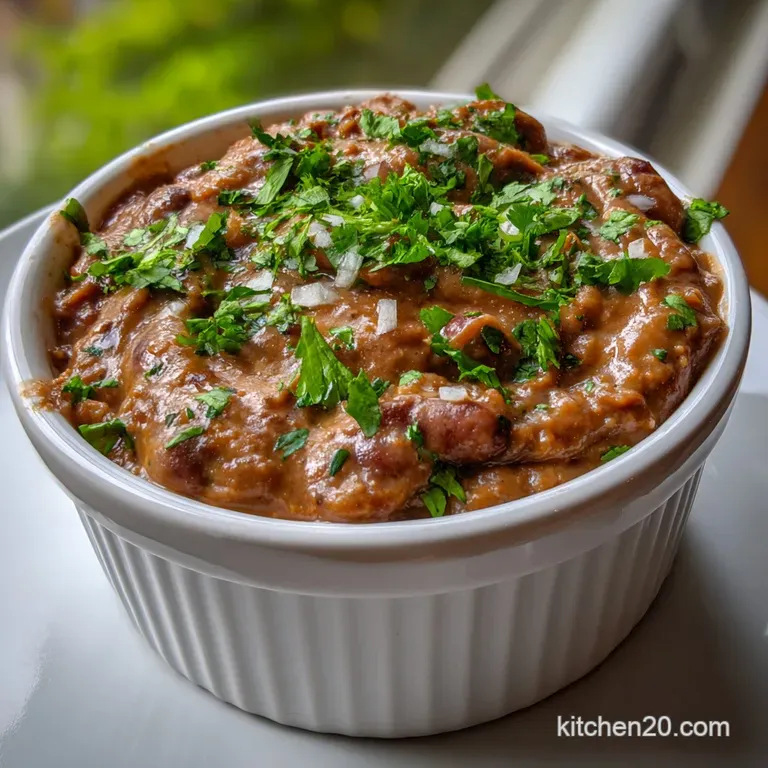
- Unlocking the Secret to Authentic Mexican Refried Beans
- The Science of Velvety Texture: Why Proper Frijoles Refritos Are So Creamy
- Essential Ingredients for Perfect Mexican Refried Beans
- The Cooking Process: How to Make Refried Beans from Scratch
- Troubleshooting and Expert Tips for Mastering Refried Beans
- Storage, Freezing, and Reheating Your Frijoles
- Perfect Pairings: Serving Ideas for Traditional Refried Beans
- Recipe FAQs
- 📝 Recipe Card
Unlocking the Secret to Authentic Mexican Refried Beans
That smell. The deep, earthy, savory aroma of proper homemade Mexican Refried Beans is pure comfort food, and it’s the only way to elevate taco night from "nice dinner" to "culinary event." Forget the sad, grey paste you find in a can; those factory products don't hold a candle to the texture we’re aiming for here.
I know cooking beans from scratch sounds like a massive chore, but trust me, this recipe for the best Mexican beans is cheap, scalable, and mostly hands off once you get the simmer going.
Once you master the technique of infusing the fat and finishing the beans, you'll realize this foundational side dish is a total game changer. They transform from a bland afterthought into a creamy, flavorful blanket.
So let’s crack on. We are going to break down the science of velvety texture, the magic of the right fat, and exactly how to create real deal frijoles refritos that will absolutely floor your dinner guests.
The Science of Velvety Texture: Why Proper Frijoles Refritos Are So Creamy
If you’ve ever had thin, watery beans or, worse, a stiff, flavorless clay like paste, then you know texture is everything. The goal for perfect Mexican Refried Beans is creamy, almost fudgy consistency they should hold their shape but still be spreadable.
What "Refritos" Really Means (It's not fried twice!)
The biggest misconception about frijoles refritos is that they are literally fried twice. Nope! The term actually means "well fried" or "thoroughly fried." It refers to the final, crucial step where we take the fully cooked, tender beans and mash them while sizzling them vigorously in hot fat.
This over high heat finish concentrates the flavors and creates that lovely, rich exterior crust while keeping the inside smooth.
Why Canned Beans Just Can't Compare
Canned beans are fine for a fast salad, but they lack the crucial flavor elements that come from long, slow cooking. When you cook dried beans from scratch, the residual cooking liquid the starchy bean broth becomes liquid gold.
This liquid is essential for providing structure and depth when making homemade Mexican Refried Beans . You just cannot replicate that viscosity using water and drained canned beans.
A Culinary Backbone: The Role of Frijoles Refritos
These beans are the foundational building block of so many dishes, whether you’re spreading them on toast for molletes or using them to seal tortillas for a proper taco night. Because they are the base, the flavor has to be deep and savory, not just salty.
This recipe ensures they can stand alone as a side dish or work perfectly in concert with something acidic or spicy.
The Magic of Rendered Fat (Lard vs. Oil)
I’m going to be honest with you: the secret weapon in authentic Mexican Refried Beans is rendered pork fat, or manteca . Yes, it sounds terrifyingly rich, but it provides a depth of flavor and a creamy mouthfeel that simply cannot be matched by vegetable oil.
The fat stabilizes the starches released during the mashing process, resulting in a much smoother, richer texture. If you use too little fat, the beans turn dry and pasty. Trust me, don’t skimp on the fat here.
The Starch Release: Mashing Technique Matters
We are not making baby food! The best texture comes from using a simple potato masher, which creates a rustic mix of creamy puree and still intact whole beans. Using a food processor or immersion blender just pulverizes everything into an unpleasant, homogenous paste.
This is a very common mistake when making creamy Refried Pinto Beans .
Achieving Deep Savory Depth Through Simmering
The simmering stage is long, but it’s the easiest part. By simmering the dried beans with chunks of onion and whole, smashed garlic cloves, we are gently infusing flavor into the beans themselves, not just relying on surface seasoning at the end.
We add the salt late, which ensures the skins remain tender and the overall cook time isn't unnecessarily long.
Essential Ingredients for Perfect Mexican Refried Beans
When making this classic, every ingredient plays a vital role in creating that signature savory flavor profile. This is all about layering simple flavors properly.
Choosing Your Base: Pinto vs. Black Beans
Pinto beans ( frijoles bayos ) are the traditional choice for this particular style of Mexican Refried Beans Recipe , yielding that signature earthy flavor and lighter brown color.
However, black beans ( frijoles negros ) work beautifully too and follow the exact same cooking method.
| Ingredient | Why It's Crucial | Substitution Options |
|---|---|---|
| Pinto Beans | Earthy flavor, perfect starch content. | Black Beans (Frijoles Negros). |
| Lard ( Manteca ) | Authentic flavor, essential richness. | Bacon drippings, or a neutral oil (like corn or canola). |
| White Onion | Provides sweet depth during simmering and savory punch during re-fry. | Yellow onion (avoid strong red onion). |
| Cumin | Non-negotiable, provides necessary warmth and earthiness. | None (it’s mandatory!). |
The Essential Fat: Should I Use Lard (Manteca)?
If you are cooking this dish conventionally (i.e., not vegetarian), then yes, you absolutely should use lard. I once tried making a huge batch using olive oil to be "healthy," and the resulting beans were thin, grey, and tasted… healthy. Not comforting!
A small amount of high-quality lard is the secret to getting that perfect fudgy texture.
Aromatics and Seasoning: Flavor Layering
We use onion and garlic twice. First, large pieces simmer with the raw beans, providing a deep aromatic backbone. Second, we finely dice onion and sauté it in the hot fat right before mashing the beans.
This dual layering technique is what makes these the best Mexican beans you will ever make. Don't forget the cumin; it must be toasted or fresh ground if possible.
Water or Broth: Controlling Consistency
The liquid used in the simmer stage must be retained. It's the starch from the beans themselves that makes this liquid thick and flavorful. Using low-sodium stock adds complexity, but simple water works perfectly since the beans create their own rich broth.
This reserved cooking liquid is our sole tool for adjusting the texture during the final re-fry .
The Cooking Process: How to Make Refried Beans from Scratch
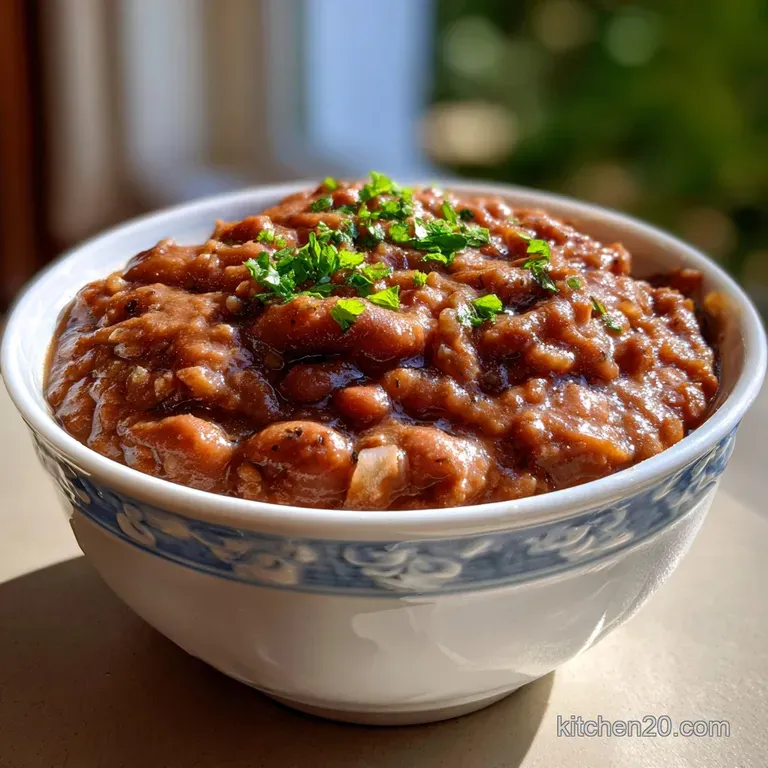
This is a Refried Beans Recipe Stovetop method, relying on slow heat and attention to texture.
Preparing the Cooked Beans (If starting dry)
First, soak the pintos overnight. This dramatically reduces the simmering time, which is always a win. Rinse them well, and then dump them in a big pot with the fresh water, the quartered onion, and the smashed, unpeeled garlic cloves. Bring it to a rolling boil for five minutes, then immediately drop the heat.
Simmer gently you should only see an occasional bubble breaking the surface for 2.5 to 3 hours, until the beans are soft enough to practically melt in your mouth. Only once they are totally tender, stir in the salt. Cook for 15 more minutes, then remove and reserve the liquid.
Infusing the Fat with Aromatics
Time for the real magic. In a large, heavy frying pan or Dutch oven, heat your lard (or oil) over medium high heat until it shimmers. Add the finely diced onion and let it soften until translucent, about 4 minutes; the kitchen should start smelling savory and sweet right now.
Stir in the cumin and cook it for just 30 seconds until its nutty fragrance blooms don't burn it!
Mashing and Incorporating the Liquid
Take about a quarter of your cooked beans and toss them into the pan with the hot fat and onions. Immediately grab your potato masher and mash this portion vigorously into a thick slurry. This starts the thickening process by releasing the starch into the hot fat.
Now, add the remaining beans and continue mashing until you reach your desired consistency, leaving a few whole beans for texture.
The Final Fry (Asegurando la Textura)
This is the re-fry stage. Slowly start stirring in the reserved bean liquid, half a cup at a time. I usually aim for a texture that looks slightly looser than mashed potatoes, because the beans will tighten up considerably as they cool.
Reduce the heat to medium low and cook the beans for 5 to 10 minutes, stirring constantly. You should hear the mixture sizzling and popping gently as the starches bond with the fat. This step deepens the flavor wonderfully. Taste, adjust salt, and serve hot.
This is how to make creamy Mexican Refried Beans .
Troubleshooting and Expert Tips for Mastering Refried Beans
Avoiding the "Pasty" Texture Problem
Pasty beans happen for two main reasons: either you used too little fat in the re-fry, or you over blended them. To fix a dry batch, gently warm the beans, then stir in an extra tablespoon of melted lard or neutral oil along with a splash of reserved bean liquid.
Always use a potato masher, never a blender, for that perfect, rustic texture.
Fixing Beans That Are Too Runny or Too Thick
If they are too thick, simply stir in more reserved liquid until the texture loosens up. If they are too runny, don't panic! Just continue cooking them uncovered over medium low heat, stirring constantly, for an extra 5– 10 minutes.
The heat will evaporate excess moisture and the continued simmering in the fat will naturally thicken the mixture.
Boosting Flavor Without Over Salting
If your beans taste a bit flat but are already salty enough, you need an acid or a deeper savory note. Try adding a dash of hot sauce (Tabasco or Cholula are perfect) or a teaspoon of white vinegar right at the end. This brightens the flavor profile immensely.
You can also mix in a teaspoon of well browned bacon drippings for instant smoky flavor depth.
Storage, Freezing, and Reheating Your Frijoles
Refrigerating and Shelf Life Guidelines
Properly made Mexican Refried Beans store beautifully. Let them cool completely before transferring them to an airtight container. They will keep well in the refrigerator for up to 5 days.
You will notice they solidify significantly once chilled that’s normal, thanks to the starches and fat content!
How to Properly Freeze Large Batches
But does this glorious dish freeze well? You bet it does! Refried beans freeze exceptionally well because of their high starch content. Portion them into freezer safe bags or containers (leaving a little headspace). They will last 3 to 4 months in the deep freeze.
Lay the bags flat for efficient storage and easy thawing.
Reheating Refried Beans: Tips for Restoring Creaminess
To reheat, the microwave works in a pinch, but the stovetop is best. Scoop the beans into a small saucepan or skillet and add a couple of tablespoons of water or, better yet, chicken stock. Reheat over medium low heat, stirring constantly, until hot and creamy again.
The added liquid helps restore the velvety consistency that solidifies when cold.
Perfect Pairings: Serving Ideas for Traditional Refried Beans
The possibilities are endless, but sometimes you just want the classics done right.
- Classic Side: Serve a big scoop of the warm beans alongside properly fluffy [Foolproof Instant Pot Mexican Rice Fluffy Arroz Rojo in Under 40 Minutes] and grilled skirt steak. This combo is unbeatable.
- Breakfast Staple: Use these as the creamy, savory foundation for Huevos Rancheros , or simply serve them smeared thick on warm, buttered tortillas with some queso fresco crumbled on top.
- Ultimate Toppings: Always serve your Mexican Refried Beans hot, topped with crumbled cotija cheese, a drizzle of crema (Mexican sour cream), and finely chopped cilantro (coriander).
If you are tired of the sad, lifeless texture of refried beans canned , give this recipe a shot. The difference is truly night and day, and it guarantees you’ll have the creamiest, most flavorful batch of homemade refried pinto beans every single time. Enjoy!

Recipe FAQs
Why are my refried beans too dry and stiff, rather than creamy?
This usually happens because the beans cooked down too much during the final frying process, or not enough liquid was initially reserved. To remedy this, simply stir in some of the reserved bean cooking liquid (or water/broth) a tablespoon at a time until the desired creamy consistency is achieved.
Remember that the beans will naturally thicken further as they cool, so aim for slightly looser than you think is necessary.
My beans are too watery and won't hold their shape. How do I fix this?
You likely added too much liquid before the final frying or didn't cook them long enough over the heat. Continue cooking and stirring the beans over medium low heat; the evaporation of excess moisture will allow them to thicken naturally.
If time is a factor, mash the beans more aggressively while cooking, as the starch released will aid binding and structure.
Can I make this recipe completely vegan or vegetarian?
Absolutely. While traditional recipes rely on lard (manteca) for the characteristic flavor and rich mouthfeel, you can successfully substitute it with plant based oils. Refined coconut oil, avocado oil, or high-quality vegetable shortening are excellent choices that provide the necessary fat content without overpowering the beans’ inherent flavor.
I don’t have lard. What is the best fat substitute for authentic flavor?
If lard is unavailable, high-quality bacon grease provides the closest flavor profile and depth, though it will add a smoky dimension. For a neutral but rich alternative, use a combination of good quality neutral oil blended with a tablespoon of butter during the frying stage for a satisfying creaminess.
How should I store leftover refried beans, and can I freeze them?
Store leftovers in an airtight container in the refrigerator, where they will keep well for 5 7 days. Refried beans freeze exceptionally well due to their high moisture content; allow them to cool completely before transferring them to freezer safe bags or containers.
Thaw them overnight in the fridge and reheat gently, adding a splash of liquid if they appear too stiff.
Can I use pre-cooked canned beans instead of dry beans for this recipe?
While using canned beans speeds up the process significantly, you should drain and rinse them well before mashing and frying. Note that canned beans often lack the deep, savory flavor and crucial starchy liquid that slow cooked dried beans provide.
You may need to compensate by seasoning more aggressively or adding vegetable broth.
Why are they called 'refried' if they are only fried once?
The name frijoles refritos is a slight mistranslation from Spanish. The term refritos actually means "well fried" or "intensely fried," referring to the extended and crucial cooking step where the mashed beans are reduced in fat.
This process concentrates their flavor and develops the signature creamy texture, rather than implying a second round of frying.
Proper Mexican Refried Beans
Ingredients:
Instructions:
Nutrition Facts:
| Calories | 289 kcal |
|---|---|
| Protein | 18.6 g |
| Fat | 3.6 g |
| Carbs | 45.9 g |
