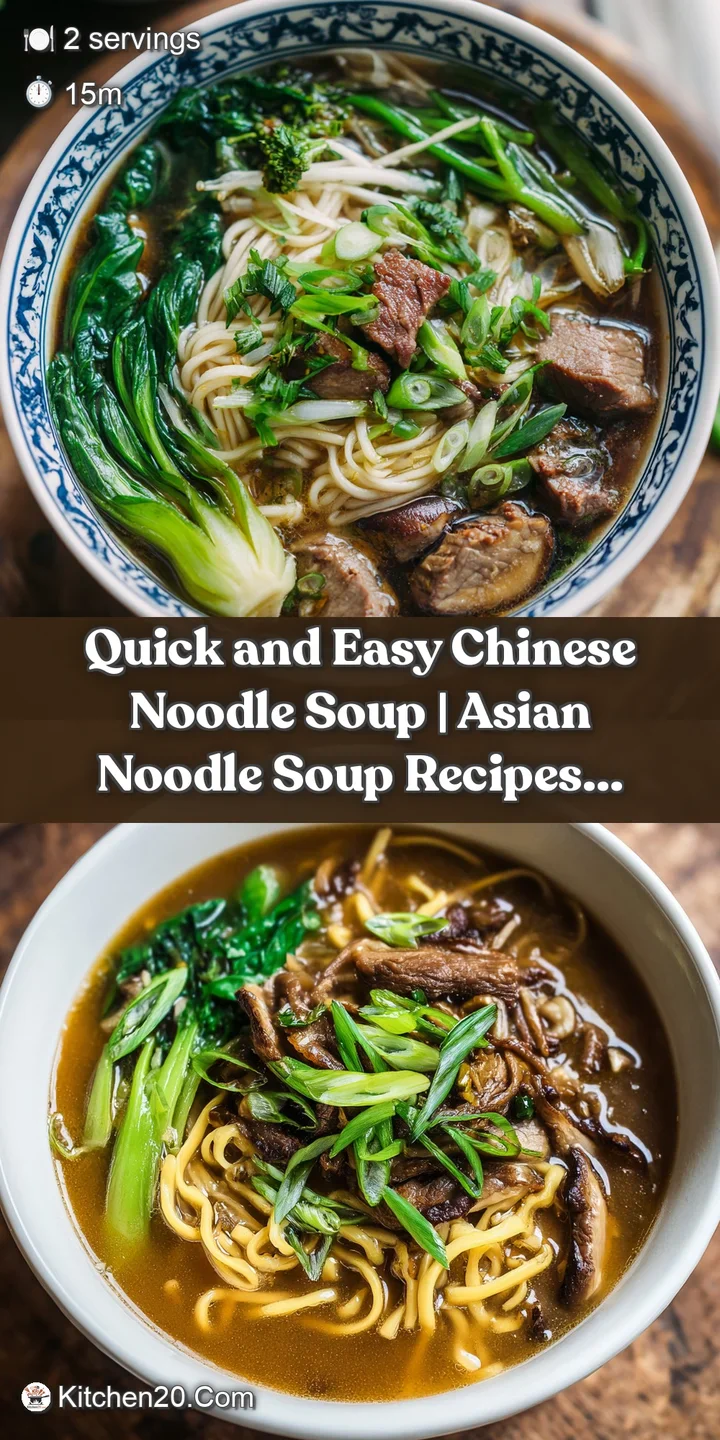
Quick and Easy Chinese Noodle Soup
- Time: Active 5 minutes, Passive 10 minutes, Total 15 minutes
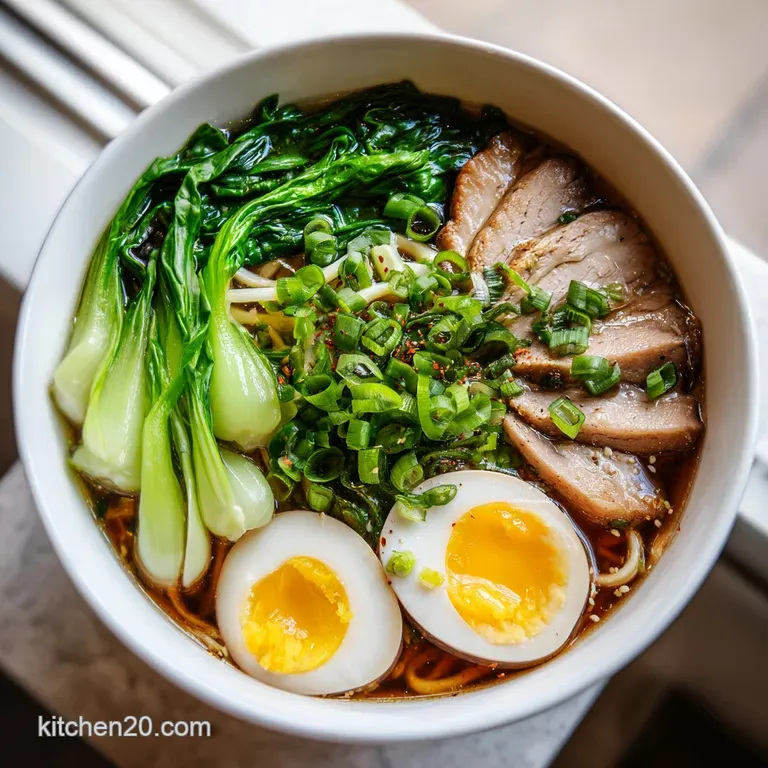
- Flavor/Texture Hook: Velvety chicken in a silky, mahogany colored umami broth
- Perfect for: Stressful weeknights or a quick coding break
- Quick and Easy Chinese Noodle Soup Guide
- Reasons You Need This Quick Meal
- Exact Specs for Your Noodle Bowl
- Essential Elements for Your Pantry
- Tools Required for Success
- Five Steps to Noodle Nirvana
- Essential Fixes for Common Mistakes
- Creative Ways to Swap Ingredients
- Kitchen Myths About Noodle Soup
- Preserving Your Leftover Soup Safely
- Perfect Toppings for the Finish
- Very High in Sodium
- Recipe FAQs
- 📝 Recipe Card
Quick and Easy Chinese Noodle Soup Guide
You don't need a twelve hour simmer to get that soul warming, deep umami flavor you find at the best noodle shops. Seriously, forget everything you’ve been told about bone deep broths requiring an entire Sunday afternoon.
I used to think the "quick" versions were just watery disappointment until I realized the secret isn't time; it's physics. If you have 15 minutes, you have a gourmet meal.
Picture this: you walk in from work, it’s raining, and you’re starving. Within ten minutes, the kitchen smells like toasted sesame and spicy ginger. You're not just eating; you're slurping velvety noodles and snap fresh bok choy.
It’s a total coding shortcut for your hunger, bypassing the long "compile times" of traditional cooking. We're going for maximum results with minimal lines of effort here.
This quick and easy chinese noodle soup is my absolute go to because it relies on high impact aromatics. We’re going to smash, sizzle, and poach our way to a meal that feels like a warm hug but takes less time than scrolling through a delivery app.
I once made the mistake of boiling the chicken for twenty minutes big mistake. It turned into erasers. Today, we're doing the opposite.
Reasons You Need This Quick Meal
When we talk about a quick and easy chinese noodle soup, people often worry about depth. But depth is just a matter of extraction. By using chicken bone broth as our base, we start with a foundation of collagen and minerals that would take a home cook hours to produce from scratch.
It's the ultimate pantry cheat code that doesn't feel like cheating once you taste it.
High Intensity Flavor Extraction
The magic happens in the first 60 seconds. When that sesame oil hits the hot pot and you toss in the smashed ginger and garlic, you aren't just heating them. You are initiating a rapid thermal transfer.
The oil acts as a solvent, pulling out the fat soluble flavor compounds that give Chinese soup its signature aromatic "lift."
The Beauty of Thin Slicing
We use a technique similar to velvetting, though simplified for speed. By slicing the chicken into paper thin ribbons, we increase the surface area exponentially. This means the protein cooks almost instantly when it hits the boiling broth, staying incredibly tender. If you've enjoyed my Cozy Chicken Noodle Soup, you'll recognize this focus on texture.
Perfectly Balanced Salt Profiles
Using both light and dark soy sauce isn't just for show. Light soy provides the salinity and high register seasoning, while dark soy provides the caramel depth and that gorgeous mahogany color.
It’s like color grading your food; the dark soy adds that professional visual finish that makes the bowl look like it cost twenty dollars at a bistro.
- Mechanism
- Slicing aromatics thinly is a mistake; "smashing" them ruptures more cell walls, allowing essential oils to flood the broth instantly.
- Mechanism
- Dark soy sauce contains molasses like sugars that caramelize slightly when hitting a hot pot, adding a complex base note without hours of reduction.
- Mechanism
- Adding sugar at a 1:3 ratio to the soy sauce suppresses the perception of bitterness in the ginger while highlighting the savory glutamates.
| Feature | This 15 Min Version | Classic 4 Hour Version |
|---|---|---|
| Broth Base | Bone Broth + Fresh Aromatics | Raw Bones + Mirepoix + Water |
| Prep Time | 5 minutes | 45 minutes |
| Cook Time | 10 minutes | 4 hours |
| Flavor Profile | Bright, Aromatic, Pungent | Rich, Fatty, Concentrated |
Exact Specs for Your Noodle Bowl
Getting the timing right is the difference between a soggy mess and a professional bowl. I always keep a digital timer on my counter because 30 seconds too long with fresh egg noodles can turn your lunch into a starch bomb.
This recipe is designed for two people, making it a perfect intimate dinner or a solid lunch with high protein leftovers.
One thing I've learned from my many kitchen experiments: never trust a "simmer" that looks like a calm lake. You want a rolling boil when the noodles hit the water to ensure they separate and cook evenly.
If the water is too cool, the starch won't gelatinize correctly, and you'll end up with a gummy texture that sticks to your teeth.
| Parameter | Exact Value | Visual/Auditory Cue |
|---|---|---|
| Noodle Cook Time | 3 minutes | Strings are translucent and "bouncy" |
| Chicken Thickness | 3 mm | Almost see through ribbons |
| Broth Volume | 950 ml | Liquid covers all solids by 2 inches |
Essential Elements for Your Pantry
Budget friendly cooking doesn't mean skipping quality; it means choosing the right heavy hitters. For this quick and easy chinese noodle soup, the chicken bone broth is your biggest investment, but it carries the entire team. If you're looking for another broth based comfort, my Classic Greek Avgolemono Soup is another great way to use high-quality stock.
Don't skip the white pepper. It has a different heat profile than black pepper it’s more floral and hits the back of the throat rather than the tip of the tongue. It's what gives authentic noodle soups that subtle, sneezing good warmth.
If you only have black pepper, it'll still be good, but it won't have that "is this from my favorite takeout spot?" vibe.
Component Analysis
| Ingredient | Science Role | Pro Secret |
|---|---|---|
| Toasted Sesame Oil | High Aroma Fat | Sauté the aromatics in it to infuse the entire broth. |
| Fresh Ginger | Enzyme Breakdown | Smashed pieces release zingy gingerol for digestive warmth. |
| Dark Soy Sauce | Viscosity & Color | Adds a "slow cooked" look in seconds. |
Ingredients & Substitutes
- 1 tbsp toasted sesame oil: Use a high-quality brand like Kadoya for the best scent. Why this? High smoke point and intense nutty aroma.
- Substitute: Peanut oil + 1 drop of toasted sesame oil at the end.
- 2 inches fresh ginger: Smashed and peeled.
- Substitute: 1 tsp ginger paste (adds more "bite" but less clarity).
- 3 cloves garlic: Smashed to release juices.
- Substitute: 1 tsp garlic powder added to the broth (Note: loses the fresh sizzle).
- 2 scallions: Whites for the base, greens for the finish.
- Substitute: Shallots for a sweeter, French fusion vibe.
- 4 cups chicken bone broth: This is the heart of the dish.
- Substitute: Vegetable broth + 1 tsp nutritional yeast for umami.
- 1 tbsp light soy sauce: For that essential saltiness.
- Substitute: Tamari for a gluten-free version.
- 1 tsp dark soy sauce: Purely for that deep, rich mahogany color.
- Substitute: An extra tsp of light soy + 1/4 tsp molasses.
- 1 tsp granulated sugar: Balances the salt.
- Substitute: Honey (Note: adds a floral note that changes the profile slightly).
- 1/2 tsp white pepper: For authentic heat.
- Substitute: Black pepper (Note: more biting, less aromatic).
- 6 oz fresh thin egg noodles: Look for them in the refrigerated section.
- Substitute: Dried ramen noodles (cook 1 minute longer).
- 1/2 lb chicken breast: Sliced into very thin ribbons.
- Substitute: Firm tofu strips for a vegetarian alternative.
- 2 heads bok choy: Quartered lengthwise.
- Substitute: Baby spinach or napa cabbage.
Tools Required for Success
You don't need a high end kitchen, but a heavy bottomed pot is non negotiable. I use a 4 quart Dutch oven (like a Le Creuset or Lodge) because it holds heat like a champion. When you pour in the cold broth, you want the pot to have enough thermal mass to bring it back to a boil quickly.
A thin pot will lose all its energy, and your aromatics will just sit there getting soggy.
Chef's Tip: Freeze your chicken breast for 15 minutes before slicing. It firms up the proteins just enough that you can get those restaurant style "ribbon" slices without the meat sliding around under your knife. It’s a game changer for texture.
Five Steps to Noodle Nirvana
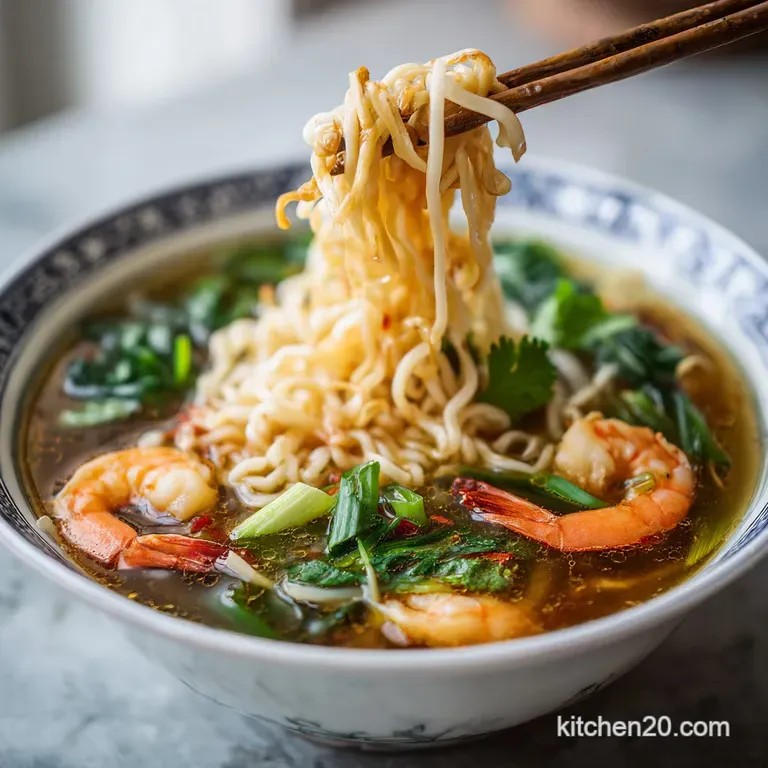
Heat the toasted sesame oil in a large heavy bottomed pot or wok over medium high heat. Add the smashed ginger, garlic, and scallion whites. Sauté 60-90 seconds until the edges are golden and the kitchen smells like heaven.
Note: Don't let the garlic turn brown/black or it will turn the broth bitter.
Pour in the chicken bone broth to deglaze the pot, scraping up any golden bits from the bottom. Stir in the light soy sauce, dark soy sauce, sugar, and white pepper. Bring to a rolling boil, then reduce heat and simmer for 3 minutes until the flavors have melded into a cohesive base.
Add the fresh egg noodles and quartered bok choy to the simmering broth. Cook according to noodle package instructions (typically 2-3 minutes for fresh noodles) until the noodles are tender but still have a slight snap.
During the final 90 seconds of cooking, stir in the thin chicken ribbons. Poach 90 seconds until the chicken is opaque and just cooked through. Note: This ultra fast poach ensures a velvety texture that melts in your mouth.
Divide the contents into two large, deep bowls. Garnish with the reserved sliced scallion greens and optional chili crisp or sesame seeds until the bowl looks like a work of art.
Essential Fixes for Common Mistakes
The biggest disaster in a quick and easy chinese noodle soup is cloudy broth. This happens when you boil the noodles too vigorously for too long, releasing excess starch into the liquid. It doesn't ruin the taste, but it loses that professional clarity.
If your broth looks like dishwater, you probably overcooked the noodles.
Another issue is the "rubbery chicken" syndrome. If you throw the chicken in at the start, you're basically making leather. The heat of the broth is enough to cook those thin ribbons in under two minutes. Trust the residual heat!
Why Your Broth Tastes Flat
If your soup tastes like salt water and nothing else, you likely skipped the sauté step or used old ginger. Freshness is everything in a 15 minute recipe because we don't have hours to hide mediocre ingredients.
Check the sugar sometimes just a tiny pinch more is the bridge that connects the soy and the ginger.
| Problem | Root Cause | Solution |
|---|---|---|
| Cloudy Broth | Starch Overload | Cook noodles separately if they are very floury. |
| Bitter Aftertaste | Burnt Garlic | Keep the aromatics moving; never leave them unattended. |
| Soggy Bok Choy | Over simmering | Add the greens at the very last 2 minutes only. |
Common Mistakes Checklist
- ✓ Never slice the ginger smash it with the side of your knife to release the juice.
- ✓ Avoid low sodium broth if possible; it often lacks the body needed for this soup.
- ✓ Don't walk away from the pot once the noodles are in; 60 seconds is the difference between perfection and mush.
- ✓ Pat the chicken dry before slicing so it doesn't steam in its own moisture.
- ✓ Use a wide bowl to allow the aromatics to hit your nose as you eat.
Creative Ways to Swap Ingredients
Cooking is like coding; once you understand the base logic, you can swap out modules as you see fit. For a quick rice noodle soup, simply swap the egg noodles for thin vermicelli.
Just be careful rice noodles often only need to soak in hot broth rather than boil, or they will disintegrate into a starchy soup.
If you want a healthy asian noodle soup version, try using "zoodles" (zucchini noodles) or shirataki noodles. You'll lose the chew of the egg noodles, but the broth is so flavorful that it carries the lighter base perfectly.
I often do this on Tuesday nights when I've had a heavy lunch and just want something light and restorative.
Scaling the Recipe
- Down (1 serving): Use half the broth and noodles. Use a small saucepan to keep the liquid depth high enough for poaching.
- Up (4-6 servings): Double everything but keep the white pepper and sugar at 1.5x to start. Taste and adjust. You'll likely need to cook the noodles in batches to avoid a temperature drop in the pot.
- Baking/Large Batch: If making for a crowd, keep the broth simmering and poach individual portions of noodles/chicken as people are ready to eat.
| Servings | Chicken | Broth | Noodle Weight | Cook Time Adjustment |
|---|---|---|---|---|
| 2 people | 1/2 lb | 4 cups | 6 oz | No change |
| 4 people | 1 lb | 8 cups | 12 oz | +2 mins to reach boil |
| 6 people | 1.5 lbs | 12 cups | 18 oz | +4 mins to reach boil |
Kitchen Myths About Noodle Soup
"You have to boil the noodles in a separate pot." Not necessarily! For a quick and easy chinese noodle soup, the starch released from the noodles actually gives the broth a tiny bit of body, making it feel more substantial.
Unless your noodles are coated in thick, loose flour, cooking them in the broth is a pro move for flavor.
"Chicken breast is too dry for soup." This is only true if you overcook it. By slicing it into ribbons and poaching it for exactly 90 seconds, you are utilizing the science of carryover cooking.
The chicken reaches its target temperature just as you serve it, keeping it as tender as a thigh but with a cleaner, lighter flavor profile.
Preserving Your Leftover Soup Safely
If you have leftovers, store the broth and solids separately if possible. Noodles are like sponges; they will continue to soak up the broth in the fridge until you're left with a bowl of soggy dough and no liquid. If you can't separate them, just accept that the next day's meal will be more of a "dry noodle" dish.
- Storage
- Keep in an airtight container in the fridge for up to 3 days.
- Freezing
- You can freeze the broth base (after step 2) for up to 3 months. I don't recommend freezing the noodles or cooked chicken, as the texture becomes grainy and unpleasant upon thawing.
- Zero Waste
- Don't throw away those scallion roots! Put them in a jar of water on your windowsill, and they’ll regrow indefinitely. Also, save the ginger peels in a bag in your freezer to toss into your next batch of homemade stock.
Perfect Toppings for the Finish
The garnishes are where you get to show off your creativity. I'm a huge fan of chili crisp (Lao Gan Ma is the gold standard) because it adds both heat and a crunch that contrasts the velvety chicken.
A splash of black vinegar at the table can also provide a bright acidity that cuts through the richness of the bone broth.
If you're feeling fancy, a soft boiled egg (marinated in soy and mirin if you have the time) is the ultimate topping. The jammy yolk mixes with the broth, creating a creamy, luxurious experience. It turns a 15 minute meal into something that looks like it belongs on a food critic's Instagram feed.
Trust me, your friends will think you've been slaving over the stove all day.
Very High in Sodium
1640 mg 1640 mg (71% 71%)
The American Heart Association recommends limiting sodium intake to less than 2,300mg per day, with an ideal limit of about 1,500mg for most adults.
Tips to Reduce Sodium in Your Recipe
-
Opt for Low-Sodium Broth-30%
Switching to low-sodium chicken bone broth can significantly cut down sodium. This is the largest contributor to sodium in this recipe.
-
Reduce Soy Sauce-20%
Decrease the amount of light soy sauce by half and omit the dark soy sauce. You can then add a splash of tamari or coconut aminos for umami if desired.
-
Boost Flavor with Aromatics & Spices
Enhance the flavor profile with extra fresh ginger, garlic, scallions, and white pepper. Consider adding fresh chilies or a squeeze of lime for a bright finish.
-
Minimize Added Sugar-5%
While sugar doesn't add sodium, reducing it can help balance flavors when sodium is lowered. Consider reducing the granulated sugar by half.
Recipe FAQs
Is it true I must slice the ginger thinly for this soup?
No, this is a common misconception. Smash the ginger with the side of your knife instead; this releases the juices more effectively than slicing and ensures the flavor infuses the broth quickly during the 90-second sauté.
How to keep the chicken ribbons from becoming tough?
Poach the chicken only during the final 90 seconds of cooking. Adding the meat too early causes it to overcook, whereas this brief window ensures a velvety texture. If you enjoyed mastering this quick poaching technique, you can apply the same principle for a different flavor profile in our Thai green chicken curry.
How to avoid mushy noodles in the broth?
Stay by the pot and monitor the noodles closely for the full 2-3 minute cooking window. Because fresh egg noodles cook rapidly, adding them to the boiling broth requires your full attention to ensure they retain a slight bite before you serve.
Can I use low-sodium chicken broth if I am watching my salt intake?
No, stick with standard chicken bone broth. Standard broth provides the necessary body and depth required for a rich tasting soup; low-sodium versions often lack the concentration needed to balance the soy sauce and sugar.
Is there a specific way to prepare the chicken to prevent steaming?
Pat the chicken breast completely dry with paper towels before slicing it into ribbons. Removing surface moisture prevents the meat from steaming when it hits the broth, allowing it to poach cleanly instead.
How to get the most aromatic flavor from the garlic and scallions?
Sauté the garlic, ginger, and scallion whites in the sesame oil for 60-90 seconds. You are looking for the edges of the aromatics to turn golden, which signals that the base flavors have been properly extracted into the oil before you deglaze with the broth.
How to ensure the bok choy cooks evenly?
Quarter the bok choy lengthwise before adding it to the pot. This shape allows the leaves and stems to submerge evenly in the simmering broth, ensuring the crunchy stems and delicate greens finish cooking at the same time as the noodles.
Quick Easy Chinese Noodle Soup
Ingredients:
Instructions:
Nutrition Facts:
| Calories | 598 kcal |
|---|---|
| Protein | 61.8 g |
| Fat | 12.7 g |
| Carbs | 56.4 g |
| Fiber | 3.8 g |
| Sugar | 4.2 g |
| Sodium | 1640 mg |
