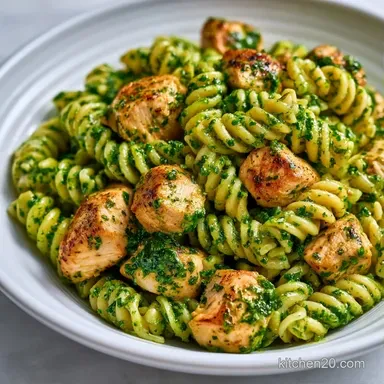
Quick Pesto Chicken Pasta: Velvety and Golden
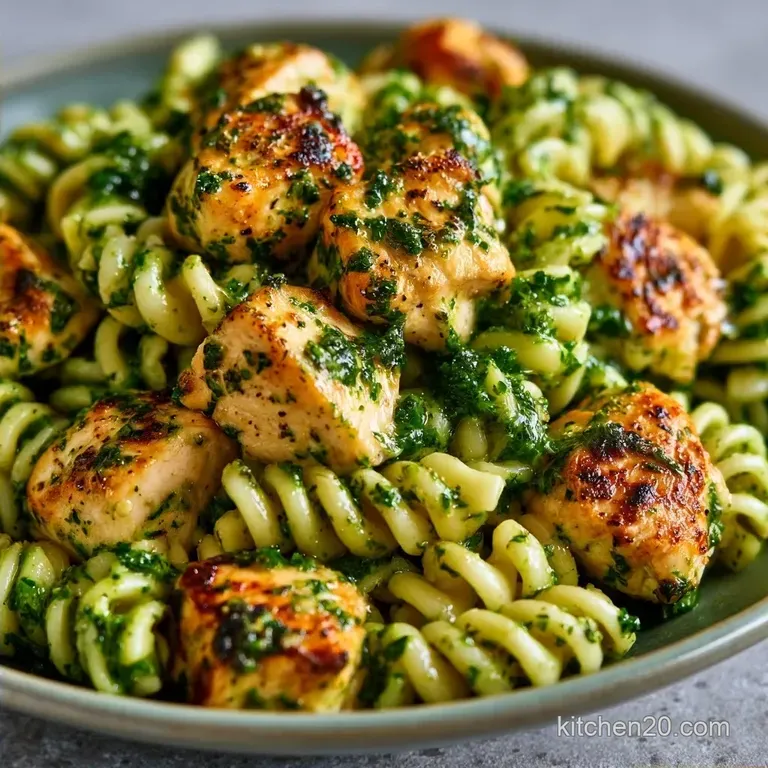
- Time: 10 min prep + 20 min cook = Total 30 minutes
- Flavor/Texture Hook: Velvety sauce with seared, golden chicken
- Perfect for: Weeknight dinner, meal prep, beginner friendly
- Making Quick Pesto Chicken Pasta
- The Secrets Behind This Sauce
- Breaking Down the Components
- Getting Your Ingredients Ready
- The Right Tools for Efficiency
- Steps for Quick Pesto Chicken Pasta
- Fixing Common Sauce Issues
- Adjusting the Serving Size
- Pesto Beliefs Debunked
- Preservation and Waste Reduction
- Best Sides for This Pasta
- Recipe FAQs
- 📝 Recipe Card
Making Quick Pesto Chicken Pasta
The smell of toasted garlic and fresh basil hitting a hot pan is honestly the best part of my Tuesday nights. I remember the first time I tried to rush this, throwing everything in one pot like a lazy stew. The result was a grey, mushy mess that tasted more like boiled grass than a meal.
It was a total disaster, but it taught me that the sequence of heat is everything.
The trick I learned is to treat the chicken and the sauce as two separate events. When you sear the chicken first and let it sit, you get those brown, caramelized bits on the bottom of the pan that add a depth you just can't get from boiling.
It transforms the dish from a basic meal into something that feels like it came from a bistro.
You can expect a meal that comes together in exactly 30 minutes. It's about streamlining the workflow so the pasta finishes right as the sauce reaches that velvety consistency.
We're not doing anything fancy here, just using a few smart moves to ensure the chicken stays tender and the sauce doesn't separate.
The Secrets Behind This Sauce
Starch Binding: Reserved pasta water contains amylose, which acts as a bridge between the fats in the pesto and the liquids in the cream.
Protein Browning: Searing chicken at high heat creates a crust that locks in flavor and prevents the meat from steaming in the sauce.
Chlorophyll Protection: Adding pesto at the end, away from high heat, prevents the basil from oxidizing and turning a dull brown.
Fat Emulsification: The heavy cream stabilizes the oil in the pesto, creating a cohesive sauce that clings to the penne instead of pooling at the bottom.
| Method | Total Time | Texture | Best For |
|---|---|---|---|
| Fast (This Recipe) | 30 minutes | Velvety & Glossy | Weeknights |
| Classic | 60+ minutes | Rustic & Chunky | Slow Sundays |
Right then, the difference between a "fast" pasta and a "classic" one usually comes down to the pesto. While the classic way involves pounding pine nuts in a mortar, we're focusing on efficiency. We're using high-quality store-bought pesto but treating it with respect by not overheating it.
Breaking Down the Components
| Ingredient | Science Role | Pro Secret |
|---|---|---|
| Pasta Water | Emulsifier | Use the cloudiest water from the top of the pot |
| Heavy Cream | Stabilizer | Don't use low-fat; it splits too easily |
| Parmesan | Thickener | Grate it yourself for a smoother melt |
| Basil Pesto | Flavor Base | Stir in at the very end for vibrant color |
It's all about how these pieces interact. The parmesan doesn't just add salt, it actually helps thicken the cream into a sauce. If you use the pre shredded stuff in a bag, you'll notice a weird grit because of the anti clumping agents. I always grate my own block for a silky finish.
Getting Your Ingredients Ready
- 1.5 lbs boneless skinless chicken breasts, cubed into 1 inch pieces Why this? Uniform size ensures even cooking
- 2 tbsp olive oil Why this? High smoke point for searing
- 0.5 tsp salt
- 0.5 tsp black pepper
- 1 lb penne or fusilli pasta Why this? Ridges hold the sauce better
- 1 tbsp salt (for boiling water)
- 0.75 cup basil pesto Why this? Balanced garlic and pine nut base
- 0.5 cup heavy cream Why this? Prevents pesto from separating
- 0.5 cup grated parmesan cheese Why this? Adds umami and body
- 0.25 cup reserved pasta water Why this? The "glue" for the sauce
- 2 cloves garlic, minced Why this? Fresh punch against the cream
| Original Ingredient | Substitute | Why It Works |
|---|---|---|
| Heavy Cream (0.5 cup) | Full fat Coconut Milk (0.5 cup) | Similar fat content. Note: Adds coconut flavor best in tropical/spiced dishes |
| Penne Pasta (1 lb) | Chickpea Pasta (1 lb) | High protein. Note: Cooks faster and can get mushy quickly |
| Basil Pesto (0.75 cup) | Sun dried Tomato Pesto (0.75 cup) | Similar oil/nut base. Note: Swaps fresh herb notes for tart, concentrated tomato |
If you're looking for a lighter version, you can swap the cream for a splash of whole milk, but you'll lose that velvety thickness. Honestly, don't even bother with low-fat cheese here. It won't melt properly and you'll end up with clumps in your Quick Pesto Chicken Pasta.
The Right Tools for Efficiency
I'm a big believer in the right gear for streamlining the process. You don't need a professional kitchen, but a few specific items make this way faster.
First, use a 12 inch skillet. If your pan is too small, the chicken will crowd, and instead of searing, it'll steam in its own juices. This results in grey meat instead of golden brown edges. A wide pan gives the moisture room to evaporate.
For the pasta, a large stockpot is a given. I also highly recommend a pair of metal tongs. Trying to stir penne with a spoon is a recipe for splashing boiling water on your knuckles. Tongs let you toss the pasta and chicken in the sauce with zero effort.
Steps for Quick Pesto Chicken Pasta
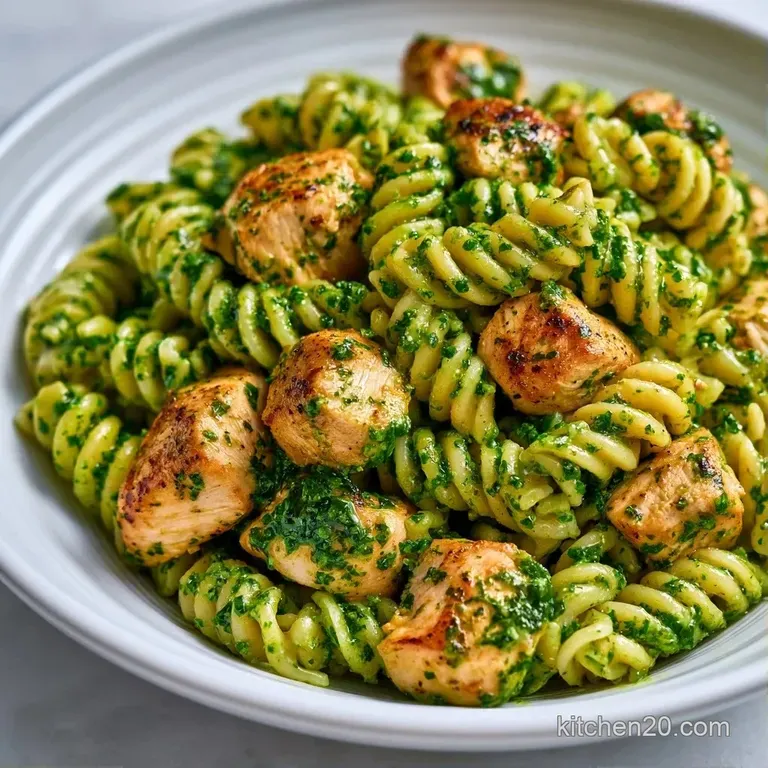
- Bring a large pot of salted water to a rolling boil. Add the pasta and cook until just under al dente (1-2 minutes less than package directions). Note: It will finish cooking in the sauce
- Reserve one cup of starchy pasta water before draining. Checkpoint: ensure the water is cloudy, not clear.
- Heat olive oil in a 12 inch skillet over medium high heat. Season chicken cubes with salt and pepper.
- Sear chicken in a single layer without stirring for 3 minutes until golden and sizzling.
- Flip the cubes and cook for another 3-4 minutes until opaque. Remove chicken from the pan and set aside on a plate.
- Lower heat to medium. Add minced garlic to the skillet and sauté for 30 seconds until fragrant but not brown.
- Stir in heavy cream and simmer for 2 minutes until it slightly thickens.
- Fold in the basil pesto and parmesan cheese, stirring constantly until the sauce is velvety.
- Return the seared chicken and cooked pasta to the skillet.
- Pour in reserved pasta water a tablespoon at a time, tossing over low heat until the sauce perfectly coats the pasta.
Chef's Note: To get a deeper flavor, I sometimes add a pinch of red pepper flakes with the garlic. It doesn't make it spicy, but it cuts through the richness of the cream and parmesan.
Fixing Common Sauce Issues
One of the biggest headaches with this recipe is when the sauce looks "broken" or oily. This usually happens if the heat is too high when the pesto goes in. Pesto is an emulsion of oil and herbs, and excessive heat can cause those to separate.
Separated Pesto Sauce
If you see oil pooling on top, your pan was likely too hot. To fix this, remove it from the heat immediately and whisk in a tablespoon of pasta water. The starch helps pull the oil and cream back together.
Rubbery Chicken
This happens when the chicken is overcooked during the searing phase or boiled in the sauce. Keep the chicken separate until the very last step to ensure it stays juicy.
Bitter Pesto
If the sauce tastes bitter, the garlic might have burned or the pesto was overheated. Avoid "frying" the pesto; it should only be warmed through.
| Problem | Root Cause | Solution |
|---|---|---|
| Sauce too thick | Not enough pasta water | Add 1 tbsp pasta water at a time |
| Bland flavor | Under salted pasta water | Add a pinch of salt to the final toss |
| Pesto turned brown | Overheated sauce | Lower heat and stir in fresh pesto at the end |
Common Mistakes Checklist
- ✓ Never stir the chicken immediately after adding it to the pan
- ✓ Avoid boiling the pesto for more than 60 seconds
- ✓ Don't forget to salt the pasta water heavily
- ✓ Use a wide pan to prevent chicken steaming
- ✓ Drain pasta 2 minutes early to prevent mushiness
Adjusting the Serving Size
When you're scaling this Quick Pesto Chicken Pasta, you can't just multiply everything by two and hope for the best. The liquids and fats behave differently in larger volumes.
Scaling Down (½ or ¼) Use a smaller 8 inch skillet if you have one. Reduce the cooking time for the sauce by about 20% because smaller amounts of cream evaporate much faster. If you're doing a quarter batch, beat one egg in a bowl and use half of it if you're adding any binders.
Scaling Up (2x-4x) Do not double the salt or spices; start at 1.5x and taste as you go. Liquids like cream and pasta water should be reduced by about 10% to prevent the sauce from becoming too thin. Most importantly, work in batches for the chicken.
If you dump 3 lbs of chicken into one pan, you'll get zero sear.
| Goal | Action | Result |
|---|---|---|
| Extra Creamy | Add 2 tbsp extra Parmesan | Thicker, saltier coating |
| Lighter Feel | Replace cream with Greek yogurt | Tangier, lower calorie |
| More Veggies | Fold in baby spinach at Step 9 | Added nutrients, fresh color |
If you're meal prepping this for the week, I suggest undercooking the pasta even more about 3 minutes before the package says. This prevents it from absorbing all the sauce in the fridge.
Pesto Beliefs Debunked
A lot of people think you have to boil your pesto to "cook" the raw garlic and basil. This is actually a mistake. High heat destroys the volatile oils in the basil, which is why your sauce turns brown. The garlic in pesto is already processed or mild enough to be eaten raw.
Another myth is that you need to "seal in the juices" of the chicken by searing it. Science tells us that moisture loss happens regardless of the sear. However, we sear it anyway because the browning adds a massive amount of flavor that you just can't ignore.
Preservation and Waste Reduction
To refrigerate, store your pasta in an airtight container for 3-4 days (per USDA guidelines for storing cooked chicken). I find that adding a tiny splash of water or milk before reheating helps bring the velvety texture back.
For freezing, this recipe isn't the best choice because the cream and pesto can separate during the freeze thaw cycle. If you must, freeze the chicken and pasta separately and combine them with fresh sauce later.
To reduce waste, don't throw away the chicken trim. I keep the small bits of meat and any fat in a freezer bag to make a quick stock. Also, if you have leftover pesto, freeze it in ice cube trays. You can pop one cube into a creamy pesto sauce to boost the flavor of a different dish.
Best Sides for This Pasta
Since this Quick Pesto Chicken Pasta is quite rich and creamy, you need something acidic or crisp to balance it out. A simple arugula salad with a lemon vinaigrette is the gold standard here. The peppery greens cut right through the parmesan and cream.
If you want something heartier, a toasted baguette rubbed with a raw garlic clove is a classic move. For those who want a full spread, a Mediterranean pasta salad can actually work as a side if you keep the portions small, providing a fresh, vinegary contrast to the warm, creamy main.
Right then, you've got a foolproof system for a 30 minute dinner. Just remember: sear the chicken, save the water, and don't burn the basil. Trust me on this, and you'll never go back to the "one pot" method. Let's crack on!
Recipe FAQs
How to make simple chicken pesto pasta?
Boil salted pasta until just under al dente. Sear seasoned chicken in olive oil, simmer minced garlic with heavy cream, then stir in pesto and parmesan before tossing everything with reserved pasta water.
Can you have pesto with GERD?
Generally no, as the ingredients are common triggers. The garlic and olive oil in this recipe often exacerbate acid reflux for those with GERD.
Can I just mix pesto into pasta?
Yes, but the texture will be less velvety. Adding heavy cream and reserved pasta water creates a cohesive sauce that clings to the penne or fusilli rather than sliding off.
What are the three main ingredients in chicken pesto pasta?
Chicken breasts, pasta, and basil pesto. These form the core of the dish, while heavy cream and parmesan cheese create the rich sauce.
Is this a good choice for a quick summer dinner?
Yes, it is an ideal summer meal. It requires minimal cleanup and finishes in 30 minutes. If you enjoyed the fresh herb profile here, see how we use similar aromatics in our Argentine Chimichurri.
Is this considered a healthy 30-minute meal?
Yes, it provides a balanced mix of protein and carbohydrates. By using boneless skinless chicken breasts and fresh basil pesto, you get a nutrient dense meal in exactly 30 minutes.
Is it true that you can't prepare a chicken pasta dinner in under 30 minutes?
No, this is a common misconception. This entire dish takes exactly 30 minutes from start to finish, including a 10-minute prep and 20-minute cook time.
Quick Pesto Chicken Pasta