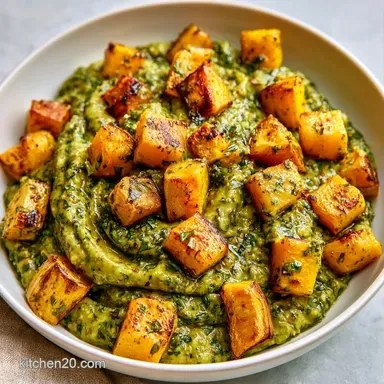
Vibrant Summer Squash Pesto
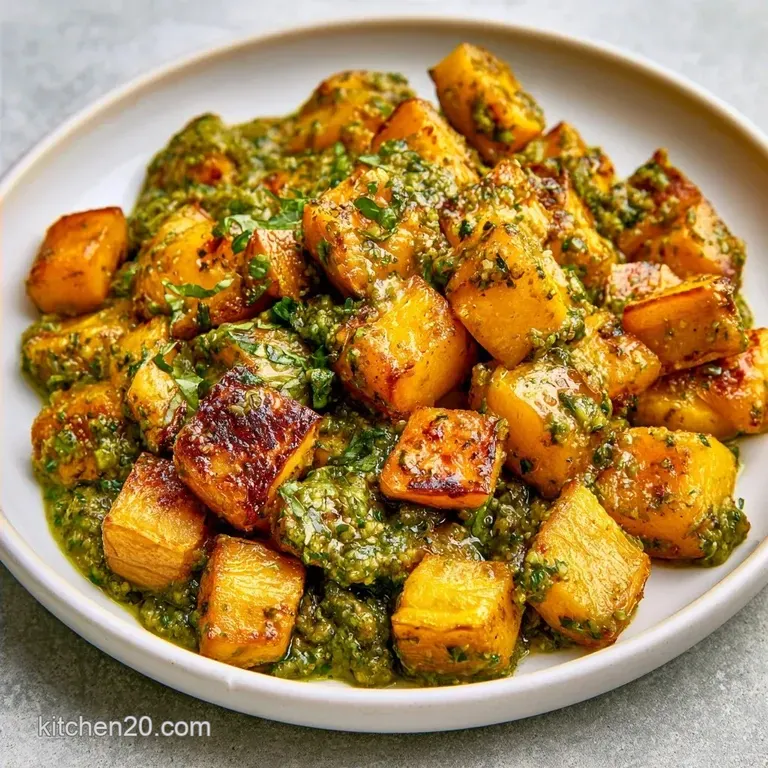
- Time: 10 min active + 15 min roasting
- Flavor/Texture Hook: Savory and rich with a chunky, rustic feel
- Perfect for: Quick weeknight dinners or a colorful side dish
The sound of yellow squash sizzling on a hot sheet pan is the signal that summer has actually arrived. I used to just sauté my squash, but it always ended up mushy and bland. Then I tried roasting them at a high heat, and the change in flavor is a complete revolutionizing of the vegetable.
The squash becomes the star here. It provides a creamy body that you just can't get from basil alone. When you blend it into a Summer Squash Pesto, the squash acts as the glue that holds the oil and cheese together.
You can expect a sauce that is bright, salty, and deeply savory. It doesn't just sit on top of your pasta; it hugs every single noodle. This approach turns a simple garden vegetable into a powerhouse of flavor.
Summer Squash Pesto: A Roasted Twist
Natural Binding: Roasted squash contains starches that act as a stabilizer. This means the oil and cheese stay connected instead of splitting.
Concentrated Flavor: High heat evaporates water from the squash. This concentrates the sugars, giving the Summer Squash Pesto a deeper, more savory profile than raw versions.
Texture Control: Using a food processor allows you to choose between a smooth puree or a rustic, chunky paste.
| Method | Texture | Flavor Profile |
|---|---|---|
| oven roasted | Thick and cohesive | Caramelized, nutty |
| Stovetop Sauté | Softer, wetter | Fresh, mild |
The Tool List
You don't need a professional setup to get this right. A standard oven and a few basics do the trick.
- Sheet pan for roasting
- Food processor (a Cuisinart or similar brand works great)
- Measuring cups and spoons
- Chef's knife and cutting board
Ingredient Deep Dive
The yellow squash is the hero. It provides the bulk and the "creaminess" without needing heavy dairy. Serious Eats' testing on summer squash suggests that removing excess moisture is key to avoiding a gummy texture, which is exactly why we roast it first.
| Ingredient | Role | If You Don't Have It |
|---|---|---|
| Yellow Squash | Base and body | Zucchini (adds a slightly earthier taste) |
| Fresh Basil | Primary aromatic | Baby spinach (less flavor, same color) |
| Parmesan Cheese | Salt and depth | Pecorino Romano (saltier and sharper) |
| Pine Nuts | Richness and grit | Walnuts or almonds (heavier, woodier flavor) |
Timing and Yield
This is a fast process once the oven is hot. There's no long simmering or chilling required.
- Prep time: 10 minutes
- Cook time: 15 minutes
- Total time: 25 minutes
- Yield: 4 servings
Step-by-step Guide
Time to begin. Make sure your squash is cut into uniform pieces so it browns evenly.
The Roasted Base
- Set your oven to 400°F (200°C).
- Combine 1 lb diced yellow squash with 2 tbsp olive oil and 1/2 tsp kosher salt on a sheet pan.
- Arrange the squash in a single layer. Roast for 12-15 minutes until the edges are deeply browned and the centers are tender.
- Let the squash cool for 5 minutes. Note: This prevents the heat from wilting the fresh basil instantly.
The Pesto Blend
- Place 1/4 cup toasted pine nuts and 3 peeled garlic cloves in the food processor. Pulse until coarsely chopped.
- Add the roasted squash and 1 cup packed fresh basil. Process on medium high until the mixture reaches a thick, chunky consistency.
- While the processor runs on low, slowly drizzle in 1/3 cup olive oil. This creates a stable, silky emulsion.
The Final Texture
- Add 1/2 cup grated Parmesan and 1/4 tsp black pepper.
- Pulse briefly until the cheese is just combined. Avoid over processing, or the cheese will make the sauce gummy.
- Stir in 1 tbsp fresh lemon juice by hand to keep the flavor bright.
Fixing Common Issues
A few things can go sideways, but they are all easy to fix. Most issues come down to moisture or heat.
Dealing with Thin Sauce
If your Summer Squash Pesto feels too runny, it's usually because the squash held onto too much water. You can thicken it instantly by adding another tablespoon of Parmesan or a pinch of toasted breadcrumbs.
Preventing Brown Pesto
Oxidation happens when basil hits air and heat. To keep the color bright, add the lemon juice immediately. For long term storage, a thin layer of olive oil on top acts as a barrier.
Handling Bitter Garlic
Raw garlic can sometimes be too sharp. If you find the flavor too aggressive, try roasting the garlic cloves alongside the squash for 10 minutes before blending.
| Problem | Fix |
|---|---|
| Too watery | Add 1 tbsp more Parmesan |
| Dull color | Stir in extra lemon juice |
| Bitter taste | Roast the garlic first |
Adjusting Batch Sizes
This recipe is easy to scale, though your equipment limits how much you can do. Since a food processor is required, you shouldn't simply quadruple the ingredients in a single batch.
For a half batch: Use a smaller sheet pan and cut the roasting time by roughly 2 minutes. Avoid over processing the smaller quantity to prevent it from becoming liquid.
For a double or triple batch: Process in stages. Overloading the food processor often leads to mush at the bottom and chunks at the top. Additionally, use 1.5x the original salt and spices instead of doubling them; you can adjust the seasoning later.
To discover more uses for roasted vegetables, visit my spaghetti squash guide for additional tips on developing oven-roasted flavors.
Pesto Truths
There's a common idea that pesto must only consist of basil, oil, and nuts. That's a narrow view. Adding a roasted vegetable like squash doesn't "cheat" the recipe; it actually improves the texture.
Another myth is that you need a mortar and pestle for the right consistency. While that's a classic method, a modern food processor is more efficient and creates a more consistent emulsion for this specific Summer Squash Pesto.
Storage and Scraps
Keep the completed sauce in a glass jar for up to 4 days in the refrigerator. If you notice the oil separating, simply stir it back together.
For freezing, use ice cube trays. Transfer the frozen portions into a freezer bag, where they will last for 3 months. Thaw a cube in the fridge overnight or add it directly to a hot pan of pasta.
Save your squash peelings and ends. Place them in a freezer bag with other vegetable trimmings to make a homemade stock later.
Customizing Your Sauce
Summer Squash Pesto is highly versatile, making it simple to customize for various dietary needs.
Nut-Free Alternative: Use toasted pumpkin seeds or sunflower seeds instead of pine nuts to keep that same earthy richness and texture.
Making it Vegan: Switch the Parmesan for a pinch of salt and 2 tbsp of nutritional yeast to preserve the savory, cheesy flavor without using dairy.
Adding Heat: For a smokier, spicier take on this pesto, mix in one small canned chipotle pepper or half a teaspoon of red pepper flakes.
Plate Like a Pro
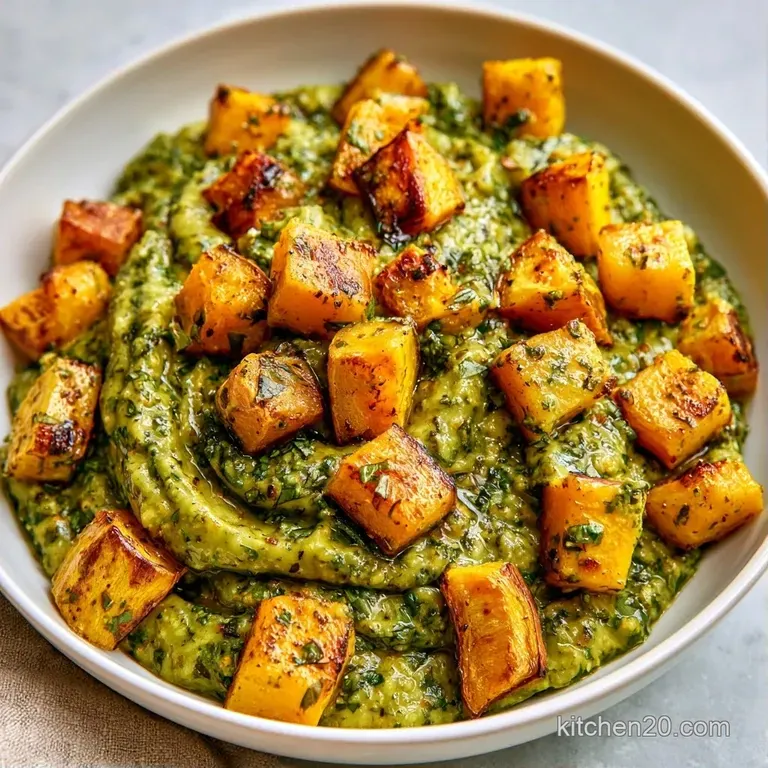
Because this sauce features such a deep, rich green color, using a few contrasting accents will really make your plate stand out. I suggest three specific colors to bring the dish to life.
First, incorporate some red. A few halved cherry tomatoes or a dash of red pepper flakes provide a striking contrast. Second, add a touch of white. Fresh mozzarella pearls or crumbled feta offer a clean visual break. Finally, add a golden highlight by garnishing with some of the reserved roasted squash cubes.
To turn this into a full meal, serve it over linguine or use it as a dip for crusty bread. For a lighter option, it serves as a wonderful base for a Mediterranean pasta salad if you stir in olives and capers.
And there you have it: a Summer Squash Pesto that maintains its texture and tastes like it came from a professional kitchen. The secret is in the roasting. Trust me, once you stop using raw squash, you'll never go back. Enjoy!
Recipe FAQs
Does pesto go with squash?
Yes, they pair perfectly. The bright basil and salty cheese balance the mild, sweet flavor of the squash.
How do you make summer squash with pesto and parmesan?
Roast diced yellow squash at 400°F for 12-15 minutes. Process the roasted cubes with basil, garlic, and pine nuts before stirring in the Parmesan cheese.
What pairs well with summer squash?
Pasta and grilled proteins are excellent choices. If you enjoyed the fresh, plant based flavors here, try our creamy quick sauce for another fast meal.
Will zucchini and pesto go together?
They do. Zucchini has a similar texture and flavor profile to yellow squash, making it a seamless substitute.
Is it true that only yellow summer squash works for this pesto?
Not true. Any summer squash variety works perfectly as long as you roast it first to remove excess moisture.
Why roast the summer squash before blending?
Roasting removes water and concentrates the natural sugars. This prevents the pesto from becoming watery and adds a caramelized depth to the flavor.
Roasted Summer Squash Pesto