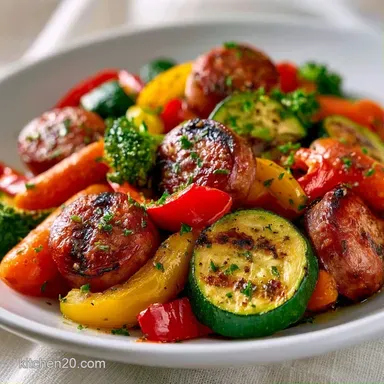
Sheet Pan Summer Sausage and Veggies: Hearty and Roasted
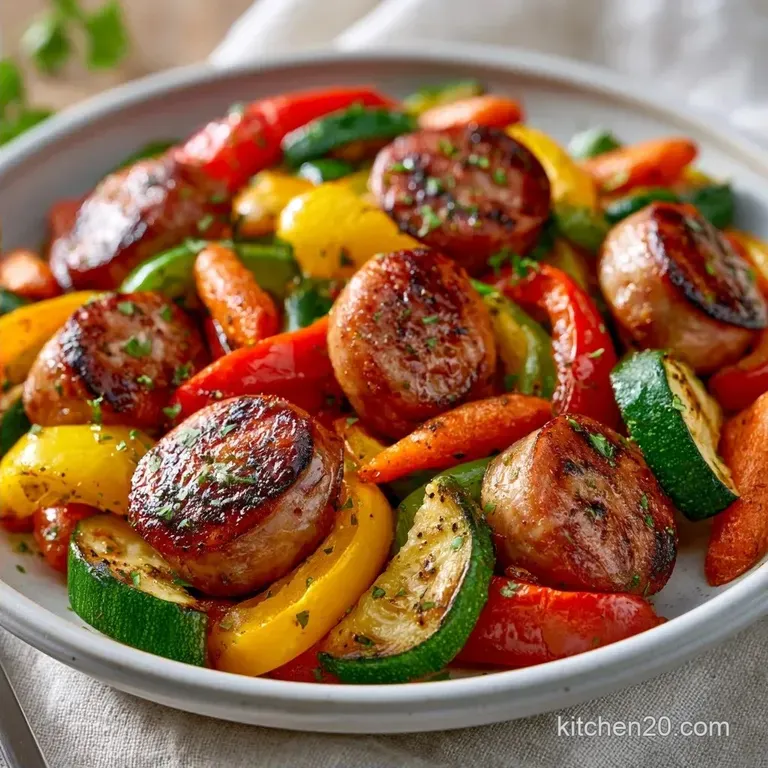
- Time:15 minutes active + 30 minutes roasting = Total 45 minutes
- Flavor/Texture Hook: Deep mahogany sausage with charred, shriveled peppers
- Perfect for: Busy weeknight dinners or low effort meal prep
- Sheet Pan Summer Sausage Guide
- The Secret to Better Roasting
- Ingredient Deep Dive
- The Ingredient List
- Gear for Minimal Cleanup
- Step by Step Cooking
- Fixing Common Roasting Issues
- Fresh Flavor Twists
- Adjusting the Batch Size
- Debunking Roasting Myths
- Storage and Waste Tips
- Serving Your Roast
- High in Sodium
- Recipe FAQs
- 📝 Recipe Card
Sheet Pan Summer Sausage Guide
The smell of roasted garlic and smoked paprika hitting a hot oven is honestly the best part of my Tuesday. For the longest time, I thought summer sausage was strictly for those fancy charcuterie boards where you arrange everything perfectly with some grapes and expensive crackers.
I figured it was too "pre cooked" to actually be a main course, but I was totally wrong.
Once I realized that the high fat content in the sausage actually acts like a basting agent for the vegetables, everything changed. I stopped treating it as a snack and started treating it as the star of the pan. It's a total system upgrade for anyone who hates spending an hour at the stove.
You don't need a professional kitchen or a dozen gadgets to make this work. We're talking about one pan, one bowl, and about 15 minutes of actual work. It's a streamlined approach to dinner that doesn't sacrifice that charred, savory finish you usually only get from a grill.
The Secret to Better Roasting
I used to just throw everything on a tray and hope for the best, but that's how you end up with steamed vegetables instead of roasted ones. Here is what is actually happening in the oven:
- Surface Area: Slicing the sausage into ¼-inch rounds creates more surface area for the heat to hit, which gives you those crispy, browned edges.
- Fat Transfer: As the sausage roasts, it releases rendered fat that mingles with the olive oil, frying the zucchini and peppers from the bottom up.
- Evaporation: High heat (200°C) forces the water out of the vegetables quickly, which prevents them from turning into mush and allows the sugars to brown.
- Acid Balance: Adding the balsamic glaze at the very end cuts through the heavy salt and fat of the sausage, waking up the whole dish.
Right then, let's look at how this compares to other methods.
| Method | Time | Texture | Best For |
|---|---|---|---|
| Sheet Pan | 45 mins | Charred & Crispy | Meal Prep |
| Skillet | 20 mins | Seared & Soft | Fast Single Servings |
| Slow Cooker | 4 hours | Tender & Stewed | Low Effort / Set and forget |
This fast versus classic comparison shows why the oven is the winner for texture. If you're into other savory meat appetizers, you might also like my Sausage Balls recipe, which uses a different but equally addictive fat to cheese ratio.
Ingredient Deep Dive
Not every vegetable is created equal when it comes to roasting. Some take forever, while others turn to ash in ten minutes.
| Ingredient | Science Role | Pro Secret |
|---|---|---|
| Summer Sausage | Fat Source | Slice exactly ¼-inch for consistent browning |
| Baby Carrots | Sugar Base | Halve lengthwise to increase heat exposure |
| Balsamic Glaze | Acidity | Drizzle after roasting to prevent burning |
| Smoked Paprika | Aroma | Use a high-quality Spanish pimentón for depth |
The Ingredient List
Here is everything you need. I've kept it simple because that's how the best weeknight meals work.
- Summer Sausage (450g), sliced into ¼-inch rounds Why this? Pre cured for deep flavor and consistent texture
- Bell Peppers (300g), red and yellow, 1 inch pieces (Substitute: Mini sweet peppers for more sweetness)
- Zucchini (150g), sliced into half moons (Substitute: Yellow squash for color)
- Red Onion (110g), cut into wedges (Substitute: Shallots for a milder taste)
- Baby Carrots (200g), halved lengthwise (Substitute: Parsnips for an earthier vibe)
- Extra Virgin Olive Oil (45ml) (Substitute: Avocado oil for higher smoke point)
- Garlic Powder (5g) (Substitute: Fresh minced garlic, but add it in the last 10 mins)
- Smoked Paprika (5g) (Substitute: Chipotle powder for a spicy kick)
- Kosher Salt (3g) (Substitute: Sea salt)
- Black Pepper (3g) (Substitute: White pepper for a sharper heat)
- Balsamic Glaze (30ml) (Substitute: Honey mustard for a tangier finish)
- Fresh Parsley (15g), chopped (Substitute: Fresh cilantro or chives)
Gear for Minimal Cleanup
I'm all about streamlining my process, so I don't use more tools than I have to. You only need three things:
- Large Rimmed Sheet Pan: Make sure it has a rim so the sausage fat doesn't leak into your oven.
- Parchment Paper: This is non negotiable. It prevents the balsamic glaze and sausage from sticking.
- Large Mixing Bowl: Tossing everything in a bowl ensures every piece of veg is coated in oil, which is the only way to get that shatter crisp texture.
Step by step Cooking
Let's crack on. Follow these steps exactly to ensure your Sheet Pan Summer Sausage doesn't end up soggy.
- Heat the oven. Preheat to 400°F (200°C) and line your pan with parchment paper. Note: A hot oven is critical for the initial sear.
- Prep the veg. Chop your peppers into 1 inch pieces, zucchini into half moons, onion into wedges, and halve the baby carrots lengthwise.
- Season everything. In your large bowl, toss the sliced sausage and all the vegetables with olive oil, garlic powder, smoked paprika, salt, and black pepper.
- Coat thoroughly. Stir until every single piece is glistening. Note: Dry spots on the vegetables will lead to burning instead of roasting.
- Arrange the pan. Spread the mixture in a single layer. Leave small gaps between the sausage rounds to allow air to circulate.
- First roast. Place the pan on the center rack for 15 minutes.
- Toss and flip. Use a spatula to move the ingredients around. This ensures the carrots and sausage brown on all sides.
- Final roast. Bake for another 10-15 minutes until the sausage has a deep mahogany color and the peppers are charred.
- The finish. Remove from the oven, drizzle the balsamic glaze over the top, and scatter the chopped parsley.
Fixing Common Roasting Issues
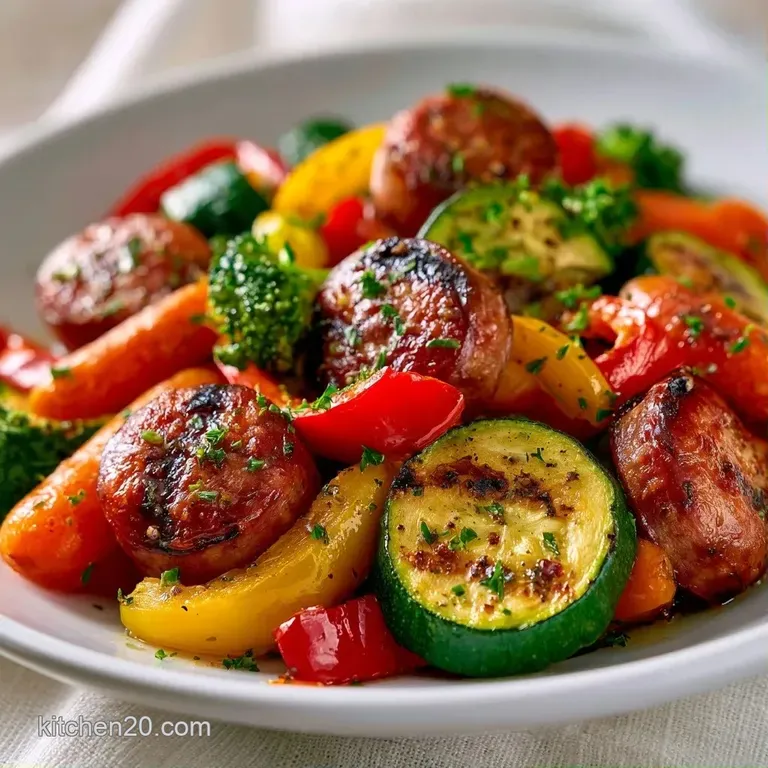
The most common mistake I see is overcrowding the pan. If you pile the vegetables on top of each other, they release steam and boil rather than roast. You want that sizzle, not a simmer.
Why Your Vegetables Are Soggy
This usually happens because the pan was too small or the oven temperature was too low. When veggies are crowded, the moisture they release can't evaporate, which traps them in a humid environment.
Why Your Sausage Is Burning
Summer sausage has a high sugar and fat content, so if your oven runs hot or the pieces are sliced too thin, they can char too quickly.
Troubleshooting Guide
| Problem | Root Cause | Solution |
|---|---|---|
| Veggies are mushy | Overcrowded pan | Use two pans or roast in batches |
| Bland flavor | Under seasoned | Toss with extra salt and paprika before roasting |
| Glaze is burnt | Added glaze too early | Apply balsamic glaze after removing from oven |
Common Mistakes Checklist:
- ✓ Check that the oven is fully preheated before the pan goes in.
- ✓ Ensure carrots are halved lengthwise to match the cooking time of the peppers.
- ✓ Avoid using "non stick" spray; use actual olive oil for better browning.
- ✓ Do not stir the vegetables too often; let them sit to develop a crust.
Fresh Flavor Twists
If you want to change the vibe of this Sheet Pan Summer Sausage meal, it's incredibly flexible. You can easily shift the flavor profile by swapping just two or three ingredients. For those who love a more traditional holiday flavor, this pairs well with a side of Sausage Herb Stuffing for a comforting, hearty feast.
Mediterranean Style
Swap the smoked paprika for dried oregano and add some kalamata olives and feta cheese during the last 5 minutes of roasting. Replace the balsamic glaze with a squeeze of fresh lemon juice.
Spicy Heat
Use chipotle powder instead of paprika and add sliced jalapeños to the mix. For the finish, use a hot honey drizzle instead of the balsamic glaze to get a sweet and spicy contrast.
Low Carb Adaptation
The recipe is already quite veggie forward, but you can swap the baby carrots for cauliflower florets. Since cauliflower roasts faster, add it 5 minutes later than you would the carrots.
Adjusting the Batch Size
Whether you're cooking for one or a crowd, you can scale this. But be careful with the seasonings.
Scaling Down (½ Batch): Use a smaller quarter sheet pan. Reduce the roasting time by about 20%, as smaller volumes of food often heat up faster. If you're using an egg based binder for a variation, beat one egg and use half.
Scaling Up (2x Batch): Do not use one giant pan; you'll end up with soggy vegetables. Use two separate pans. I recommend only increasing the salt and spices to 1.5x the original amount to avoid over salting, as the sausage itself is already quite salty.
| Change | Adjustment | Impact |
|---|---|---|
| Double Batch | Use 2 Pans | Maintains crispiness and airflow |
| Half Batch | Reduce Time 5-8 mins | Prevents over drying the sausage |
| Triple Batch | Increase Salt 1.5x | Prevents the dish from becoming too salty |
Debunking Roasting Myths
There are a few things people tell you about sheet pan meals that just aren't true.
Myth: You need to sear the sausage in a pan first. Truth: With a 200°C oven, you get plenty of browning. Searing first just adds an extra pan to wash and doesn't significantly change the final flavor.
Myth: Fresh garlic is always better than powder. Truth: In a 30 minute over high heat roast, fresh garlic often burns and becomes bitter. Powder distributes more evenly and withstands the heat much better.
Storage and Waste Tips
If you have leftovers, don't just throw them in a container. The zucchini can get watery in the fridge, which ruins the texture.
Fridge and Freezer: Keep the roasted mix in an airtight container for up to 4 days. For the freezer, I recommend freezing the sausage and carrots together, but leave the zucchini out, as it doesn't freeze well. It stays good for about 2 months.
Reheating: Avoid the microwave if you can. The best way to get that "shatter" back is to put the leftovers back on a toaster oven tray or skillet for 5 minutes at 200°C.
Zero Waste Ideas: If you have leftover balsamic glaze or a bit of oil and paprika left in the bowl, don't toss it. Toss some leftover roasted potatoes or cauliflower in that residue and roast them for a quick snack. Use any leftover parsley stems by finely chopping them into a salad dressing.
Serving Your Roast
Presentation is simple here because the colors do the work. The red and yellow peppers against the mahogany sausage look great on their own.
For a more "composed" look, serve this over a bed of quinoa or brown rice to soak up the juices. I like to put it in a wide, shallow bowl rather than a plate, which keeps the balsamic glaze from running off the edge.
Add a dollop of Greek yogurt or a sprinkle of crumbled goat cheese on top to add a creamy element that contrasts the charred edges of the vegetables.
High in Sodium
840 mg 840 mg of sodium per serving (37% 37% of daily value)
The American Heart Association recommends a sodium limit of no more than 2,300mg per day for most adults to maintain heart health.
Tips to Reduce Sodium
-
Swap the Summer Sausage-25%
Replace the processed summer sausage with fresh chicken sausage or grilled lean pork to significantly cut down on preservatives and salt.
-
Omit Added Salt-25%
Since the sausage and balsamic glaze already provide salt, remove the ½ tsp of kosher salt entirely from the recipe.
-
Simplify the Glaze-20%
Swap the pre-made balsamic glaze for a reduction of pure balsamic vinegar and a pinch of brown sugar to control the sodium content.
-
Enhance with Fresh Herbs
Stir in freshly chopped parsley or basil after roasting to add a burst of flavor without adding any sodium.
Recipe FAQs
Is this a good option for a quick summer dinner?
Yes, it is a perfect "too hot to cook" meal. With only 15 minutes of prep and a one-pan cleanup, it minimizes time spent over a hot stove.
How to keep the vegetables from getting mushy?
Spread the ingredients in a single layer across the pan. Leave small gaps between the sausage rounds to allow air to circulate, which ensures the food roasts instead of steams.
Is it true that the balsamic glaze should be roasted with the vegetables?
No, this is a common misconception. Applying the glaze during roasting will cause it to burn; always drizzle it on after removing the pan from the oven.
How to reheat leftovers without losing the crispiness?
Place leftovers in a skillet or toaster oven for 5 minutes at 200°C. Avoid using the microwave, as it will make the sausage and vegetables soggy.
Can I freeze the entire roasted mixture for later?
No, avoid freezing the zucchini. While the sausage and carrots stay good for about 2 months in the freezer, zucchini becomes watery and ruins the texture upon thawing.
Why must baby carrots be halved lengthwise?
Halving them ensures they cook at the same rate as the peppers. This prevents the carrots from remaining raw while the other vegetables char and shrivel.
What is the secret to getting a deep mahogany color on the sausage?
Preheat the oven to 400°F (200°C) before adding the pan. This provides an immediate sear; if you enjoyed mastering this high heat roasting, see how the same principle works in my tomato sauce for deep flavor.
Sheet Pan Summer Sausage