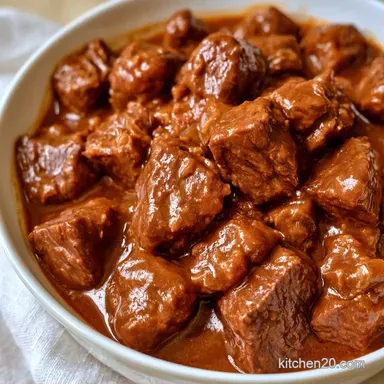
Tender Steak Stew Recipe Slow Cooker
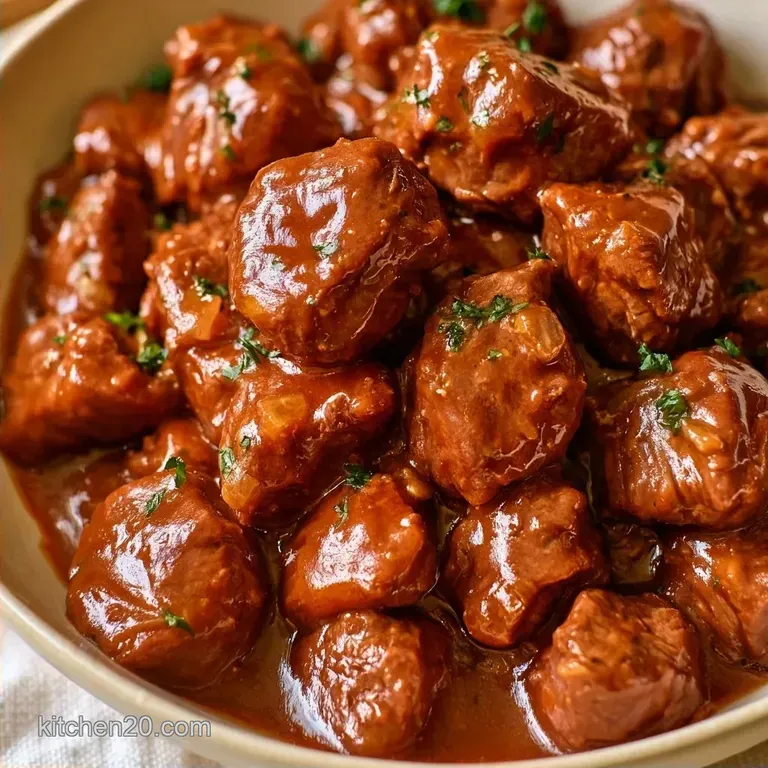
- Time:20 mins active + 8 hours cooking
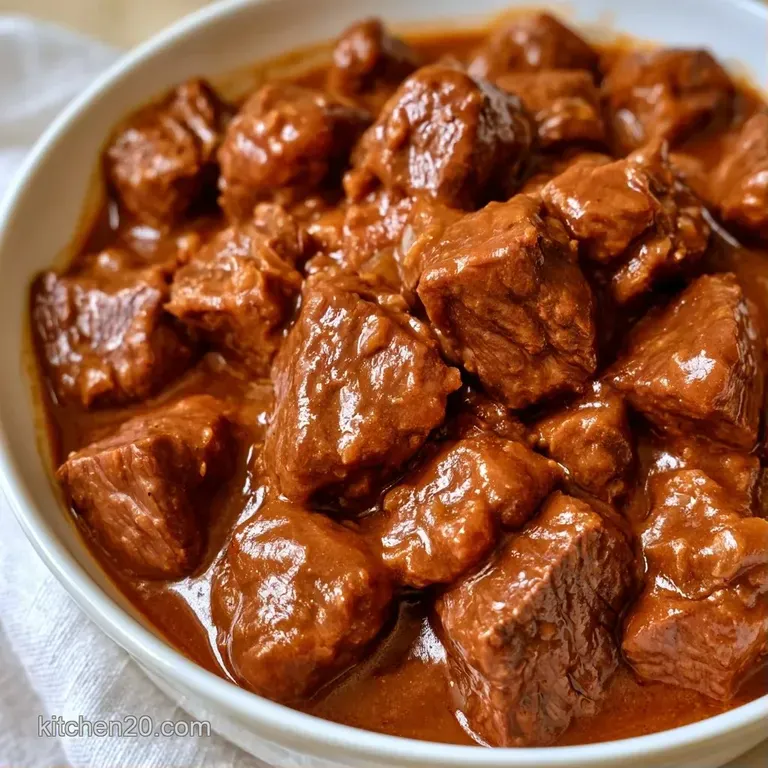
- Flavor/Texture Hook: Deep mahogany beef and glossy gravy
- Perfect for: Sunday meal prep or a cozy family dinner
The smell of beef searing in a hot pan is the only way to start this. You know that sound, the aggressive sizzle when the meat hits the oil and the kitchen suddenly smells like a steakhouse.
For a long time, I just threw everything into the pot and hoped for the best, but the result was always a gray, boiled looking mess with a watery broth. It lacked depth.
The real hero here is the beef chuck. I used to buy the pre cut "stew meat" from the store, but that's usually a mix of lean scraps that turn into rubbery pebbles. Chuck roast is marbled with fat and collagen, which is the magic ingredient.
When it simmers for hours, that collagen melts, thickening the sauce and making the meat tender enough to break with a fork.
This Steak Stew Recipe Slow Cooker approach is about efficiency and flavor. You spend a few minutes at the start getting a proper crust on the meat, then you let the appliance do the heavy lifting. By the time you walk through the door after work, the house smells like a dream.
Steak Stew Recipe Slow Cooker Guide
Let's dive into the details. This is a hearty, filling dish that serves roughly six. To keep the cleanup simple, I've limited the equipment to just a skillet for searing and a slow cooker for the long simmer.
Prep takes about 20 minutes, though the cooking requires more patience. For a faster result, use the High setting for 4-5 hours, but for the absolute best texture, the Low setting for 8 hours is the way to go.
Before starting, here is a quick comparison with other techniques I've tried. While the oven and stove both work, the level of effort varies.
| Method | Effort Level | Texture Result |
|---|---|---|
| Stovetop | High (Needs stirring) | Thick, but can overcook veg |
| Oven | Medium (Hands off) | Consistent, takes up oven space |
| Slow Cooker | Low (Set and forget) | Most tender meat, effortless |
What Makes It Tender
The success of this dish comes down to a few basic rules of heat and fat. Since we're using a slow cooker, we have to be smart about how we build the flavor.
Collagen Breakdown: Using chuck roast means we have plenty of connective tissue. Over 8 hours, this transforms into gelatin, which gives the Steak Stew Recipe Slow Cooker that rich, mouth coating feel.
The Fond: Those brown bits stuck to the pan after searing are called the fond. By deglazing with red wine, we lift all that concentrated flavor back into the stew. It's the difference between a bland broth and a deep, savory gravy. If you want something similar but a different vibe, you might like my Beef Pasta recipe, though that's a much faster meal.
Late Thickening: Adding the cornstarch slurry at the end prevents the sauce from becoming gummy. It allows the meat to cook in a thinner liquid first, which penetrates the fibers better before we lock in the glossy finish.
The Shopping List
Be sure to use the correct cuts for this dish. Choosing a lean sirloin will cause the meat to dry out; instead, look for a cut with visible marbling and white fat veins.
- 2 lbs (900g) beef chuck roast, cut into 1.5 inch (4cm) cubes Why this? High collagen for a tender bite
- 2 tbsp (30ml) vegetable oil Why this? Won't burn during high-heat browning
- 1 tsp (5g) salt Why this? Boosts the overall flavor
- ½ tsp (3g) cracked black pepper Why this? Provides a peppery kick
- ¼ cup (30g) all purpose flour Why this? Encourages browning and thickens the sauce
- 1 large (150g) yellow onion, diced Why this? Fragrant, sweet foundation
- 3 cloves (15g) garlic, minced Why this? Savory, pungent intensity
- 4 large (600g) carrots, cut into thick rounds Why this? Stays intact throughout the simmer
- 1.5 lbs (680g) baby gold potatoes, halved Why this? Buttery consistency and holds its form
- 2 stalks (60g) celery, sliced Why this? Contributes a subtle, earthy saltiness
- 1 cup (240ml) dry red wine Why this? Cuts through the richness with acidity
- 3 cups (710ml) beef broth, low sodium Why this? Lets you manage the saltiness
- 2 tbsp (30ml) tomato paste Why this? Provides rich color and umami
- 1 tbsp (15ml) Worcestershire sauce Why this? Tangy, multifaceted saltiness
- 2 bay leaves Why this? Subtle floral and herbal notes
- 1 tsp (2g) dried thyme Why this? Standard stew aromatic
- ½ tsp (1g) dried rosemary Why this? Strong, piney scent
- 2 tbsp (16g) cornstarch Why this? Thickens the gravy at the end
- 2 tbsp (30ml) cold water Why this? For the cornstarch slurry
Easy Swaps:
- Red Wine: Substitute with an equal amount of beef broth plus a dash of balsamic vinegar.
- Baby Gold Potatoes: Red potatoes are a solid alternative and maintain their shape.
- Beef Broth: Use bone broth for a heartier body and extra protein.
- Carrots: Parsnips work well for those wanting a peppery flavor.
Tools for the Job
I prefer keeping things simple. All you really need are a few dependable tools to get the job done.
- Slow Cooker: A 6-quart size is generally ideal for this volume of meat and vegetables.
- Cast Iron Skillet: My top choice for searing because it retains heat better than non-stick, though stainless steel works as well.
- Tongs: Crucial for flipping the beef without damaging the crust.
- Whisk: To ensure the cornstarch slurry is perfectly smooth.
- Paper Towels: Don't overlook these. Patting the meat dry prevents it from steaming so you get a proper sear.
Bringing It Together
Let's dive into the method. I've organized the steps into stages to highlight how the flavor develops.
Phase 1: The Flavor Foundation
- Dry the beef cubes thoroughly with paper towels. Season with salt and pepper, then coat lightly in flour. Note: The flour helps build a better crust and thickens the sauce later.
- Get your oil shimmering in a skillet set to medium-high.
- Brown the beef in small batches to achieve a deep, mahogany crust. Cook for about 3-4 minutes per side. Set the beef aside on a plate. Note: Avoid overcrowding the pan, otherwise the meat will steam in its own juices instead of searing.
- In that same pan, sauté the chopped onion and celery for 3-4 minutes until soft. Stir in the minced garlic for 30 seconds until fragrant.
Phase 2: Deglazing & Assembly
- Pour in the red wine, using a wooden spoon to scrape up the browned bits from the bottom. Simmer for 2 minutes.
- Transfer the wine and cooked vegetables into the slow cooker.
- Stir in the seared beef, potatoes, carrots, tomato paste, Worcestershire sauce, beef broth, thyme, rosemary, and bay leaves.
Phase 3: The Low and Slow Simmer
- Cover and set to Low for 8 hours until the beef is fork-tender. Note: The meat is done once it yields easily to a fork.
Phase 4: The Velvety Finish
- Mix cornstarch and cold water into a smooth slurry. Whisk this into the slow cooker for the final 30 minutes of the process.
- Switch the heat to High and cook uncovered for 15-20 minutes until the gravy is rich, glossy, and thick.
The Secret to Success
If you're wondering why we do things this way, it's all about managing moisture and heat.
The Sear: Searing isn't just for looks. It creates a complex flavor profile that you can't get from simmering alone. This is a key part of any Steak Stew Recipe Slow Cooker.
The Slurry: Adding cornstarch at the end ensures the gravy stays smooth. If you add it too early, it can clump or break down during the long cook.
Vegetable Cut: I cut the carrots into thick rounds. If they're too thin, they'll disappear into the sauce after 8 hours. You want them tender but still intact.
Chef's Note: If you find your stew is always too thin, try leaving the lid off for the last 45 minutes. The evaporation concentrates the flavors and thickens the liquid naturally.
Pro Tips & Pitfalls
Even when following a straightforward slow cooker steak stew, you might encounter a few hurdles. Here is how to resolve the most common issues.
Fixing a Thin Sauce
This typically happens when vegetables release more liquid than anticipated. Simply use the cornstarch slurry to thicken it. If the sauce is still too thin after that, switch the setting to High and leave the lid off for 20 minutes.
Solving Tough Meat
If the beef remains chewy after 8 hours, the collagen likely hasn't melted yet. Allow it to cook for one more hour. Because slow cookers vary in temperature, some simply need extra time to hit the right mark.
Preventing Mushy Vegetables
To stop your carrots from turning into mush, try adding them halfway through the cooking process (around hour 4). This is especially helpful if you are using smaller, younger carrots.
| Problem | Fix |
|---|---|
| Sauce is too thin | Stir in cornstarch slurry and cook uncovered on High |
| Meat is rubbery | Cook for 1-2 more hours on Low |
| Veggies are mushy | Add carrots/potatoes 4 hours into the cook |
| Sauce tastes flat | Add a teaspoon of Worcestershire or a pinch of salt |
Keeping It Fresh
The flavors deepen overnight, making the stew taste even better the following day.
Store it in a tightly closed vessel in the fridge for as long as 4 days. Warm it up gradually on the stovetop using medium-low heat. If the sauce has become too thick while chilling, simply stir in a bit of water or beef broth to thin it out.
This recipe is also an excellent choice for meal prepping. It remains high quality for about 3 months in a freezer-safe bag. Let it defrost in the refrigerator overnight before reheating on the stove.
Zero Waste Tip: Avoid tossing the remaining beef broth or stray vegetable scraps. I typically collect onion skins and carrot ends in a freezer bag; once full, I simmer them in water for a few hours to create a simple vegetable stock for other dishes.
Changing the Flavor
While this slow cooker beef stew is a fantastic starting point, it is easy to customize based on your preferences.
The Irish Style For an Irish twist, replace the red wine with a dark stout. This introduces a malty, bitter undertone that complements the root vegetables well. Adding a touch of brown sugar can also help offset the beer's bitterness.
Gluten-free Options To make this gluten-free, use arrowroot powder or cornstarch instead of all-purpose flour during the searing phase. Since the final slurry already uses cornstarch, you're nearly there.
Low Carb/Keto Tweaks To lower the carb count, omit the carrots and potatoes. Instead, use turnips and radishes; when slow cooked, radishes lose their peppery edge and mimic the texture of potatoes.
No Wine Version If you prefer a wine-free version, substitute it with an additional amount of beef broth and one tablespoon of apple cider vinegar. The vinegar provides the necessary acidity to tenderize the meat and cut through the richness, similar to the wine. For another comforting meal, you might try my Winter Beef Stew for a slightly different approach.
Decision Shortcut:
- Extra richness? → stir in 1 tbsp butter at the end
- Low salt? → substitute broth with water and herbs
- More veg? → toss in sliced parsnips with the carrots
How to Serve and Enjoy
Serving this Steak Stew Recipe Slow Cooker is all about the sides. Since the stew is so rich, you want something that can soak up that gravy or provide a fresh contrast.
The Classic Pairing A crusty piece of sourdough or a warm baguette is non negotiable. You'll want something to swipe through the bowl to get every last drop of the sauce. Mash potatoes are another great option if you didn't put enough in the stew.
Adding Freshness Because this dish is heavy on "brown" flavors, a pop of color helps. Sprinkle some freshly chopped parsley or chives over the top right before serving. It adds a hit of freshness that cuts through the richness of the beef.
The Presentation I like to serve this in wide, shallow bowls rather than deep cups. This allows the gravy to spread and keeps the meat and vegetables from all clumping together. If you have a guest who prefers something lighter, a simple side salad with a lemon vinaigrette balances the meal perfectly.
Right then, you've got everything you need for a proper Steak Stew Recipe Slow Cooker. Just remember to pat that meat dry and don't rush the sear. Trust me, those extra ten minutes at the stove make all the difference in the final bowl. Happy cooking!
Recipe FAQs
Is it better to cook beef stew on high or low in a crockpot?
Low for 8 hours is the best choice for maximum tenderness. High for 4-5 hours is an option if you are short on time, but the slower cook better breaks down the collagen.
What are common mistakes to avoid in beef stew?
Avoid using pre-cut stew meat, which is often too lean and becomes rubbery. Instead, use beef chuck roast and always sear the meat first to avoid a boiled appearance.
What liquid combination works best for beef stew?
A mix of beef broth and dry red wine is ideal. The red wine provides an acidic balance that cuts through the richness of the beef.
Can you put raw steak in a slow cooker?
You can, but the meat will look gray and lack depth. Searing the beef cubes first creates a mahogany crust that defines the final flavor of the gravy.
Which cut of beef is traditional for a slow cooker stew?
Beef chuck roast is the standard choice for this recipe. Its marbling ensures the meat stays succulent and tender during the long simmering process.
How to thicken the stew sauce?
Whisk cornstarch and cold water into a smooth slurry. Stir this into the pot during the final 30 minutes and cook uncovered on High for 15-20 minutes.
Could other grains be added for heartiness?
Pearled barley is a popular addition for extra texture. You can see how the same grain-handling logic applies in our guide on how to cook barley.
Is it true that you can skip searing the meat to save time?
Actually, no. Skipping the sear removes the fond and mahogany crust, leaving the stew with a bland, boiled taste.
Steak Stew Recipe Slow Cooker for 6