Smothered Chicken with Silky Gravy
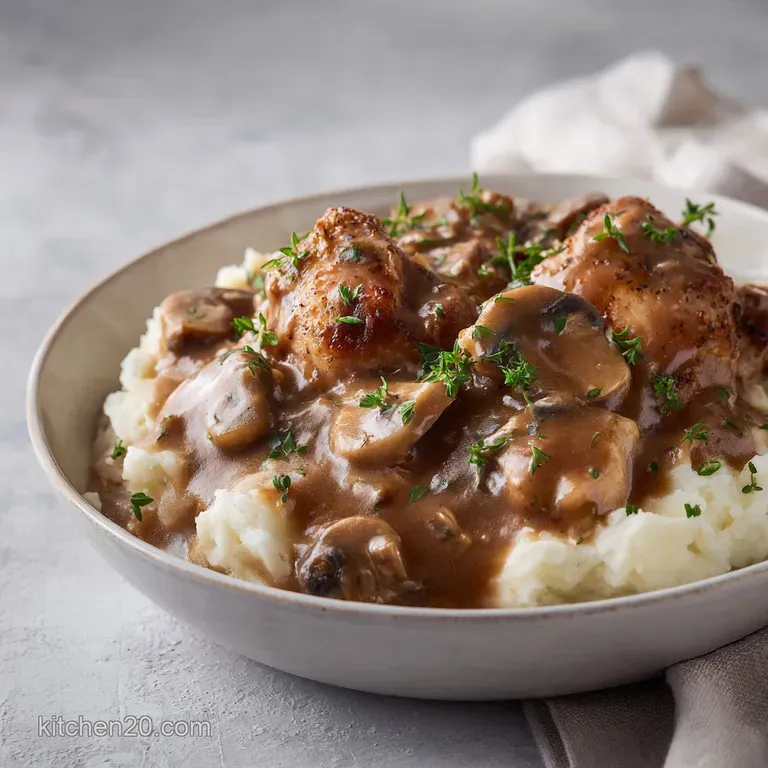
- Time: Active 15 minutes, Passive 45 minutes, Total 1 hour
- Flavor/Texture Hook: Shatter crisp skin meets silky gravy
- Perfect for: Sunday family dinner or cozy meal prep
- Why You'll Love This Smothered Chicken
- Essential Recipe Specifications
- The Core Component Analysis
- Kitchen Gear You Need
- Step-By-Step Cooking Guide
- Fixing Common Kitchen Errors
- Creative Flavor Profile Shifts
- Managing Your Leftover Portions
- Perfect Side Dish Pairings
- Very High in Sodium
- Recipe FAQs
- 📝 Recipe Card
Why You'll Love This Smothered Chicken
There’s a specific sound that happens when you drop flour dusted chicken into a pool of shimmering oil. It’s a rhythmic, steady sizzle that promises everything good in this world.
The last time I made this, the aroma of browning butter and sweet onions drifted out the window, and I kid you not, my neighbor actually knocked on the door asking what was for dinner. This recipe isn't just about food; it's about that magnetic pull of home cooking.
I used to think making a proper gravy was some kind of dark art reserved for Southern grandmas. My first attempt was a lumpy, pale mess that tasted mostly like raw flour. But after years of messing it up, I finally realized it’s all about the "smother." It’s not just pouring sauce over meat; it’s a gentle braise that makes the chicken fall apart tender while the sauce builds complexity. This technique is similar to how we develop depth in a Mushroom Chicken with recipe but with a more traditional, heartier finish.
You’re going to get a velvety sauce that clings to every bite without being heavy. We aren't just making a meal; we're creating a connection through the platform of a cast iron skillet.
Trust me, once you see that golden brown crust emerge from the pan, you’ll never go back to plain roasted bird again. It’s the kind of dish that turns a regular Tuesday into a revolutionizing dining experience for your family.
The Physics of the Braise
Hydrolytic Cleavage: The gentle simmering in liquid breaks down tough connective tissue (collagen) into gelatin, creating a mouthfeel that is remarkably silky. This process ensures the meat remains succulent while naturally thickening the surrounding sauce.
- Maillard Reaction: over High heat searing creates hundreds of flavor compounds that anchor the gravy's depth.
- Starch Gelatinization: Flour particles swell and burst in the hot stock, creating a stable, thickened network.
- Fat Emulsification: Whisking heavy cream into the roux creates a smooth, unified sauce that won't separate.
- Aromatic Infusion: Slow cooking onions releases sulfur compounds that mellow into a deep, caramelized sweetness.
| Thickness | Internal Temp | Rest Time | Visual Cue |
|---|---|---|---|
| 1 inch (Thigh) | 175°F | 5 minutes | Juices run completely clear |
| 0.75 inch (Breast) | 165°F | 3 minutes | Opaque center, no pink |
| Bone in Thigh | 185°F | 8 minutes | Meat pulls from bone easily |
Building the perfect Smothered Chicken requires understanding how each part interacts within the pan. When you sear the chicken, you're not just cooking the meat; you're seasoning the oil with rendered fat and browned bits called "fond." This fond is the literal soul of your gravy, which is why we never wash the pan between searing the meat and sautéing the onions.
Essential Recipe Specifications
Getting the timing right is the difference between a shatter crisp skin and a soggy mess. We are aiming for a total cook time of 45 minutes to ensure the bone in thighs reach that sweet spot of 185°F.
While 165°F is the safe minimum, dark meat actually tastes better when pushed further, as the extra heat fully dissolves the fat and connective tissue.
| Method | Time | Texture | Result |
|---|---|---|---|
| Fast (Stovetop) | 45 minutes | Crispy edges | Intense flavor |
| Classic (Crock Pot) | 6 hours | Fall apart soft | Mellow gravy |
Chef's Tip: Freeze your unsalted butter for 10 minutes before you start. Grating cold butter into your flour mixture creates tiny pockets of steam that make the chicken coating extra airy and light.
The Core Component Analysis
The magic of a Southern smothered chicken lies in the balance of the dredge and the liquid. You want enough flour to create a crust, but not so much that the gravy becomes a paste. Using 125g of all purpose flour provides the perfect ratio for the 710ml of chicken stock we’ll be using later.
It’s a precise dance of chemistry and heat.
| Ingredient | Science Role | Pro Secret |
|---|---|---|
| AP Flour | Thickening Agent | Toast it in chicken fat until it smells like roasted nuts. |
| Heavy Cream | Emulsifier | Add at the very end to prevent the sauce from breaking. |
| Chicken Thighs | Fat Content | Use skin on for extra rendered fat to flavor the roux. |
When selecting your chicken, stick with the 1 kg of bone in, skin on thighs. The bone acts as a thermal conductor, cooking the meat from the inside out, while the skin provides the essential fat needed for a truly savory mahogany roux. If you've mastered the How to Sear recipe before, you'll find the searing process here very familiar but with a focus on building a thicker crust.
Kitchen Gear You Need
To achieve that iconic sizzle, a heavy bottomed skillet is non negotiable. I prefer a 12 inch cast iron skillet (like a Lodge) because it retains heat beautifully, ensuring the oil temperature doesn't plummet when you add the chicken.
If you use a thin stainless steel pan, you risk the flour sticking and burning before the meat is even halfway cooked.
You'll also need a sturdy whisk to handle the gravy. A silicone coated whisk is great if you're worried about scratching your pan, but a classic balloon whisk is better for breaking up any flour clumps. Finally,, a meat thermometer is your best friend here.
Don't guess; knowing the internal temperature is the only way to guarantee juiciness every single time.
step-by-step Cooking Guide
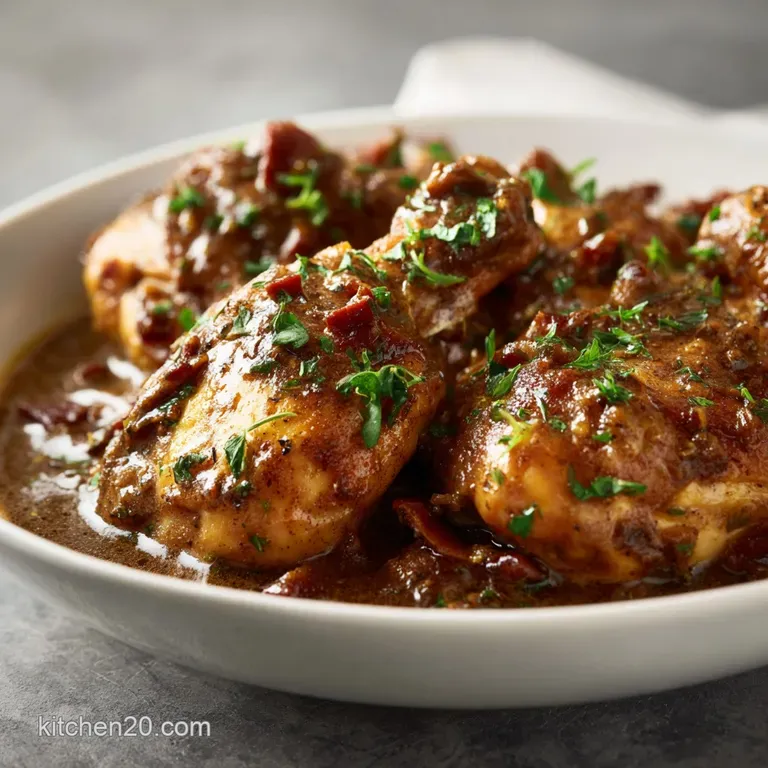
- Prep the dredge. Mix 125g all purpose flour, 15g smoked paprika, 15g garlic powder, 15g onion powder, 5g cayenne, 12g salt, and 5g pepper in a shallow bowl. Note: This ensures every millimeter of chicken is seasoned.
- Coat the chicken. Dredge 1 kg chicken thighs in the flour mixture, shaking off the excess. Wait 5 minutes before frying so the flour hydrates and sticks.
- Sear the meat. Heat 45ml neutral oil in a large skillet. Fry chicken skin side down for 6 minutes until the skin is golden and shatter crisp. Flip and cook 4 minutes more, then remove to a plate.
- Sauté the aromatics. In the same pan, melt 42g unsalted butter. Add 1 sliced yellow onion and cook for 5 minutes until soft and starting to brown.
- Build the roux. Stir in 2 tablespoons of the leftover seasoned flour. Cook for 2 minutes, stirring constantly until it smells like toasted bread.
- Deglaze the pan. Slowly pour in 710ml chicken stock while whisking. Scrape the bottom of the pan to release all those browned chicken bits.
- Simmer and smother. Return the chicken to the pan. Add 2 sprigs of fresh thyme. Cover and simmer for 25 minutes until the sauce is thick and velvety.
- Finish with cream. Remove from heat and stir in 120ml heavy cream. Whisk gently until the gravy is a pale, mahogany color.
- Final rest. Let the dish sit for 5 minutes before serving. Note: This allows the proteins to relax and soak up more sauce.
Prepping Your Seasoned Chicken
The 5 minute rest after dredging is the "glue" phase. If you drop freshly floured chicken straight into oil, the coating often sloughs off in the pan. By waiting, the natural moisture of the chicken binds with the flour, creating a more resilient crust that can withstand the later simmering process without becoming mushy.
Creating The Mahogany Gravy
The secret to a "Southern" style gravy is the color of the roux. You aren't looking for a white gravy here; you want a deep, golden tan. By cooking the flour and onion together in the butter and chicken drippings, you're effectively toasting the starches.
This adds a nutty, complex dimension that simple white sauces lack.
Fixing Common Kitchen Errors
The most frequent heartbreak with this Smothered Chicken recipe is a lumpy gravy. Usually, this happens because the liquid was added too fast or the roux wasn't whisked thoroughly. If this happens to you, don't panic.
You can often save it by pouring the sauce through a fine mesh strainer or giving it a quick blitz with an immersion blender before returning it to the chicken.
| Problem | Cause | Fix |
|---|---|---|
| Thin gravy | Not enough roux | Simmer longer without a lid to reduce liquid |
| Bland sauce | Under seasoned flour | Add a pinch of salt or a dash of Worcestershire |
| Greasy finish | Fat didn't emulsify | Whisk in 1 tablespoon of cold butter off heat |
Fixing Lumpy Gravy Textures
Lumps are simply pockets of dry flour that have been sealed off by cooked starch. To prevent them, always add your chicken stock in a slow, steady stream while whisking vigorously in a circular motion.
If the lumps are stubborn, remove the chicken and use a whisk to "smash" them against the side of the pan until they dissolve into the sauce.
Adjusting High Salt Levels
Since we are using 710ml of stock and reducing it, the salt concentration can increase quickly. If your gravy tastes like a salt lick, add a splash more heavy cream or a teaspoon of brown sugar. The fat and sweetness help mask the sodium without thinning the sauce too much.
Always use low sodium stock to give yourself more control over the final seasoning.
Common Mistakes Checklist
- ✓ Pat the chicken completely dry before dredging (prevents a gummy coating).
- ✓ Don't overcrowd the pan - sear in two batches if necessary.
- ✓ Use a heavy skillet to maintain a consistent sizzle during frying.
- ✓ Keep the heat at medium low during the "smothering" phase to prevent the cream from curdling.
- ✓ Let the chicken rest for a few minutes so the juices stay inside the meat.
Creative Flavor Profile Shifts
While the classic version is hard to beat, you can easily adapt this dish to your pantry. For an Easy smothered chicken with a twist, try adding sliced mushrooms along with the onions. They soak up the chicken fat and add an incredible earthy depth to the gravy.
If you're feeling adventurous, a tablespoon of Dijon mustard whisked into the cream at the end adds a sharp, sophisticated tang.
| Original Ingredient | Substitute | Why It Works |
|---|---|---|
| Heavy Cream (120ml) | Coconut Milk (full fat) | Similar fat content. Note: Adds a subtle nutty flavor. |
| Chicken Thighs | Chicken Breast | Leaner option. Note: Cook 10 minutes less to avoid dryness. |
| Neutral Oil | Bacon Drippings | Massive flavor boost. Note: Increases total sodium levels. |
The Classic Rice Pairing
There is no better vessel for that velvety gravy than a heap of fluffy white rice. The grains act like tiny sponges, soaking up every drop of the onion infused sauce. For a more festive occasion, you could also pair this with a Homemade Stuffing recipe, which provides a fantastic textural contrast to the soft, smothered meat.
Low Carb Side Options
If you're watching your carbs, swap the rice for cauliflower mash or sautéed green beans. The richness of the Creamy smothered chicken gravy makes even the simplest vegetables feel like a decadent treat.
Just ensure your veggies are seasoned simply with salt and pepper so they don't compete with the complex spices in the chicken dredge.
Managing Your Leftover Portions
This dish is a revolutionizing meal prep secret because it actually tastes better the next day. As the chicken sits in the gravy, the flavors of the thyme, garlic, and onions permeate the meat even deeper. Store your leftovers in an airtight container in the fridge for up to 4 days.
When reheating, add a splash of water or stock to loosen the gravy, as it will thicken significantly when cold.
For long term storage, you can freeze smothered chicken for up to 3 months. I recommend freezing the chicken and gravy together in a freezer safe bag with the air pressed out. To reheat, thaw overnight in the fridge and warm it gently in a skillet over low heat.
Avoid the microwave if possible, as it can make the chicken rubbery and cause the cream sauce to separate.
Zero Waste Tip: Don't throw away the bones! Once you've finished the meat, toss the bones into a pot with some water, carrot scraps, and celery ends. Simmer for 2 hours to create a quick "scrap stock" that you can use for your next batch of soup or gravy.
Perfect Side Dish Pairings
When thinking about what to serve, you want something that can stand up to the weight of the gravy. A crisp green salad with a bright lemon vinaigrette provides a necessary acidic cut through the richness of the cream and butter.
Alternatively, honey glazed carrots offer a sweet counterpoint to the smoky paprika and cayenne in the chicken coating.
| Level | Tweak | Vibe |
|---|---|---|
| Simple | Over a bed of rice | Homey and comforting |
| Polished | Garnish with fresh thyme | Elegant Sunday lunch |
| Restaurant | Deboned thigh, strained sauce | Gourmet presentation |
Scaling Your Batch Size
If you're cooking for a crowd, you can easily double this recipe. Use two skillets for the searing phase to ensure you don't crowd the pans, then combine everything into one large Dutch oven for the "smothering" step. When doubling, you only need to increase the thyme and cayenne by 1.5x to avoid overpowering the dish.
- If you want it extra crispy
- Finish the chicken under the broiler for 2 minutes before serving.
- If you want it extra creamy
- Double the heavy cream and whisk in an extra tablespoon of cold butter.
- If you want it spicy
- Increase the cayenne pepper to 10g and add a dash of hot sauce to the gravy.
Searing Myths Debunked
One common myth is that searing "seals in the juices." In reality, searing is all about the flavor of the crust. Moisture loss actually happens more rapidly at high temperatures, but the trade off is the incredible savory depth you get from the Maillard reaction.
The "juiciness" in this dish actually comes from the gentle simmering in the gravy, which prevents the meat from drying out after the initial sear.
Another misconception is that you must use a lot of oil. You only need enough to coat the bottom of the pan; the chicken skin will render out its own fat as it cooks, which provides the best flavor for the roux anyway. Using too much oil will just result in a greasy gravy that separates.
Trust the process and let the chicken fat do the heavy lifting!

Very High in Sodium
1248 mg mg of sodium per serving (54% of daily value)
The American Heart Association recommends limiting sodium intake to about 2,300mg per day for overall cardiovascular health.
Tips to Reduce Sodium in this Recipe
-
Broth Swap-30%
Use unsalted chicken broth or homemade stock. This will significantly reduce the sodium content compared to regular low-sodium broth, which still contains sodium.
-
Reduce Added Salt-25%
Decrease the amount of kosher salt added to the flour mixture by 50% (from 12g to 6g). Taste and adjust after cooking if needed.
-
Unsalted Butter-10%
Ensure you are using completely unsalted butter, not just "low sodium" butter, as some sodium is still present.
-
Skin Removal-5%
Consider removing the chicken skin before cooking, while this affects fat content more, it can slightly reduce sodium, as some sodium resides there.
-
Flavor Boost
Enhance the flavor with fresh herbs and spices. Experiment with adding more smoked paprika, garlic, and onion to replace the salt.
Recipe FAQs
What is smothered chicken?
It is pan-fried chicken that is subsequently braised in a rich gravy. The chicken is typically dredged in seasoned flour and seared until golden, then covered completely or "smothered" in a thick, savory sauce, often onion based, until tender.
Why is it called smothered chicken?
Because the chicken is completely covered by the gravy while simmering. This low and slow method allows the tough connective tissues to break down, resulting in extremely moist meat while the sauce absorbs deep flavor.
What's the secret to the best smothered chicken?
Sear the chicken properly to build a deep fond, then don't rush the simmer. The flavor of the gravy comes directly from those browned bits left in the pan after searing; scraping them up when adding the liquid is critical. If you enjoyed mastering the fond creation here, see how the same principle works in our Crockpot Honey Garlic Meatballs recipe for deep flavor building.
What vegetables are good in smothered chicken?
Onions and garlic are essential, but mushrooms, celery, and carrots are excellent additions. Sauté these aromatics immediately after searing the chicken to infuse their flavor into the rendered fat before making the roux.
How do I prevent the gravy from being lumpy?
Whisk the liquid into the roux slowly and consistently. Ensure your roux (flour and fat) has been cooked until it smells nutty before gradually adding the cold stock in a thin stream while whisking vigorously.
Can I make smothered chicken ahead of time?
Yes, it actually improves the next day, especially the sauce flavor. Prepare the entire dish, cool it completely, and store it in the refrigerator; when reheating, add a splash of water or stock to restore the gravy's original consistency.
What side dish pairs best with rich smothered chicken and gravy?
Something starchy like creamy mashed potatoes or rice is traditional. However, for balance, a simple, bright side works wonders, such as my Roasted Fingerling Potatoes recipe, which offers textural contrast.
Smothered Chicken Recipe
Ingredients:
Instructions:
Nutrition Facts:
| Calories | 812 calories |
|---|---|
| Protein | 39.2 g |
| Fat | 59.4 g |
| Carbs | 27.6 g |
| Fiber | 2.1 g |
| Sugar | 3.8 g |
| Sodium | 1248 mg |
