Sour Cream Donut: Shatter Crisp
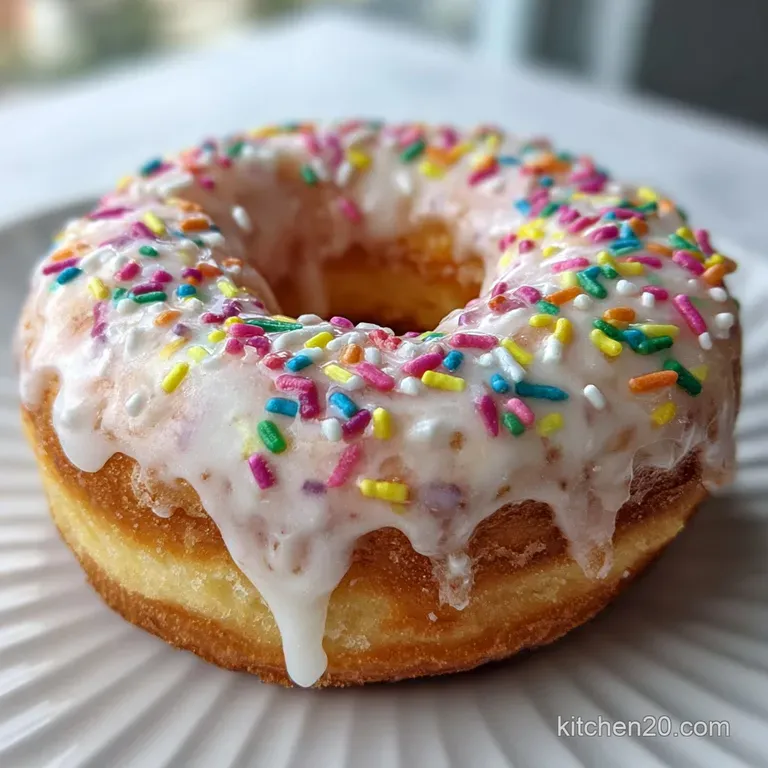
- Time: Active 20 minutes, Passive 15 minutes, Total 35 minutes
- Flavor/Texture Hook: Shatter crisp glaze over a nutmeg spiced, cake like crumb
- Perfect for: Weekend brunch gatherings, holiday mornings, or an impressive dessert social
- Achieving the Golden Shatter with a Homemade Sour Cream Donut
- The Molecular Magic of Acidity and Texture
- Core Metrics for Success in Your Kitchen
- Choosing the Right Elements for a Velvet Crumb
- Tools for Creating a Professional Bakery Environment
- Executing the Perfect Fry and Glaze Sequence
- Navigating Common Culinary Hurdles and Friction Points
- Customizing Your Batch for Every Festive Occasion
- Maintaining That Signature Crunch Through Proper Storage
- Connecting Your Treats with the Perfect Beverage Pairings
- Recipe FAQs
- 📝 Recipe Card
Achieving the Golden Shatter with a Homemade Sour Cream Donut
The air in my kitchen currently smells like a mix of warm nutmeg and that specific, intoxicating sizzle of dough hitting hot oil. You know that sound? That sharp "hiss" that slowly settles into a rhythmic bubbling as the edges of the dough start to curl and crisp?
It's the sound of a childhood memory being reconstructed right on my stovetop, and honestly, there is nothing like it.
We've all had those supermarket donuts that feel like damp sponges, but this Sour Cream Donut is a different beast entirely. It’s about that iconic "old-fashioned" look the way the top cracks open into a jagged mountain range of nooks and crannies, just waiting to be flooded with a thin, crackling vanilla glaze.
I remember the first time I got the oil temperature just right; the moment that first donut floated to the surface, I knew I’d moved beyond basic baking into something more like culinary engineering.
This isn't just about mixing flour and sugar; it’s about creating a platform for texture. We’re going to use the high fat and acidity of full fat sour cream to revolutionize the way you think about fried dough. If you’ve ever been intimidated by deep frying, let’s push past that together.
Once you see the first one emerge, golden and fragrant, you'll be hooked on the process.
The Molecular Magic of Acidity and Texture
Understanding the "how" behind the crunch is what transforms a good cook into an innovative one. This recipe relies on a specific chemical synergy to create its signature profile.
- Acidity Tenderization: The lactic acid in the 240g of sour cream weakens the gluten bonds in the 420g of cake flour, ensuring the crumb remains tender rather than bread like.
- Thermal Expansion: As the cold dough hits the 170°C oil, the 10g of baking powder reacts instantly, creating a rapid gas release that forces the surface to "bloom" and crack.
- Fat Barrier: The high fat content in the yolks and sour cream creates a barrier that prevents the oil from soaking into the center, keeping the interior light.
| Feature | Fast Method (Quick Drop) | Classic Sour Cream Donut |
|---|---|---|
| Texture | Soft and uniform | Craggy and ultra crisp |
| Effort | Low (no chilling) | Moderate (requires chill time) |
| Glaze Hold | Absorbs quickly | Sets into a thin shell |
When we look at the physics of the fry, the temperature of your dough is just as vital as the temperature of your oil. If the dough is too warm, it loses its structural integrity before the crust can set. By keeping things chilled, we ensure that the "shatter" effect is maximized.
This is why we treat the dough like a delicate circuit handle it too much, and you overheat the system.
| Ingredient | Science Role | Pro Secret |
|---|---|---|
| Cake Flour | Low protein (approx. 8%) | Prevents toughness; keeps the "cake" in cake donut. |
| Sour Cream | Acidic fat source | Use full fat only for the highest moisture to protein ratio. |
| Egg Yolks | Emulsifier and color | Provides the rich, custard like yellow hue and velvety mouthfeel. |
| Baking Powder | Primary leavener | Ensures the "cracked" surface that defines this specific style. |
Connecting the dots between these ingredients is the key to consistency. For instance, if you’re looking to experiment with other high acid bases, you might find similarities in how we balance fats in our Foolproof Sour Cream recipe. While that’s a savory application, the principle of using sour cream to maintain moisture under high heat remains a constant across our culinary platform.
Core Metrics for Success in Your Kitchen
Before we start the assembly, let's look at the hard data. To achieve professional grade results, we need to respect the weights and measures. This isn't a recipe where "eyeballing it" leads to a revolution in flavor; it leads to a mess in the fryer.
- Dough Thickness: Exactly 1.3 cm (about 1/2 inch).
- Oil Temperature:165°C to 175°C (325°F to 350°F).
- Resting Time: Minimum 1 hour chilled (essential for starch hydration).
| Servings | Dough Weight (Total) | Oil Needed | Fry Batches |
|---|---|---|---|
| 6 People | ~450g | 1 Liter | 2 Batches |
| 12 People | 880g | 2 Liters | 4 Batches |
| 24 People | 1.76kg | 4 Liters | 8 Batches |
For a larger social gathering, I recommend frying in smaller batches to prevent the oil temperature from crashing. When the oil temp drops, the donuts don't sear; they soak. Think of it as load management for your stovetop.
Keeping that oil sizzle consistent is the difference between a greasy disappointment and a golden masterpiece.
Choosing the Right Elements for a Velvet Crumb
The quality of your output is directly linked to the quality of your input. We aren't just looking for "ingredients" we're looking for specific components that play well together.
- 420g Cake Flour: Why this? Lower protein means less gluten, resulting in a tender, melt in-your mouth texture. (Substitute: All purpose flour minus 2 tbsp per cup, replaced with cornstarch).
- 150g Granulated Sugar: Why this? Provides sweetness and aids in the Maillard reaction for a deep golden color. (Substitute: Caster sugar).
- 240g Full fat Sour Cream: Why this? The backbone of the recipe, providing both the fat and the necessary acidity. (Substitute: Full fat Greek yogurt, though it’s slightly tangier).
- 2 Large Egg Yolks: Why this? Adds richness without the thinning effect of egg whites. (Substitute: 1 whole egg, but the crumb will be slightly tougher).
- 30g Unsalted Butter: Why this? Melted and cooled to provide a silky mouthfeel. (Substitute: Neutral oil like canola).
- 5ml Vanilla Bean Paste: Why this? Those little black specks in the glaze signal a premium experience. (Substitute: Pure vanilla extract).
Chef's Tip: Freeze your butter for 10 minutes, then grate it into the dry ingredients if you want extra flaky micro pockets, though for this specific Cream Donut, melted and cooled butter is the standard for a uniform crumb.
| Original Ingredient | Substitute | Why It Works |
|---|---|---|
| Cake Flour (420g) | AP Flour + Cornstarch | Cornstarch dilutes the protein, mimicking the softness of cake flour. |
| Sour Cream (240g) | Buttermilk (reduced) | Similar acidity. Note: Must use 1/4 less volume to avoid a runny dough. |
| Vanilla Bean Paste | Vanilla Extract | Same flavor profile, though you lose the aesthetic "specks." |
For those of you who have mastered our Simply Divine Homemade recipe, you know that homemade dairy has a higher fat percentage than store-bought. If you’re using DIY sour cream, your donuts will be even richer. Just ensure it’s thick enough to hold the dough’s shape during the cutting phase.
Tools for Creating a Professional Bakery Environment
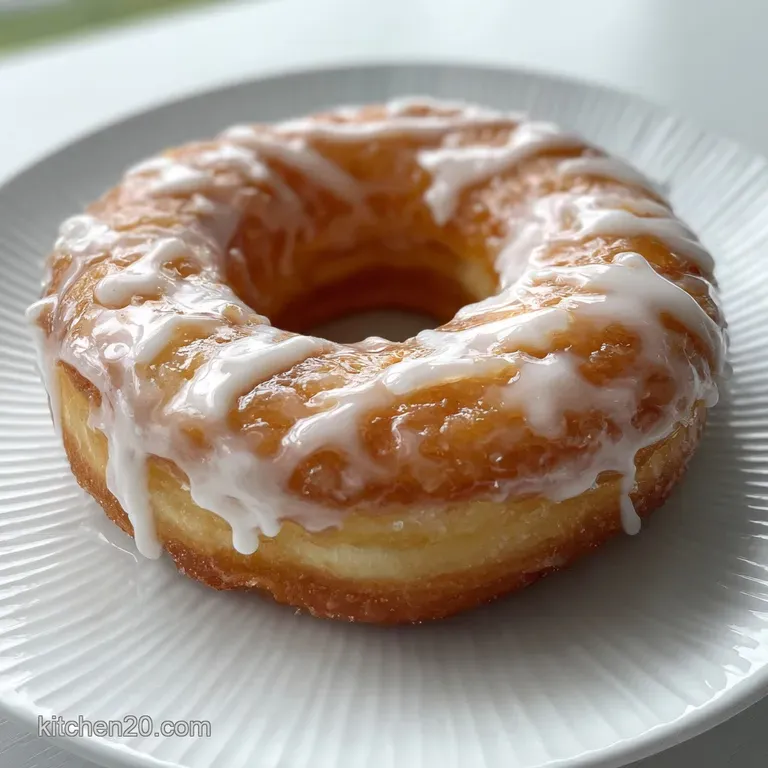
You don't need a high end lab to make these, but a few specific tools will make the workflow much smoother.
- Heavy Bottomed Pot: A Dutch oven (like a Le Creuset or Lodge) is best. The cast iron holds heat better, preventing those annoying temperature swings when you add raw dough.
- Digital Thermometer: This is non negotiable. If you’re guessing the oil temperature, you’re guessing the quality of your breakfast.
- Donut Cutter: A 3 inch cutter with a 1 inch center hole. If you don't have one, a wide mouth mason jar lid and a pill bottle cap work in a pinch!
- Wire Cooling Rack: Placing glazed donuts on a rack allows the excess to drip away, preventing a soggy bottom.
- Spider Strainer: Much safer than a slotted spoon for flipping and removing the donuts from the hot oil.
Executing the Perfect Fry and Glaze Sequence
Let’s get into the mechanics. This process is divided into phases to ensure your kitchen remains organized and your results are consistent.
Phase 1: The Low and Slow Mix
In a large bowl, whisk together the 420g cake flour, 150g sugar, 10g baking powder, 2g nutmeg, and 3g sea salt. In a separate smaller bowl, whisk the 240g sour cream with the 2 egg yolks and 30g cooled melted butter. Gently fold the wet into the dry.
Note: Over mixing here is the enemy of the "shatter." Stop as soon as no dry streaks remain.
Phase 2: Chilling and Cutting
Turn the dough out onto a heavily floured surface. It will be sticky this is normal. Pat it down to 1.3 cm thickness. Use your cutter to stamp out 12 donuts. Note: Do not twist the cutter; a straight down and up motion ensures the edges aren't sealed, allowing them to expand in the fryer. Chill the cut donuts on a parchment lined sheet for at least 30 minutes.
Phase 3: The Golden Transformation
Heat 2 inches of neutral oil to 170°C. Carefully drop 2-3 donuts into the oil. Fry for about 2 minutes on the first side until the edges are dark golden and the top has cracked open. Flip and fry for another 90 seconds.
Note: The "cracks" are where the glaze will pool later, so don't be alarmed by them!
Phase 4: The Glazing Ritual
While the donuts are slightly warm but not hot, whisk together the 360g powdered sugar, 45ml milk, 5ml vanilla bean paste, and a pinch of salt. Dip each donut face down into the glaze, then flip and set on a wire rack. Wait 5 minutes for the glaze to set into a brittle shell.
Navigating Common Culinary Hurdles and Friction Points
Even with the best blueprints, things can go sideways. The most common friction point in this Sour Cream Donut recipe is oil temperature management.
Why Did My Donuts Turn Out Greasy?
If your donuts feel heavy and oil soaked, your oil was likely below 160°C. When the oil isn't hot enough, it doesn't create that immediate steam barrier on the surface of the dough. Instead, the oil seeps into the crumb. Always check the temp between every single batch.
Why Is the Center Still Raw?
This usually happens if the oil is too hot (above 185°C). The outside browns and looks "done" before the heat has a chance to penetrate the 1.3 cm core. If you see them darkening in less than 60 seconds, kill the heat and let the oil cool down.
| Problem | Root Cause | Solution |
|---|---|---|
| Dense/Heavy Crumb | Over mixing the dough | Fold ingredients until just combined; ignore small lumps. |
| No Cracking on Top | Dough was too warm | Ensure a full 30-60 minute chill before frying. |
| Glaze Sliding Off | Donuts were too hot | Let them cool for 3-4 minutes before dipping. |
Common Mistakes Checklist: ✓ Never skip the nutmeg; it provides the "bakery authentic" aromatic profile. ✓ Avoid using "light" sour cream; the water content is too high and will ruin the texture.
✓ Don't overcrowd the pot; three donuts at a time is the limit for a standard Dutch oven. ✓ Use a fresh bottle of oil; old oil has a lower smoke point and can leave a "fishy" aftertaste. ✓ Sift your powdered sugar for the glaze to ensure a perfectly smooth finish.
Customizing Your Batch for Every Festive Occasion
The beauty of this recipe is its versatility. Once you have the base dough perfected, you can adapt it to fit any holiday or flavor profile you're craving.
- The Chocolate Variation
- Replace 40g of the cake flour with high-quality Dutch processed cocoa powder. Increase the sugar by 20g to offset the bitterness.
- The Citrus Twist
- Add the zest of two lemons to the sugar before mixing. It cuts through the richness of the fry beautifully.
- The Holiday Spice
- Swap the nutmeg for a blend of cinnamon, ginger, and cardamom for a "Chai" inspired Sour Cream Donut.
The Quick Sour Cream Donut Holes Version
If you're hosting a large crowd and want a more "poppable" snack, use a small 1 inch round cutter to make donut holes. These only need about 60-90 seconds total in the oil. Toss them in a brown paper bag with cinnamon sugar immediately after frying for a low maintenance, high reward treat.
Can I Make These dairy-free?
It's tricky because the sour cream does so much heavy lifting. However, you can use a thick, coconut based "sour cream" alternative and vegan butter. The flavor will be more tropical, and the "shatter" might be slightly less pronounced, but it’s a solid revolution for those with dietary restrictions.
Maintaining That Signature Crunch Through Proper Storage
Fried dough is a ticking clock. The moment it leaves the oil, the moisture inside starts to migrate toward the crispy crust. To keep your homemade sour cream donuts in peak condition, follow these protocols.
- Room Temperature: Store in a cardboard bakery box or a container with the lid slightly ajar. You want some airflow to prevent the glaze from "sweating" and becoming sticky. They are best within 6 hours.
- Freezing: You can freeze unglazed donuts for up to 2 months. Wrap them individually in plastic wrap and then place in a freezer bag.
- Reheating: To bring back the crunch, pop a frozen or day old donut into a 175°C oven for 3-5 minutes. Avoid the microwave at all costs; it will turn your masterpiece into a rubbery ring of sadness.
Zero Waste Tip: If you have leftover glaze, don't toss it! It’s essentially a vanilla bean concentrate. Drizzle it over oatmeal the next morning or stir a spoonful into your coffee for a "donut flavored" latte.
If you have donut scraps that didn't quite make the "pretty" cut, chop them up, toast them in the oven, and use them as "donut croutons" over vanilla bean ice cream.
Connecting Your Treats with the Perfect Beverage Pairings
A Sour Cream Donut is a rich experience, so you want pairings that offer contrast. A dark, bitter roast coffee is the classic choice because the acidity of the bean cuts right through the fat of the donut. If you’re serving these at a brunch, a cold brew with a splash of cream is a game changer.
If you’re leaning into the dessert side of things, consider serving these alongside a fruit forward dish. The brightness of The Classic Cherry recipe makes for a fantastic spread. The tartness of the cherries balances the sugary glaze of the donut, creating a sophisticated dessert board for your guests.
Finally,, if you're feeling adventurous, try a "Donut and Stout" pairing. A creamy oatmeal stout has chocolate and coffee notes that harmonize with the nutmeg in the dough. It’s an innovative way to wrap up a dinner party and always gets people talking.
Whatever you choose, remember that the best part of this recipe is the community you build while sharing it. There’s something about a warm donut that just makes people feel connected. Now, get that oil heating you’ve got some "shattering" to do!

Recipe FAQs
Why is it called a sour cream doughnut?
Because the primary leavening and tenderizing agent is sour cream. Its high fat content and acidity react with leaveners and gluten, creating a uniquely tender and slightly tangy cake like crumb with a crispy exterior.
What is a sour cream donut called?
Often referred to as an "old-fashioned" donut. This classic style is characterized by its craggy, cracked surface, which is a direct result of the sour cream based batter hitting hot oil.
What does a sour cream donut taste like?
Rich, slightly tangy, and wonderfully cakey with a crisp exterior. The sour cream lends a subtle tang that balances the sweetness, while the nutmeg adds a warm, comforting spice.
What is the sour cream donut at Dunkin'?
Dunkin' offers a "Sour Cream Glazed" donut. It aims to replicate the texture and flavor profile of a traditional sour cream donut, featuring a classic glazed finish over a tender, cake like base.
Can I substitute the sour cream in this recipe?
Yes, but with caveats. Full fat Greek yogurt can be a substitute; it offers similar tang and thickness. However, using dairy-free alternatives like thick coconut cream or a specialized vegan sour cream will alter the texture and flavor profile slightly, making it more of a culinary experiment.
Why are my sour cream donuts not cracking on top?
The dough was likely too warm when fried. For that signature cracked appearance, the dough needs to be well chilled. This ensures a firm structure that can "bloom" and crack when it hits the hot oil, much like how we manage temperature precision in our Classic Homemade Tartar Sauce Recipe: The Perfect Condiment for Fish to maintain emulsion stability.
How do I get a shatter crisp glaze on my donuts?
Use a thin glaze and allow it to set fully. A simple mix of powdered sugar, milk, and vanilla, applied to slightly warm (not hot) donuts, will create a brittle shell. Overworking the glaze or applying it too thickly can prevent it from hardening properly.
Sour Cream Donuts
Ingredients:
Instructions:
Nutrition Facts:
| Calories | 428 kcal |
|---|---|
| Protein | 3.9 g |
| Fat | 14.2 g |
| Carbs | 71.5 g |
| Fiber | 0.8 g |
| Sugar | 42.8 g |
| Sodium | 265 mg |
