Nonnas Secret Perfectly Tender Classic Italian Meatballs Polpette
- Beyond Bland: Unveiling the Soul of Authentic Italian Meatballs
- Why This Classic Italian Meatballs Recipe Defies Dryness
- Assembling the Pantheon of Ingredients for Superior Meatballs
- The Essential Pantry List: Mastering Meatball Composition
- The Crafting Phase: Gently Forming Your Classic Italian Meatballs
- Cooking Techniques: From Pan-Sear to Simmering Perfection
- Expert Hacks for Maximizing Meatball Longevity and Versatility
- Serving Suggestions That Complement Your Authentic Creation
- Recipe FAQs
- 📝 Recipe Card
Beyond Bland: Unveiling the Soul of Authentic Italian Meatballs
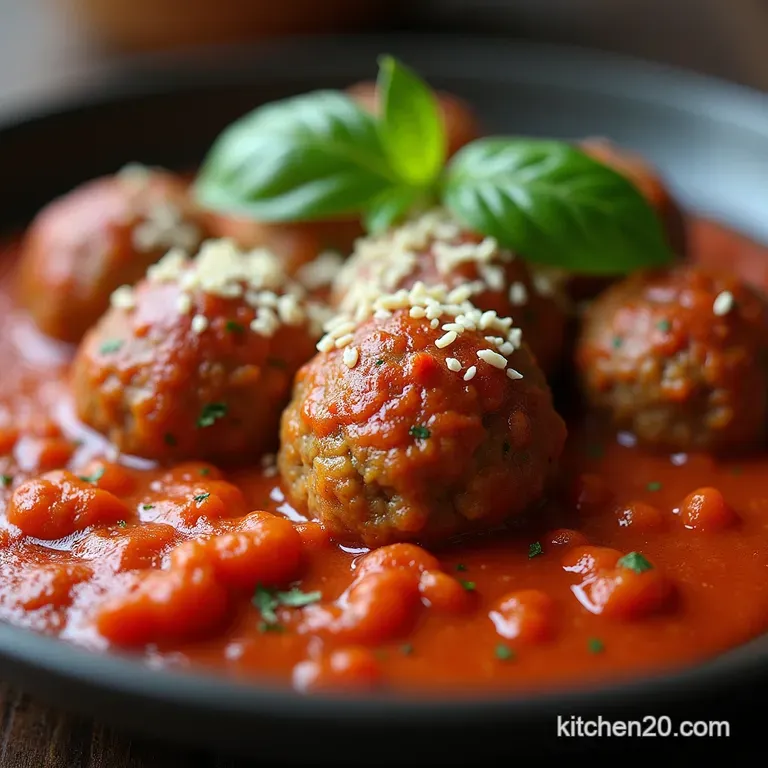
There is something profoundly comforting about a well executed meatball. It’s the cornerstone of so many cherished family meals, the star player in the quintessential Classic Italian Spaghetti and Meatballs experience. Yet, too often, home cooks settle for dry, dense approximations.
We are here to change that. This deep dive into the Classic Italian Meatballs Recipe isn't merely about listing ingredients; it’s about unlocking the culinary secrets the panade , the meat blend, the careful cooking that result in truly sensational, tender spheres of flavour that sing when paired with a rich marinara.
Prepare yourself to master polpette that will become your signature dish.
Why This Classic Italian Meatballs Recipe Defies Dryness
The eternal struggle when making meatballs is moisture retention. Ground meat, particularly lean varieties, has a natural tendency to seize up and eject its precious juices when exposed to high heat.
Our goal is the opposite: to create meatballs so Tender and Juicy Italian Meatballs that they practically melt on the tongue. Achieving this requires thoughtful ingredient incorporation and a respect for the textural science behind Italian cooking.
The Heritage of Polpette : More Than Just Ground Beef
In Italy, the term polpette covers a broad spectrum, often served simply simmered in broth or tomato sauce, sometimes even baked on their own. The authentic nature of these spheres leans heavily on a carefully constructed interior.
Unlike Americanized versions that might rely solely on beef, true tradition embraces a trifecta of meats beef, pork, and veal. This combination is not arbitrary; it’s a balanced approach to fat, flavour depth, and binding structure that results in unparalleled richness.
What Makes Our Method Uniquely Tender and Flavorful
The secret weapon in our preparation lies in the binder the panade . We employ day-old bread soaked in whole milk. This bread acts like a sponge, absorbing moisture and then releasing it slowly during cooking, essentially basting the meat from the inside out.
On top of that,, using 80/20 ground beef ensures adequate fat content, which is crucial for that luscious mouthfeel, ensuring these are the Best Italian Meatballs Recipe you’ll ever try.
The delicate addition of fresh herbs and high-quality grated Parmesan infuses deep, savoury notes throughout the mixture.
Setting Expectations: The Perfect Meatball Texture Journey
When mixing the ingredients for these Classic Italian Meatballs , the journey towards perfection hinges on one key principle: gentleness. You are aiming for a texture that is cohesive enough to hold its shape during searing but tender enough that it doesn't fight back when bitten.
Expect the mixture to feel slightly looser than you might anticipate; this is good. Overworking the proteins leads directly to a dense, tough result, completely counteracting the moisture we worked so hard to incorporate using the milk soaked bread.
Assembling the Pantheon of Ingredients for Superior Meatballs
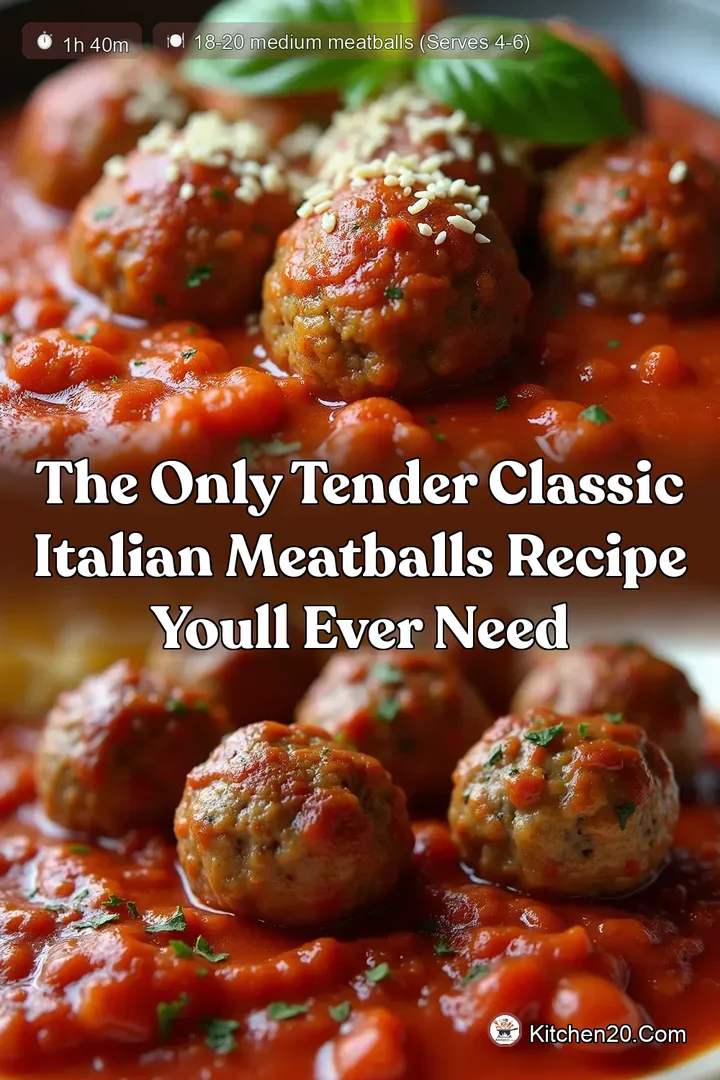
Crafting the ultimate meatball involves selecting components that work in harmony, where no single element dominates but contributes fully to the overall experience. This recipe yields approximately 18 to 20 medium spheres, perfect for serving 4 to 6 hungry individuals nestled in sauce.
While the prep time is a brisk 25 minutes, remember that an essential 30-minute chilling period is non-negotiable for structural integrity.
The Essential Pantry List: Mastering Meatball Composition
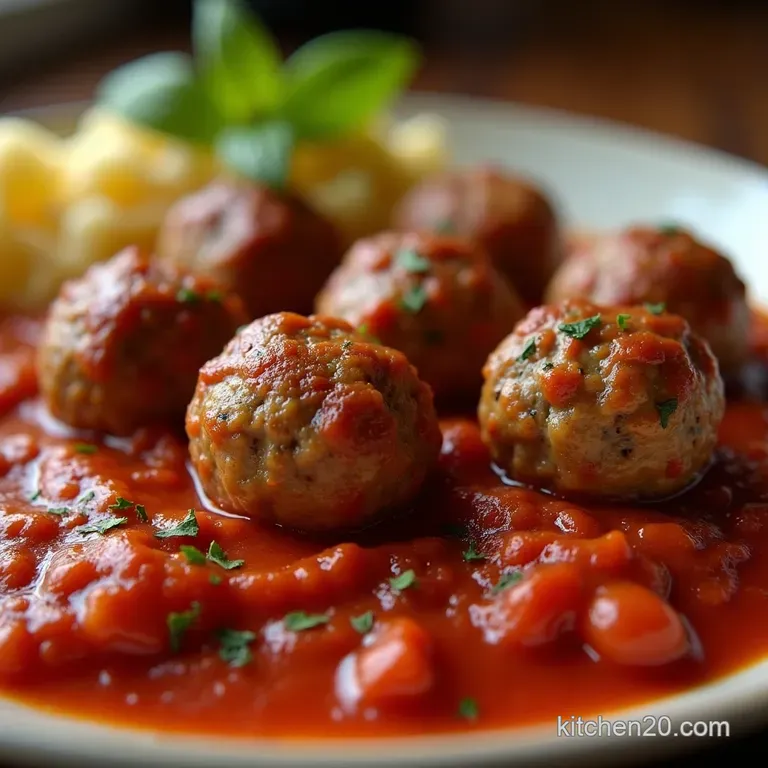
To begin our journey toward incredible Italian Meatballs and Sauce , we need the right building blocks. We require 1 pound of 80/20 ground beef, 1/2 pound of ground pork for juiciness, and the same amount of ground veal, which lends exceptional tenderness.
For binding and flavour, you’ll need 1 cup of packed, fresh bread crumbs from a day-old loaf, 1/2 cup of whole milk (or half and-half), 1/2 cup of freshly grated Parmesan cheese, two minced cloves of garlic, 1/4 cup of finely chopped fresh flat leaf parsley, one lightly beaten large egg, and adequate salt and freshly ground black pepper for seasoning.
Finally, about three tablespoons of good quality olive oil will be used for the crucial browning stage before they marry the sauce.
The 'Soaker' Secret: Why Bread and Milk Reign Supreme
This technique, known as the panade , is perhaps the most vital step in ensuring moist meatballs. Day-old bread crumbs are ideal because they absorb liquid without immediately dissolving into mush.
Combine these crumbs with 1/2 cup of whole milk in a shallow dish and allow them to soak for 5 to 10 minutes. Once saturated, gently squeeze out the excess liquid you want the bread damp and soft, not dripping wet.
This softened material creates pockets within the meat structure that steam gently as they cook, guaranteeing moisture retention.
Choosing Your Meats: The Ideal Beef, Pork, and Veal Trifecta
For the richest depth of flavour and best fat distribution, an Italian approach dictates the trinity of meats. The ground beef provides the robust, familiar base flavour. The pork contributes necessary fat and a certain sweetness.
The veal, the least common in standard American recipes, breaks down beautifully during cooking, adding a uniquely velvety texture. If veal is unavailable, ensure you use a slightly higher fat content in your beef to compensate, perhaps aiming for 75/25 beef instead of 80/20.
Herbaceous Elevation: Fresh vs. Dried Flavor Balancing Act
While dried herbs have their place, these Classic Italian Meatballs Delish factor relies heavily on freshness. Freshly chopped flat leaf parsley provides a bright, clean lift that cuts through the richness of the meat.
Garlic should also be minced finely or even grated to ensure it distributes evenly without creating large, overpowering pockets of raw flavour. A good ratio of salt to pepper is essential; season generously, as the meatballs will absorb the flavour deeply during their simmer.
Related Recipes Worth Trying
- The Proper Brew Classic Comfort Homestyle Chicken Noodle Soup — Make the best Homestyle Chicken Noodle Soup starting with a rich slowsimmered broth This comforting recipe is simple and absolutely satisfying
- The Perfect Bourbon Old Fashioned Recipe A Fireside Classic — Master the Best Bourbon Old Fashioned Recipe This guide delivers a perfectly balanced spiritforward cocktail with essential tips for that smooth iconic flavour
- The Classic Old Fashioned Cocktail Recipe Bourbon Rye Done Right — Learn how to make a truly authentic Old Fashioned Cocktail using the simple sugar method This classic Old Fashioned Recipe is perfectly balanced and ready...
The Crafting Phase: Gently Forming Your Classic Italian Meatballs
Once all your components are assembled the soaked bread mixture, the meats, the binders, and seasonings it is time for the delicate handiwork. The objective here is minimal agitation.
Mixing Matters: Handle With Care to Avoid Toughness
In your largest mixing bowl, combine the softened, squeezed bread mixture, the grated Parmesan, parsley, garlic, and the lightly beaten egg first. Mix these binders until just uniform. Then, add your three ground meats and the salt and pepper.
Using lightly floured hands, mix everything together using a very gentle folding motion. Stop mixing the very instant you no longer see distinct streaks of raw meat. If you handle the mixture too much, the proteins link up, leading to tough, unyielding results the antithesis of what we aim for in these Tender and Juicy Italian Meatballs .
Shaping and Chilling: Setting the Foundation
After mixing, gently roll the mixture into uniform balls, aiming for about 1.5 inches in diameter. Uniformity is important not just for presentation but for even cooking. Place these formed spheres onto a parchment lined baking sheet.
Now comes a mandatory rest: cover the sheet and refrigerate the meatballs for at least 30 minutes. This chilling period allows the bread mixture to fully hydrate and the fats to firm up slightly, which is vital for preventing them from falling apart during the initial sear.
Cooking Techniques: From Pan-Sear to Simmering Perfection
The two-stage cooking process a quick, hard sear followed by a long, slow bath in sauce is what truly transforms these humble orbs into legendary Italian fare.
The Crucial Browning Step: Building a Flavor Crust
Heat three tablespoons of good quality olive oil in a large, heavy bottomed skillet, ideally cast iron, over medium high heat. The heat should be sufficient to achieve a deep, rich brown crust quickly without cooking the interior.
Working in batches never overcrowd the pan, as this lowers the temperature and causes steaming rather than searing gently place the chilled meatballs into the hot oil. Brown them deeply on all sides, a process that takes about 6 to 8 minutes total.
This browning creates the Maillard reaction, delivering foundational flavour that you cannot replicate later.
The Long Embrace: Allowing Meatballs to Marry the Sauce
Once browned, transfer the meatballs directly into a pot containing your prepared, lightly simmering marinara sauce. The sauce should be warm but not boiling aggressively; you are poaching them, not boiling them. This gentle transition is key.
Allow the Classic Italian Meatballs to simmer, covered, for a minimum of 45 minutes, although an hour and a half is even better. This long, slow soak is essential; it finishes the cooking process internally and allows the meat to absorb the rich tomato essence, creating a symphony of flavour that defines Classic Italian Meatball Cooking Tips .
Determining Doneness Without Losing Moisture
While the slow simmer is the best indicator, if you are concerned about safety or texture, you can check the internal temperature with a meat thermometer. The target for ground meat is 160° F ( 71° C).
However, because they are simmering in liquid, they are quite forgiving. If you slice one open and the juices run clear, they are done. The goal is to remove them from the heat when they are just done, as residual heat will continue the cooking process slightly after they are pulled from the flame.
Expert Hacks for Maximizing Meatball Longevity and Versatility
Once you’ve mastered this recipe, you’ll find yourself making double batches out of necessity. These meatballs lend themselves beautifully to various preparations beyond just pasta night.
Freezing Fundamentals: Storing Cooked and Uncooked Polpette
For uncooked meatballs, arrange them on a baking sheet, flash freeze them until solid (about 2 hours), then transfer them to a heavy duty freezer bag, ensuring you press out excess air. They will keep for up to three months.
If freezing cooked meatballs, ensure they are cooled completely before adding them to the sauce and freezing together. When ready to eat, thaw them overnight in the refrigerator and reheat gently on the stovetop immersed in sauce.
Parmesan Pointers: Freshly Grated vs. Pre-Shredded Impact
Never use pre-shredded or powdered Parmesan in your meatball mix. Pre-shredded cheese contains anti caking agents that prevent it from melting smoothly and can interfere with the overall texture. Always grate your Parmesan fresh from a block.
The resulting fluffy texture incorporates beautifully, adding a creamy, salty dimension without becoming grainy when cooked.
Serving Suggestions That Complement Your Authentic Creation
While the ultimate pairing is undoubtedly over a bed of al dente spaghetti the iconic Classic Italian Spaghetti and Meatballs —don’t limit your culinary ambitions.
Beyond Spaghetti: Unexpected Pairings for Your Italian Masterpiece
These flavorful spheres are magnificent served atop creamy, slow cooked grits or Italian Meatballs with Creamy Polenta for a heartier, more rustic meal. They also make phenomenal appetizers when served skewered with toothpicks alongside a simple arugula salad dressed with lemon and olive oil.
And, of course, piled high on a crusty roll with melted provolone, they transform into the legendary meatball sub.
Troubleshooting: Reviving Overly Crumbly or Dense Meatballs
If your finished meatballs seem slightly too crumbly, it usually means the mixture was too dry or you didn't bind the panade well enough. Add a splash of milk or a tiny bit more beaten egg to the leftover mix and gently fold it in before rolling the next batch.
Conversely, if they are dense, you simply mixed too vigorously. The only fix for an already cooked dense meatball is to ensure they simmer in sauce for the maximum amount of time possible to soften slightly.
Recipe FAQs
Why are my Classic Italian Meatballs always coming out dry and tough?
That’s the ultimate culinary tragedy! Usually, this happens because you’ve either overmixed the meat (which develops the proteins too much) or you skipped soaking the bread crumbs in milk (the panade).
Ensure you mix gently until just combined, and don't squeeze every last drop of milk from the bread that moisture is key to keeping them tender.
Can I make these ahead of time? How long do Classic Italian Meatballs keep in the fridge?
Absolutely, they often taste even better the next day! You can make the raw meatballs, chill them, and store them uncooked in the fridge for up to 24 hours before browning and simmering.
Once cooked and covered in sauce, they will keep beautifully in the refrigerator for 3 to 4 days, ready for a quick reheat perfect for busy weeknights.
I don't have veal; what's the best substitute if I want to keep the flavour authentic?
Don't fret if you can't source veal; it's often tricky to find outside of specialist butchers. For the best substitute, increase the pork by half a pound and add a tablespoon of Worcestershire sauce to the mix; this will introduce a depth of savoury, umami flavour that mimics the richness veal brings to the party.
Is it better to bake or pan-fry the meatballs before putting them in the sauce?
For the best results, you must brown them in a skillet with olive oil first! Pan-frying creates that crucial, deeply flavoured crust (the Maillard reaction, if you will) that locks in the juices and adds immense flavour to your final sauce.
Baking is okay if you're making a massive batch, but you'll sacrifice that beautiful exterior caramelisation.
Can I freeze these? And if so, should I freeze them raw or cooked?
Yes, freezing is ideal for batch cooking! It's generally best to freeze them after they have been browned but before they have simmered in the sauce. Flash freeze the browned balls on a tray, then transfer them to an airtight container.
When ready to eat, simply drop the frozen balls straight into your simmering sauce to cook through.
Tender Italian Meatballs
Ingredients:
Instructions:
Nutrition Facts:
| Calories | 433 kcal |
|---|---|
| Protein | 7.7 g |
| Fat | 11.2 g |
| Carbs | 14.0 g |
| Fiber | 4.0 g |
| Sodium | 244 mg |
