Failure-Proof Yellow Squash Curry
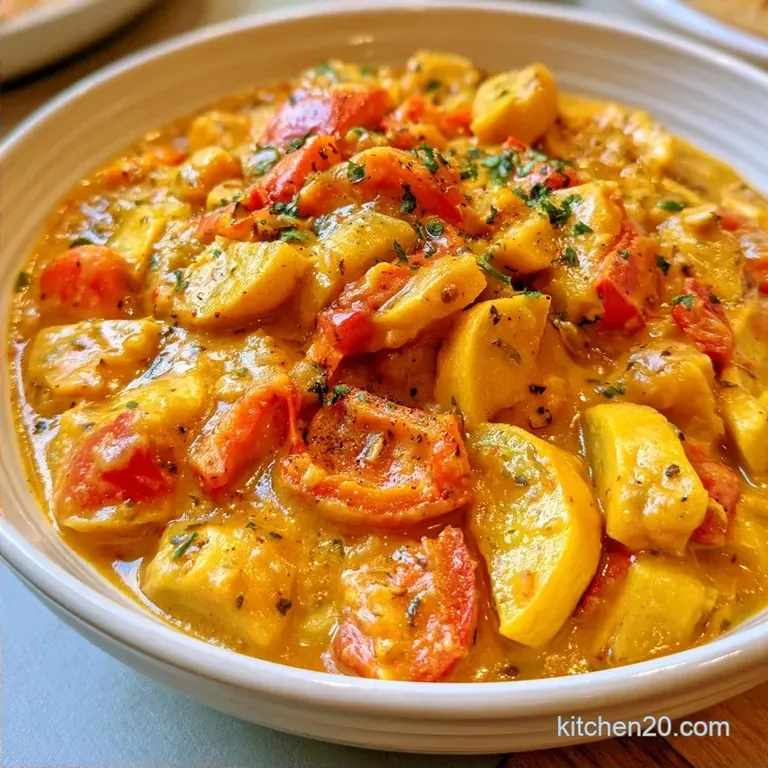
- Time: 10 minutes prep + 20 minutes on the heat
- Profile: Creamy, golden, and slightly sweet
- Perfect for: Hectic weeknights or a budget-friendly dinner
That sharp sizzle when the squash hits the hot oil is the sound of success. I remember a muggy Tuesday last August when my garden was overflowing with summer squash. I had far too many and was tired of basic sautéed sides, so I crafted this coconut based stew.
It's an efficient, cost effective meal that doesn't taste like it only took 30 minutes. You get a rich, golden sauce that clings to the vegetables rather than pooling at the bottom of the bowl.
This Yellow Squash Curry is a win for anyone craving a plant based dish that actually fills you up. The combination of earthy turmeric and bright lime makes the meal feel special without needing a trip to a specialty store.
Easy and Creamy Yellow Squash Curry
Over High heat Sear: Browning the squash creates a savory crust that stops the vegetable from releasing too much water. This prevents the sauce from thinning out during the simmer.
Spice Blooming: Toasting the curry powder and turmeric in oil wakes up the fat soluble flavors. It removes that "raw" powder taste and adds deep warmth to the Yellow Squash Curry.
| Method | Time | Texture | Best For |
|---|---|---|---|
| Fast Sear | 30 min | Chunks hold shape | Weeknight meal |
| Slow Braise | 90 min | Soft and melty | Meal prep |
I once tried the slow braise method for this and the squash basically dissolved into the sauce. While that's fine for some, the fast sear gives you those gorgeous, golden edges that make the dish look a lot more expensive than it actually is.
Gear for the Job
No fancy equipment is necessary for this. Your primary requirement is a wide pot or a large skillet to ensure you have enough surface area to sear the squash. If the pan is overcrowded, the squash will steam instead of browning.
A sharp chef's knife and cutting board are standard, but a small grater or microplane is useful for the ginger. Believe me, you don't want to encounter large chunks of ginger mid-bite.
The Flavor Building Blocks
This dish relies on the harmony between the rich coconut milk and the tang of the lime. Opt for full fat coconut milk to ensure the sauce has enough substance to hold the aromatic spices.
| Ingredient | Role | If You Don't Have It |
|---|---|---|
| Yellow Squash | Primary base | Zucchini or Butternut squash |
| Coconut Milk | Richness | Cashew cream or Heavy cream |
| Curry Powder | Core taste | Mix of cumin, coriander, turmeric |
| Lime Juice | Acidity | Lemon juice or Apple cider vinegar |
To keep this meal affordable, any brand of curry powder will do. While store-bought mixtures vary in intensity, most are suitable. Should your blend be on the milder side, stir in a bit of black pepper to increase the heat.
Quick Recipe Details
To ensure the best outcome, maintain a steady temperature. The shift from a high heat sear to a medium heat simmer is where the real magic happens.
- Preparation: 10 minutes
- Cooking: 20 minutes
- Total duration: 30 minutes
- Yield: 4 servings
| Original Ingredient | Substitute | Why It Works |
|---|---|---|
| Coconut Oil (2 tbsp) | Avocado Oil (2 tbsp) | High smoke point. Note: Lacks the slight coconut sweetness |
| Vegetable Broth (1/2 cup) | Water (1/2 cup) | Provides liquid. Note: Less depth than broth |
| Maple Syrup (1 tsp) | Brown Sugar (1 tsp) | Adds a touch of sweetness to balance lime |
I typically use coconut oil as it complements the flavors well, but any oil with a high smoke point is a great alternative. If your pantry is empty, water works as a liquid substitute, though broth adds a more savory dimension.
Making the Curry

Let's dive in. This is a quick process, so ensure everything is chopped and prepped before you turn on the heat.
Warm 1 tbsp (15ml) of oil in a pan using medium high heat. Place the yellow squash pieces in a single layer. Let them sear without stirring for 2-3 minutes until the edges are golden brown, then toss and cook for another 2 minutes. Transfer the squash to a plate.
Note: This prevents the squash from turning into mush.
Reduce the heat to medium and add the remaining 1 tbsp (15ml) of oil. Sauté the onion and red bell pepper until the onion is translucent (about 4 minutes).
Mix in the garlic and ginger, cooking for 60 seconds until you smell them become fragrant.
Add the curry powder, turmeric, salt, and pepper to the aromatics. Stir constantly for 1 minute until the spices smell toasted.
Pour in the coconut milk and vegetable broth. Stir well to incorporate any flavorful residue from the base of the pan.
Bring the liquid to a gentle simmer, then stir in the maple syrup.
Add the seared squash back to the pan and simmer for 5-7 minutes until the sauce thickens slightly and the squash is tender but not falling apart.
Remove from heat and stir in the lime juice just before serving to keep the flavor bright.
Fixing Common Issues
If your Yellow Squash Curry feels a bit off, it's usually a liquid or heat issue. Most of these can be fixed in about two minutes.
Sauce is too watery
This happens if the squash wasn't seared enough or if the simmer didn't go long enough. You can fix it by simmering the sauce uncovered for an extra 5 minutes to reduce the liquid.
Spices taste raw
If you didn't "bloom" the spices in oil for that full minute, you might taste a gritty, raw powder. Stir in a tiny bit more coconut milk and simmer for another 3 minutes to mellow the flavors.
Squash is too soft
Overcooking is the main culprit here. Next time, pull the squash out of the pan a minute earlier than you think you should.
| Problem | Fix |
|---|---|
| Watery sauce | Simmer uncovered for 5 mins |
| Raw spice taste | Simmer longer with extra coconut milk |
| Mushy squash | Reduce simmer time by 2 mins |
One thing I've learned is that the lime juice must go in at the end. If you boil the lime juice, it loses that fresh "zing" and can actually turn slightly bitter.
Keeping It Fresh
This Yellow Squash Curry holds up well, though the squash will soften slightly as it sits. Store it in a glass container in the cooler for 3 to 4 days.
Try to avoid the microwave when reheating. Instead, warm it in a small pot over medium heat, loosening the sauce with a tablespoon of water or broth. This prevents the coconut milk from separating.
Freezing this particular meal isn't ideal. Due to the high water content in summer squash, the texture often becomes watery or grainy after thawing. Instead, save your leftovers for a fast lunch the next day.
To minimize waste, keep a freezer bag for your onion skins and bell pepper ends. When the bag is full, simmer the scraps with water and peppercorns to whip up a quick veggie stock for future use.
Customizing Your Bowl
You can easily tweak this recipe to fit what's in your fridge. If you want a more Indian Yellow Squash Curry style, add a pinch of garam masala at the end and serve it with basmati rice.
For those wanting more protein, stir in some chickpeas or cubed tofu during the final simmer. If you're in the mood for something completely different and meat heavy, my beef pasta is a great alternative for a hearty dinner.
If you're using a different type of summer squash, like zucchini, just be aware that zucchini releases more water than yellow squash. You might need to sear it for an extra minute to ensure the Yellow Squash Curry doesn't become too thin.
| Goal | What to change |
|---|---|
| More Heat | Add 1/2 tsp red chili flakes |
| Extra Creamy | Swap broth for more coconut milk |
| Tangier Taste | Increase lime juice to 2 tbsp |
Right then, if you're looking for a "Summer Squash" punch, try adding a handful of fresh spinach or kale during the last 2 minutes of simmering. It adds a pop of green and some extra nutrients without changing the core flavor.
The Best Sidekicks
This Yellow Squash Curry is quite rich, so it needs something to cut through the coconut cream. Jasmine rice or basmati are the classic choices, but quinoa works well if you want more protein.
For a lighter side, some lightly steamed broccoli provides a nice crunch and a fresh contrast to the creamy sauce. Warm naan or a toasted sourdough slice are also great for scooping up the last bits of sauce.
Finish the bowl with a sprinkle of fresh cilantro and a few slices of fresh red chili if you like a bit of heat. It makes the dish look like it came from a restaurant and adds a layer of freshness that balances the earthy turmeric.
Myths About Squash Curries
Some people think you have to peel the squash to get a better texture. That's a myth. The skin of yellow summer squash is thin and softens perfectly during the simmer, providing a bit of structure to the dish.
Another misconception is that you need an expensive pressure cooker to make a rich curry. As you can see with this Yellow Squash Curry, a simple skillet and 30 minutes are all it takes to get a deep, complex flavor.
According to USDA FoodData Central, summer squash is low in calories but high in water, which is why the searing step is so vital for the sauce's consistency. Without it, you're basically making a soup.
Recipe FAQs
Do yellow squash and curry flavors work well together?
They pair perfectly because the squash absorbs the creamy coconut and earthy spices.
Tip: Add a squeeze of lime at the end to brighten the whole dish.
What is the best way to cook yellow squash for a stew?
Sear the chunks in oil over medium high heat without stirring for a few minutes first.
Tip: This creates a golden crust that keeps the vegetable from breaking down too quickly.
Which vegetables are best for a yellow curry?
Yellow onion, red bell pepper, and yellow summer squash create a great balance of color and flavor.
Tip: Dice the onion and pepper finely so they cook evenly before adding the squash back.
What should I do with a large harvest of summer squash?
Batch cook this curry or roast the squash in bulk for various meals.
Tip: If you enjoy using fresh garden produce for summer veggie meals, this curry is a great alternative to salads.
Is this curry made in an Indian style?
It uses classic Indian inspired aromatics like ginger, garlic, and turmeric.
Tip: Toasting the curry powder in oil for one minute removes the raw taste.
Can I make this dish vegan?
This recipe is naturally vegan since it uses coconut oil and vegetable broth.
Tip: Use full fat coconut milk for the richest texture.
Is it true that squash always turns a curry watery?
No, and here's why. Searing the squash separately first locks in the moisture and prevents the sauce from thinning.
Tip: Avoid stirring the squash too often during the initial brown.
How to stop the squash from becoming mushy?
Simmer the seared squash for only 5-7 minutes at the very end of the process.
Tip: Keep the heat at a gentle simmer rather than a rolling boil.
Yellow Squash Curry