How to Make Adorable Bento Cakes: Velvety Vanilla
- Time: Active 33 minutes, Passive 12 minutes, Total 45 minutes
- Flavor/Texture Hook: Velvety vanilla sponge with a silky, stable buttercream
- Perfect for: Anniversary surprises, social media worthy gifting, or solo celebrations
- Let's Master How to Make Adorable Bento Cakes
- Tiny Cakes for Every Occasion
- Why These Small Sweets Work
- Precise Metrics for Small Batches
- Analyzing Ingredients for Perfect Crumbs
- Necessary Tools for Bento Decorating
- Simple Steps for Better Baking
- Fixing Common Tiny Cake Issues
- Creative Swaps for Personalized Treats
- Keeping Your Cakes Fresh Longer
- Pairing Ideas for Beautiful Desserts
- Recipe FAQs
- 📝 Recipe Card
Let's Master How to Make Adorable Bento Cakes
Close your eyes and imagine the aroma of warm vanilla paste wafting through your kitchen as you slide a thin sheet of sponge out of the oven. It's a scent that signals something special is coming, a tiny bit of magic meant for just one or two people.
The first time I tried this, I ended up with a leaning tower of crumbs because I used a standard cake recipe that was too fluffy to stack. It was a mess, but honestly, even the mistakes tasted like a dream.
We've all seen these tiny wonders on our favorite social platforms, and they’ve totally changed the gifting game. There’s something so connected about handing someone a personalized box that they can carry anywhere. This isn't just about baking, it's about creating a miniature world of flavor.
We’re going to skip the stress of traditional big cakes and focus on the precision that makes these mini versions so stable and stunning.
Right then, let's get into the details. You'll find that making these is actually quite meditative once you get the hang of the small scale assembly. We’re not just making food; we’re building a platform for your creativity to shine.
Trust me on this, once you nail the stability of the sponge, you'll be the designated cake hero for every birthday in your circle.
Tiny Cakes for Every Occasion
Bento cakes, or "lunchbox cakes," originated in South Korean cafes and have since gone global. They represent a shift toward intentional, smaller celebrations where quality and personalization matter more than sheer size.
Unlike a massive tier cake that sits in the fridge for a week, these are meant to be enjoyed in one sitting, making them the ultimate zero waste dessert.
The beauty lies in the contrast: a simple, rustic exterior often hides a sophisticated, high fat buttercream that feels like silk on the tongue. By mastering this small scale technique, you’re learning a specialized skill that combines baking science with miniature art.
It’s a connected experience from the moment you whisk the flour to the second your friend unlatches the lid.
Why These Small Sweets Work
The Physics of the Tiny Crumb
Reverse Creaming: Coating the 250g of flour in butter first limits gluten development, ensuring the tiny layers don't become tough or bread like. This creates a velvety texture that can be cut into small circles without the edges fraying or shattering.
Surface Area Ratio: Because we bake this in a flat sheet, the 12 minutes of heat is enough to set the structure without drying out the middle. This allows for a moist interior that remains stable when stacked into three layers.
Fat Stability: Using 340g of slightly chilled butter in the frosting creates a structural "wall." This prevents the layers from sliding, which is the most common disaster when assembling these mini towers.
| Servings | Flour Weight | Pan Size | Cook Time |
|---|---|---|---|
| 1 Cake | 65g | 10cm Square | 10 minutes |
| 4 Cakes | 250g | 23x33cm Sheet | 12 minutes |
| 8 Cakes | 500g | Two Sheets | 14 minutes |
If you want a bigger canvas for your decorating, you might want to try this Yellow Cake Recipe which handles larger tiers beautifully. However, for the bento style, the sheet pan is your best friend because it ensures uniform thickness across every single layer.
Precise Metrics for Small Batches
| Ingredient | Science Role | Pro Secret |
|---|---|---|
| 180ml Whole Milk | Hydration & Tenderness | Use room temperature milk to ensure the 170g butter doesn't seize during mixing. |
| 1.5 tsp Baking Powder | Leavening Agent | Always sift with the 250g flour to prevent "tunnels" in your tiny cake layers. |
| 1 tbsp Vanilla Paste | Flavor Depth | Paste provides those bold black specks that signify high-quality, professional baking. |
Analyzing Ingredients for Perfect Crumbs
To get these cakes right, you need to be specific with your elements. We aren't just throwing things in a bowl; we are balancing chemistry.
- 250g All purpose flour: Provides the necessary structure. Why this? AP flour has enough protein to hold the height of a 3 layer mini cake. (Sub: Cake flour for an even softer, more delicate bite).
- 200g Granulated sugar: Sweetens and tenderizes the crumb. Why this? Sugar interferes with gluten, keeping the cake soft even after it is chilled. (Sub: Caster sugar for faster dissolving).
- 170g Unsalted butter: Adds richness and flavor. Why this? Fat coats the flour, creating that velvety mouthfeel we want in a bento cake. (Sub: Vegan butter sticks for a dairy-free version).
- 180ml Whole milk: Provides moisture. Why this? The fat content in whole milk adds a creamy finish to the sponge. (Sub: Oat milk for a nutty undertone).
- 2 Large eggs: Bind everything together. Why this? Eggs provide the lift and stability needed for stacking small circles. (Sub: 1/2 cup applesauce for a denser, egg free cake).
- 500g Powdered sugar: The base for our stable frosting. Why this? Fine particles create a smooth surface for tiny writing and designs. (Sub: Organic powdered sugar for a more caramel like flavor).
- 340g Unsalted butter (frosting): The structural foundation. Why this? Using slightly chilled butter prevents the frosting from becoming too soft during piping. (Sub: Vegetable shortening for over high heat environments).
Necessary Tools for Bento Decorating
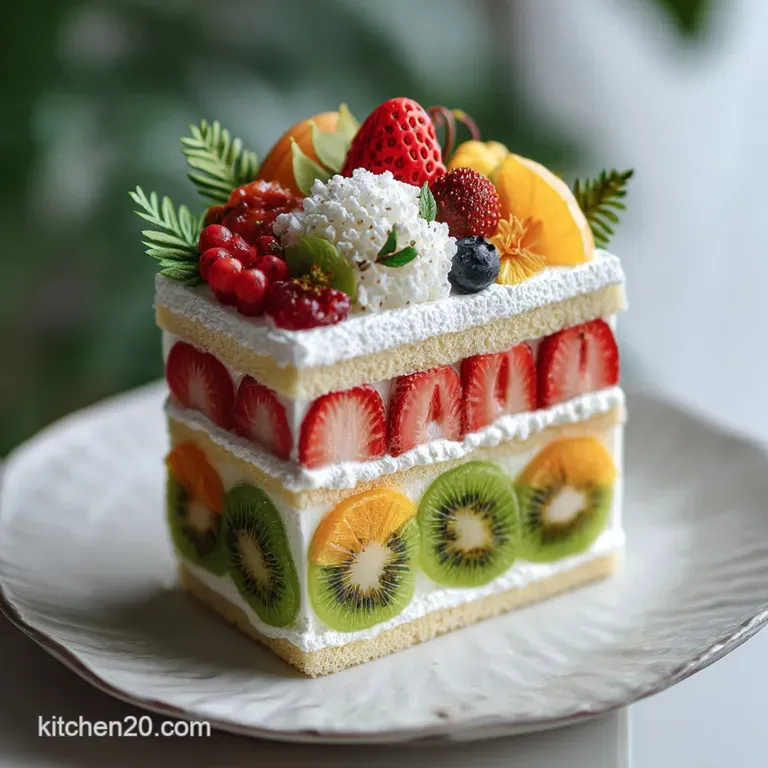
You don't need a professional bakery, but a few specific items will make your life much easier. For the sponge, a standard 23x33cm rimmed baking sheet works wonders. You'll also want a 10cm round cookie cutter to get those clean, sharp edges on your cake layers.
For the frosting, a small offset spatula is non negotiable. It allows you to smooth the sides of a tiny cake without your knuckles hitting the board. Also, grab some greaseproof paper squares to place under the cakes; this makes it easy to slide them into their final bento boxes without smudging your hard work.
Using Sheets for Fast Sponges
Baking in a sheet pan is a total shift from traditional deep tins. It ensures that every part of the cake cooks at the same speed, preventing those domed tops you'd have to level off later.
Selecting High Fat Buttercream
A high fat ratio is what makes bento cakes look so crisp. It allows you to pipe fine lines that won't bleed into the base frosting, which is essential for that "adorable" look.
Simple Steps for Better Baking
- Preheat your oven to 175°C and grease your baking sheet thoroughly. Note: This ensures the thin sponge doesn't stick.
- Whisk the 250g flour, 200g sugar, baking powder, and salt in a stand mixer.
- Add the 170g room temp butter, mixing until the texture looks like wet sand.
- Pour in the 180ml milk and 1 tbsp vanilla paste, then add the 2 eggs one at a time.
- Spread the batter evenly into the sheet pan and bake for 12 minutes until the center springs back.
- Cool the sheet completely before using your 10cm cutter to punch out 12 circles.
- Beat the 500g powdered sugar and 340g chilled butter until velvety and pale.
- Add the 3 tbsp heavy cream and gel coloring, whipping for another 2 minutes.
- Stack three cake circles with frosting in between, then apply a thin crumb coat.
- Decorate with your remaining frosting until the cake is fully covered and smooth.
Chef's Tip: Freeze your butter for 10 minutes before making the frosting. This "slightly chilled" state is the secret to a buttercream that holds its shape even when you're handling the cake for several minutes.
Fixing Common Tiny Cake Issues
Why Your Frosting Is Sliding
If your cake starts to lean or the frosting won't grip the sides, your kitchen might be too warm, or your butter was too soft. Heat is the enemy of miniature construction.
Fixing Slumping Buttercream Sides
If you see the sides bulging, chill the cake for 20 minutes before finishing the final layer of frosting. This sets the "glue" between the layers so they stay perfectly vertical.
| Problem | Root Cause | Solution |
|---|---|---|
| Dry Sponge | Overbaking in sheet pan | Reduce time by 2 mins; check for springy touch. |
| Grainy Frosting | Sugar not fully incorporated | Sift your 500g powdered sugar twice before mixing. |
| Bubbles in Piping | Air whipped into frosting | Mix on low speed for 1 min at the end to remove air. |
Common Mistakes Checklist
- ✓ Never cut the cake while it's still warm (it will crumble immediately).
- ✓ Always sift your dry ingredients to avoid lumps in these small scale bakes.
- ✓ Don't skip the crumb coat; it's essential for a smooth finish on tiny cakes.
- ✓ Use gel food coloring instead of liquid to keep the frosting's consistency stable.
Creative Swaps for Personalized Treats
One of the best things about this recipe is how adaptable it is. If you're feeling adventurous, you can swap the vanilla paste for lemon zest or even a tiny bit of espresso powder to deepen the flavor. If you want to try a different texture entirely, you could look at how I made these Brown Butter Russian Tea Cakes for a nuttier, more crumbly companion to your bento box.
- 1. Soft Pink
- Mix 2 drops of gel coloring into the buttercream before the final whip.
- 2. Gold Accents
- Add metallic sprinkles or gold leaf once the frosting has slightly crusted in the fridge.
- 3. Fresh Green
- Place a single mint leaf or a tiny sprig of rosemary just before serving for a pop of life.
Chocolate Variations for Mini Cakes
To make a chocolate version, replace 50g of the flour with high-quality cocoa powder. The fat content remains the same, but the flavor becomes incredibly rich.
Vegan Alternatives for Small Bakes
Using a flax egg (1 tbsp ground flax + 3 tbsp water) and vegan butter works surprisingly well here. The crumb is a bit denser, but it holds up beautifully in the bento box.
Keeping Your Cakes Fresh Longer
Storing these is simple because they are already in their own boxes! If you aren't eating them immediately, keep them in the fridge for up to 4 days. The high butter content in the frosting will act as a seal, keeping the moisture inside the sponge.
Freezing: You can freeze the assembled cake (without the box) for up to 2 months. Wrap it gently in plastic wrap once the frosting is frozen solid. To serve, let it thaw in the fridge overnight.
Zero Waste Tip: Don't throw away the scraps after cutting your 10cm circles! Toss them with a little leftover frosting to make "cake truffles" or use them as a topping for yogurt and ice cream.
Pairing Ideas for Beautiful Desserts
Bento cakes are a platform for celebration, and they pair perfectly with light, sparkling drinks. A cold glass of Prosecco or a floral hibiscus tea cuts through the richness of the 340g of butter in the frosting perfectly. If you're hosting a small tea party, these look amazing alongside a Strawberry Shortcake Recipe for a variety of textures and fruit flavors.
| Method | Time | Texture | Best For |
|---|---|---|---|
| Oven | 12 mins | Fluffy & Light | Classic bento cake style |
| Stovetop (Steamed) | 20 mins | Dense & Moist | No oven baking situations |
| Air Fryer | 8 mins | Crispy Edges | Quick single servings |
If you want a more festive touch, follow these steps: If you want a "watercolor" look, dot different colors of frosting on the side and swipe once with your spatula. If you want to write text, use a tiny round piping tip and practice on a piece of parchment first.
If you want a taller cake, use four 10cm layers instead of three, but ensure you use a central dowel (like a toothpick) for stability.
This connected way of baking is truly revolutionizing how we think about desserts. It's not about the size of the cake, but the intention behind it. Now, go grab your sheet pan and start creating your own miniature masterpieces!
Recipe FAQs
What kind of frosting is used on bento cakes?
A high fat American or Swiss Meringue Buttercream. The key is a frosting that is stable enough to hold sharp edges on a very small scale, often requiring more butter than standard frosting.
How do I make my bento box aesthetically pleasing?
Use clean lines and intentional negative space. Place the cake slightly off-center and utilize small, complementary elements like a single edible flower or tiny piped pearls around the base for visual interest.
How to make a cute little cake?
Bake the sponge thin and level on a sheet pan. Cut perfect circles using a sharp cookie cutter, then stack three layers with a thin, firm layer of buttercream between each to maintain height stability.
What exactly is a bento cake?
It is a small, single serving or two-serving cake served inside a traditional Japanese bento lunch box. This trend focuses on highly personalized, portable desserts rather than large celebration cakes.
Is it true I must use gel coloring for the buttercream?
No, this is a common misconception. Liquid food coloring adds too much moisture, which will ruin the structural integrity of your thick buttercream, causing it to slump or slide off the tiny layers.
Why is my small cake layer dry, even though I baked it for only 12 minutes?
The high surface area to volume ratio in sheet pan baking causes rapid moisture loss. To prevent this next time, ensure you are using whole milk, as the fat content locks in more moisture, similar to the richness you find in The Homemade German recipe.
How to achieve sharp, professional piping on such a tiny surface?
Chill your decorated cake layers for 20 minutes before final frosting. This sets the "glue" layer of buttercream, providing a firm foundation so your fine piping lines won't get distorted when you handle the small cake.
Adorable Bento Cakes Recipe
Ingredients:
Instructions:
Nutrition Facts:
| Calories | 1934 kcal |
|---|---|
| Protein | 12.3 g |
| Fat | 111 g |
| Carbs | 222 g |
| Fiber | 1.7 g |
| Sugar | 175 g |
| Sodium | 418 mg |
