Roasted Beet Avocado Feta Salad
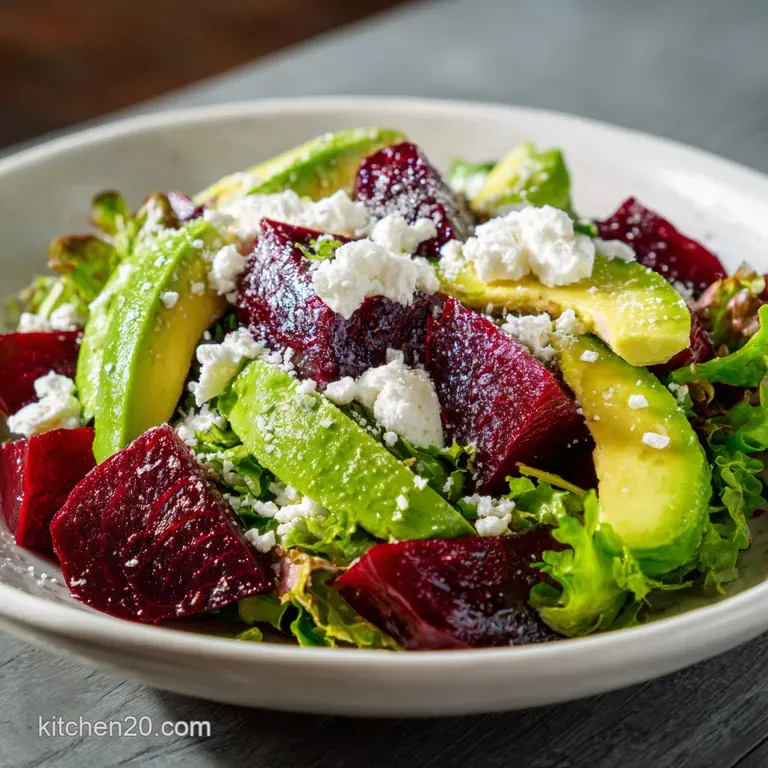
- Time: Active 15 minutes, Passive 45 minutes, Total 60 minutes
- Flavor/Texture Hook: Earthy sweet beets paired with velvety avocado and sharp, salty feta
- Perfect for: Impressing guests at a dinner party or meal prepping a high fiber lunch
- How This Roasted Beet Avocado Feta Salad Redefines Modern Kitchen Comfort
- The Systematic Science of Flavor and Texture Optimization
- Component Analysis and Selection for Maximum Quality
- Shopping List for the Ultimate Salad Architecture
- The Minimalist Hardware Stack Required for Success
- The Systematic Workflow to Achieve Perfect Results
- Debugging Common Texture Issues and Flavor Imbalances
- Customizing the Salad Framework for Different Requirements
- Optimal Storage Protocols and Zero Waste Strategies
- Master the Art of Visual Design and High Contrast Plating
- Recipe FAQs
- 📝 Recipe Card
How This Roasted Beet Avocado Feta Salad Redefines Modern Kitchen Comfort
I remember the first time I brought this dish to a neighborhood potluck. There was a guy there who swore he'd never touch a beet - claimed they tasted like "fancy dirt." I didn't say a word, just set the bowl down and let the deep ruby colors and the snow white feta do the talking.
By the end of the night, he was asking me for the secret to that "unbelievable flavor platform" I’d built. It wasn't magic, it was just the right balance of salt, acid, and fat that completely revolutionizing his perception of root vegetables.
That’s the beauty of the Roasted Beet Avocado Feta Salad. It’s more than just a side dish, it’s a conversation starter. When you roast beets properly, you aren't just cooking them, you're concentrating their sugars and transforming their texture into something nearly buttery.
Pair that with the cooling silkiness of an avocado, and you’ve created a sensory experience that feels like a luxury restaurant meal, right in your own kitchen. We’ve all had those sad, soggy salads, but this recipe is about crisp edges, creamy centers, and a dressing that ties it all together with a sharp, balsamic punch.
We’re moving away from the boring, uninspired salads of the past. This version is about connecting with your ingredients and understanding how they interact. If you're into that earthy sweet vibe, you might also love my Homemade Pickled Beets recipe for a faster, tangier version of this root vegetable. But for today, let’s focus on the deep, caramelized richness that only a hot oven can provide. Trust me on this, once you see how the balsamic glaze reacts with the roasted skin of the beet, you’ll never go back to boiling them again.
The Systematic Science of Flavor and Texture Optimization
- The Maillard Reaction: Roasting the beets at high heat triggers a chemical reaction between amino acids and reducing sugars, which creates that complex, savory sweetness that replaces the raw "earthy" taste.
- Lipid Emulsification: The Dijon mustard in our dressing acts as a bridge between the vinegar and oil, creating a stable, velvety coating that clings to the greens instead of sliding off.
- Tannin Neutralization: The high fat content in the sheep's milk feta and avocado works to physically coat the tongue, softening the sharp acidity of the balsamic and the slight bitterness of the arugula.
- Hydrophobic Barriers: By coating the sliced red onions in a bit of the dressing first, we create a barrier that prevents them from releasing too much sulfurous gas, keeping their flavor mild and crisp.
The Physics of the Beet Roast: Roasting beets in their skins creates a pressurized steam environment inside the foil pouch. This allows the vegetable to soften perfectly while the skin loosens, making it easy to slip off without losing any of the precious, nutrient dense juice.
| Method | Total Time | Texture Outcome | Best For |
|---|---|---|---|
| oven-roasted | 60 minutes | Concentrated sweetness, firm bite | Dinner parties and gourmet flavor |
| Quick Steam | 25 minutes | Mild flavor, softer texture | Rapid weekday meal prep |
| Raw Grated | 10 minutes | Maximum crunch, very earthy | Slaws and high fiber boosts |
The choice of method fundamentally changes how the salad functions as a meal. While steaming is efficient, the oven-roasted method is what truly transforms the dish into something special. If you're looking for other ways to use healthy fats in a meal, you might find this Avocado Pasta Sauce recipe a great way to use up extra avocados that are ripening too fast.
Component Analysis and Selection for Maximum Quality
| Ingredient | Science Role | Pro Secret |
|---|---|---|
| Red or Golden Beets | Structural Base | Leave 1 inch of stem on while roasting to prevent "bleeding" and moisture loss. |
| Sheep's Milk Feta | Acidic/Salty Contrast | Buy the block in brine, not the pre crumbled kind, for a much creamier mouthfeel. |
| Aged Balsamic | Flavor Catalyst | Use a syrupy, aged version to provide natural sweetness without adding refined sugar. |
| Toasted Pepitas | Textural Accent | Toast them in a dry pan until they just start to "pop" for a nutty, toasted aroma. |
Selecting the right ingredients is the first step in revolutionizing your salad game. For the beets, look for ones that are heavy for their size and have smooth, unwrinkled skin. If the greens are still attached, that's a great sign of freshness, just make sure to cut them off as soon as you get home so they don't pull moisture out of the root.
Shopping List for the Ultimate Salad Architecture
- 1 lb red or golden beets (approx. 3-4 medium beets): Why this? The foundation of the dish; roasting provides the essential caramelized sweetness.
- Substitute: Roasted carrots or parsnips if beets aren't available.
- 3 tbsp extra virgin olive oil, divided: Why this? Provides the fat needed for roasting and the base for the balsamic emulsion.
- Substitute: Avocado oil for a more neutral flavor profile.
- 1/2 tsp sea salt: Why this? Enhances the natural sugars in the beets and balances the acidity.
- Substitute: Himalayan pink salt for a milder mineral hit.
- 2 large ripe avocados, pitted and cubed: Why this? Adds a velvety, creamy texture that contrasts with the firm beets.
- Substitute: Grilled halloumi for a different kind of rich creaminess.
- 1/2 cup sheep’s milk feta cheese, crumbled: Why this? Provides a sharp, salty tang that cuts through the rich avocado.
- Substitute: Goat cheese (chevre) for a softer, funkier vibe.
- 4 cups baby arugula or spring mix: Why this? Arugula adds a peppery bite that balances the sweet dressing.
- Substitute: Baby spinach for a milder, more delicate flavor.
- 1/4 cup red onion, paper thinly sliced: Why this? Adds a crisp texture and a slight piquant bite.
- Substitute: Shallots for a more refined, less aggressive onion flavor.
- 1/4 cup toasted pepitas or walnuts: Why this? Essential for that "shatter" crunch in every mouthful.
- Substitute: Toasted sunflower seeds or pecans.
- 3 tbsp aged balsamic vinegar: Why this? The primary acid source that brightens the entire flavor platform.
- Substitute: Red wine vinegar with a teaspoon of honey.
- 1 tsp dijon mustard: Why this? The emulsifier that keeps the dressing thick and unified.
- Substitute: Whole grain mustard for added texture.
- 1 clove garlic, grated: Why this? Adds depth and a subtle spicy aromatic note to the vinaigrette.
- Substitute: 1/4 tsp garlic powder if you prefer a less sharp flavor.
- 1/4 tsp black pepper: Why this? Adds a final layer of warmth and spice.
- Substitute: White pepper for a more floral, less visual heat.
The Minimalist Hardware Stack Required for Success
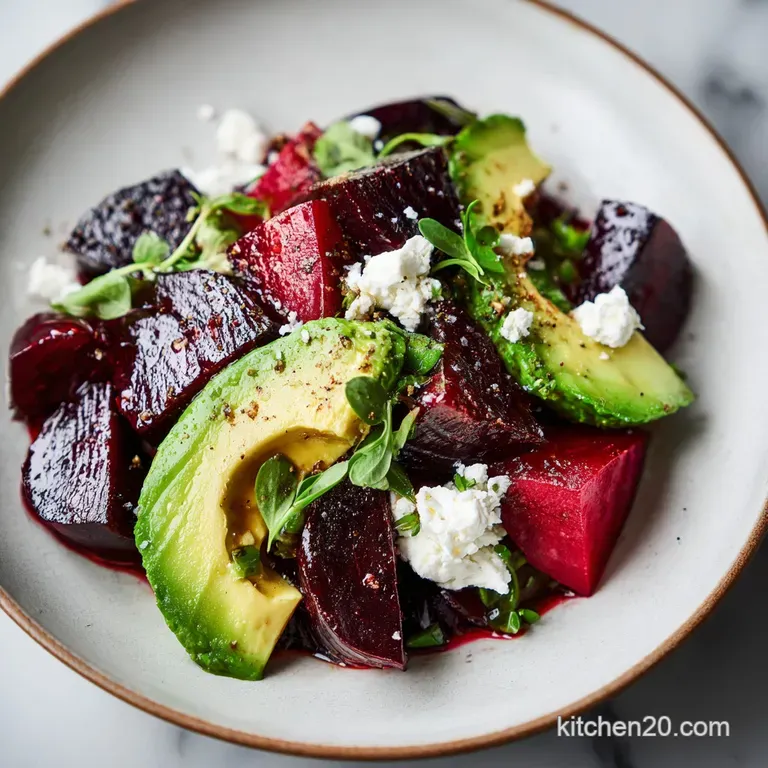
You don't need a kitchen full of gadgets to pull this off, but a few specific tools will make the process much smoother. A solid baking sheet (like a Nordic Ware half sheet) is essential for getting that even roast on the beets.
You'll also want some heavy duty aluminum foil to create the roasting pouches.
For the dressing, a small glass jar with a tight fitting lid is actually better than a whisk and bowl; it allows you to shake the emulsion into a perfectly thick consistency. Finally, a mandoline slicer is your best friend for getting those red onions paper thin.
If you don't have one, just use your sharpest chef's knife and take your time. Consistency in your vegetable cuts is one of those small things that makes the final dish feel connected and professional.
The Systematic Workflow to Achieve Perfect Results
- Preheat and Prep: Set your oven to 400°F (200°C). Scrub 1 lb red or golden beets thoroughly, leaving the skins on. Note: This preserves the juices and makes peeling effortless later.
- Encapsulate the Beets: Place the beets on a large piece of foil, drizzle with 1 tbsp olive oil and 1/2 tsp sea salt. Fold the foil to create a sealed pouch.
- Roast until Tender: Place the pouch on a baking sheet and bake for 45 minutes until a knife slides into the center like butter.
- Cool and Peel: Open the pouch carefully and let the beets cool for 10 minutes. Use a paper towel to rub the skins off - they should slide right away.
- Cube the Foundation: Cut the peeled beets into 1 inch cubes. Note: Try to keep the sizes uniform for a better visual balance.
- Create the Emulsion: In a small jar, combine 2 tbsp olive oil, 3 tbsp balsamic vinegar, 1 tsp Dijon, grated garlic, and black pepper. Shake vigorously until the liquid is thick and opaque.
- Toast the Crunch: Place 1/4 cup pepitas in a dry skillet over medium heat for 3-5 minutes until they start to sizzle and pop.
- Prepare the Fresh Elements: Cube 2 large avocados and thinly slice 1/4 cup red onion.
- The Base Layer: Place 4 cups baby arugula in a large bowl and toss with half of the balsamic dressing.
- Assemble the Architecture: Top the greens with the beets, avocado, and onion. Sprinkle 1/2 cup feta and the toasted pepitas over the top. Drizzle with the remaining dressing and serve immediately.
Chef's Tip: To prevent the beets from turning the entire salad pink, don't toss the beets with the greens. Instead, lay them on top just before serving. This keeps the color balance sharp and professional.
Debugging Common Texture Issues and Flavor Imbalances
Sometimes, even with the best instructions, the kitchen throws you a curveball. The most common issue with this Roasted Beet Avocado Feta Salad is the "color bleed" where the beet juice turns the white feta a neon pink. This usually happens if the beets are still too warm when assembled or if the salad is over mixed.
My Beets Are Still Crunchy
If the 45 minutes are up and the beets feel firm, don't panic. Beet density varies wildly based on age and variety. Simply reseal the pouch and give them another 10-15 minutes. A undercooked beet has a grainy, "woody" texture that can ruin the velvety flow of the salad.
The Avocado is Oxidizing
Avocados are notorious for turning brown as soon as they see the air. To prevent this, wait until the very last second to slice them. If you’re prepping in advance, toss the avocado cubes in a little bit of the balsamic dressing or lemon juice to create an acidic shield against oxygen.
| Problem | Root Cause | Solution |
|---|---|---|
| Soggy Greens | Dressing added too early | Only dress the arugula seconds before serving. |
| Bitter Aftertaste | Over toasted seeds | Pepitas go from toasted to burnt in 10 seconds; remove from pan immediately once they pop. |
| Bland Flavor | Lack of seasoning | Add an extra pinch of sea salt directly onto the avocado cubes to make their flavor pop. |
Common Mistakes Checklist
- ✓ Forgot to scrub the beets (leads to a gritty texture in the final dish).
- ✓ Peeled the beets before roasting (causes them to dry out and lose sweetness).
- ✓ Used "salad balsamic" instead of aged (the dressing will be too thin and sour).
- ✓ Overcrowded the roasting pouch (beets will steam rather than roast, losing that caramelized edge).
- ✓ Skip toasting the nuts (you lose about 40% of the potential flavor and aroma).
Customizing the Salad Framework for Different Requirements
One of the reasons this dish is revolutionizing home cooking is its flexibility. It’s a platform that can be adjusted based on who is sitting at your table. For a Protein Packed Power Bowl, I love adding a cup of cooked quinoa or some grilled chicken breast.
The grains soak up the extra balsamic dressing beautifully, making it a much more substantial meal.
If you're looking for a dairy-free Alternative, you can easily swap the feta for a salty, fermented vegan cheese or simply add more toasted nuts and a sprinkle of nutritional yeast for that savory "umami" hit. The avocado already provides so much creaminess that you might not even miss the cheese.
For a more "Ottolenghi" style vibe, try adding a sprinkle of sumac or some fresh mint leaves to the greens for an unexpected floral note.
Optimal Storage Protocols and Zero Waste Strategies
Storing this salad as a complete unit is generally not recommended because the arugula will wilt and the beets will dye everything purple within an hour. However, the components are perfect for meal prep if kept separate.
- Fridge Life: Store roasted, cubed beets in an airtight container for up to 5 days. Keep the dressing in its jar for up to a week.
- Zero Waste Tip: Don't throw away those beet greens! They are incredibly similar to Swiss chard. Sauté them with a little garlic and olive oil for a quick side dish the next night.
- Freezing: While you can't freeze the assembled salad, you can freeze roasted beets. They will lose a bit of their firmness, so they're better used in smoothies or blended into a beet hummus later.
- Reheating: This salad is best served cold or at room temperature. If you prefer the beets warm, just heat the cubes in a pan for 2 minutes before placing them on the cold greens.
Master the Art of Visual Design and High Contrast Plating
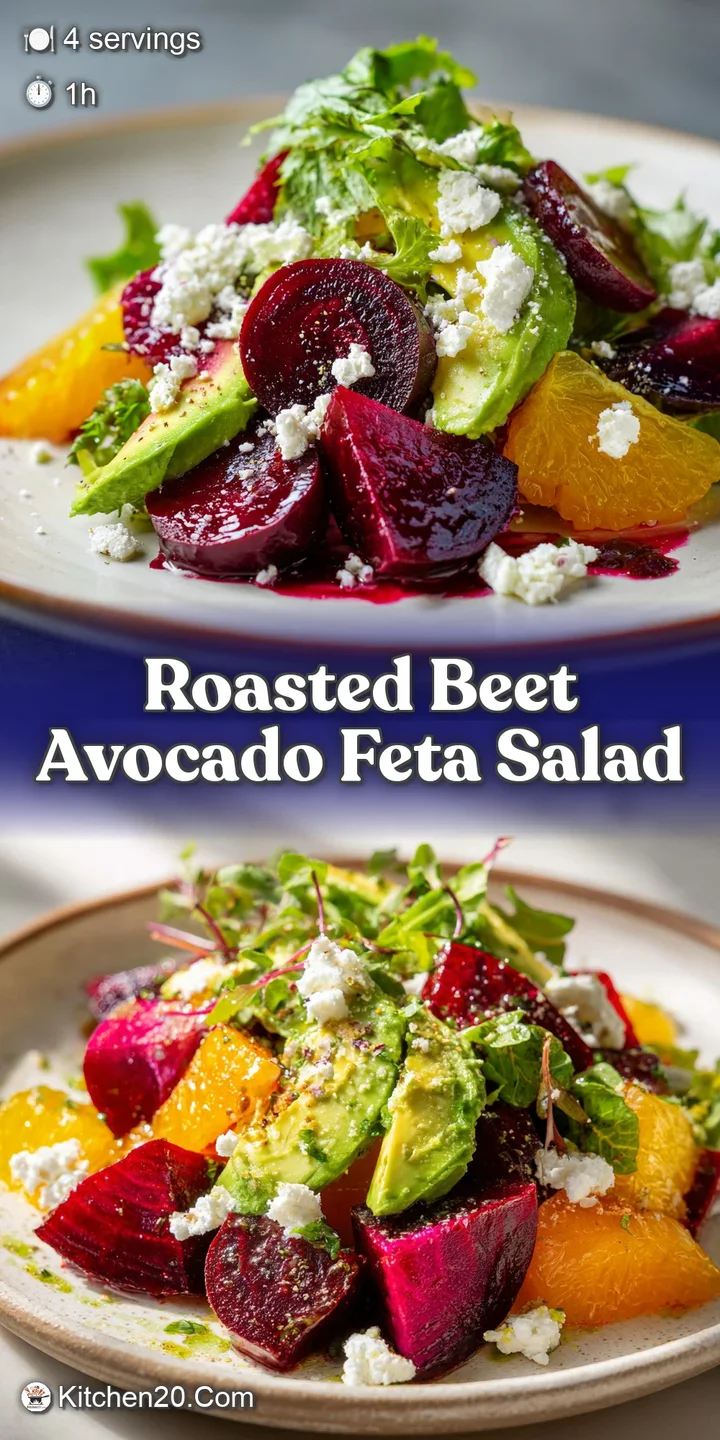
To truly make this dish feel better than dining out, you need to focus on the color balance. I like to think of the plate as a canvas. Start with the green arugula as your base, providing a lush, textured background. Then, nestle the deep ruby beets into the greens like little jewels.
Add the avocado last, as its pale green provides a beautiful mid tone between the dark beets and the bright white feta. For the final "pop," the toasted pepitas add a rustic, earthy brown.
Adding a final crack of fresh black pepper and a tiny drizzle of high-quality olive oil right at the table creates that "wow" factor that connects everyone to the meal. It's about more than just food; it's about creating a shared experience that looks as good as it tastes.
By choosing high contrast ingredients and placing them with intention, you turn a simple salad into a centerpiece.
Recipe FAQs
How long should I roast beets for optimal sweetness?
Roast them until fork tender, usually 45 to 60 minutes at 400°F. Leaving the skins on and wrapping them tightly in foil concentrates the natural sugars and prevents the earthy flavor from overpowering the sweetness.
Can I substitute goat cheese for feta in this salad?
Yes, goat cheese is an excellent substitute, though it will change the texture slightly. Goat cheese is creamier and tangier than feta, which mellows the overall sharp profile compared to the salty crumbly texture of sheep's milk feta.
Is it better to roast or boil beets for this salad?
No, roasting is vastly superior for this salad. Boiling leaches out flavor and creates a watery texture, whereas roasting caramelizes the sugars, yielding a concentrated, buttery bite essential for contrasting the avocado.
How to prevent beet juice from staining the avocado and feta?
Cool the roasted beets completely before cutting and assembling. Make sure to cube the beets separately and only gently incorporate them into the final salad just before serving, preventing excess juice transfer.
What is the secret to making the balsamic vinaigrette emulsify properly?
Use the Dijon mustard as your emulsifying agent. Whisk the vinegar, mustard, and garlic first, then slowly stream in the olive oil while whisking constantly until the dressing thickens and no longer separates.
Can I use pre-cooked beets to save time?
No, this significantly compromises the flavor profile. Pre-cooked beets lack the essential caramelized depth achieved through roasting; consider using the full roasting technique described in The Way How recipe for the best result.
How can I turn this into a complete meal instead of just a side dish?
Add a lean protein source like grilled chicken or chickpeas. This boosts the satiety factor, similar to how we maximize flavor in the Sunny Mediterranean Pasta Salad recipe by incorporating hearty components.
Beet Avocado Feta Salad
Ingredients:
Instructions:
Nutrition Facts:
| Calories | 417 kcal |
|---|---|
| Protein | 9 g |
| Fat | 34 g |
| Carbs | 25 g |
| Fiber | 11 g |
| Sugar | 12 g |
| Sodium | 550 mg |
