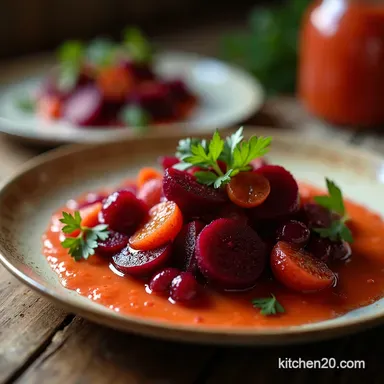
The Chefs Classic Proper Tangy Pickled Beets
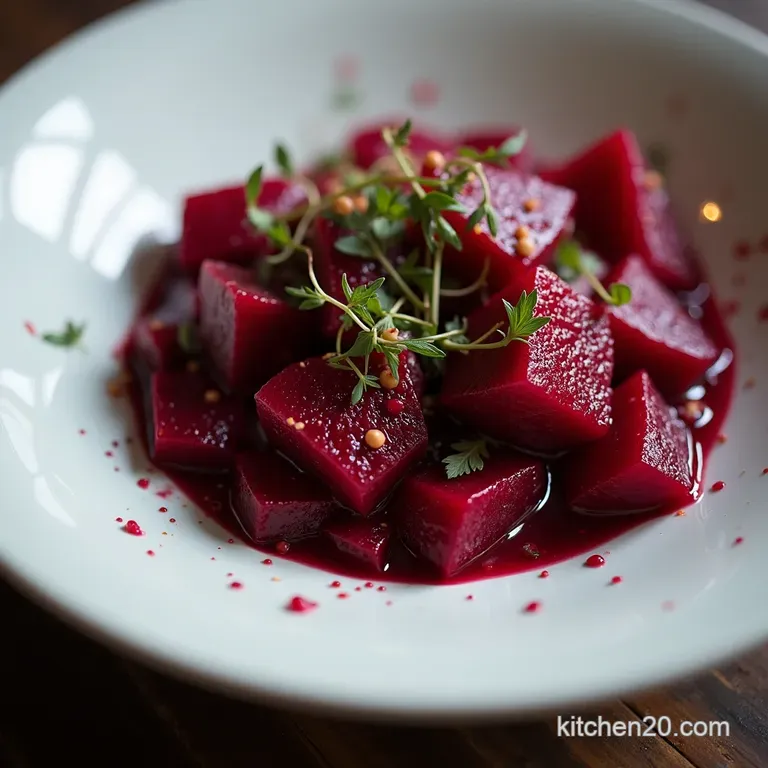
- Unlocking the Secret to Truly Vibrant Pickled Beets
- Why This Recipe Outshines Store-Bought Jars
- Assembling Your Essential Pickling Arsenal
- The Step-by-Step Journey to Jarred Goodness
- Maximizing Longevity and Enjoyment of Your Preserves
- Creative Ways to Incorporate Your Homemade Pickled Beets
- Recipe FAQs
- 📝 Recipe Card
Unlocking the Secret to Truly Vibrant Pickled Beets
There is a certain magic that happens when the earthy sweetness of a fresh beetroot is transformed by a sharp, aromatic brine. Forget the overly sweet, dull jarred beets you find lurking in the supermarket aisle; this recipe celebrates the intense flavour and incredible colour of fresh root vegetables.
Pickled beets are a true classic, a staple that offers a vibrant, sweet and-sour punch perfect for elevating everything from a simple ploughman's lunch to a complex salad. We are diving deep into creating homemade pickled beets that are truly addictive, balancing the earthiness with just the right amount of zesty tang.
Why This Recipe Outshines store-bought Jars
The primary difference between the batch you can create in your own kitchen and those mass produced jars lies in ingredient quality and flavour control. When you master this easy pickled beets recipe , you gain control over the sugar levels, the type of vinegar used, and the infusion of whole spices.
This method yields sweet and sour pickled beets that retain a satisfying crunch, rather than the soft, sometimes bland texture often encountered commercially.
The Perfect Balance: Earthy Sweetness Meets Zesty Tang
Our goal here is not just preservation; it's flavour enhancement. The beetroot itself brings a deep, almost sugary earthiness. The key is countering this with a sharp vinegar we favour a clean White Wine Vinegar and ensuring we use just enough sugar to balance the acidity without making the final product taste like candy.
This careful calibration results in the ideal companion for rich cheeses or roasted meats.
Elevating the Humble Beetroot for Culinary Glory
These preserves aren't just a side dish; they become a statement piece. Whether you dice them small for pickled beets for salads or serve them sliced alongside charcuterie, their deep magenta colour instantly brightens the plate.
This technique respects the vegetable’s natural profile, allowing that inherent sweetness to shine through the pickling process.
A Beginner Friendly Blueprint for Jarring Perfection
While canning can sound intimidating, this specific method focuses on a refrigerator pickle, making it incredibly accessible. There’s no complicated hot water bath required, which lowers the barrier to entry significantly.
This quick pickled beets approach focuses on careful cooking and precise flavour infusion, making it forgiving for novices eager to experience the satisfaction of preserving their own harvest.
Assembling Your Essential Pickling Arsenal
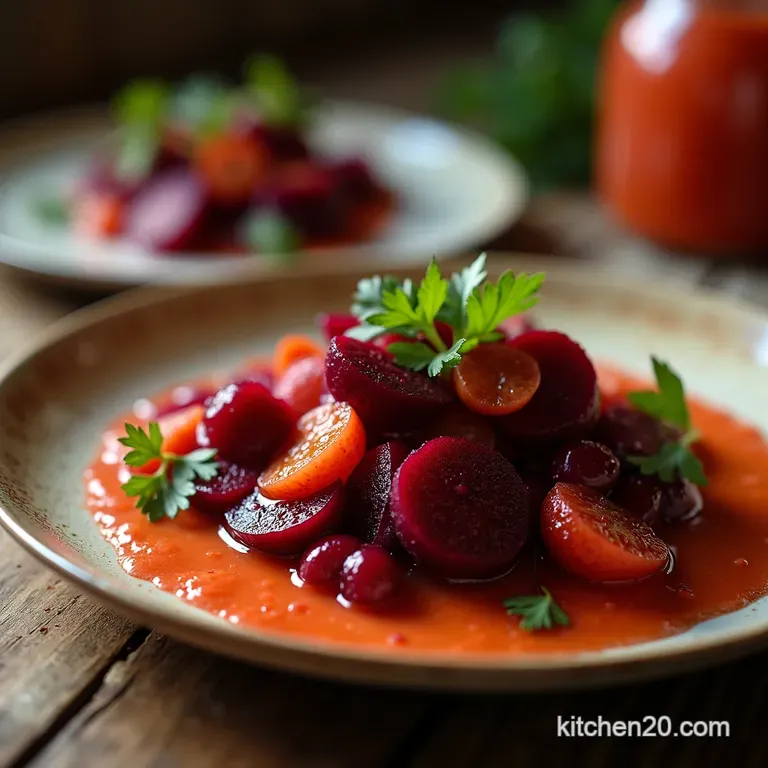
Before we start transforming those roots, preparation is key. Having the correct tools and understanding the necessary ingredients ensures a smooth, successful experience, whether you are making a small batch or preparing several canning pickled beets for long term storage (though this specific recipe leans toward refrigeration).
Selecting the Best Root Vegetables for Maximum Color
Start with firm, medium sized beets; avoiding very large roots often results in better texture, as the largest ones can sometimes develop tougher cores. Always scrub them vigorously under cold running water, but crucially, leave the stem tops and root ends intact for the initial cooking stage.
Removing them prematurely causes the vibrant colour pigment to bleed out into the cooking water, leaving you with pale, disappointing results.
The Aromatic Agents: Spices That Define These Pickled Beets
The liquid is where the signature taste profile emerges. Beyond the standard sugar and salt combination, we incorporate warming agents. Whole cloves and black peppercorns provide depth, while a bay leaf adds subtle herbaceous notes.
For a fantastic textural addition, consider incorporating thinly sliced white onions; these become sweet, translucent jewels floating alongside your beet slices, making a fantastic pickled beets and onions combination.
Required Kitchen Gear for Successful Preservation
You will need sturdy equipment ready to handle boiling temperatures and hot liquids. A large stockpot is essential for cooking the beets until tender. For the pickling liquor itself, a medium saucepan will suffice.
Most importantly, ensure you have your clean, sterilised jars ready to go at least four 1-pint (500ml) jars, complete with tight fitting lids.
Related Recipes Worth Trying
- Old Fashioned Canned pickled beets The Best Sweet Sour Recipe — Make the best shelf stable Canned pickled beets recipe This old fashioned sweet and sour pickled beets recipe uses water bath canning for perfect pantry...
- Bright Bold Pickled Beets Recipe Even Nan Would Approve — Looking for the best pickled beets recipe This ones a winner Sweet sour vibrant colour even your Nan will love these homemade pickled beets Get the recipe
- How To Pickle Cherry Tomatoes Quick Pickled Jewels Recipe — Fancy learning how to pickle cherry tomatoes This easy recipe transforms them into flavour bombs Perfect for sandwiches cheese boards or salads Get the...
The step-by-step Journey to Jarred Goodness
The process unfolds in distinct, manageable stages: first the gentle cooking of the vegetable, then the creation of the powerful brine, and finally, the careful assembly into the waiting jars.
Prepping the Beets: Cooking Down to Tender Perfection
Place your scrubbed, whole beets into the large pot and cover them well with fresh water. Bring this to a robust boil, then reduce the heat and simmer gently. Timing here is crucial; test them frequently with a sharp knife you are looking for tender resistance, not mush.
This usually takes between 45 to 75 minutes, dictated entirely by the size of your roots.
Precision Peeling: Removing the Outer Stains Safely
Once cooked, immediately plunge the beets into cold water to halt the cooking process. This cooling step also helps loosen the skins. Now, using a paper towel to help you grip the slippery skins, trim off the root ends and the stem tops. The skins should slip off with very little encouragement.
Remember to work over a sink or use gloves to manage the inevitable stains! Once peeled, slice or dice your beets into uniform, bite sized pieces. Uniformity ensures they all absorb the brine evenly.
Crafting the Flavorful Infusion: Brine Simmering Techniques
While the beets are cooling and being prepped, turn your attention to the brine. In your saucepan, combine 2 cups each of water and vinegar, along with 1 ½ cups of granulated sugar and 1 tablespoon of fine sea salt.
Heat this mixture over medium heat, stirring frequently until every grain of sugar and salt has fully dissolved into a clear liquid. The moment it's clear, remove it from the heat we want it hot, but not aggressively boiling.
Packing Jars Tightly for Optimal Flavor Absorption
Now, distribute your sliced beets evenly into the prepared, sterilised jars. Next, evenly divide your chosen aromatics the cloves, peppercorns, bay leaves, and any sliced onions among the jars, tucking them in amongst the beet slices.
Carefully ladle the hot pickling liquor over the beets, ensuring they are completely submerged beneath the liquid. Ensure you leave a clear 1 inch headspace at the top of the jar, which is essential for proper sealing and expansion. Wipe the rims clean and seal the jars tightly.
Maximizing Longevity and Enjoyment of Your Preserves
The final stage involves patience. While the initial heat helps set the ingredients, the true transformation happens as the beets absorb the complex flavour profile of the brine over time.
Patience Pays Off: The Ideal Waiting Period Before Tasting
Though they are technically preserved once sealed and cooled, the flavour profile is muted immediately after packing. Allow the jars to cool completely on the counter to confirm the seals have set (the centre of the lid should be concave and not pop when pressed). Once sealed, transfer the jars to the refrigerator.
Wait at least 12 hours before sampling, but for the very best results, give them 48 hours. This resting period allows the pickled beets nutrition profile to fully integrate with the spices.
Troubleshooting Common Pickling Hurdles and Solutions
If a lid fails to seal (the centre pops up), don't worry. This simply means the jar is not shelf stable, but it is perfectly safe to consume immediately. Just store it in the fridge and eat it within a few weeks.
If your beets look dull after peeling, it likely means you trimmed the stems too early; next time, keep them intact during boiling.
Fridge Life Expectancy for These Tangy Treasures
Because this pickled beets recipe relies on refrigeration rather than traditional water bath canning for preservation, their longevity is slightly shorter but still excellent.
Stored correctly in the refrigerator, these homemade delights will maintain peak flavour and texture for up to two months.
Flavor Twists: Exploring Alternative Spices and Vinegars
Don't be afraid to experiment once you master the base recipe. For a richer, deeper flavour, try substituting half the white wine vinegar with high-quality Sherry vinegar. You can also introduce mild heat by adding a pinch of crushed red pepper flakes to the brine mixture during the simmering phase.
These explorations lead to wonderful, personalised versions of sweet and sour pickled beets .
Creative Ways to Incorporate Your Homemade Pickled Beets
Once your jars are brimming with these tart jewels, their culinary applications multiply. They transform humble side dishes into vibrant features. Dice them small and scatter them liberally over dark leafy greens; the sharp acidity cuts through the bitterness beautifully, making them ideal for your next pickled beets for salads .
They also serve as an exceptional contrast to creamy textures, such as dollops of fresh goat cheese or thick Greek yogurt dips. Every bite of these easy pickled beets is a testament to simple, flavourful home preservation.
Recipe FAQs
How long do I need to wait before I can eat these Pickled Beets?
While you could technically snack on them after 12 hours, to get that proper, deep flavour penetration, we highly recommend waiting a minimum of 48 hours. Think of it like waiting for a good cup of tea to brew patience is key to unlocking the best taste!
Overnight chilling is the absolute minimum for a decent result.
My beets are staining everything bright pink! Is there a way to stop the mess while I’m preparing them?
Ah, the infamous beet stain a true badge of honour for any pickler! The best trick is to wear disposable gloves, especially when peeling the cooked beets; the skin slips off much easier when wet, and gloves prevent hours of pink fingers. Also, avoid chopping them on porous surfaces like wooden boards.
Can I use Balsamic vinegar instead of White Wine vinegar for my Pickled Beets recipe?
You certainly can experiment, but be aware that Balsamic vinegar is much sweeter and darker, which will significantly change the flavour profile from the traditional sharp, tangy taste we are aiming for. If you do use it, you might want to reduce the added sugar slightly and expect a very rich, almost syrupy pickle.
How long will these homemade pickled beets last in the fridge?
Because this recipe relies on refrigeration rather than a formal hot water bath canning process, these are considered refrigerator pickles. Stored properly in sealed jars, they should stay delightfully crisp and safe in the fridge for up to three to four weeks.
If you notice any mould or bubbling, best to toss them but they usually vanish far quicker than that!
My beets are a bit too mushy after cooking; how do I keep them firm when pickling?
That's usually down to overcooking or the type of beet you used. For maximum crunch, try testing the beets frequently with a skewer they should be tender but offer a slight bite, nearly "al dente." Also, pouring the hot liquor over the beets helps them firm up slightly as they cool, so make sure your brine is simmering hot when you pour it in.
Proper Tangy Pickled Beets