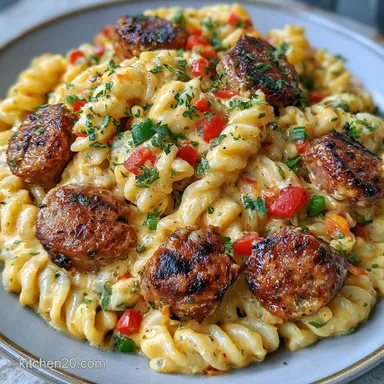
Cheesy Smoked Sausage Pasta Skillet: Silky Finish
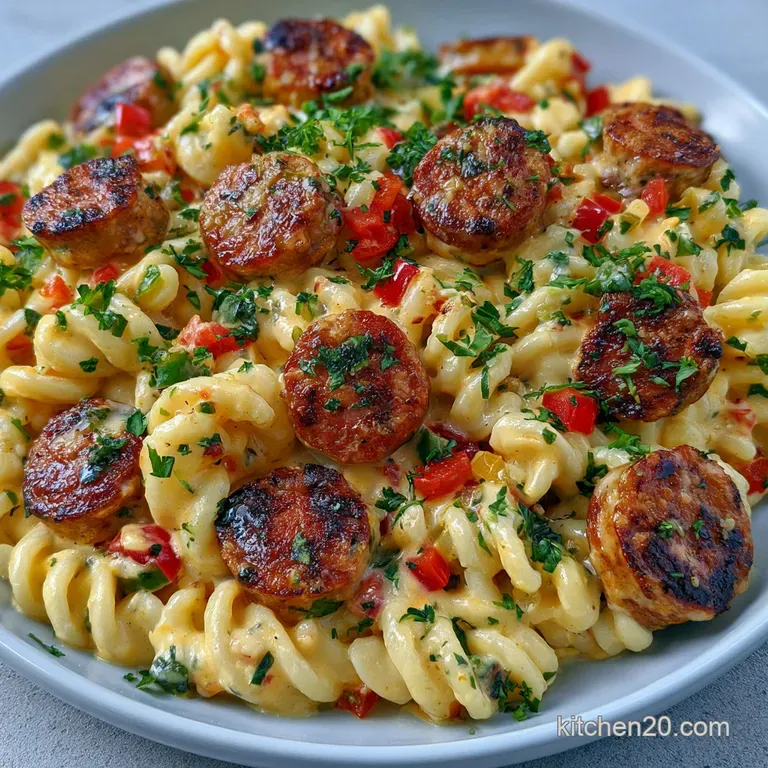
- Time: 10 min active + 20 min cook = Total 30 mins
- Flavor/Texture Hook: Mahogany crusted sausage with a silky, cheesy finish
- Perfect for: Busy weeknight dinners and minimal cleanup meal prep
- One Pot Cheesy Smoked Sausage Pasta Skillet with Bell Peppers
- Why This Dish Really Works
- Breaking Down the Ingredients
- Essential Tools for Efficiency
- The Cooking Process
- Common Problems and Fixes
- Easy Ways to Customize
- Adjusting the Portion Size
- Truth About Pasta Myths
- Storage and Reheating Tips
- Best Ways to Serve
- Critical Sodium Level
- Recipe FAQs
- 📝 Recipe Card
One Pot Cheesy Smoked Sausage Pasta Skillet with Bell Peppers
Hear that? That's the aggressive sizzle of sliced kielbasa hitting a hot skillet. There's nothing like the smell of smoked meat caramelizing alongside onions to tell your brain that dinner is finally happening.
I remember the first time I tried a "one pot" pasta; it was a gummy, clumpy mess that looked more like wallpaper paste than dinner. I thought the myth was true: that you absolutely had to boil pasta in a separate pot of salted water to get it right.
But I was wrong. The trick isn't in the boiling, it's in the liquid ratio and the heat control. This One Pot Cheesy Smoked Sausage Pasta Skillet with Bell Peppers is the perfect easy dinner because it uses the pasta's own starch to create a sauce that clings to every shell.
No more straining pots of boiling water or washing three different pans just to get a creamy result.
We're talking about a dish where the bell peppers soften just enough to keep their color, the sausage gets those deep brown edges, and the cheese melts into a velvety blanket. It's efficient, it's hearty, and honestly, it's the kind of meal that makes you feel like you've got your life together even if you're wearing pajamas at 7 PM.
Why This Dish Really Works
I've spent way too much time wondering why some one pot meals turn into mush while others stay silky. It comes down to a few simple things that happen in the pan.
- Starch Binding: Since the pasta isn't rinsed, the starch stays in the pan and acts as a natural thickener for the cream and broth.
- Fond Integration: Searing the sausage first creates a brown layer of flavor on the bottom of the pan that gets scraped up by the liquid.
- Fat Balance: The smoked fat from the sausage blends with the heavy cream to prevent the cheese from breaking or becoming oily.
- Liquid Absorption: Using a specific ratio of chicken broth to cream ensures the pasta hydrates fully without leaving a soup at the bottom.
Since we're prioritizing efficiency, let's look at how this compares to the traditional method of cooking pasta and sauce separately.
| Feature | One Pot Method | Classic Separate Method | Impact |
|---|---|---|---|
| Cleanup | 1 Pan | 2-3 Pots/Colanders | Massive time save |
| Sauce Texture | Starch thickened/Creamy | Emulsion based/Smooth | More rustic feel |
| Pasta Flavor | Infused with broth | Pure pasta taste | Deeper flavor profile |
| Total Time | 30 mins | 45-50 mins | Faster turnaround |
Breaking Down the Ingredients
The magic here is in how the components interact. You don't need fancy ingredients, just the right ones.
| Ingredient | Science Role | Pro Secret |
|---|---|---|
| Smoked Sausage | Fat and flavor base | Slice thin for more surface area to brown |
| Short Pasta | Thickening agent | Shells or rotini catch the most sauce |
| Heavy Cream | Stability and richness | Use full fat to avoid sauce curdling |
| Sharp Cheddar | Salt and binding | Grate it yourself; pre shredded has cornstarch |
Right then, let's get into the actual list. I've included a few swaps if you're missing something in the pantry.
- Smoked sausage or kielbasa (450g): Sliced into rounds. Why this? Provides the smoky depth and necessary fat. (Swap: Andouille for more heat)
- Bell peppers (300g): Red and green, diced. Why this? Adds color and a subtle sweetness. (Swap: Yellow peppers for more sweetness)
- Yellow onion (110g): Diced. Why this? Essential aromatic base. (Swap: Shallots for a milder taste)
- Garlic (15g): 3 cloves, minced. Why this? Adds a punch of savory flavor. (Swap: Garlic powder, though less punchy)
- Olive oil (15ml): 1 tbsp. Why this? High smoke point for searing. (Swap: Butter for a nuttier taste)
- Short pasta (225g): Shells, rotini, or penne. Why this? Holds the heavy sauce well. (Swap: Bowtie pasta)
- Chicken broth (480ml): Low sodium. Why this? Infuses the pasta with savory flavor. (Swap: Vegetable broth)
- Heavy cream (240ml): 1 cup. Why this? Creates the velvety mouthfeel. (Swap: Half and half, but less thick)
- Diced tomatoes (411g): 1 can, with juice. Why this? Acidity cuts through the heavy cream. (Swap: Fresh diced tomatoes)
- Sharp cheddar cheese (170g): Shredded. Why this? Strong flavor that doesn't get lost. (Swap: Gruyère for a nuttier vibe)
- Salt (3g): ½ tsp. Why this? Basic seasoning.
- Black pepper (3g): ½ tsp. Why this? Subtle heat.
- Red pepper flakes (1g): ¼ tsp. Why this? Tiny kick of warmth.
- Fresh parsley (8g): 2 tbsp, chopped. Why this? Freshness to balance the richness. (Swap: Dried parsley, but less bright)
Essential Tools for Efficiency
I'm all about streamlining, so don't overcomplicate your gear. You only need a few basics to make this happen without creating a mountain of dishes.
First, you'll need a 12 inch skillet or a Dutch oven. I prefer a Dutch oven because the high sides prevent the broth from splashing on the stove, and the heavy bottom distributes heat evenly. If you use a thin skillet, watch out for "hot spots" where the sauce might scorch.
A sturdy wooden spoon or silicone spatula is non negotiable. You'll be scraping the bottom of the pan to release those brown bits from the sausage, and a silicone tool is great for getting into the edges.
Finally,, a tight fitting lid. If your skillet doesn't have one, a large baking sheet or a piece of foil works in a pinch, but a real lid keeps the steam inside, which is what actually cooks the pasta.
The Cooking Process
Let's crack on. The goal here is to build layers of flavor, starting with the meat and ending with that molten cheese.
Phase 1: Searing the Base
Heat the olive oil over medium high heat in your skillet. Toss in the sliced sausage and diced onion. Sauté for 3–5 minutes until the sausage develops a mahogany colored crust and the onions are translucent. Trust me on this, don't rush the browning.
That crust is where the deep, savory flavor lives.
Next, stir in the diced bell peppers and minced garlic. Cook for another 2 minutes until the garlic is fragrant and the peppers have just started to soften. You don't want the peppers to turn into mush yet; they should still have a bit of a snap.
Phase 2: Simmering the Pasta
Now we build the sauce. Pour in the chicken broth, diced tomatoes with their juice, and the heavy cream. Stir in the uncooked pasta, salt, pepper, and red pepper flakes.
Bring the mixture to a gentle boil. As soon as you see those bubbles, immediately reduce the heat to low. Cover with a lid and simmer for 12–15 minutes. You'll want to stir occasionally to make sure the pasta doesn't stick to the bottom.
The pasta is ready when it's al dente and the liquid has reduced into a thick, creamy sauce.
Phase 3: The Cheesy Finish
Turn off the heat completely. Sprinkle the shredded cheddar cheese evenly over the top of the pasta. Place the lid back on for 1–2 minutes until the cheese is melted and velvety.
Garnish with the chopped fresh parsley. The green pops against the orange cheese, and the fresh herb scent cuts right through the richness.
Chef's Note: If the sauce looks too thick before the pasta is done, splash in another 30ml of broth. If it's too thin, let it sit for 5 minutes off the heat; the pasta will continue to absorb liquid.
Common Problems and Fixes
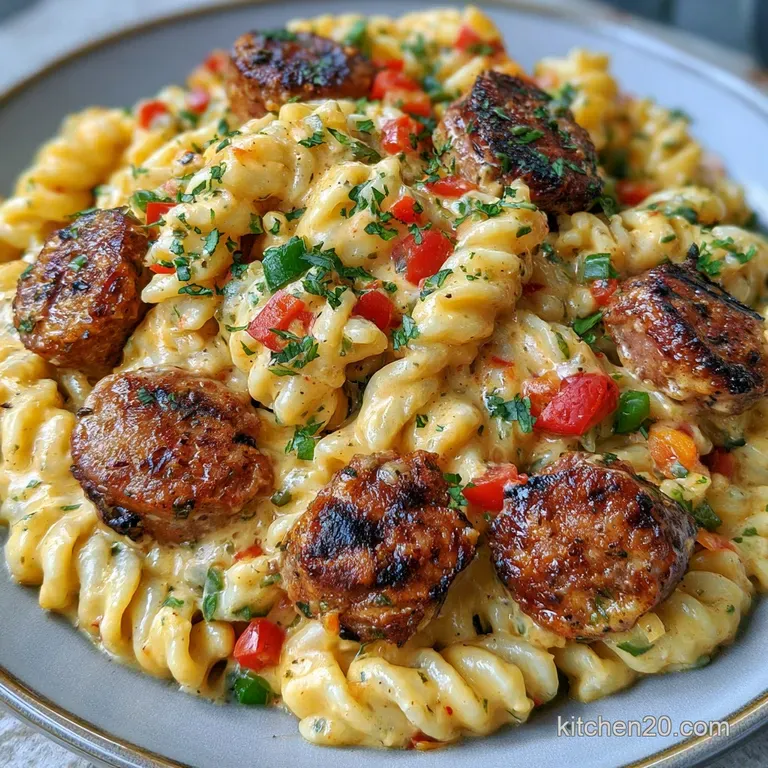
Even with a simple recipe, things can go sideways. Usually, it's a matter of heat or timing.
Why Your Pasta Is Mushy
This usually happens if the heat was too high during the simmer or if the pasta was stirred too aggressively, breaking the noodles and releasing too much starch. Keep the heat low and the stirring minimal.
Preventing Sauce Separation
If you see oil pooling on top, it's likely because the heat was too high when the cheese was added, causing the dairy to "break." Always turn the heat off before adding the cheese.
Fixing "Dry" Pasta
Pasta continues to soak up liquid as it sits. If your dish looks dry by the time it hits the table, a small splash of warm water or milk can bring back that silky texture.
| Problem | Root Cause | Solution |
|---|---|---|
| Gummy pasta | Overstirring or overcooking | Simmer on low; check pasta 2 mins early |
| Bland flavor | Low sodium broth or lack of salt | Add a pinch of salt or a squeeze of lemon |
| Sauce too thin | Not simmering long enough | Simmer uncovered for 2-3 more mins |
Quick Checklist for Success:
- ✓ Use a heavy bottomed pan to avoid scorching.
- ✓ Grate your own cheese for a smoother melt.
- ✓ Don't boil the pasta on high heat; simmer it.
- ✓ Turn off the heat before the cheese goes in.
- ✓ Use a lid to trap steam for even cooking.
Easy Ways to Customize
One of the best things about this recipe is how flexible it is. You can easily pivot the flavor profile depending on what's in your fridge.
If you want to lean into a more "restaurant style" creaminess, you could swap the broth and cream for a silky homemade alfredo sauce. This would make the dish even richer, though you might need to reduce the amount of cheese to keep it balanced.
For those who want more greens, stir in two handfuls of baby spinach or chopped kale during the last 2 minutes of simmering. The heat of the pasta will wilt the greens perfectly without overcooking them.
If you're looking for a dairy-free shift, use full fat coconut milk instead of heavy cream and a vegan cheddar alternative. Just note that coconut milk adds a slight tropical note, so increase the red pepper flakes to balance it.
Adjusting the Portion Size
Whether you're cooking for a solo night or a crowd, you can scale this. Just keep the liquid ratios in mind.
Scaling Down (Half Batch): Use a smaller 8 inch skillet. Reduce the cooking time by about 20% because the smaller volume of liquid will heat up and evaporate faster. If you're using an egg as a binder in a variation, beat one egg and use half.
Scaling Up (Double Batch): Don't just double everything in the same pan, or you'll end up with a steamed mess. Use a very large Dutch oven. Increase the salt and spices to only 1.5x the original amount; you can always add more, but you can't take it away.
Reduce the total liquid by about 10% to prevent the sauce from becoming too thin.
If you're doing a massive batch, I recommend searing the sausage in two shifts. If you crowd the pan, the meat will steam instead of brown, and you'll lose that mahogany crust.
Truth About Pasta Myths
There are a few old school rules that people still swear by, but they don't really apply here.
Myth: You must salt the water for pasta flavor. While true for boiled pasta, in this recipe, the pasta is simmering in chicken broth and smoked sausage fats. The liquid is already packed with salt and savoriness, so adding extra salt to the "water" is unnecessary and can make the dish too salty.
Myth: Rinsing pasta removes "bad" starch. You should never rinse pasta in this recipe. That starch is exactly what binds the heavy cream and cheese into a sauce. If you rinse it, you'll be left with a puddle of cream at the bottom of the pan and dry noodles on top.
Myth: Searing meat "seals in" the juices. Searing the sausage doesn't lock moisture inside; it creates flavor on the outside through browning. The moisture loss happens regardless, but the trade off for that deep, smoky crust is well worth it.
Storage and Reheating Tips
This dish is great for meal prep, but pasta is a sponge, so it changes in the fridge.
Fridge Storage: Store in an airtight container for up to 4 days. You'll notice that the pasta absorbs most of the sauce as it cools, making it look more like a casserole than a skillet meal.
Freezing: I don't recommend freezing this. The heavy cream and cheese can separate and become grainy when thawed, and the pasta often turns mushy. If you must, freeze in individual portions for up to 2 months.
Reheating: To bring it back to life, add a tablespoon of water or milk to each serving before microwaving. This re hydrates the sauce and brings back that velvety texture. Heat on medium power to avoid "exploding" the cheese.
- Zero Waste Tips
- Onion Skins
- Save your yellow onion skins and bell pepper seeds in a freezer bag to make a homemade veggie stock later.
- Parsley Stems
- Don't toss the stems! Finely chop them and sauté them with the onions at the start for extra flavor.
- Tomato Juice
- If you have leftover diced tomatoes in the can, freeze them in ice cube trays to add to future soups.
Best Ways to Serve
While this is a complete meal on its own, adding a side can make it feel like a real feast.
A crisp, acidic side is the best way to balance the richness of the cheese and cream. A simple arugula salad with lemon vinaigrette or some roasted balsamic Brussels sprouts works brilliantly.
If you're serving this for a larger group, you could offer a side of baked chicken tenders for those who want extra protein. The crunch of the chicken provides a great textural contrast to the silky pasta.
Finally, serve this in shallow bowls with an extra sprinkle of fresh parsley and a crack of black pepper. If you're feeling fancy, a side of toasted garlic bread is the perfect tool for mopping up any remaining cheesy sauce from the bowl.
Critical Sodium Level
1320 mg 1,320 mg of sodium per serving (57% 57% of daily value)
The American Heart Association recommends a daily sodium limit of no more than 2,300 mg for most adults to maintain heart health.
Tips to Reduce Sodium
-
Swap the Broth-30%
Replace the low-sodium chicken broth with water or a homemade salt free vegetable stock to significantly drop the base sodium level.
-
Omit Added Salt-25%
Completely remove the ½ tsp of added salt; the sausage and cheese already provide ample saltiness for the dish.
-
Choose Leaner Protein-25%
Swap smoked sausage or kielbasa for fresh ground turkey or chicken seasoned with smoked paprika to mimic the flavor without the curing salts.
-
Rinse Canned Tomatoes-20%
Use no-salt added diced tomatoes or rinse canned tomatoes under cold water to remove excess brine.
-
Reduce Cheese Volume-15%
Cut the sharp cheddar cheese in half or substitute with a naturally lower sodium cheese like Swiss.
-
Boost Aromatics
Increase the fresh parsley, red pepper flakes, and minced garlic to add depth and zest without adding any salt.
Recipe FAQs
Can I use different types of pasta?
Yes, shells, rotini, or penne all work. These short pasta shapes are ideal for capturing the creamy sauce and small vegetable pieces.
How to prevent the pasta from sticking to the bottom?
Stir occasionally during the simmering process. This keeps the pasta moving and prevents it from settling and scorching on the skillet floor.
Can I freeze this skillet meal?
No, it is not recommended. The heavy cream and cheese often separate and become grainy, while the pasta usually turns mushy upon thawing.
Can I substitute chicken for smoked sausage?
Yes, diced chicken breast or thighs work well. If you enjoy this one-pot style, see how the same technique works in our cheesy chicken pasta.
Is it true I must boil the pasta in a separate pot first?
No, this is a common misconception. The uncooked pasta cooks directly in the broth and cream for 12 15 minutes, which helps thicken the sauce naturally.
How to reheat the leftovers so they aren't dry?
Add a tablespoon of water before microwaving. This restores the moisture that the pasta absorbs while sitting in the refrigerator.
What to do if the sauce is still too thin after simmering?
Simmer uncovered for a few more minutes. Continuing to cook on low heat allows the liquid to reduce further before you add the cheese.
Cheesy Smoked Sausage Pasta