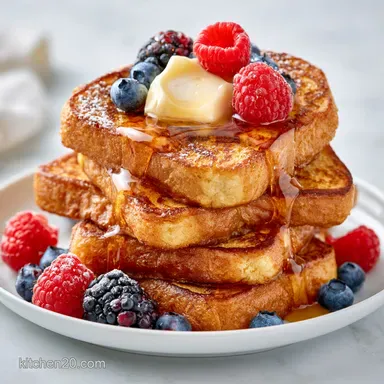
French Toast: Crispy and Velvety
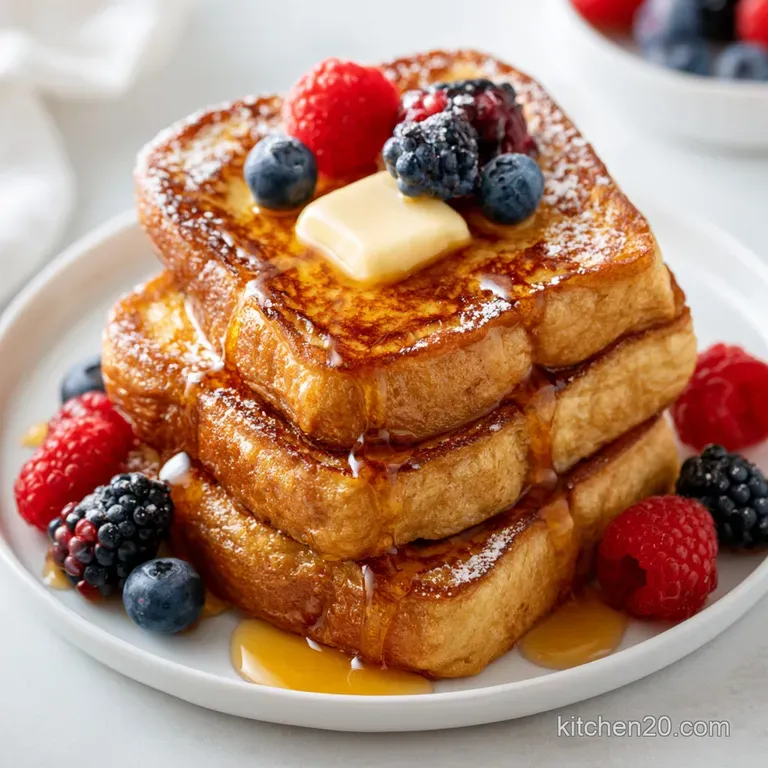
- Time: 5 min active + 20 min cook = Total 25 mins
- Flavor/Texture Hook: Mahogany colored crust with a custard like interior
- Perfect for: Slow weekend mornings or an impressive brunch platform for guests
The sound of butter foaming in a hot skillet is the only alarm clock I need on a Saturday. There's that specific sizzle when the bread hits the pan, a sound that promises something better than a bowl of cereal. But let's be real, we've all been there with the "soggy sponge" disaster.
You soak the bread too long, it falls apart in the pan, and you end up with a mushy mess that feels more like a wet cake than a crisp breakfast.
I spent way too much time trying to figure out why some spots stayed raw while the outside burned. The trick isn't just the bread you use, it's the way you manage the moisture. By treating the custard as a platform for flavor and the pan as a tool for texture, you can get that restaurant style result at home.
This recipe is about creating a connected experience between the creamy center and the caramelized exterior. You're going to get a result that is structured yet soft, with a color balance that looks like it belongs in a magazine. Let's crack on and make some French Toast that actually holds its shape.
The French Toast Secret
To get this right, we need to think about the bread as a structural grid. If the grid is too weak, the custard collapses the walls, leading to that dreaded mushiness. By using a slightly firmer slice or a shorter soak, we maintain the integrity of the bread while still getting the creamy interior.
Custard Saturation: The ratio of fat to protein in the milk and eggs creates a stable emulsion. This prevents the liquid from just leaking out of the bread, according to the saturation techniques discussed at Serious Eats.
Surface Caramelization: Sugar in the batter doesn't just add sweetness, it acts as a fuel for browning. When it hits the hot butter, it transforms into a mahogany crust.
Thermal Carryover: The center continues to cook for a few minutes after leaving the pan. This ensures the eggs are set without overcooking the exterior.
Starch Stability: Using bread with a tighter crumb prevents the custard from pooling in the center.
| Method | Time | Texture | Best For |
|---|---|---|---|
| Stovetop | 20 mins | Shatter crisp edges | Individual servings |
| Oven Bake | 30 mins | Uniformly soft | Large crowds |
| Griddle | 15 mins | Evenly golden | High volume batches |
Essential Component Analysis
Understanding the role of each ingredient helps you adjust the recipe on the fly. It's like tuning a platform to get the best possible performance.
| Ingredient | Science Role | Pro Secret |
|---|---|---|
| Whole Milk | Hydration | Use room temperature to avoid chilling the pan |
| Large Eggs | Structure | Whisk until no streaks remain for a smooth set |
| Cinnamon | Aromatic | Mix into the custard, not on top, for even color |
| Butter | Heat Transfer | Use unsalted to control the savory balance |
Required Kitchen Gear
You don't need a professional setup, but a few specific tools make this process much smoother. A shallow dish is a must, otherwise, you'll be fighting to get the bread submerged without it breaking.
I prefer a non stick skillet, but a cast iron pan is a great alternative if you want a more rugged sear. If you're doing a big batch, a griddle is the way to go. Just make sure your whisk is sturdy, as we need to get that cinnamon fully integrated so you don't end up with "cinnamon clumps" on your toast.
Step by step Process
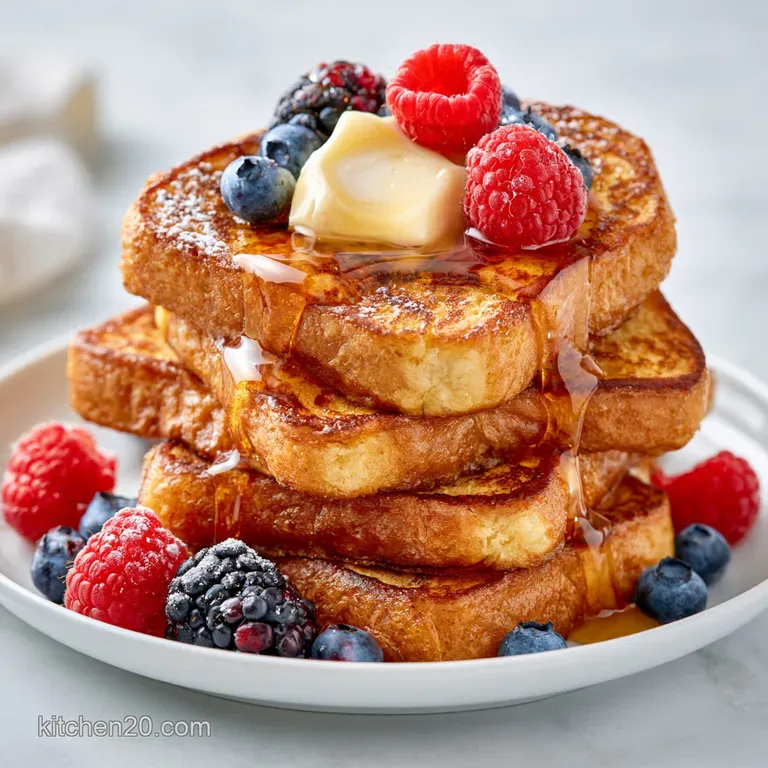
Right then, let's get into the actual cooking. Remember, the goal is a connected balance of textures.
Custard Base Tips
- Whisk together the 3 large eggs, 240ml whole milk, 1 tsp ground cinnamon, 1 tsp vanilla extract, 25g granulated sugar, and 1/4 tsp salt. Note: Whisk vigorously until the mixture is completely smooth to avoid streaks.
The Precision Soak
- Dip each of the 8 thick slices of bread (approx. 450g) into the custard.
- Soak for 5-10 seconds per side for a quick version, or 30 seconds per side for a restaurant style interior. Note: Don't over soak thin bread or it will lose its structure.
The Golden Sear
- Melt 15g (1 tbsp) of unsalted butter over medium high heat in a non stick skillet.
- Wait until the butter begins to foam.
- Place bread slices in the pan, leaving space between them.
- Fry for 3-4 minutes per side until a deep mahogany colored crust forms.
- Repeat the butter melting process for the remaining batches.
Chef's Note: If the butter starts to brown too quickly, turn the heat down slightly. You want a slow caramelization, not a burnt edge.
Texture Issue Solutions
Even with a plan, things can go sideways. The key is knowing how to pivot quickly.
Mushy Center Fix
If the bread feels like a sponge, you've likely over soaked it or used bread that was too fresh and soft. To fix this, use a slightly drier loaf or reduce the soak time to just a few seconds.
Raw Middle Fix
This happens when the heat is too high, searing the outside before the center can set. Drop your temperature to medium and give it an extra minute per side.
| Problem | Root Cause | Solution |
|---|---|---|
| Soggy Bottom | Pan not hot enough | Wait for butter to foam before adding bread |
| Burnt Exterior | Heat too high | Reduce to medium and cook longer |
| Falling Apart | Over soaking | Reduce soak time by 5 seconds per side |
Quick Fix Checklist:
- ✓ Bread is thick cut (at least 2cm)
- ✓ Butter is foaming before bread enters
- ✓ Custard is whisked until smooth
- ✓ No overcrowding in the pan
- ✓ Medium high heat maintained throughout
Creative Swaps and Twists
This recipe is a platform you can build on. If you want to change the vibe, try these adjustments.
For a more indulgent treat, you can swap the whole milk for heavy cream. It makes the interior velvety and rich. If you're looking for something different, try spreading a layer of Pistachio Butter on the finished slices for a nutty, colorful contrast.
For a Healthy French Toast Recipe
Use whole grain bread and swap the granulated sugar for a touch of maple syrup or a mashed banana in the custard. Replace the whole milk with unsweetened almond milk for a lighter version.
For French Toast Without Eggs
You can use a "flax egg" (ground flaxseed mixed with water) as a binder, though the structure will be softer. This version is best with a very firm, toasted bread to prevent collapse.
For Air Fryer French Toast
Preheat your air fryer to 190°C. Dip the bread as usual, then air fry for 4-6 minutes per side. It's a great way to make French Toast when you don't want to stand over the stove.
For French Toast Sticks
Cut your bread into three equal strips before dipping. Fry them on all four sides for a finger food version that's great for kids or parties.
Decision Shortcut:
- If you want it custardy → Soak for 30 seconds per side.
- If you want it crispy → Use a day old sourdough loaf.
- If you want it fast → Use thinner slices and a 5 second soak.
Storage and Zero Waste
Don't let your leftovers go to waste. This dish actually keeps surprisingly well if you store it correctly.
Place leftover slices in a sealed container in the fridge for up to 3 days. To reheat, avoid the microwave, as it makes them rubbery. Instead, pop them back in a skillet with a tiny bit of butter or use a toaster oven until they regain that shatter crisp edge.
You can also freeze slices for up to 2 months, wrapping them individually in parchment paper.
For zero waste, if you have leftover custard, don't toss it. You can pour it over a few pieces of diced bread in a small baking dish and bake it into a mini bread pudding. If you're out of the specific bread called for, try using Homemade Soft Butter Rolls sliced in half for a miniature, buttery version of this breakfast.
Color Balance Plating
The way you present your food is part of the experience. Since the toast is a deep golden brown, we need a color balance strategy to make the plate pop. I like to use a three point accent system.
First, add a burst of red. Fresh raspberries or sliced strawberries provide a sharp visual contrast to the mahogany crust. Second, introduce a green element. A few small mint leaves or a sprinkle of crushed pistachios adds a fresh, organic feel to the plate. Finally, add a white highlight.
A dusting of powdered sugar or a dollop of whipped cream creates a clean, bright finish.
By layering these colors, you transform a simple breakfast into a visual event. The red provides energy, the green provides balance, and the white provides a soft landing for the eye. It's a simple way of revolutionizing the presentation without needing a professional culinary degree.
To finish everything off, a drizzle of warm maple syrup ties the whole plate together, adding a glossy sheen that catches the light and makes the colors stand out even more. When you combine the velvety texture of the interior with this visual strategy, you've created a meal that is both connected in flavor and stunning in appearance.
Trust me, your guests will notice the effort.
Recipe FAQs
How to do French toast step by step?
Whisk eggs, milk, cinnamon, vanilla, sugar, and salt in a shallow dish. Dip bread slices for 5 30 seconds per side, then fry in melted butter over medium high heat for 3 4 minutes per side until mahogany brown.
Can diabetics have French toast?
No, it is generally not recommended. The combination of refined flour in the bread and granulated sugar causes significant blood glucose spikes.
What mix do you use for French toast?
Use a custard of 3 eggs, 1 cup whole milk, 1 tsp cinnamon, 1 tsp vanilla, 2 tbsp sugar, and 1/4 tsp salt. Whisk these vigorously until the mixture is completely smooth before dipping.
What is the trick to French toast?
Soak the bread for 30 seconds per side for a restaurant style interior. This ensures the custard penetrates the core while the pan sears the outside into a crisp crust.
Is it true I must use stale bread for French toast?
No, this is a common misconception. Fresh thick cut bread works perfectly as long as you limit the soaking time to 5 10 seconds per side to prevent sogginess.
How should I store and reheat leftover slices?
Store in a sealed container in the fridge for up to 3 days. Reheat in a skillet with butter or a toaster oven; avoid the microwave as it makes the bread rubbery.
What should I serve with French toast for a full meal?
Pair it with fresh berries or savory breakfast meats. If you love the sweet tart balance of a complete brunch, see how we use similar flavor principles in our classic cranberry sauce.
Crispy French Toast