Eggnog: Silky, Spice Forward
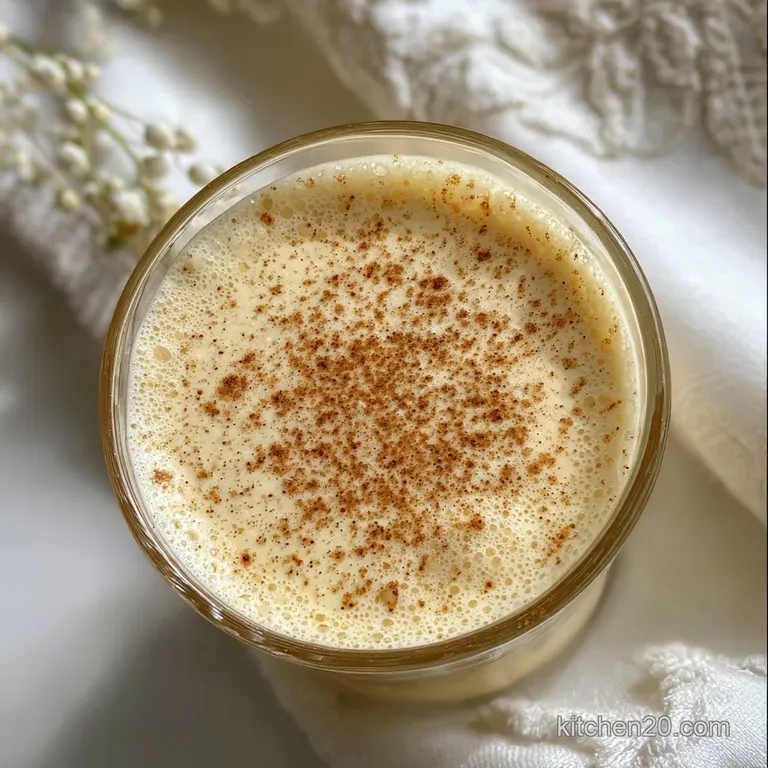
- Time: Active 10 mins, Passive 15 mins, Total 25 mins
- Flavor/Texture Hook: Silky, spice forward, and cloud like
- Perfect for: Holiday gatherings, sophisticated nightcaps, or weekend brunch
- The Physics Behind Crafting Your Eggnog
- The Chemistry of Creamy Emulsions
- Component Analysis of the Base
- Analyzing the Core Component Platform
- Necessary Hardware for Liquid Integration
- Sequential Protocol for Creamy Emulsification
- Resolving Common Custard System Errors
- Adjusting the Batch Density
- Debunking Festive Liquid Folklore
- Retention Strategy and Component Recycling
- Optimizing Your Curated Beverage Pairings
- Eggnog FAQs
- 📝 Recipe Card
The Physics Behind Crafting Your Eggnog
The rasping sound of a microplane against a whole nutmeg nut is the official start of my holiday season. It’s that sharp, woody aroma that hits you before the spice even touches the milk.
Last year, I was so busy trying to sync my new smart home kitchen hub that I almost let the milk boil over, which is the ultimate cardinal sin in my house. If you've ever wondered what is eggnog exactly, think of it as a liquid custard that’s been optimized for sipping rather than spooning.
We’re moving past those grocery store cartons that taste like bubblegum flavored syrup. This is about revolutionizing the way we think about festive drinks by treating the process like a high performance emulsion.
Once you understand how the maple syrup bridges the gap between the fat in the cream and the protein in the yolks, you'll never go back to the processed stuff. It’s a connected experience between heat, fat, and spice.
I’ve failed at this more times than I’d like to admit usually by rushing the tempering process and ending up with sweet scrambled eggs. But that's how we learn the protocol, right? This guide is basically a platform for you to build the most velvety, spice forward drink you’ve ever served.
Trust me, the difference between "good" and "unforgettable" is all in the temperature control and the quality of your spice interface.
The Chemistry of Creamy Emulsions
- Protein Denaturation: Gentle heating uncoils egg proteins, allowing them to bond and thicken the liquid without solidifying into clumps.
- Lipid Stabilization: The fat in the 1 cup heavy cream coats the proteins, preventing them from over bonding and ensuring a silky mouthfeel.
- Sugar Interaction: Using 0.33 cup maple syrup provides hygroscopic properties, keeping the mixture smooth and preventing the dairy from drying out at the edges.
- Aromatic Diffusion: Fat soluble compounds in the nutmeg and cinnamon dissolve into the dairy, creating a deeper flavor profile than water based infusions.
| Preparation Method | Time | Texture | Best For |
|---|---|---|---|
| Stovetop (Standard) | 15 mins | Velvety & Thick | Immediate sipping |
| Oven (Water Bath) | 45 mins | Ultra Stable | Large batch consistency |
| Slow Cooker | 2 hours | Deeply Infused | Hands off entertaining |
While the stovetop is my go to for speed and control, the oven method is brilliant for when you're hosting a crowd and can't stand over a burner. The stovetop allows for real time adjustments to the viscosity, ensuring you hit that perfect "coat the back of a spoon" stage. If you're looking for a different approach, you might enjoy trying this Classic Homemade Eggnog Recipe which uses a slightly different ratio for a lighter finish.
Component Analysis of the Base
| Ingredient | Science Role | Pro Secret |
|---|---|---|
| Egg Yolks | Primary Emulsifier | Use room temp yolks to prevent thermal shock. |
| Whole Milk | Hydration Base | Don't use skim; the lack of fat causes separation. |
| Maple Syrup | Sweetener & Humectant | Dark grade B offers more mineral complexity. |
| Fresh Nutmeg | Aromatic Compound | Grate it at the last second for volatile oil release. |
The foundation of any great drink is the quality of its parts. By understanding the data behind each component, we can better predict how they will interact under heat. This is especially important when you are trying to maintain a consistent density across multiple servings.
Analyzing the Core Component Platform
When gathering your elements, precision is your best friend. We aren't just tossing things in a pot; we are building a complex liquid structure.
- 2 cups whole milk: Provides the volume and essential proteins. Why this? High fat/protein ratio is necessary for a stable, creamy body.
- Substitute: Oat milk (Full fat barista blend). Works due to added gums/stabilizers.
- 1 cup heavy cream: Adds the necessary lipid weight for that luxurious coat. Why this? Essential for the "shatter proof" emulsion that won't separate when chilled.
- Substitute: Coconut cream. Adds a tropical note but keeps the fat content high.
- 6 large egg yolks: The engine of the custard. Why this? Lecithin in yolks acts as the bridge between water and fat.
- Substitute: 1/2 cup silken tofu (blended). Provides thickness, though the flavor profile shifts.
- 0.33 cup maple syrup: Our primary sweetening agent. Why this? Liquidity helps it integrate faster than granulated sugar.
- Substitute: Honey. Note: Increases the floral notes and makes the texture stickier.
- 1 tsp pure vanilla extract: Rounds out the sharp spice notes. Why this? Acts as a flavor bridge between the dairy and the bourbon.
- Substitute: Vanilla bean paste. Offers those beautiful black flecks and deeper aroma.
- 1 tsp freshly grated nutmeg: The signature aromatic of any eggnog recipe. Why this? Whole nuts contain oils that pre ground powder lacks.
- Substitute: Allspice. Earthier and more pungent, use only half the amount.
- 0.5 tsp ground cinnamon: Provides the warm "glow" on the palate. Why this? Complements the maple syrup’s woody undertones.
- Substitute: Ground cardamom. Adds a bright, citrus like finish.
- 0.5 tsp salt: The universal flavor enhancer. Why this? Suppresses bitterness and makes the sweetness pop.
- Substitute: Smoked salt. Adds a sophisticated "fireside" dimension.
- 2 oz bourbon (optional): For those who want the "Naughty Nog" version. Why this? Oak and vanilla notes in bourbon sync perfectly with the dairy.
- Substitute: Dark rum or apple brandy. Rum is sweeter; brandy is fruitier.
Necessary Hardware for Liquid Integration
To execute this homemade eggnog perfectly, you don't need a lab, but a few specific tools will make the process much smoother. A heavy bottomed saucepan is non negotiable; thin pans create hot spots that will scorch your milk before you can say "Happy Holidays." You'll also want a high-quality whisk to keep the particles in motion during the thickening phase.
A digital thermometer is the real MVP here. While old school cooks go by "feel," we prefer data. Hitting exactly 160°F ensures the eggs are safe and the texture is optimized without turning the mix into a solid. Finally, have a fine mesh sieve ready.
No matter how careful you are, a few tiny bits of cooked egg might form, and straining them out is the difference between a amateur drink and a professional grade beverage.
Sequential Protocol for Creamy Emulsification
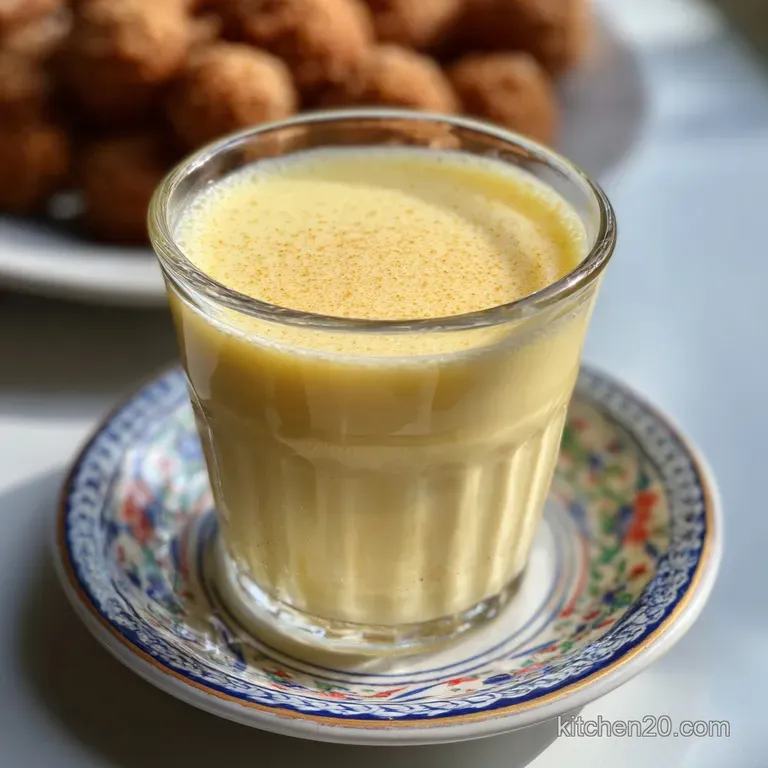
1. Infuse the Dairy
In your saucepan, combine the 2 cups whole milk, 1 cup heavy cream, 0.5 tsp salt, 0.5 tsp cinnamon, and 1 tsp freshly grated nutmeg. Set the heat to medium low. You want to see tiny bubbles forming around the edges this is "scalding" but don't let it reach a rolling boil.
Note: This step activates the spices and prepares the dairy for the eggs.
2. Prepare the Yolk Base
While the dairy is heating, whisk the 6 large egg yolks and 0.33 cup maple syrup in a medium bowl. Whisk vigorously until the mixture turns a pale, dusty yellow and thickens slightly. This takes about 2 minutes of manual effort.
3. The Tempering Dance
This is the critical checkpoint. Slow and steady wins. Take a small ladle of the hot milk mixture and slowly drizzle it into the yolks while whisking constantly. Note: This gradually raises the temperature of the eggs so they don't curdle.
4. Continue the Integration
Repeat the tempering process with two more ladles of hot milk. Once the egg mixture feels warm to the touch, slowly pour the tempered eggs back into the main saucepan with the remaining dairy.
5. The Final Thicken
Cook the mixture over medium low heat, stirring constantly with a wooden spoon or silicone spatula. Keep going until the liquid coats the back of the spoon and a finger swiped across it leaves a clear path.
6. Monitor the Temperature
Use your thermometer to check that the mixture has reached 160°F. Do not exceed 170°F, or the proteins will over coagulate.
7. Flavor Finishing
Remove from the heat and stir in the 1 tsp pure vanilla extract and the 2 oz bourbon if you're using it. The alcohol acts as a preservative and a flavor enhancer.
8. The Chill Protocol
Pour the mixture through a fine mesh sieve into a clean bowl or pitcher. Place plastic wrap directly on the surface of the liquid to prevent a "skin" from forming. Chill for at least 3 hours until completely cold and thickened.
9. Aeration (Optional)
Before serving, you can whisk the mixture vigorously or give it a quick pulse in a blender. This introduces air, giving it that classic frothy header.
10. Final Plating
Pour into chilled glasses and top with an extra grating of nutmeg. If you're managing your sugar intake, you might find this Keto Eggnog Recipe is a better fit for your lifestyle.
Resolving Common Custard System Errors
The Mixture is Grainy
This usually happens when the eggs are added too fast or the heat is too high. Those tiny grains are actually "micro scrambled" eggs. It’s a common hurdle when making an easy eggnog recipe for the first time.
The Liquid is Too Thin
If your drink feels more like spiced milk than a rich nog, you likely didn't cook it long enough. The proteins need time and a specific temperature to create the lattice structure required for thickness.
| Problem | Root Cause | Solution |
|---|---|---|
| Curdling/Lumps | Thermal shock to yolks | Strain through a fine sieve and blend. |
| Weak Flavor | Cold spices or low-fat | Add a pinch more salt and fresh zest. |
| Separation | Overheating or poor mixing | Re emulsify in a blender for 30 seconds. |
Common Mistakes Checklist
- ✓ Never leave the stove unattended; milk can boil over in seconds.
- ✓ Always use fresh nutmeg; the pre ground stuff lacks the essential oils for a true eggnog flavor.
- ✓ Don't skip the tempering; it's the only way to ensure a smooth texture.
- ✓ Let the mixture chill completely; the flavors need time to "sync" and the texture thickens as it cools.
- ✓ Use a heavy bottomed pot to ensure even heat distribution.
Adjusting the Batch Density
When you need to scale this recipe, it's not always a 1:1 ratio. For a half batch, you'll use 3 yolks and half of all other ingredients. Since you're working with less volume, the heating will happen much faster, so reduce your burner heat by 20% to maintain control.
For double or triple batches, the thermal mass increases significantly. This means it will take much longer to reach the scalding point. I recommend increasing the spices by only 1.5x initially, then tasting and adjusting. Too much nutmeg in a large batch can become medicinal.
If you're making this for a massive party, using a slow cooker on the "low" setting can help keep the mixture at a safe temperature without constant monitoring.
| Servings | Milk/Cream Ratio | Egg Count | Cook Time |
|---|---|---|---|
| 3 People | 1 cup / 0.5 cup | 3 Yolks | 8-10 mins |
| 6 People | 2 cups / 1 cup | 6 Yolks | 15 mins |
| 12 People | 4 cups / 2 cups | 12 Yolks | 25-30 mins |
If you are looking for a way to use this base in other ways, an eggnog pudding recipe is just a matter of adding a bit of cornstarch to this exact mixture during the thickening phase. It’s a great way to recycle leftovers into a completely new dessert interface.
Debunking Festive Liquid Folklore
One common misconception is that the alcohol in eggnog "cooks" or sterilizes the raw eggs. While high proof alcohol does have some preservative properties over long periods (weeks or months), it does not instantly make raw eggs safe for consumption.
That is why we use the cooked custard method here it’s about safety and stability.
Another myth is that you need to fold in whipped egg whites to get a "real" nog. While some older recipes do this, it often leads to a drink that separates quickly and feels "foamy" rather than "creamy." By focusing on the yolk based emulsion, we create a much more consistent and luxurious experience that holds up better in the fridge.
Retention Strategy and Component Recycling
Storage Guidelines
Keep your finished drink in an airtight glass jar or pitcher in the back of the fridge, where the temperature is most stable. It will stay fresh for up to 3 days. I actually think it tastes better on day two because the spices have had more time to fully infuse into the dairy fats.
Do not freeze the liquid nog; the emulsion will break upon thawing, resulting in a grainy, unappealing texture.
Zero Waste Tips
If you find yourself with leftovers, don't even think about pouring them down the drain. This mixture makes an incredible base for French toast or bread pudding. Simply soak your bread in the nog instead of a standard egg wash. Also, don't forget those 6 leftover egg whites!
You can use them to make meringues, a healthy omelet, or even a batch of homemade marshmallows to top your next cup of cocoa.
Optimizing Your Curated Beverage Pairings
This drink is a heavy hitter, so it needs pairings that can either stand up to its richness or cut through it with acidity or salt. A plate of sharp ginger snaps is the classic choice; the spicy bite of the ginger clears the palate between sips of the creamy dairy.
If you're serving this as part of a larger spread, consider a salty element like roasted pecans or even a sharp cheddar cheese. The contrast between the sweet, spiced milk and the savory salt is a total game revolving experience for your taste buds.
For a lighter pairing, a simple tart apple slice can provide the necessary crispness to balance the weight of the heavy cream.
Professional Plating Levels
- Simple: Serve in a glass mug with a light dusting of nutmeg. Perfect for a cozy night in.
| Tweak | Effect |
|---|---|
| Pre chill mug | Keeps drink colder longer |
| Extra salt | Pop of flavor |
- Polished: Use a chilled coupe glass. Garnish with a single long cinnamon stick and a light sprinkle of orange zest to brighten the aroma.
- Restaurant: Serve in a crystal tumbler. Top with a dollop of hand whisked heavy cream and a "burnt" element, like a toasted star anise or a brûléed sugar rim. This creates a multi sensory interface that looks as good as it tastes.
Right then, you're all set to revolutionize your holiday beverage game. Just remember: keep that heat low, keep that whisk moving, and don't forget to enjoy the process. It's about more than just a drink; it's about the connection we make over something crafted by hand. Let's crack on!
Eggnog FAQs
What is eggnog made of?
It's a rich, dairy based beverage. Traditionally, it's made with milk, cream, sugar, whipped eggs, and spices like nutmeg and cinnamon. Many recipes also include alcohol like bourbon or rum.
What does eggnog taste like?
It's creamy, sweet, and warmly spiced. The dominant flavors are rich dairy, sweetness from sugar or syrup, and the distinct aroma of nutmeg. If alcohol is added, it adds a subtle warmth and complexity.
Does eggnog have alcohol in it?
Traditionally, yes, but not always. Many classic recipes include spirits like bourbon, rum, or brandy for flavor and preservation. However, non-alcoholic versions are also very popular and just as delicious.
Is eggnog uncooked egg?
It can be, but shouldn't be if prepared properly. While some very old recipes may have used raw eggs, modern and safe preparations involve cooking the egg yolks with the dairy mixture to a safe temperature, essentially making it a liquid custard.
Can I substitute milk in eggnog?
Yes, but be mindful of texture. Using lower fat milk will result in a thinner, less rich eggnog. For a closer texture, consider using a full fat oat milk or blending half and-half with whole milk, similar to how we achieve richness in our Creamy Homemade Ice Cream Without Machine: Easy No-Churn Vanilla Treat.
What's the secret to smooth eggnog?
Gentle heating and proper tempering are key. Slowly warming the egg yolks with the hot dairy mixture prevents scrambling, and constant stirring ensures an even temperature. If you enjoyed mastering this controlled heating, see how the same principle of temperature precision applies to Roast Chicken Recipe for perfect results.
How do I make eggnog less sweet?
Reduce the sweetener gradually and taste. Start by using slightly less sugar or maple syrup than the recipe calls for, and then add more in small increments until it reaches your desired sweetness. You might find the tartness of a drink like our Healthy SugarFree Keto Lemonade Recipe: 5 Min Lifesaver offers a refreshing contrast if you prefer less sweetness overall.
Classic Eggnog
Ingredients:
Instructions:
Nutrition Facts:
| Calories | 283 kcal |
|---|---|
| Protein | 6.1 g |
| Fat | 21.8 g |
| Carbs | 16.9 g |
| Fiber | 0.2 g |
| Sugar | 15.4 g |
| Sodium | 215 mg |
