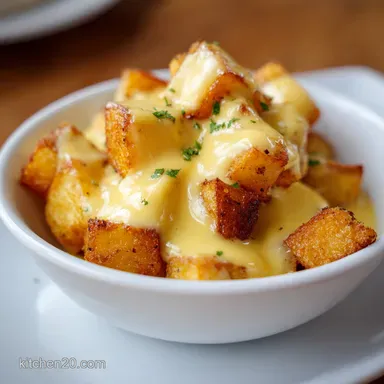
Potatoes Romanoff: Steakhouse Style
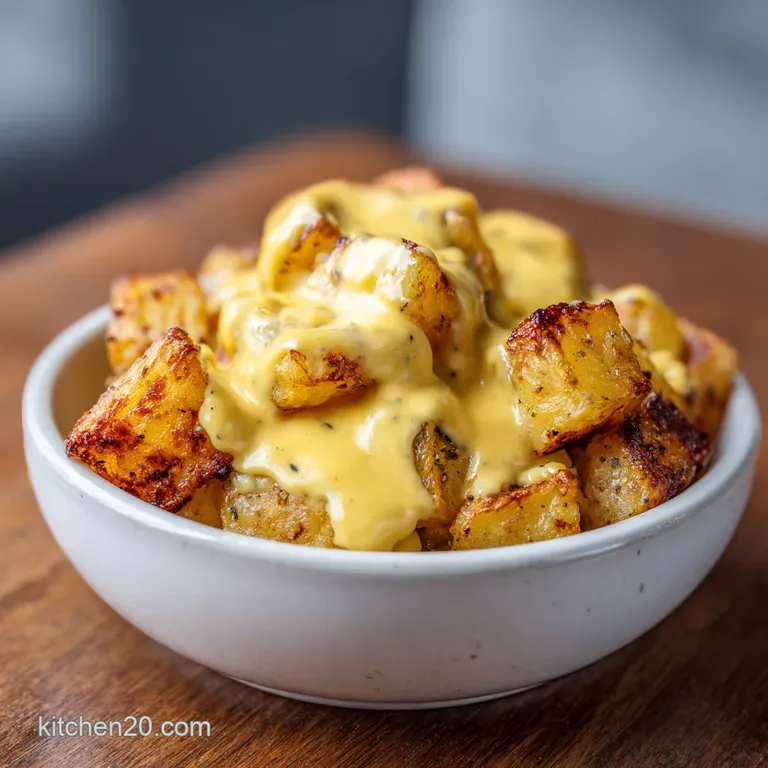
- Time:15 minutes active + 45 minutes cook = Total 60 minutes
- Flavor/Texture Hook: Velvety, cloud like interior with deep gold bubbling edges
- Perfect for: Steakhouse style dinners or a connected family feast
- The Secret to Velvety Potatoes Romanoff
- Essential Specs for Your Platform
- Selecting Elements for Balanced Plates
- Gear for Effortless Potato Prep
- Step by Step Assembly Guide
- Texture Fixes and Kitchen Slip ups
- Creative Twists for Different Profiles
- Keeping Your Leftovers Fresh
- Plating and Color Balance Tips
- Recipe FAQs
- 📝 Recipe Card
The Secret to Velvety Potatoes Romanoff
Have you ever wondered why some steakhouse sides feel like a luxury experience while home versions often turn out like glorified mashed potatoes? I remember the first time I had this dish at a dim lit spot in Chicago. The plate arrived and I actually thought it was a savory cake.
It had this stunning, structured look, but the second my fork hit it, the whole thing just collapsed into a silky, buttery cloud. I spent the next month trying to figure out the exact ratio of cream to potato because my first three tries were either too runny or just plain dry.
The real breakthrough happened when I stopped treating the potatoes as a base and started treating them as a platform. By baking them whole first, you remove the excess moisture that usually makes these dishes soggy.
I realized that the "Romanoff" style isn't just about adding sour cream, it's about the connectivity between the sharp cheddar and the tangy cream. Once I nailed that balance, it revolutionized how I approach all my potato sides.
You can expect a dish that hits every sensory note. You'll get the sharp, aromatic hit of minced shallots, the slow warmth of cayenne, and a texture that is simultaneously light and indulgent. It's not just a side dish, it's the kind of element that makes a simple roast chicken feel like a banquet.
Essential Specs for Your Platform
Before we get into the heat, we need to look at the logic behind the texture. This isn't a random mix of ingredients, it's a calculated balance of moisture and fat.
- Starch Control
- Baking the russets on the rack allows steam to escape, creating a dry, fluffy interior that can absorb the sour cream without becoming gluey.
- Fat Emulsion
- The combination of melted butter and full fat sour cream creates a velvety coating around each potato shred.
- Acid Balance
- Sour cream and shallots provide a necessary tang that cuts through the heavy richness of the cheddar cheese.
- Heat Distribution
- The second bake at a lower temperature ensures the center is hot while the top develops a deep gold hue without burning.
| Method | Time | Texture | Best For |
|---|---|---|---|
| Oven (Standard) | 60 min | Golden crust, fluffy center | Crowds and dinner parties |
| Stovetop (Mash) | 30 min | Silky, uniform, no crust | Quick weeknight sides |
The oven method is the gold standard here. While you can mix these in a pan, you lose that signature bubbling edge that makes this dish feel special. Trust me, the extra 30 minutes in the oven is where the magic happens.
Selecting Elements for Balanced Plates
Getting the right ingredients is like setting up a high performance platform. If one element is off, the whole structure suffers. I've learned the hard way that low-fat sour cream is a disaster here, as it releases water during the second bake, leaving you with a soupy mess.
The Ingredient Deep Dive
| Ingredient | Science Role | Pro Secret |
|---|---|---|
| Russet Potatoes | High starch for fluff | Bake on the rack, never on a tray |
| Full fat Sour Cream | Acid and binding | Use a brand with no added thickeners |
| Sharp Cheddar | Salt and structure | Shred by hand to avoid potato starch clumps |
| Shallots | Aromatic brightness | Mince them as small as possible for even flavor |
The Full Shopping List
- 4 large russet potatoes (approx. 3 lbs / 1.3kg) Why this? High starch content ensures a fluffy, non gummy texture
- 3 tbsp unsalted butter, melted Why this? Adds a rich, nutty base layer
- 1 tsp kosher salt Why this? Enhances all other flavors without over salting
- ½ tsp white pepper Why this? Provides a woody heat without black specks
- 1 cup full fat sour cream Why this? Essential for the velvety texture and tang
- 2 cups sharp cheddar cheese, shredded Why this? Sharpness cuts through the potato starch
- 2 tbsp shallots, finely minced Why this? Adds a sophisticated, onion like brightness
- ¼ tsp cayenne pepper Why this? A tiny kick to wake up the palate
- 2 tbsp fresh chives, chopped Why this? Provides a fresh, green contrast to the gold cheese
| Original Ingredient | Substitute | Why It Works |
|---|---|---|
| Russet Potatoes | Yukon Gold | Waxier texture. Note: Results in a creamier, denser dish |
| Sour Cream | Greek Yogurt | Similar tang and fat. Note: Slightly more tart, less velvety |
| Sharp Cheddar | Gruyère | Nuttier flavor profile. Note: Melts beautifully but is milder |
| Shallots | Red Onion | Similar aromatic base. Note: More pungent; mince very finely |
If you're looking for a different potato experience, you might enjoy the contrast of my crispy fingerling potatoes which focus on a shatter crisp exterior rather than this velvety interior.
Gear for Effortless Potato Prep
You don't need a professional kitchen, but a few specific tools make the process way smoother. I used to try and mash these with a fork, but it took forever and left chunks. Now, I use a handheld masher or a sturdy whisk for that "cloud" effect.
The most important piece of gear is actually the oven rack. By placing the potatoes directly on the metal wires, you ensure that air circulates 360 degrees around the skin. This prevents the bottoms from getting soggy and helps the inside dry out, which is the secret to that fluffy Romanoff texture.
For the final stage, a ceramic or glass baking dish works best. These materials hold heat evenly, which helps the cheddar cheese melt into a consistent, golden layer without scorching the bottom of the potatoes.
Step by step Assembly Guide
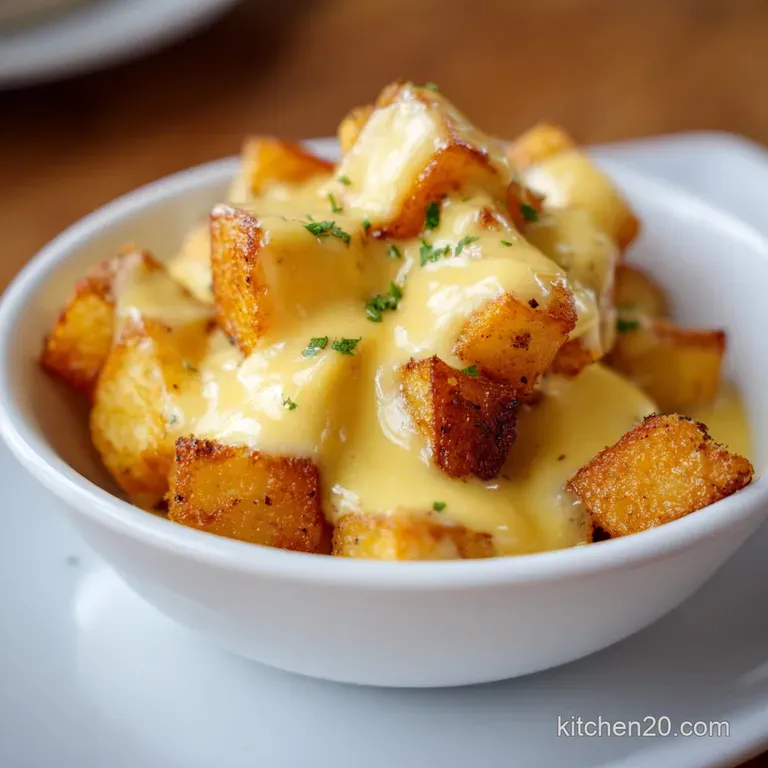
Right then, let's crack on. Follow these steps closely, especially the temperature changes, to get that steakhouse result.
- Preheat oven to 400°F (200°C). Prick the russet potatoes with a fork and bake them directly on the rack for 45-60 minutes until the skin is papery and the center is tender.
- Once cooled slightly, slice the potatoes open and scoop the flesh into a bowl. Note: Leave a thin layer of skin to make scooping easier
- Shred or mash the potato flesh until fluffy, then toss with melted butter, salt, and white pepper.
- In a large mixing bowl, combine the shredded potatoes with the sour cream, minced shallots, and cayenne pepper.
- Gently fold in 1.5 cups of the shredded cheddar cheese until the potatoes are completely enveloped in the cream mixture. Note: Don't overmix or the potatoes will become gluey
- Spoon the mixture into a greased baking dish, smoothing the top with a spatula but leaving it slightly uneven for browning.
- Sprinkle the remaining ½ cup of cheddar cheese over the top.
- Bake at 375°F (190°C) for 20-25 minutes until the edges are bubbling and the top has reached a deep gold hue.
- Garnish with chopped fresh chives before serving.
Chef's Tip: For an even deeper flavor, freeze your butter for 10 minutes before grating it into the hot potatoes. This creates tiny pockets of fat that melt slowly, ensuring a more velvety finish.
Texture Fixes and Kitchen Slip ups
Even for seasoned cooks, potatoes can be temperamental. The most common issue I see is the "soup effect," where the dish looks more like a stew than a casserole. This usually happens because of moisture migration from the sour cream or under baked potatoes.
Dealing with Watery Texture
If your potatoes look wet after mixing, you likely didn't bake the russets long enough in the first stage. The interior needs to be almost dry to the touch. If you're already in the mixing stage and it's too wet, add a tablespoon of cornstarch or a bit more shredded cheese to help bind the liquid.
| Problem | Root Cause | Solution |
|---|---|---|
| Soupy Bottom | Sour cream released water | Bake russets longer; use full fat cream |
| Gluey Texture | Over mixing the potatoes | Fold gently; don't use a food processor |
| Pale Top | Oven temp too low | Move rack to top shelf for last 5 mins |
To keep your dish in top shape, keep this checklist handy:
- ✓ Pat the potatoes dry before the first bake.
- ✓ Use a fork to prick the skin in at least 5 places.
- ✓ Hand shred your cheese to avoid anti clumping agents.
- ✓ Ensure the sour cream is at room temperature before mixing.
- ✓ Avoid over stirring after adding the cheese.
Creative Twists for Different Profiles
Once you've mastered the classic, you can use this recipe as a platform for other flavors. I love experimenting with the "aromatic" part of the recipe. Instead of shallots, you can use roasted garlic for a deeper, more savory punch.
If you want a smokier vibe, try adding a teaspoon of smoked paprika to the butter. It pairs beautifully with the sharp cheddar and gives the dish a rustic, campfire feel. For those who prefer a more traditional "Romanoff" variation, you can swap half of the sour cream for cottage cheese.
This adds a slight graininess but increases the protein and brings a different kind of richness.
Decision Shortcut for Customizing
- If you want a bolder flavor, use an extra sharp aged cheddar and double the shallots.
- If you want a lighter feel, substitute 1/2 cup of sour cream with Greek yogurt.
- If you want more heat, swap the white pepper for a pinch of chipotle powder.
Keeping Your Leftovers Fresh
Potatoes are great for meal prep, but they can get dense if not handled correctly. For the best results, store your leftovers in an airtight container in the fridge for up to 4 days.
When it comes to freezing, I'm a bit cautious. The sour cream can separate, leading to a grainy texture. However, if you really need to freeze them, do so for up to 2 months. To reheat, avoid the microwave, which can make the potatoes rubbery.
Instead, put them back in the oven at 325°F (160°C) with a tiny splash of milk or cream on top to restore the velvety moisture.
For more tips on managing potato prep for the week, check out my guide on twice baked potatoes for a similar make-ahead approach.
Zero Waste Potato Tips
Don't toss those potato skins! While we scoop the insides for this recipe, the skins are a goldmine. Toss the leftover peels with a bit of olive oil, salt, and paprika, then bake them at 400°F (200°C) for 10 minutes.
You'll have a crispy, salty snack that's a perfect companion to the main meal.
Plating and Color Balance Tips
This is where we turn a side dish into a masterpiece. The secret to a high end look is color balance. Because the main body of the dish is a creamy white and gold, we need contrasting accents to make it pop.
- 1. Deep Gold
- The baked cheddar creates the foundation. Make sure you get those bubbling, browned edges.
- 2. Velvety White
- The peaks of sour cream and potato flesh provide a clean, bright contrast.
- 3. Vibrant Green
- Fresh chives are non negotiable. Add them at the very last second so they stay bright green and don't wilt from the heat.
When serving, use a wide, shallow bowl. Spoon a generous portion into the center, allowing the edges to naturally slump. This creates a "mountain" effect that looks inviting. The pop of green chives against the gold crust is what signals to your guests that this is a thoughtfully prepared dish.
It's a small detail, but it revolutionizes the entire presentation.
Recipe FAQs
What exactly is Potato Romanoff?
A rich, baked potato casserole. It features mashed russet potatoes folded with sour cream, cheddar cheese, shallots, and a hint of cayenne, then baked until golden.
What is the history of Potatoes Romanoff?
It is named after the Russian Romanov dynasty. The dish reflects the luxury of the imperial court by combining humble root vegetables with lavish amounts of butter and cream.
Is it true that Romanoff potatoes must be served cold?
No, this is a common misconception. While some variations are served as a cold salad, this version is baked at 375°F (190°C) for 20-25 minutes to create a bubbling, hot gratin.
How to keep the potato mixture from becoming watery?
Bake the potatoes directly on the oven rack. This allows moisture to escape the skins at 400°F (200°C), ensuring the flesh stays fluffy before mixing in the sour cream.
Can I use Yukon Gold potatoes instead of Russets?
No, stick with Russets. Their high starch content is essential for a fluffy texture; if you enjoyed mastering this texture control, see how we balance fats for a crisp top in our brown butter stuffing.
How to achieve a deep gold crust on top?
Leave the top surface slightly uneven. Creating peaks and valleys with your spatula allows the cheddar cheese to brown more effectively during the 375°F (190°C) bake.
How to reheat leftover Potatoes Romanoff?
Cover with foil and bake at 325°F. Heat until warmed through to prevent the cheese from drying out or the sour cream from separating.
Potatoes Romanoff with Sour Cream: Golden and Velvety Result