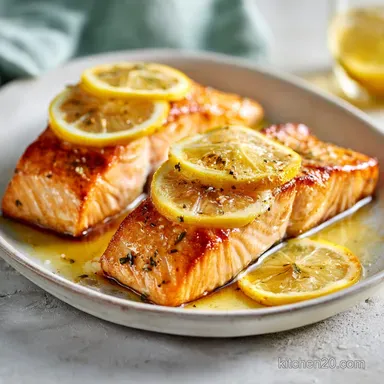
Grilled Salmon Summer Meal: Fresh and Tender
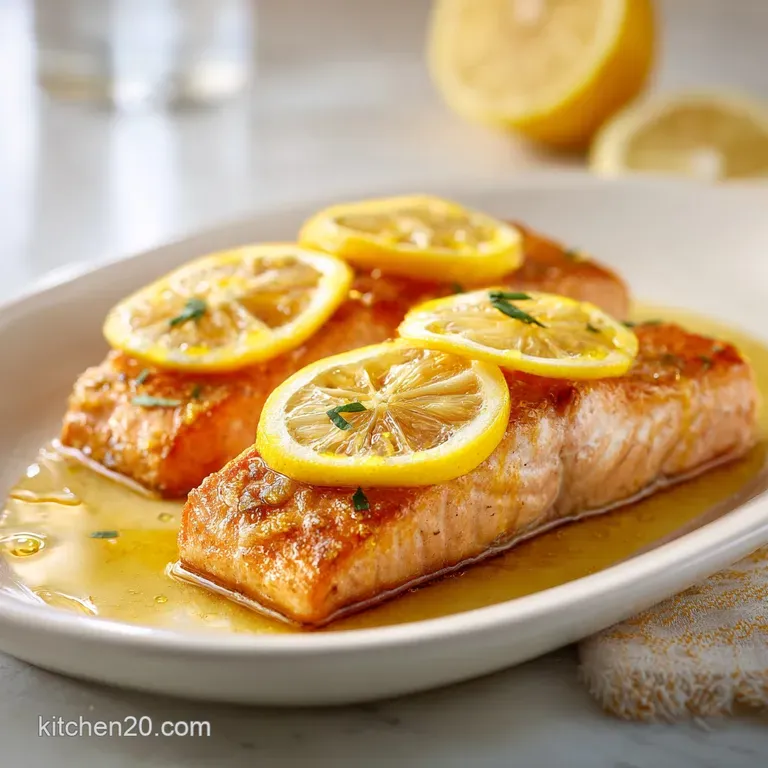
- Time:15 minutes prep + 10 minutes cook = Total 45 minutes (including marinating)
- Flavor/Texture Hook: Flaky, buttery salmon paired with a crisp, salty feta salad
- Perfect for: Easy summer dinners and healthy weeknight meal prep
- Light and Fresh Summer Meal with Grilled Salmon
- Why This Salmon Stays Juicy
- Choosing Your Cooking Method
- The Essential Component List
- Minimal Tool Kit
- Grilled Salmon Step-by-Step
- Fixing Common Salmon Errors
- Fresh Flavor Twists
- Adjusting for Different Crowd Sizes
- Debunking Salmon Myths
- Storing Your Leftovers
- The Best Side Pairings
- Recipe FAQs
- 📝 Recipe Card
Light and Fresh Summer Meal with Grilled Salmon
The sound of salmon hitting a scorching hot grill is a specific kind of music. It is that aggressive, immediate sizzle that tells you a mahogany crust is forming. I remember the first time I tried to recreate the vibe of a coastal Mediterranean dinner in my own backyard.
I wanted something that didn't feel heavy, something that tasted like a breeze on a hot July afternoon. Discover the perfect light and fresh summer meal with grilled salmon.
For a long time, I thought "healthy" meant bland. I used to over steam my fish until it was dry and tasteless. But the secret to a Greek salmon Mediterranean dish is all about the contrast. You want the fish to be hot and flaky, while the salad stays ice cold and punchy.
It is a balance of temperature and texture that makes this feel like a restaurant meal without the effort.
This recipe is built for the busy cook. We are keeping the tools minimal and the steps streamlined. No fancy sous vide machines or complicated emulsions here. Just a grill, a bowl, and some fresh produce. It is designed to get you out of the kitchen and back to your guests as quickly as possible.
Why This Salmon Stays Juicy
Since we are working with a lean to medium fat protein, the goal is to avoid the "dry salmon" trap. I have spent way too many nights eating fish that felt like cardboard because I didn't understand the heat.
Moisture Shield: Patting the fish dry allows the oil to create a barrier, preventing the salmon from sticking and locking in juices.
Thermal Balance: Letting the fillets sit at room temperature for 15-20 minutes ensures the center cooks at the same rate as the exterior.
Acid Timing: Adding lemon juice to the marinade helps break down tough fibers, but we keep it short so the acid doesn't "cook" the fish before it hits the grill.
Carryover Heat: Removing the fish at 135°F allows the internal temperature to rise to a perfect medium while resting, preventing overcooking.
Choosing Your Cooking Method
Depending on your gear, you might want to pivot. While the grill is the gold standard for a summer salmon marinade, you have options.
| Method | Time | Texture | Best For |
|---|---|---|---|
| Outdoor Grill | 10 min | Charred and smoky | Authentic summer vibes |
| Cast Iron Pan | 12 min | Deeply browned crust | Rainy days/Indoor |
| Air Fryer | 8-12 min | Evenly cooked | Single servings |
If you are using an air fryer, just remember that the airflow is different. You won't get those beautiful grill marks, but you'll get a very consistent flake. For those who love a bit more variety in their seafood, you might also enjoy a Grilled Sea Bass recipe which uses similar over high heat principles.
The Essential Component List
I like to keep my ingredients simple. There is no need for twenty different spices when lemon, garlic, and oregano do the heavy lifting.
| Ingredient | Science Role | Pro Secret |
|---|---|---|
| Salmon Fillets | Omega-3 Fat Source | Skin on is non negotiable for texture |
| Lemon Juice | pH Balancer | Use fresh lemons, never the bottled stuff |
| Feta Cheese | Salty Contrast | Buy the block in brine for more creaminess |
| Baby Arugula | Bitter Note | Toss last to prevent wilting |
The Main Elements
- 4 salmon fillets, 6 oz each Why this? Standard size for even cooking
- 3 tbsp extra virgin olive oil Why this? High smoke point for grilling
- 2 tbsp fresh lemon juice Why this? Brightens the fatty fish
- 2 cloves garlic, minced Why this? Adds depth to the crust
- 1 tsp dried oregano Why this? Classic Mediterranean profile
- 1/2 tsp salt Why this? Enhances all other flavors
- 1/4 tsp cracked black pepper Why this? Adds a subtle bite
For the Fresh Salad
- 4 cups baby arugula or mixed greens Why this? Peppery base for the meal
- 1 cup cherry tomatoes, halved Why this? Bursts of sweetness
- 1 English cucumber, 1/2 inch diced Why this? Maximum crunch
- 1/4 cup red onion, thinly sliced Why this? Sharp contrast to the feta
- 1/4 cup crumbled feta cheese Why this? Tangy and salty
- 2 tbsp olive oil Why this? Carries the vinegar
- 1 tbsp red wine vinegar Why this? Sharp, clean acidity
Ingredient Swaps
| Original Ingredient | Substitute | Why It Works |
|---|---|---|
| Salmon | Steelhead Trout | Similar fat content. Note: Slightly milder flavor |
| Arugula | Baby Spinach | Mild sweetness. Note: Less "peppery" than arugula |
| Feta Cheese | Goat Cheese | Creamy and tangy. Note: Softer texture, less salt |
| Red Wine Vinegar | Apple Cider Vinegar | Fruitier acidity. Note: Slightly sweeter profile |
Between these swaps, you can easily turn this into a different version of a light salmon recipe. The key is maintaining that acid fat balance.
Minimal Tool Kit
You don't need a professional kitchen to pull this off. In fact, the fewer tools you use, the less cleanup you have to do after a long day.
- Outdoor Grill: Gas or charcoal works, just ensure the grates are clean.
- Fish Spatula: This is a thin, flexible tool. It is essential because salmon can be fragile when flipping.
- Instant Read Thermometer: The only way to guarantee you don't overcook the fish.
- Mixing Bowl: For the marinade and the salad.
- Paper Towels: For the critical drying step.
Grilled Salmon step-by-step
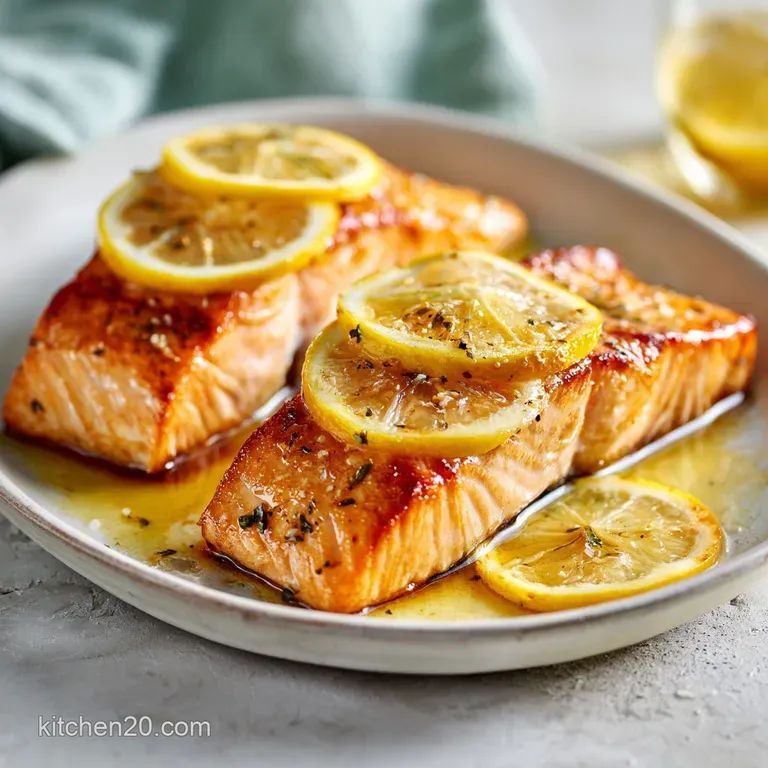
Now we get into the actual work. Follow these steps closely, and pay attention to the sensory cues. That is how you know when the fish is actually ready.
Phase 1: Prepping and Marinating
- Pat the salmon fillets completely dry with paper towels. Note: Moisture on the surface creates steam, which prevents that mahogany crust from forming.
- In a bowl, whisk together the olive oil, lemon juice, garlic, oregano, salt, and pepper.
- Toss the fillets in the marinade and let them sit at room temperature for 15 to 20 minutes. Note: This prevents the "cold center" problem where the outside burns and the inside is raw.
Phase 2: Mastering the Grill
- Preheat your outdoor grill to medium high heat (approximately 375°F/190°C).
- Lightly oil the grill grates using a folded paper towel dipped in oil held by tongs. Note: This creates a non stick surface for the delicate skin.
- Place fillets skin side down and press gently for 5 seconds. Grill for 4 to 5 minutes without moving them until you see the edges turning opaque and the skin releases easily.
- Carefully flip the fillets using a fish spatula and grill for another 3 to 4 minutes.
- Remove the salmon from the heat when the internal temperature reaches 135°F. Note: The temperature will rise to 140-145°F while resting.
Phase 3: Assembling the Fresh Meal
- Prepare the side salad by combining arugula, cherry tomatoes, diced cucumber, red onion, and crumbled feta cheese.
- Drizzle with olive oil and red wine vinegar, then toss gently. Note: Do this right before serving so the greens stay crisp and don't wilt from the acid.
Fixing Common Salmon Errors
Even experienced cooks mess up salmon. It is a temperamental fish that can go from "velvety" to "chalky" in about sixty seconds.
Why Your Salmon is Sticking
If the fish clings to the grill, it is usually because the grate wasn't hot enough or the skin was damp. When the proteins bond to the metal, they create a physical glue. If it sticks, don't force it. Give it another minute; usually, the fish will "release" itself once the crust has formed.
Why Your Fish is Dry
Overcooking is the number one enemy. If you wait until the fish looks "done" on the outside, the carryover heat will push it into the danger zone. Always pull the fish at 135°F.
If you see white protein (albumin) leaking out of the sides, it is a sign the muscle fibers are contracting too tightly from excessive heat.
| Problem | Root Cause | Solution |
|---|---|---|
| Salmon sticks to grill | Grate too cold or fish damp | Pat drier and preheat longer |
| White gunk on salmon | Overcooking/Too high heat | Pull at 135°F internal temp |
| Bland taste | Under seasoned or low acid | Add a squeeze of fresh lemon at end |
Essential Success Checklist
- ✓ Pat salmon completely dry before marinating
- ✓ Ensure grill is 375°F before the fish hits the grate
- ✓ Do not move the fish for the first 4 minutes
- ✓ Use a fish spatula to avoid tearing the fillet
- ✓ Pull the fish at 135°F for a medium finish
Fresh Flavor Twists
Once you have the base down, you can play with the flavors. This is where you can turn one recipe into a week of easy summer dinners.
Global Flavor Twists
If you want to move away from the Mediterranean vibe, try a honey soy glaze. Replace the lemon and oregano with 2 tbsp soy sauce, 1 tbsp honey, and a pinch of ginger. It gives the salmon a sticky, caramelized finish that pairs well with a cucumber sesame salad.
Another great option is a blackened style using paprika, cayenne, and thyme for a spicy, smoky kick.
Diet Swaps
For a dairy-free version, simply omit the feta or swap it for avocado chunks. Avocado provides that same creamy richness but adds healthy fats. If you are avoiding nightshades, replace the cherry tomatoes with sliced radishes for a similar pop of color and a bit of peppery crunch.
Adjusting for Different Crowd Sizes
Scaling salmon is different than scaling a stew. You can't just double the time, or you'll burn the fish.
Scaling Down (2 people)
If you are just cooking for two, use two 6 oz fillets. The marinade remains the same, but you'll have a bit left over. Reduce the salad quantities by half. Be careful with the grill space; since there is more open air, the grill may lose heat faster, so keep the lid closed more often.
Scaling Up (8 people)
When doubling the recipe, do not crowd the grill. If the fillets are touching, they will steam instead of sear, and you'll lose that mahogany crust. Work in batches. For the marinade, increase the salt and oregano to 1.5x rather than 2x to avoid over seasoning.
The salad can be prepped in a giant bowl, but dress it in smaller batches to keep the arugula fresh.
| Servings | Salmon Amount | Pan/Grill Space | Prep Time |
|---|---|---|---|
| 2 People | 2 fillets (12 oz) | Small section | 10 minutes |
| 4 People | 4 fillets (24 oz) | Full grill rack | 15 minutes |
| 8 People | 8 fillets (48 oz) | 2 batches | 25 minutes |
Debunking Salmon Myths
There are a lot of "rules" about fish that just aren't true. Let's clear some of those up.
Searing fish does not "seal in the juices." This is a common myth. Searing is about flavor and texture (the Maillard reaction), not about creating a waterproof barrier. Moisture loss happens regardless of how you sear it; the key is the internal temperature.
Another myth is that you must cook salmon until it is opaque all the way through. In reality, a slightly translucent center is where the best texture lives. If you cook it until it is opaque, you've likely overshot the mark and lost that velvety mouthfeel.
Storing Your Leftovers
Salmon is one of those dishes that can be tricky to store because the texture changes once it cools. However, it is still great for meal prep.
Fridge and Freezer Storage
Store cooked salmon and the salad separately. The salmon will stay good in an airtight container for 3 days in the fridge. The salad, however, will wilt. Store the dressed greens for 24 hours max, or store the vegetables without dressing for up to 4 days.
I don't recommend freezing cooked salmon, as the texture becomes grainy and dry upon thawing.
Reheating Specifics
Avoid the microwave if you can. It turns salmon into rubber. The best way to reheat is in a toaster oven or a pan over low heat with a tiny bit of butter or olive oil. Heat it just until warmed through, about 3-5 minutes.
If you have the salad left over, just add a fresh squeeze of lemon to wake up the flavors.
Zero Waste Tips
Don't toss your cucumber ends or the lemon hulls. I love to put cucumber scraps in a water pitcher in the fridge for a refreshing infused drink. The lemon zest can be frozen in a small container and added to pastas or rice later.
If you have leftover feta and arugula, toss them into an omelet the next morning for a Mediterranean breakfast.
The Best Side Pairings
While the arugula salad is the star here, sometimes you want something more substantial to round out the meal.
The Hearty Addition
If you are serving this to someone with a bigger appetite, add a side of quinoa or farro. Grains soak up the leftover lemon garlic marinade from the plate and add a nutty flavor that complements the fish. A simple side of roasted asparagus also works beautifully, as it mimics the charred flavor of the grill.
The Fresh Side
For an even more variety filled table, pair this with a tangy kidney bean salad recipe. The creaminess of the beans and the sharp vinegary notes play off the buttery salmon perfectly. It turns a simple dinner into a full blown summer feast.
Right then, you've got everything you need. This meal is all about efficiency and fresh ingredients. Get that grill hot, pat your fish dry, and enjoy the summer. Trust me on this, the 135°F pull temperature is the secret to a meal that actually tastes like it came from a professional kitchen.
Let's crack on!
Recipe FAQs
What to serve with grilled salmon in summer?
A fresh arugula salad with feta and cherry tomatoes. The acidity of the red wine vinegar and the saltiness of the feta balance the rich oils of the grilled fish.
What's a good meal with salmon?
Pair the fillets with a crisp cucumber and red onion mix. If you enjoyed the flavor balancing here, see how we use a similar acid technique in our Argentine chimichurri.
Is salmon fillet good for cholesterol?
Yes, salmon is rich in omega-3 fatty acids. These healthy fats help lower triglycerides and support overall heart health.
How to prevent salmon from sticking to the grill?
Lightly oil the grill grates using a folded paper towel held by tongs. Pat the fillets completely dry before marinating to ensure a mahogany colored crust forms, which helps the fish release easily.
Is it true that you should grill salmon skin side up first?
No, this is a common misconception. Place fillets skin side down and press gently for 5 seconds to prevent the fish from curling and to ensure a crisp texture.
How to tell when the salmon is perfectly cooked?
Check for an internal temperature of 135°F with a meat thermometer. Remove the fillets from the heat immediately at this temperature to maintain a moist, tender texture.
How to store leftovers for meal prep?
Place cooled salmon in an airtight container in the refrigerator. Because the texture changes as it cools, these fillets are ideal for cold summer salads the next day.
Grilled Salmon Summer Meal