Creamy Lemondill Baked Salmon the 20Minute Weeknight Wonder
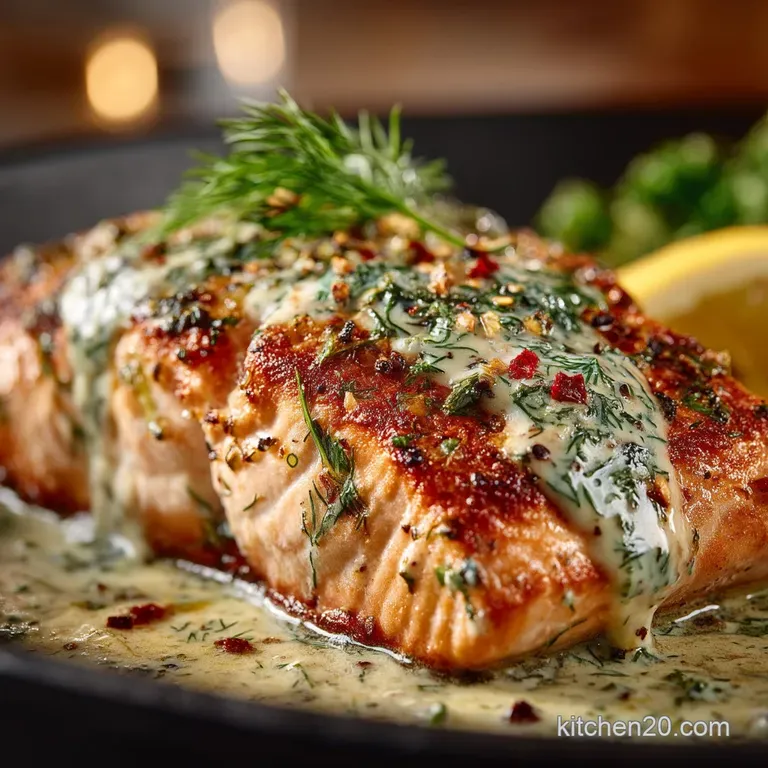
The Weeknight Hero: Why You Need This Creamy Salmon Now
Salmon is inherently a magnificent ingredient, but we’re taking it from simple weeknight fare to genuinely luxurious with the addition of a tangy, creamy cap. This recipe for Sour Cream Baked Salmon is an absolute game changer, especially for busy cooks who still crave elegance.
The technique involves creating a protective blanket of seasoned sour cream that locks in the fish’s natural oils, preventing the dry, dull results that sometimes plague baked seafood.
When you see how quickly this comes together just about 25 to 30 minutes from fridge to plate you’ll understand why this method is my go-to for rich, satisfying flavor.
It’s comforting, sophisticated, and guaranteed to impress even the pickiest eaters, making it the perfect Oven Baked Salmon With Sour Cream .
Why This is the Easiest Sour Cream Baked Salmon Recipe
Despite its restaurant quality appearance and flavor profile, the process is incredibly straightforward. This preparation requires virtually no advanced culinary skill; if you can mix ingredients in a bowl and operate an oven, you can master this dish.
The beauty of this approach lies in its minimal active time only about 10 minutes of preparation before it slides into the oven. This ease makes it a true contender for the title of the easy sour cream baked salmon champion.
A Deep Dive into the Sour Cream Difference
One of the most frequent questions I receive when sharing this method is: Can you put sour cream on salmon and bake it without it splitting? The answer is a resounding yes, provided you use full fat sour cream.
Unlike lower fat dairy products, full fat sour cream contains enough stabilizing milk solids and fat that it won't curdle or separate under the heat of a 400° F ( 200° C) oven.
Instead, it melts slightly and thickens, transforming into a glorious, savory sour cream sauce for baked salmon right on top of the fillet. We enhance this base with fresh dill, bright lemon zest, and a hint of Dijon mustard, resulting in a vibrant and deeply flavorful coating.
Beyond Dry Fish: Ensuring Ultimate Moisture
The primary challenge when cooking seafood in the oven is maintaining moisture, especially with leaner proteins like salmon. When we spread the thick, dense sour cream mixture over the fillet, it acts as a thermal shield.
This covering prevents the direct, searing heat of the oven from drying out the delicate fish flesh. The result is a self saucing, impossibly tender fillet. This approach to Baked Salmon With Cream Sauce effectively steams the fish gently underneath the topping while simultaneously creating a rich, savory crust on top, ensuring perfect flakiness every single time.
Quick Prep, Impressive Results: The 20-Minute Promise
The total active cooking time for this recipe is remarkably brief, falling squarely within the 20-minute window. We preheat the oven to 400° F ( 200° C), which is hot enough to cook the fish quickly and set the sour cream salmon oven topping without burning it.
Because the prep focuses simply on mixing the topping ingredients the 3/4 cup of sour cream, dill, garlic, and citrus and seasoning the fish, you are assembled and ready to bake in under 10 minutes.
The high heat ensures that the average 6-ounce (175g) fillet is perfectly cooked in 15 to 18 minutes.
Related Recipes Worth Trying
- Best Ever Moist Carrot Cake Recipe with Tangy Cream Cheese Frosting — Say goodbye to dry bakes This Ultimate Moist Carrot Cake Recipe uses brown sugar and oil for a tender crumb topped with the perfect zesty cream cheese frosting
- The Moist Layered Carrot Cake with Tangy Cream Cheese Frosting — This is a proper champion Our layered Carrot Cake recipe delivers a spectacularly moist crumb thanks to pineapple topped with the tangiest cream cheese...
- Ace Homemade Whipped Cream Easy 3Ingredient Recipe for Stiff Peaks — Learn how to make foolproof velvety homemade whipped cream in minutes This easy 3 ingredient recipe uses powdered sugar for stable stiff peaks every time...
Gathering Your Culinary Tools and Ingredients
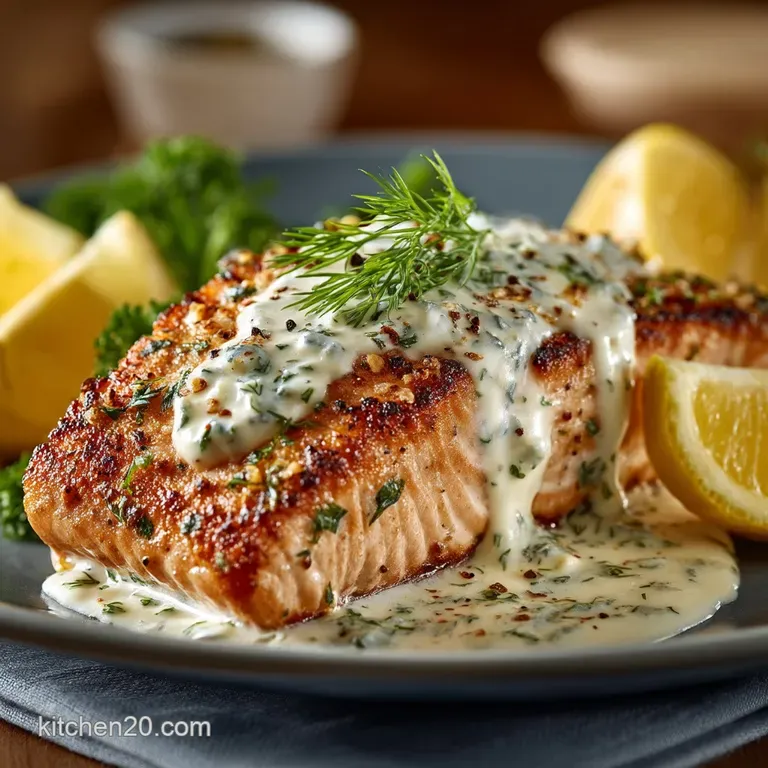
Success in this recipe hinges on selecting quality ingredients and having a few key tools ready, which dramatically simplifies the cooking process.
Selecting the Freshest Salmon Fillets
For the best texture and flavor in this salmon sour cream recipe , aim for four centre cut salmon fillets, each weighing approximately 6 ounces (175g). Center cut pieces offer consistent thickness, which is vital for even cooking.
Whether you choose skin-on or skin off is a matter of preference; the skin helps keep the fillet intact and makes for easier removal from the pan. Crucially, before applying any seasoning or topping, ensure you pat the fish thoroughly dry with paper towels to help the seasoning adhere and prevent steaming.
Essential Pantry Items for the Tangy Topping
The creamy topping requires just a few components, but the quality of each ingredient matters immensely. You will need 3/4 cup of full fat sour cream, which is non-negotiable for stability.
For the signature bright flavor, we incorporate 3 tablespoons of finely chopped fresh dill, making this the classic sour cream dill baked salmon . A microplane should be used to gather the zest of one lemon, ensuring intense citrus aroma without the bitter white pith.
Rounding out the flavor are two cloves of minced garlic, one teaspoon of Dijon mustard, and basic salt and pepper.
Required Equipment for Perfect Oven Baking
You’ll need a 9x13 inch standard baking dish, or alternatively, a sheet pan lined with parchment paper for the easiest cleanup. A small mixing bowl is essential for whipping up the rich topping.
The single most important tool, which eliminates guesswork and guarantees a juicy result, is an instant read thermometer. This allows you to accurately pull the fish at the exact moment of perfection.
step-by-step Guide to Baking Perfection
We move now from preparation to execution, following a simple five step process that guarantees a flawless finish.
Preparing the Luxurious Sour Cream Blanket
Before seasoning the fish, combine the ingredients for the topping. In a small bowl, whisk together the full fat sour cream, the packed fresh dill, the bright lemon zest, the teaspoon of lemon juice, the Dijon mustard, and the finely minced garlic.
Give the mixture a taste and adjust the seasoning with a pinch of salt and pepper. This mixture should be thick, creamy, and vibrant it will be spread generously over the fillets, much like frosting a cake.
Seasoning the Fillets: Achieving Flavor Depth
With the oven preheated to 400° F ( 200° C) and the baking dish lightly oiled or lined, place your dry, prepared salmon fillets inside. Season the top and sides of the fish liberally with salt and freshly ground black pepper.
This initial seasoning is crucial; it ensures the flavor penetrates the meat itself, rather than relying solely on the Sour Cream Baked Salmon topping for all the flavor.
Once seasoned, spoon the sour cream mixture evenly across the surface of each fillet, ensuring the entire piece of fish is covered.
When Is It Done? Identifying Internal Temperature
The total bake time will range from 15 to 18 minutes, depending on the exact thickness of your fillets. The only way to know definitively that your salmon is perfectly cooked and not overdone is by using an instant read thermometer. Insert the probe into the thickest part of the fish.
You should aim to remove the salmon from the oven when it registers 140– 145° F (60– 63° C). The fish will continue to cook as it rests, ensuring it reaches the desired safe eating temperature while remaining exquisitely tender.
Mastering the Perfect Flake: The Sour Cream Baked Salmon Secret
Once removed from the oven, let the dish rest on the counter for five minutes. During this period of carry over cooking, the internal structure of the fish relaxes, making it incredibly tender.
The surface of the sour cream will have browned slightly, forming a rich, savory crust over the perfectly opaque and flaky salmon underneath. Serve immediately, perhaps with a sprinkle of extra fresh dill and a lemon wedge, showcasing the beautiful result of this easy Salmon And Sour Cream Recipes method.
Troubleshooting, Pairings, and Recipe Customizations
One of the great joys of cooking is customization, and this robust base allows for endless variations.
Flavor Swaps: Customizing Your Herb and Citrus Blend
While the classic sour cream dill baked salmon combination is a crowd pleaser, the recipe is easily adapted. If you want a Mediterranean profile, replace the dill with fresh oregano and a pinch of dried thyme, perhaps mixing in 2 tablespoons of crumbled feta cheese into the sour cream base for saltiness.
For a sharper, French inspired flavor, fresh chives or tarragon are excellent substitutions for dill. For those who enjoy texture, sprinkling 1/4 cup of Panko breadcrumbs mixed with a drizzle of olive oil over the topping just before baking adds a wonderful crunch.
The Best Side Dishes to Serve with Lemon Dill Salmon
Because the salmon is rich and creamy, choosing lighter, fresher sides creates a perfect balance. Simple starches work best: think fluffy Basmati rice to absorb some of the flavorful sauce, or new potatoes tossed in butter and parsley.
For vegetables, opt for crisp textures and green flavors, such as simple steamed asparagus, or a quick sauté of garlicky spinach, brightened with extra lemon juice. These accompaniments ensure the focus remains on the moist, tangy fish.
Storing and Reheating Leftover Sour Cream Baked Salmon
If you have leftovers, they store well in an airtight container in the refrigerator for up to three days. When reheating Sour Cream Baked Salmon , avoid the microwave unless absolutely necessary, as it can quickly dry out the edges of the fish.
The best method is placing the fillet in a low oven (around 300° F / 150° C) covered with foil until just warmed through. This gentle heat preserves the moisture and the integrity of the creamy topping.
Nutritional Breakdown (Calories and Macros)
This dish provides robust nutrition, offering significant lean protein alongside healthy fats, primarily from the salmon and the full fat sour cream used in the creamy topping. Per serving (assuming a 6 oz fillet and 1/4 of the topping), you can expect an estimated 380 420 total calories, with a high protein count of around 40 grams.
Total fat is approximately 25 grams (with about 9 grams saturated fat), and carbohydrates are minimal, around 4 grams. Please note that this is an estimated breakdown; nutritional values will vary based on the specific brands and portion sizes of ingredients used.

Recipe FAQs
Sour cream baked salmon recipes
To ensure your creamy salmon topping remains smooth and doesn't split, always utilize full fat sour cream, as its higher fat content prevents separation under heat. If you need a quick substitution for the fresh dill, use one teaspoon of dried dill or finely chopped fresh chives for a complementary aromatic lift.
Store any cooked leftovers airtight in the refrigerator for up to two days, but serve them cold, as reheating often causes the dairy topping to break.
Salmon and sour cream pasta
To maintain the luscious texture of the sour cream topping, ensure your oven is fully preheated and use only full fat dairy, as low-fat varieties are prone to breaking under high heat. For a depth of flavor, marinate the salmon with salt and pepper for ten minutes before applying the sour cream blanket.
Leftover baked salmon should be stored tightly sealed in the refrigerator for up to three days and reheated gently in a covered dish to prevent drying out.
Sour cream baked salmon with mayonnaise
If you wish to incorporate mayonnaise, substitute up to half of the sour cream to enhance the topping's richness and binding stability. For the creamiest outcome, always choose full fat sour cream or high-quality mayonnaise, as their high fat content ensures the mixture stays emulsified and prevents splitting during baking.
This guarantees the salmon remains impossibly moist beneath a luxurious, unbroken sauce.
Sour cream baked salmon with mayo
For a richer, less tangy topping, you can certainly substitute up to half of the sour cream with full fat mayonnaise; the mayo’s stable emulsion locks in moisture beautifully during baking.
If you opt to use straight mayonnaise, you must counteract its richness by whisking in an extra teaspoon of fresh lemon juice or a dash of Dijon mustard to maintain the necessary bright, complex flavor profile. This ensures the topping remains balanced and does not taste overly heavy against the delicate salmon.
Is sour cream good on salmon?
Sour cream is an absolute game changer for baked salmon, providing a luscious tanginess that ensures the fish stays impossibly moist and tender. For the best culinary result, always opt for full fat sour cream; lower fat substitutes are prone to splitting or curdling when exposed to the high heat of the oven.
Should you require a substitute, thick crème fraîche or high fat Greek yogurt offer the same stable, creamy canopy needed for baking.
Is it better to bake salmon at 350 or 400 in the oven?
For maximum efficiency and moisture retention with a creamy topping, utilize an oven temperature of 400°F. This higher heat ensures the salmon cooks rapidly, usually within 15 to 18 minutes, while the insulating sour cream prevents the flesh from drying out.
To guarantee perfect doneness, always rely on an instant read thermometer and remove the fillets once they reach an internal temperature of 140°F, allowing carryover heat to bring them safely to 145°F during the rest.
Creamy Sour Cream Baked Salmon
Ingredients:
Instructions:
Nutrition Facts:
| Calories | 872 kcal |
|---|---|
| Protein | 12.8 g |
| Fat | 32.1 g |
| Carbs | 31.5 g |
| Fiber | 7.8 g |
| Sodium | 894 mg |
