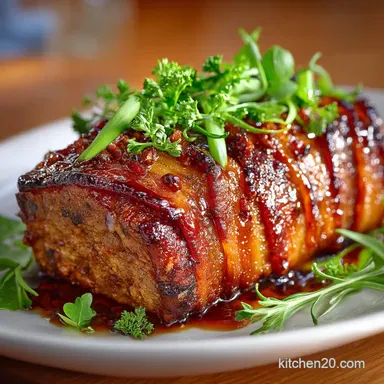
The Weekend Warrior Ultimate Baconwrapped Glazed Meatloaf
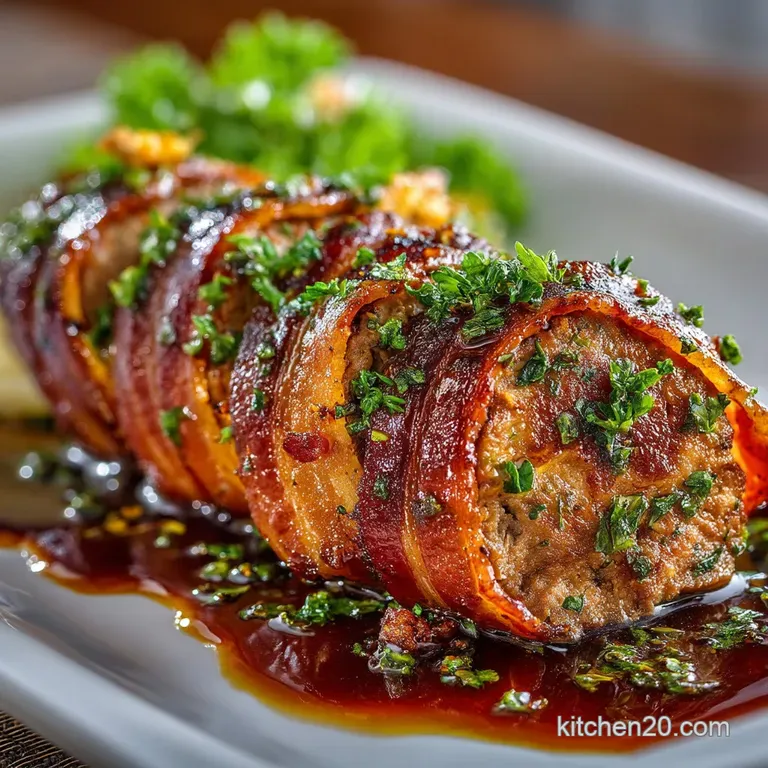
- Unleashing the Flavor: Why Our Ultimate Bacon Wrapped Meatloaf Stands Apart
- The Pantry and Produce Haul: Components for the Perfect Loaf
- Structuring the Masterpiece: Assembly and Preparation Flow
- The Bacon Weave and Bake Cycle: Transforming Raw Ingredients
- Troubleshooting and Pro Tips for a Flawless Result
- Dietary Modifications and Serving Suggestions
- Recipe FAQs
- 📝 Recipe Card
Unleashing the Flavor: Why Our Ultimate Bacon Wrapped Meatloaf Stands Apart
This is not the dry, gray, institutional meatloaf of childhood legend. This is the ultimate comfort food elevated to a stunning centerpiece, delivering on flavor, texture, and visual appeal.
The sheer artistry of a perfectly structured Bacon Wrapped Meatloaf signals that this classic dish has finally gotten the respect it deserves. Our approach transforms the loaf into a tender, moist, and perfectly savory roast that doesn't require hours of fuss, proving that making a delicious bacon wrapped meatloaf recipe easy is entirely achievable with the right techniques.
The key lies in strategic layering: starting with a balanced meat blend, incorporating deep savory notes from sautéed aromatics, and finishing with a caramelized bacon crust that locks in every drop of juice.
Achieving the Perfect Moisture Balance
The foundation of a successful meatloaf is moisture control. We achieve this critical balance by utilizing a precise ratio of ground meats and a thoughtful binder system. We call for 1.5 pounds of 80/20 ground beef, ensuring sufficient fat renders down to keep the loaf succulent, blended with 0.5 pounds of ground pork.
The pork introduces a subtle sweetness and an incredibly tender texture that pure beef often lacks. Our binder utilizes Panko breadcrumbs soaked in whole milk. Panko is superior to standard breadcrumbs because it absorbs liquid effectively without creating a heavy, paste like interior, ensuring the final product remains airy rather than dense.
The addition of two lightly beaten large eggs further stabilizes the mix.
Deconstructing the Glaze: Sweet, Tangy, and Sticky Secrets
A truly great meatloaf requires a glaze that cuts through the richness of the beef and bacon. Our sweet and tangy topper is composed primarily of classic ketchup, but we elevate it with packed light brown sugar for deep molasses notes.
To prevent the glaze from becoming cloyingly sweet, we incorporate a critical tablespoon of apple cider vinegar, providing necessary acidity. A final touch of smoked paprika adds depth and a subtle hint of smokiness, enhancing the "Meatloaf With Brown Sugar And Ketchup" combination into a truly signature finish.
The Pantry and Produce Haul: Components for the Perfect Loaf
Building this masterpiece starts with high-quality ingredients ready for assembly. We focus on fresh aromatics and the right cuts of meat to ensure success before the loaf even enters the oven.
Choosing Your Ground Meats: Beef, Pork, and the Magic Ratio
As noted, the blend is non-negotiable for maximum flavor and texture. We use a 3:1 ratio of ground beef (80/20) to ground pork. This combination gives you the rich, primal flavor of beef while the pork lends necessary lightness and prevents the loaf from becoming chewy.
When seeking out ingredients for your own Bacon Wrapped Meatloaf , always select fresh, brightly colored ground meats.
Aromatics and Binders: The Secret to a Firm, Flavorful Structure
The aromatics one small yellow onion and three cloves of garlic must be finely diced and sautéed in butter before being added to the mix. This step is essential; cooking them down softens their flavor and removes excess moisture that would otherwise steam the interior of your loaf.
For binding and seasoning, ensure you have whole milk, ¾ cup of Panko, robust Worcestershire sauce, a dab of Dijon mustard, dried thyme, Kosher salt, and freshly cracked black pepper on hand to maximize the savory profile.
Essential Kitchen Hardware for Meatloaf Success
While the ingredients are important, specialized equipment ensures professional results. Beyond the standard large mixing bowl and skillet, a baking sheet paired with a wire cooling rack is crucial.
Baking the loaf on the rack allows the rendered bacon grease and meat drippings to fall away, guaranteeing a crispier bacon wrap and preventing the bottom of the loaf from steaming in its own fat. Finally, an instant read digital thermometer is mandatory for checking the final internal temperature accurately.
Structuring the Masterpiece: Assembly and Preparation Flow

Executing the perfect loaf involves a strategic sequence of steps designed to build flavor and structure. The preparation flow is simple: prepare the binder, combine gently with the meat, shape, chill, weave the bacon, and then bake.
The complexity lies in the careful execution of each stage, ensuring you follow How To Make Bacon Wrapped Meatloaf with precision.
Related Recipes Worth Trying
- The Perfect PintSized Meatloaf Moist Mini Loaves with Tangy Glaze — Ditch the large loaf These easy mini meatloaf muffins stay incredibly moist thanks to a secret binder technique Perfect for quick weeknight dinners Get the...
- The Ultimate Crustless Bacon and Cheese Quiche Recipe — This easy crustless quiche recipe is packed with bacon and cheddar for a rich lowcarb brunch staple Foolproof and ready in an hour
- Juicy Garlic Parmesan Chicken Meatloaf Recipe No More Dry Loaf — Ditch the beef and try this moist Garlic Parmesan Chicken Meatloaf recipe Packed with fresh herbs and a tangy glaze its an easy healthy weeknight favourite
The Bacon Weave and Bake Cycle: Transforming Raw Ingredients
This phase demands attention to detail, transforming simple ingredients into a show stopping dish ready for the bacon wrapped meatloaf in oven treatment.
Preparing the Base: Sautéing Aromatics for Maximum Depth
Begin by sautéing the diced onion in butter until translucent. Add the minced garlic for just one minute long enough to become fragrant but not long enough to brown. Once softened, remove the aromatics from the heat and allow them to cool slightly.
While they cool, combine the whole milk and Panko in your mixing bowl, allowing the breadcrumbs 5 minutes to fully hydrate. The cooled aromatics are then whisked into this binder along with the eggs and seasonings.
Mixing Techniques: Ensuring Tenderness Without Overworking
This is arguably the most critical step. Add the ground beef and ground pork to the seasoned binder mixture. Use the lightest possible touch your hands are the best tool here.
Gently fold and combine the mixture until the ingredients are just incorporated and no visible streaks of pure binder remain. Stop mixing immediately. Overworking the protein develops gluten, resulting in a rubbery, tough texture, negating all the effort put into sourcing high-quality meat.
The Critical Step: Expert Shaping for Even Cooking
Transfer the loosely mixed loaf onto your wire rack. Form the mixture into a uniform, tight loaf shape, roughly 9 inches long and 4 inches wide. A firm shape prevents the loaf from spreading too much during cooking. Now, place the shaped loaf into the refrigerator for 30 minutes.
This chilling period is non-negotiable; it helps the loaf firm up, making the subsequent bacon wrapping much simpler and guaranteeing it holds a proud shape throughout the bake cycle.
Constructing the Bacon Wrapped Meatloaf Lattice
To create the beautiful bacon weave, lay 6 to 7 thin slices of bacon vertically on a cutting board, slightly overlapping. Weave the remaining slices horizontally, creating an attractive lattice pattern.
It is essential to use standard, thin sliced bacon; thick cut bacon will not render fully in the time required for the meatloaf, resulting in chewy, undercooked fat. Once the lattice is complete, center the chilled meatloaf onto it and gently fold the bacon blanket up and over, tucking the ends underneath the loaf.
This makes the Bacon Wrapped Meatloaf Recipe Easy to handle and ensures full coverage.
Internal Temperature Targets and Glaze Timing
Preheat your oven to a hot 400° F ( 200° C). Place the wrapped loaf on the rack over the baking sheet and bake at this temperature for 20 minutes. This high heat jump starts the bacon rendering process.
Reduce the temperature to 350° F ( 175° C) and continue baking for 35 to 45 minutes. While this second phase is underway, whisk together your glaze ingredients (ketchup, brown sugar, apple cider vinegar, smoked paprika).
Brush half of the glaze generously over the bacon, return the loaf to the oven, and bake for a final 10 to 15 minutes. The loaf is done when the internal temperature reaches 165° F ( 74° C) using your instant read thermometer, ensuring a perfectly cooked bacon wrapped meatloaf in oven .
After removing it, let the meatloaf rest for 10 minutes, tented loosely with foil, allowing the internal juices to redistribute.
Troubleshooting and Pro Tips for a Flawless Result
Achieving consistent results with a dish this size requires anticipating potential issues and applying expert techniques.
Solving the Cracking Crisis: Why Meatloaf Falls Apart
Meatloaf cracking or falling apart is usually attributable to two factors: overmixing, which compromises tenderness and structure, or a lack of sufficient binder/moisture. Ensure you are gentle during the initial mixing and that you don't skimp on the Panko/milk binder.
The 30-minute chill also helps tremendously, contracting the loaf slightly so it stays tight and cohesive when wrapped with the bacon lattice.
Make-ahead Strategies and Safe Storage Guidelines
This Bacon Wrapped Meatloaf is fantastic for prep ahead meals. You can complete all steps mixing, shaping, and even wrapping the bacon up to 24 hours in advance. Store the tightly wrapped loaf, uncovered, on the wire rack in the refrigerator.
When ready to cook, simply proceed to the oven step, adding an extra 5– 10 minutes to the initial high heat bake to account for the chilled starting temperature. Leftovers should be cooled quickly and stored in an airtight container in the refrigerator for 3 to 4 days.
Flavor Variations: Cheeses, Peppers, and Herb Swaps
If you want to move beyond the traditional profile, the possibilities are endless. Consider preparing a bacon wrapped meatloaf stuffed with cheese . Simply create a well in the center of the loaf during shaping and fill it with shredded cheddar and Monterey Jack cheese blend before closing the meat around it.
This transforms the dish into one of the best Bacon Cheeseburger Meatloaf Recipes you can make. For an intense smoky flavor, utilize the bacon wrapped meatloaf traeger or another smoker.
Smoke the loaf at 225° F ( 107° C) until it reaches 150° F internal, then glaze and finish at 300° F ( 150° C) until it hits 165° F.
You can also swap the dried thyme for Italian seasoning or add finely diced bell peppers to the sautéed aromatics for color and sweetness.
Energy Breakdown: Caloric Information Per Generous Slice of Bacon Wrapped Meatloaf
Based on six generous servings, each slice of this ultimate loaf is calorie dense but nutritionally rich. Estimates place the caloric intake between 550 600 kcal per serving, containing approximately 45 50 grams of protein, 35 40 grams of total fat, and roughly 15 20 grams of carbohydrates (primarily from the binder and the brown sugar in the glaze).
Dietary Modifications and Serving Suggestions
This robust dish pairs wonderfully with classic comfort sides and offers easy substitutions for those with dietary considerations. For a dairy-free approach, substitute the whole milk in the binder with beef stock or unsweetened oat milk.
If you must avoid pork, the half pound of ground pork can be entirely substituted with additional 80/20 ground beef or, for a leaner result, ground veal.
For serving, the traditional pairing remains unsurpassed: creamy, buttery Mashed Potatoes are ideal for soaking up the sticky glaze and flavorful drippings. Complement the plate with a bright, acidic vegetable, such as Balsamic Glazed Green Beans or roasted asparagus, to cut through the richness of the bacon and beef.
Alternatively, serve thick slices alongside a rich, slow simmered onion gravy made from the pan drippings for a truly decadent meal. Pair this hearty meal with a robust English Brown Ale or a dry, full bodied hard cider.
Recipe FAQs
Why is my bacon not crispy? It's gone a bit floppy at the bottom!
Ah, the dreaded soggy bottom! This usually happens when the rendering fat pools underneath the meatloaf. The absolute key here is baking the loaf on a wire rack set over a baking sheet this allows the fat to drip away, letting the air circulate beneath the bacon.
Also, make sure you're using thin sliced bacon; thick cut often doesn't render completely in the time it takes the meatloaf to cook.
What is the magic number? How do I know when this giant Bacon Wrapped Meatloaf is properly cooked through?
Safety first! Like any good roast, the only reliable way to know if your Bacon Wrapped Meatloaf is done is by checking the internal temperature with an instant read thermometer. It must reach 165°F (74°C) in the thickest part of the loaf.
Don't worry if the edges look a bit dark; the bacon insulates the meat wonderfully. Crucially, allow the loaf to rest for 10 minutes after baking; this lets the juices redistribute for maximum moisture, preventing it from being as dry as the Sahara.
My bacon weaving skills are non-existent. Is there an easier way to wrap the loaf?
Absolutely, no need to get your knickers in a twist over the lattice! If weaving feels like a bit of a bother, you can simply shingle the bacon. Lay the strips diagonally or horizontally across the top of the loaf, overlapping them slightly, and tuck the ends neatly underneath.
It still provides the fantastic flavour and moisture barrier, even if it doesn't look quite as fancy as the full basket weave.
Can I make the meatloaf mix the day before, like Sunday dinner prep?
Yes, prepping ahead is a brilliant idea for smooth sailing! You can mix and shape the loaf (Step 2) up to 24 hours in advance. Keep the formed loaf tightly covered in the refrigerator.
However, wait until you are ready to bake to wrap it with the bacon lattice and apply the glaze, as the bacon wrapping helps keep the shape in the heat and is best applied fresh.
We always have leftovers how should I store and reheat this safely?
Leftover meatloaf is a proper treat! Store any leftovers in an airtight container in the refrigerator for up to 3 4 days. To reheat, slice the loaf thickly, place the slices on a baking tray, and warm them gently in the oven at 300°F (150°C) until heated through.
The oven method is far superior to the microwave as it helps the bacon coating re-crisp slightly, avoiding that dreaded rubbery texture.
Ultimate Baconwrapped Glazed Meatloaf