Hearty Keto Instant Pot Beef Stew with Daikon Radish

- Prep15 Mins
- Cook1 Hr 30 Mins
- Servings6
- Time: 15 min active + 90 min cooking
- Flavor & Texture: Savory and rich with a glossy finish
- Perfect for: Cold weeknights or meal prep
Hearty Keto Instant Pot Beef Stew
The rain streaks against the windowpane on a Tuesday evening, and the house feels chilled. It's the perfect moment for a meal that turns the kitchen into a sanctuary. You want something that smells like a Sunday roast but doesn't take all day to get on the table.
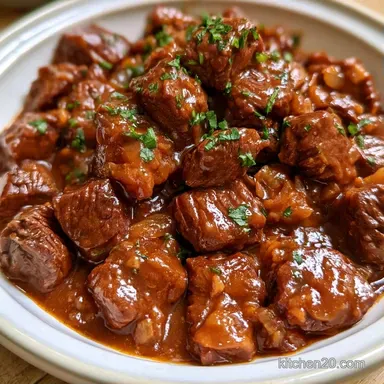
This stew is all about that deep, rich brown color and meat that gives way the second your fork touches it. By swapping out the potatoes for daikon radish, you keep the carb count low without losing the chunky, comforting feel of a traditional bowl.
A hearty keto Instant Pot beef stew is great because it handles the hard work for you. You get a velvety texture in the sauce and beef that feels like it simmered for eight hours, even though you're eating in a fraction of that time.
Why This Method Works
- Rapid Collagen Breakdown: The high pressure forces moisture into the beef chuck, turning tough connective tissues into silky gelatin quickly.
- The Sear: Browning the meat first creates a caramelized crust. This provides a base of flavor that simmering alone can't touch.
- Textural Mimicry: Daikon radish absorbs the beef broth and softens, behaving almost exactly like a potato in a stew.
| Cooking Method | Total Time | Texture | Best For |
|---|---|---|---|
| Instant Pot | 1 hour 45 mins | Very tender | Weeknight speed |
| Slow Cooker | 8 hours | Fall-apart | All-day aroma |
| Stovetop | 3 hours | Traditional | Small batches |
Picking the Best Ingredients
The Meat Stick with beef chuck roast for this recipe. Its fat content ensures the meat remains tender and juicy during pressure cooking, whereas leaner options like sirloin often become dry and tough.
The Low Carb Bulk Daikon radish is the star here. After cooking, its biting raw flavor disappears, allowing it to soak up the beef's savory notes. Carrots and celery provide the traditional aromatic foundation.
The Thickener Instead of a flour-based roux, use xanthan gum. This provides a thick, pourable consistency while keeping the recipe low-carb. A very small amount is all you need.
The Acid Apple cider vinegar balances the heavy notes of the beef. It adds a brightness to the pot, preventing the final dish from tasting overly dense.
Ingredients and Swaps
- 2 lbs beef chuck roast, cut into 1-inch cubes Why this? Lots of collagen for maximum tenderness
- 1 tsp salt
- ½ tsp black pepper
- 2 tbsp avocado oil Why this? Stable at high temperatures for searing
- 3 cups low-sodium beef broth
- ¼ cup apple cider vinegar Why this? Offsets the richness of the meat
- 4 cloves garlic, minced
- 1 medium yellow onion, diced
- 2 bay leaves
- 1 tsp dried thyme
- 1 lb daikon radish, peeled and cubed Why this? Low-carb alternative to potatoes
- 3 large carrots, sliced into thick rounds
- 2 stalks celery, chopped
- 2 tbsp unsalted butter Why this? Creates a silky, rich finish
- ½ tsp xanthan gum Why this? Thickens the sauce without flour
- ¼ cup fresh parsley, chopped
Substitutions
| Original Ingredient | Substitute | Why It Works |
|---|---|---|
| Avocado Oil | Ghee (2 tbsp) | Comparable heat resistance. Note: Offers a nuttier profile |
| Daikon Radish | Turnips (1 lb) | Similar consistency. Note: Has a slightly sharper taste |
| Beef Broth | Bone Broth (3 cups) | Increased protein. Note: Creates a thicker consistency |
Tools You Will Need
You'll need an Instant Pot or a similar electric pressure cooker. A heavy-bottomed skillet is optional if you prefer to sear the beef on the stove before transferring it, but the sauté function works just fine. A wooden spoon is essential for deglazing the bottom of the pot to prevent any burn notices.
The Cooking Process
Phase 1: Developing Flavor
- Set the Instant Pot to Sauté on high and heat 2 tbsp avocado oil until it shimmers.
- Pat the 2 lbs beef chuck roast cubes dry with paper towels and season with 1 tsp salt and ½ tsp black pepper. Note: Dry meat browns faster
- Sear the beef in batches to avoid overcrowding the pot. Cook until a dark golden crust forms on all sides, then remove the meat to a plate.

Phase 2: Deglazing and Pressurizing
- Sauté the diced yellow onion in the remaining fat for 3 minutes until translucent.
- Stir in the minced garlic and 1 tsp dried thyme for 30 seconds until aromatic.
- Pour in 3 cups low-sodium beef broth combined with ¼ cup apple cider vinegar. Use a wooden spoon to scrape any caramelized residue from the pot's base. Note: This prevents the "Burn" error
- Return the seared beef and its juices to the pot. Mix in the sliced carrots, chopped celery, 1 lb cubed daikon radish, and 2 bay leaves.

- Secure the lid, set the valve to Sealing, and select Manual/Pressure Cook on High for 35 minutes.
- Allow a 10-minute natural release before venting the remaining steam. The beef should be fork-tender and reach a safe internal temperature of 145°F/63°C.
Phase 3: The Final Glaze
- Turn the pot back to Sauté. Whisk in ½ tsp xanthan gum and 2 tbsp unsalted butter, stirring constantly for 2-3 minutes until the sauce turns into a glossy gravy.

- Stir in ¼ cup chopped fresh parsley and adjust seasoning before serving.
What Can Go Wrong
Fixing Thin Sauce
If your gravy is too thin, the xanthan gum likely didn't fully activate or the vegetables gave off too much water. Switch to Sauté and simmer for an additional 5-10 minutes to reduce the liquid. Be cautious with extra xanthan gum, as overusing it can create a gummy consistency.
Preventing Mushy Vegetables
The main cause of mushy veg is overcooking. If you find the carrots are too soft, cut them into larger rounds, roughly an inch thick. While daikon is more resilient, larger chunks will better hold their shape under pressure.
Avoiding the Burn Notice
The "Burn" warning occurs when ingredients stick to the pot's base. The key is proper deglazing; when you pour in the vinegar and broth, scrape every browned bit off the bottom. If the error persists, try adding more liquid and layering the vegetables on top of the meat instead of letting them clump at the bottom.
A Note on Searing Browning the meat doesn't actually prevent moisture loss. Whether you sear or not, the meat loses liquid. The crust is created purely for flavor, adding a depth that makes the stew taste like it simmered for a full day.
Serving and Presentation

Ladle the stew into wide, shallow bowls to show off the chunks of beef and colorful carrots. The sauce should cling to the ingredients, not pool like a soup. A heavy sprinkle of fresh parsley on top adds a pop of green and a hit of freshness.
I like to serve this with a side of steamed cauliflower or a simple green salad to keep the meal light but filling.
Storage and Leftovers
Keep the stew in airtight glass containers in the refrigerator, where it will stay fresh for 4 days. You'll likely find the flavor is even better on the second day as the spices fully penetrate the meat.
This meal freezes quite well. Use freezer-safe bags or containers to store it for up to 3 months. Before serving, defrost the portion in the fridge overnight and reheat it on the stovetop over medium heat until it reaches 165°F/74°C in the center.
Because the thickener can make the sauce quite firm when cold, stir in a small amount of beef broth to achieve a smoother consistency.
To minimize waste, freeze any remaining beef broth from the carton in ice cube trays for use in future pan sauces.
Easy Dietary Changes
Dairy-free Options To make this dish completely dairy-free, substitute the unsalted butter for a plant-based version. Using a tablespoon of coconut oil or a vegan butter alternative will maintain the same rich mouthfeel and glossy finish without the cream.
Anti-Inflammatory Twist For an anti-inflammatory profile, replace the avocado oil with extra virgin olive oil (be sure to sear on a slightly lower heat) and stir in a pinch of turmeric during the garlic step.
Extra Vegetables You can include sliced mushrooms or chopped turnips along with the daikon. Just ensure they are cut into similar sizes so they cook evenly throughout the 35-minute pressure cycle.
Good to Know
Where should I store leftover stew?
Keep them in sealed glass containers in the fridge. The stew remains fresh for up to 4 days.
Can I substitute the daikon radish?
Yes, but potatoes will change the nutritional profile. Using potatoes instead of daikon radish increases the carb count, meaning the dish is no longer keto.
Why is the beef browned first?
Searing creates a rich brown crust that adds complex flavor to the stew. This process also creates the fond used to enrich the gravy.
How to thicken the sauce if it is too thin?
Whisk in xanthan gum and butter using the Sauté function for 2-3 minutes. Stir constantly until the liquid transforms into a glossy gravy.
Hearty Keto Instant Pot Beef Stew
Ingredients:
Instructions:
Keep Cooking

Proper Classic Homemade Chili Recipe Deep Rich Ground Beef Stovetop
Banish watery chili forever. This Classic Homemade Chili recipe delivers deep complex flavour using…

How to Steam Broccoli in 10 Minutes
Master how to steam broccoli with our easy step-by-step guide.
