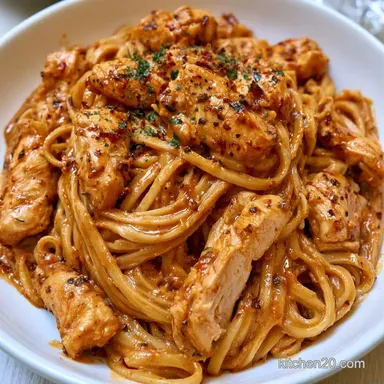
Fast and Fresh Thai Noodles with Peanut Sauce

- Time: 15 min active + 5 min cooking
- Flavor & Texture: Zesty, nutty, and crisp
- Perfect for: Weeknight dinners or a quick lunch
Fast and Fresh Thai Noodles
Skip the boiling pot when preparing rice noodles. Boiling them often results in a mushy exterior and a hard center. Using very hot tap water instead keeps the noodles flexible while providing a superior bite.
This method makes these Thai noodles effortless for anyone looking to avoid cleaning oversized pots. You can achieve a restaurant-style balance of salty, sweet, and spicy in about 20 minutes.
The end result is a bright, fresh bowl that feels sophisticated but relies on simple pantry staples. It delivers those vibrant Southeast Asian flavors without the need for long prep.
How It Comes Together
- Controlled Hydration: Soaking in hot water rather than boiling prevents the starch on the noodle surface from breaking down. This keeps them from clumping together in the bowl.
- Cold Whisk Sauce: Mixing the peanut butter and lime juice first creates a stable emulsion. It coats the noodles evenly without needing to be heated in a pan.
| Method | Time | Texture | Best For |
|---|---|---|---|
| Hot Soak | 10 mins | Al dente | Fast prep and firm bite |
| Boiling | 3 mins | Softer | Very thick rice noodles |
Recipe Specs
This recipe is designed for a fast turnaround. Since the chicken slices are thin, they sear in minutes. Most of the "cooking" time is actually just waiting for the noodles to soak, which means you can prep your veggies while the water does the work.
Gathering Your Essentials
| Ingredient | Role | If You Don't Have It |
|---|---|---|
| Creamy Peanut Butter | Richness and body | Almond butter (adds nuttiness) |
| Fresh Lime Juice | Brightness and acid | Rice vinegar (less citrusy) |
| Soy Sauce | Salt and umami | Tamari (for gluten-free) |
| Pad Thai noodles | The base | Thin rice vermicelli (soak for less time) |
The Full List:
- 8 oz (225g) Pad Thai noodles
- 1 lb (450g) chicken breast, thinly sliced
- 1 tbsp (15ml) neutral oil
- 1/2 cup (125g) creamy peanut butter Why this? Provides the thick, creamy base for the sauce
- 3 tbsp (45ml) reduced-sodium soy sauce
- 2 tbsp (30ml) fresh lime juice
- 1 tbsp (15ml) maple syrup
- 1 tbsp (15ml) sriracha
- 2–4 tbsp (30–60ml) warm water
- 1 cup (100g) shredded carrots
- 1 cup (100g) sliced cucumbers
- 3 scallions (15g), thinly sliced
- 1/4 cup (35g) crushed roasted peanuts
- 1 lime, cut into wedges
| Original Ingredient | Substitute | Why It Works |
|---|---|---|
| Maple Syrup (1 tbsp) | Honey (1 tbsp) | Similar sweetness. Note: Honey is slightly thicker |
| Chicken Breast (1 lb) | Extra Firm Tofu (1 lb) | High protein. Note: Requires longer searing for crispiness |
Equipment Needed
You only need a few basics. A large mixing bowl is the most important part since it handles the soaking, the tossing, and the final assembly. A medium bowl for the sauce and a standard skillet for the chicken are the only other requirements.
Key Steps
1. Precise Noodle Hydration
Put the rice noodles into a large bowl and submerge them in very hot tap water. Let them sit for 8–10 minutes until they are flexible but still have a bit of a bite, then drain them through a fine mesh strainer.
2. Searing the Protein
Warm 1 tbsp (15ml) of a neutral-tasting oil in a pan over medium-high heat. Stir in the thinly sliced chicken and sauté for 3–5 minutes until the meat is browned on the outside and opaque throughout.
Use a thermometer to ensure the chicken hits 165°F (74°C) internally, per USDA guidelines.

3. Emulsifying the Sauce
Use a medium bowl to whisk 1/2 cup (125g) creamy peanut butter, 3 tbsp (45ml) reduced-sodium soy sauce, 2 tbsp (30ml) fresh lime juice, 1 tbsp (15ml) maple syrup, and 1 tbsp (15ml) sriracha. Slowly stir in 2-4 tbsp (30-60ml) warm water, adding a tablespoon at a time, to achieve a smooth, pourable consistency.
4. Final Assembly
Mix the drained noodles and cooked chicken in the large bowl. Drizzle the peanut sauce over the ingredients and toss lightly with tongs until the noodles are thoroughly coated.

5. Finishing Touches
Stir in 1 cup (100g) shredded carrots and 1 cup (100g) sliced cucumbers. Portion the mixture into bowls and top with 3 thinly sliced scallions (15g), 1/4 cup (35g) crushed roasted peanuts, and lime wedges.
Quick Fixes

Fixing Mushy Noodles
If your noodles end up too soft, they were likely soaked for too long. Immediately rinse them with ice-cold water to shock the starch and halt the cooking process. In the future, use a timer and drain them a minute before you think they're ready.
Thinning a Thick Sauce
Since peanut butter thickness differs by brand, the sauce can sometimes be too dense. Whisk in one additional teaspoon of warm water at a time until you achieve a velvety texture that coats the noodles without clumping.
Balancing Too Much Heat
If the sriracha is too dominant, stir in a bit more lime juice or a touch more maple syrup. The combination of acid and sugar balances the perceived heat, restoring the balance of flavors, though it does not chemically remove the capsaicin.
Perfect Complements
Since this dish is rich and nutty, I like pairing it with something light. A simple side of steamed bok choy or a crisp cabbage slaw works well. If you want another bold flavor to round out the meal, a Thai green chicken curry provides a great contrast in creaminess.
Storage and Reheating
Store any remaining portions in an airtight container in the fridge for 3 days. Be aware that rice noodles act like sponges and will absorb the sauce as they sit.
To reheat, stir in a splash of water or a teaspoon of lime juice, microwave until steaming hot, and check that the chicken reaches 165°F (74°C) internally. Mix well to loosen the sauce and restore its glossy appearance.
Freezing is not advised, since the noodles lose their integrity and turn grainy upon thawing.
Flavor Variations
Alternative Protein Options If you'd prefer something other than chicken, shrimp is an excellent substitute. Sauté them for roughly 2 minutes on each side until they are opaque and pink. For those seeking a plant-based meal, try using chickpeas or baked tofu.
Vegetable Add-ins Include snap peas or red bell pepper for extra crunch. For a zesty flavor, replace the fresh carrots with pickled ones.
A Spicy Variation If you prefer a bolder heat, replace the sriracha with red curry paste. To create a richer, creamier sauce, stir in a tablespoon of coconut milk. If you're looking for more ways to use coconut milk, this Thai iced tea is a wonderful pairing for this dish.
High Sodium Content
1183 mg of sodium per portion (51% of the recommended daily intake)
To support cardiovascular wellness, the American Heart Association suggests keeping daily sodium intake under 2,300 mg.
Ways to Lower Sodium
-
Alternative to Soy Sauce
Use coconut aminos instead of reduced-sodium soy sauce to keep the savory profile while cutting back on salt.
-
Opt for Unsalted Peanut Butter
Switch to a natural, unsalted peanut butter to avoid the hidden sodium found in many commercial brands.
-
Adjust the Spice
Substitute sriracha with fresh chilis or crushed red pepper to maintain the heat without adding extra salt.
-
Choose Raw Toppings
Garnish with raw or unsalted roasted peanuts rather than pre-salted varieties.
-
Enhance with Fresh Aromatics
Increase the amount of minced garlic, grated ginger, or fresh lime juice to brighten the flavor without adding more sodium.
Frequently Asked Questions
What are the different types of Thai noodles?
Thai cuisine features various styles including thin rice vermicelli, wide flat rice noodles, and mung bean glass noodles. This recipe utilizes Pad Thai noodles for their distinct chew.
How do I prepare these chicken noodles?
Place the rice noodles in a large bowl and cover with very hot tap water. After soaking for 8–10 minutes, sear the chicken and toss everything with the peanut sauce.
Is beef a suitable substitute for the chicken?
Yes, thinly sliced beef works great as a protein alternative. Cook it over medium-high heat until browned and safe.
Which alternatives work instead of rice noodles?
Whole grain noodles or linguine are good substitutes. These will change the texture and may require boiling instead of soaking.
Where should I store the leftovers?
Store them in a sealed container in the refrigerator for a maximum of 3 days. Add a splash of water or lime juice, microwave until steaming hot, and check that the chicken reaches 165°F (74°C) internally to restore the sauce's gloss.
Why do the noodles absorb the sauce?
Rice noodles are highly porous and naturally draw in surrounding liquids. This is why the sauce thickens as the dish sits.
Would a side sauce complement this dish?
Yes, this meal pairs wonderfully with additional dipping options. If you loved the balance of the peanut sauce here, see how the same flavor profile works in our creamy dipping sauce.
Thai Noodles in 20 Minutes