The Ultimate Decadent German Chocolate Cake with Rich Gooey Pecan Frosting
- Unveiling the Authentic Flavor Profile of Classic German Chocolate Cake
- Why This Recipe Reimagines the Traditional Layer Cake Experience
- Assembling the Components for Supreme Baking Success
- Essential Equipment for Perfect Cake Construction
- Mastering the Steps: From Mixing Bowl to Oven Ready
- Crafting the Legendary Gooey Filling: A True Labor of Love
- Troubleshooting Common Issues and Pro Baker Adjustments
- Extending the Delight: Storage and Serving Suggestions
- Recipe FAQs
- 📝 Recipe Card
Unveiling the Authentic Flavor Profile of Classic German Chocolate Cake
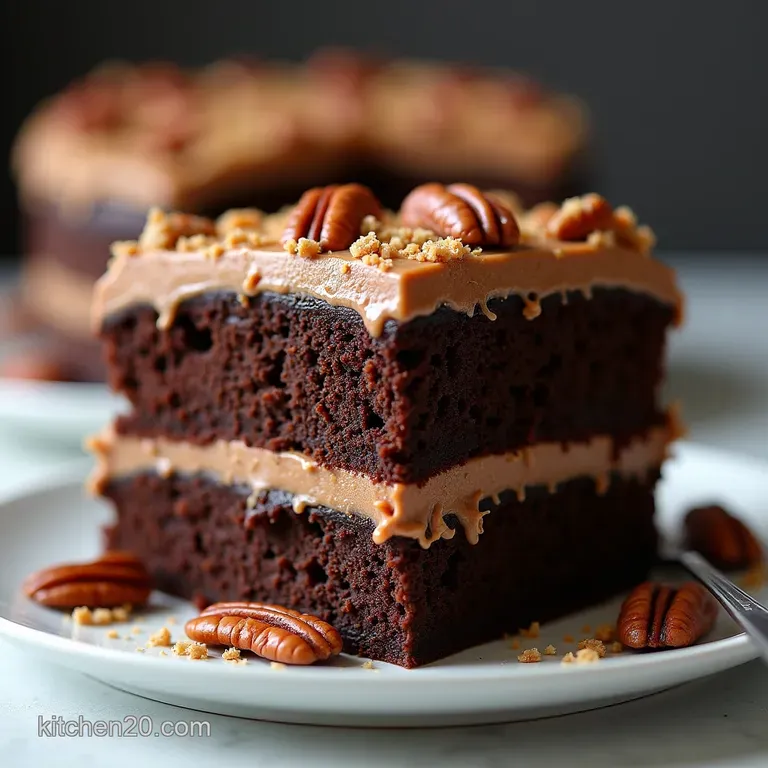
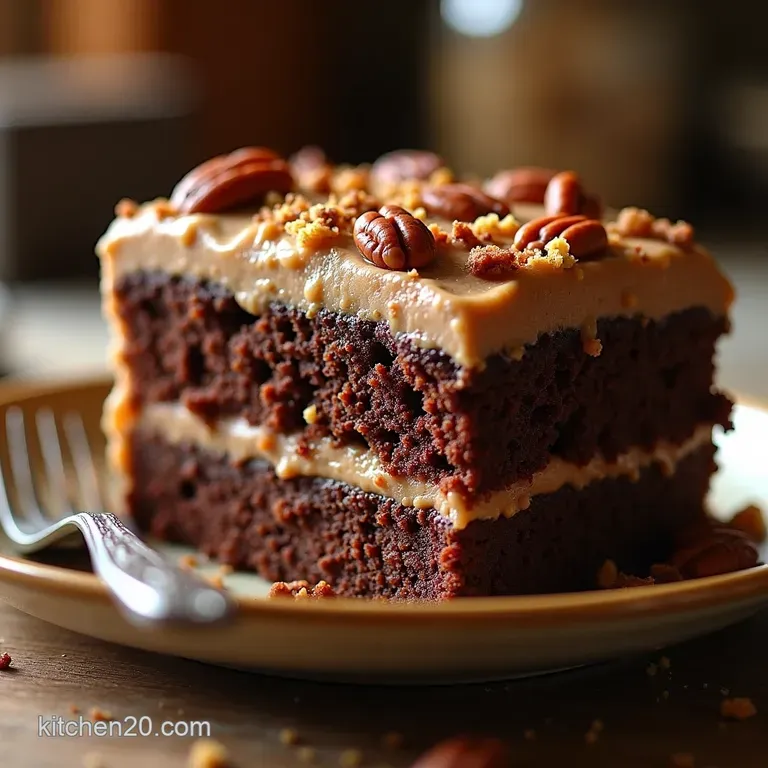
There are few desserts that evoke the sheer joy of celebration quite like the German Chocolate Cake . It stands as a monument to American baking artistry moist, rich chocolate layers contrasted by a textural masterpiece of gooey, caramelized coconut and toasted pecans.
Achieving this legendary status in your own kitchen is entirely possible, and this German Chocolate Cake Recipe is your comprehensive guide to nailing every element, from the tender crumb to that unforgettable Coconut Pecan Frosting .
This isn't merely a chocolate cake; it’s an experience built on distinct textures and deep, complementary flavours.
Why This Recipe Reimagines the Traditional Layer Cake Experience
What sets a truly memorable slice apart is the balance. Many recipes falter by offering a cake base that’s too dense or a frosting that’s too sweet and brittle. Our approach focuses on deep cocoa notes enhanced subtly by coffee, creating a perfect backdrop for the star component: the luscious, slow cooked custard topping.
We are aiming for the Best German Chocolate Cake you’ve ever encountered, balancing effort with unparalleled payoff.
The American Origin Story: Debunking the Germany Myth
Before we dive into the mixing bowls, let's clear up a common misconception. Despite its name, this iconic dessert has zero connection to German culinary traditions. This spectacular creation is firmly rooted in American history, named in honour of Samuel German, an American baker who developed a brand of dark baking chocolate for the Walter Baker & Company in 1852.
The recipe featuring his namesake chocolate first appeared in print much later, solidifying its place as a beloved American classic. Understanding this context only adds to the charm of mastering this distinctly American Chocolate Cake Recipe .
What Makes Our Chocolate Base Unforgettably Moist
The secret to a truly tender Homemade German Chocolate Cake lies in the liquid components and the power of activated cocoa. While many layer cakes rely solely on butter, we incorporate a neutral vegetable oil, ensuring the crumb remains softer and moister for days.
On top of that,, the final ingredient incorporated into our batter is one cup of piping hot, strong coffee. This addition doesn't impart a coffee flavour; instead, the heat blooms the cocoa solids, releasing unparalleled depth and richness that water simply cannot achieve.
This technique is fundamental to creating the perfect sponge for this cake.
A Glimpse into the Gooey Glory: The Frosting Promise
If the cake layers are the foundation, the German Chocolate Cake Frosting Recipe is the entire magnificent structure. We are not using a standard buttercream here.
Instead, we craft a rich, cooked custard, thickened with egg yolks, and brimming with generous amounts of sweetened coconut and toasted pecans. This component defines the cake. Getting this German Chocolate Cake Icing right requires patience, as we must gently cook it to the perfect custard consistency thick enough to hold its shape when cool, but creamy enough to ooze slightly when sliced.
Assembling the Components for Supreme Baking Success
Baking is chemistry, and success depends on preparation. Before we begin mixing the batter for this Easy German Chocolate Cake , we must gather our tools and measure our components precisely.
This recipe yields 12 generous servings, perfect for a significant celebration, demanding two 9 inch cake pans. Having everything ready allows for a smooth transition between the cake batter and the more attentive process of crafting the filling.
Essential Equipment for Perfect Cake Construction
To execute this masterpiece successfully, the right tools matter, especially when dealing with a delicate cooked custard like our frosting. A sturdy stand mixer or reliable hand mixer is necessary for efficiently combining the cake batter ingredients.
For the frosting, a heavy bottomed medium saucepan is essential; this distributes heat more evenly, dramatically reducing the risk of scorching the milk and egg mixture. Of course, two 9 inch round cake pans, lined with parchment paper rounds, are non-negotiable for even baking.
Dry Goods and Liquid Foundations for the Chocolate Batter
The dry components the flour, sugar, unsweetened cocoa powder, leaveners (baking soda and powder), and salt must be thoroughly whisked together first. This pre-mixing step acts like sifting, ensuring the baking soda and salt are evenly distributed, preventing pockets of off-flavour or uneven rising.
The liquids room-temperature eggs, buttermilk for tang and tenderness, oil for moisture, and vanilla for warmth should be gently combined separately before joining the dry mixture.
The Star Ingredients for the Iconic Coconut Pecan Topping
The flavour profile of the topping relies on three main elements: evaporated milk, which creates the necessary structure and richness in the cooked custard base; pecans, which should be lightly toasted for maximum flavour; and sweetened flaked coconut.
It is critical to use evaporated milk, as its reduced water content allows the custard to thicken correctly without becoming watery. For the pecans, light toasting in a dry skillet beforehand awakens their oils and makes them wonderfully fragrant.
Pro Tips for Selecting high-quality Cocoa and Nuts
For the German Chocolate Cake , the quality of your cocoa directly translates to the depth of the final flavour. Opt for a good quality, natural unsweetened cocoa powder.
If you prefer a less acidic, darker cake, Dutch process cocoa can be substituted, though you might need to slightly adjust the baking soda. When selecting pecans, look for whole pieces rather than pre-chopped bags if possible, as they tend to stay fresher and offer a superior crunch once toasted.
Related Recipes Worth Trying
- Fluffy Morning Glory Blueberry Greek Yogurt Pancakes Recipe — Whip up these Greek Yogurt Pancakes for the fluffiest breakfast ever Theyre packed with protein and bursting with blueberries A truly cozy brunch recipe
- The Ultimate Moist Cinnamon Swirl Coffee Cake Recipe — Tired of dry cake This recipe delivers a wonderfully moist Cinnamon Swirl Coffee Cake with a gooey ribbon of spice Perfect for your next weekend coffee break
- The Best Moist Chocolate Zucchini Bread Recipe Easy Rich — Whip up this truly smashing Chocolate Zucchini Bread Its incredibly moist deeply chocolatey and so easy to makeperfect for that garden surplus Find out why...
Mastering the Steps: From Mixing Bowl to Oven Ready
With your components prepared, we move into the hands-on phase. The goal here is careful integration rather than vigorous mixing. Over beating cake batter develops gluten, leading to a tough, chewy texture, which is the antithesis of the tender crumb we seek.
Crafting the Legendary Gooey Filling: A True Labor of Love
This is the stage that separates the novice baker from the seasoned one. The Coconut Pecan Frosting requires your full attention on the stovetop. You are essentially creating a cooked pastry cream that will later become your filling and outer icing.
Achieving the Perfect Crumb: Mixing Techniques Explained
Start by combining the dry cake ingredients well. Introduce the liquid mixture until it’s just incorporated you should still see a few streaks of flour. At this point, the batter will seem thick. This is when you carefully pour in the hot coffee.
Mix only until the batter is uniformly smooth. It will immediately become quite thin; this is the correct, luxurious consistency for a moist chocolate cake base. Divide this thin batter evenly between your prepared pans.
Baking Times and Temperature Checks for Level Layers
Slide the pans into your preheated oven set to 350° F ( 175° C). Bake for approximately 30 to 35 minutes. The test for doneness is crucial: insert a thin wooden skewer into the centre.
If it emerges with only a few moist crumbs attached not wet batter they are done. Remove them promptly, as leaving them in too long is the quickest route to a dry cake.
Cooling Protocol: The Crucial Wait Before Frosting
Allow the cake layers to rest in their pans on a wire rack for precisely 10 minutes. This brief rest allows the structure to firm up slightly. After ten minutes, carefully invert the cakes onto the rack, peel off the parchment paper, and let them cool completely to room temperature.
Attempting to frost a warm cake will result in a melted, soupy mess.
The Art of Assembly: Stacking and Finishing Your German Chocolate Cake
While the cake cools, focus entirely on your cooked custard. Once the frosting has cooled and thickened to a rich, spreadable consistency think firm pudding you can begin assembly. Place the first cooled layer on your serving platter. Spread half of the gooey filling generously over this base.
Top with the second layer. Finally, use the remaining filling to cover the top and smoothly coat the sides of your German Chocolate Cake .
Troubleshooting Common Issues and Pro Baker Adjustments
If your cake layers emerge slightly domed, don’t panic; simply use a long, serrated knife to level them before frosting for a professional look. The most common frosting hiccup is curdling.
If the custard looks slightly grainy upon removing it from the heat, immediately whisk in a tablespoon of cold water or evaporated milk off the heat; this can sometimes help smooth out the texture. Remember, constant stirring during cooking is the best prevention for scrambling the egg yolks.
Extending the Delight: Storage and Serving Suggestions
This cake truly excels the day after it's made, as the moist cake layers absorb some of the glorious custard filling. Storing it correctly ensures maximum enjoyment of your efforts.
Ingredient Swaps and Flavor Enhancements
For a deeper nutty punch, try lightly toasting your pecans in the oven until they are fragrant before chopping them for the frosting. If you find the cake base isn't rich enough for your taste, a teaspoon of espresso powder can be added to the dry ingredients alongside the cocoa powder for an even more intense dark chocolate experience.
Nutritional Snapshot: Understanding Serving Size Context
Be advised, this is a showstopper dessert, rich in fats and sugars from the butter, milk, and coconut used in the filling. A standard slice, as this recipe is intended, is a significant indulgence, offering deep satisfaction but high caloric density enjoy every bite mindfully!
Optimal Refrigeration and Room Temperature Holding Times
Because the frosting contains cooked eggs and milk, refrigeration is necessary for food safety. Store your finished German Chocolate Cake covered in an airtight container in the refrigerator for up to four days.
However, for the best texture, remove the cake from the refrigerator about 45 minutes before serving. This allows the frosting to soften slightly from fridge hardened custard back to its perfect, luscious, gooey state.
Elevating the Experience: Pairing Suggestions Beyond Coffee
While coffee is the traditional partner, this rich cake pairs beautifully with lighter counterparts to cut through the sweetness. Try serving a thin slice alongside a tart raspberry coulis, or perhaps a very dry Prosecco or Champagne.
The acidity and bubbles offer a refreshing counterpoint to the cake’s deep chocolate and caramel notes, completing the experience of this quintessential German Chocolate Cake .
Recipe FAQs
Why is it called German Chocolate Cake if it’s an American creation?
That’s a brilliant question and a common sticking point! It’s named after Samuel German, an American baker who worked for the Baker's Chocolate Company, not the country of Germany. He developed the specific type of dark baking chocolate used in the original recipe back in 1852.
My coconut pecan frosting seems too runny; what did I do wrong?
Don't panic, this happens when the custard hasn't cooled enough it needs to be thick before you start layering. Make sure you chilled it for at least an hour, stirring occasionally to prevent a skin from forming.
If it’s still liquidy, return it to the fridge until it sets to a thick, spreadable consistency.
Can I make the layers of this German Chocolate Cake ahead of time?
Absolutely, saving time is always a good idea! Once the cake layers are completely cool, wrap each one tightly in plastic wrap (a double layer helps seal in moisture) and they will keep well at room temperature for up to two days, or frozen for up to two months. Just let them thaw completely before frosting.
I’m worried about scrambling the eggs when making the frosting any tips to avoid this disaster?
The key here is constant movement, much like stirring a pot of stew on a chilly evening. Whisk the evaporated milk, sugar, and yolks continuously over medium heat, ensuring you scrape the bottom edges where the heat is highest.
As soon as it thickens enough to coat the back of a spoon, whisk in the butter off the heat immediately.
What's the trick to keeping the chocolate cake layers moist, as they can often dry out?
The moisture secret lies in two ingredients: buttermilk and hot coffee. The buttermilk tenderises the crumb, while the hot coffee chemically reacts with the cocoa powder, intensifying the chocolate flavour without making it taste like a mocha.
Ensure you don't overbake, pulling them out when the skewer has moist crumbs attached, not when it comes out totally clean.
Ultimate German Chocolate Cake
Ingredients:
Instructions:
Nutrition Facts:
| Calories | 756 kcal |
|---|---|
| Protein | 8.4 g |
| Fat | 32.4 g |
| Carbs | 46.5 g |
| Fiber | 4.7 g |
| Sodium | 2398 mg |
