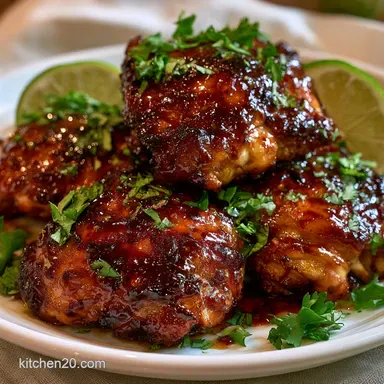
Failure-Proof Cilantro Lime Chicken Thighs
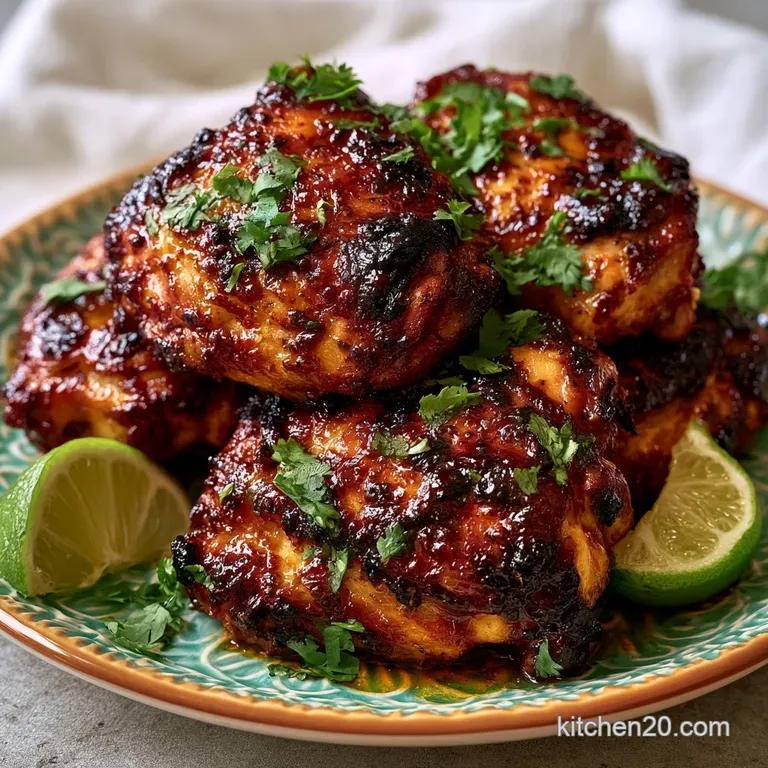
- Time: 20 min active + 30 min chilling = Total 70 mins
- Flavor/Texture Hook: Zesty, charred exterior with a velvety, juicy interior
- Perfect for: Quick weeknight dinners or a vibrant summer patio party
The first thing you notice isn't the look, it's that smell. That sharp, bright hit of fresh lime hitting a screaming hot pan, followed by the sweet, earthy aroma of honey caramelizing.
It's the smell of my favorite Saturday afternoons, usually with the kids running around the yard and a stack of warm corn tortillas waiting on the table.
I remember the first time I served this for a crowd. I was so worried about the chicken drying out that I undercooked it, and it was a disaster. But once I learned the trick of using boneless skinless thighs and giving them a proper rest, it became my go to. This Cilantro Lime Chicken is basically a cheat code for making a meal that tastes like it took all day, but actually comes together in a blink.
You can expect a dish that is punchy and fresh. We're talking about a vibrant green hue from the cilantro and a deep, golden brown char from the honey. It's a total crowd pleaser because it hits every taste bud - salty, sour, and sweet.
Why Cilantro Lime Chicken Works So Well
When we talk about flavor, we're really talking about layers. This recipe doesn't just throw ingredients together; it builds a profile that evolves as the meat hits the heat.
The Acid Fat Equilibrium: The lime juice breaks down tough muscle fibers, while the olive oil protects the meat from the heat and carries the fat soluble flavors of the cumin and paprika deep into the chicken.
The Honey Char: Honey contains natural sugars that caramelize rapidly. When the chicken hits the pan, these sugars undergo a transformation, creating those dark, sticky, flavorful bits that you just can't get with salt alone.
Controlled Protein Softening: According to Serious Eats, acid based marinades can actually make meat mushy if left too long. By keeping our chill time to a few hours, we get the tenderness without losing the structural integrity of the meat.
Aromatic Infusion: Fresh garlic and cilantro are volatile, meaning their flavors evaporate quickly. By whisking them into the oil first, we "trap" those aromatics and ensure they stick to the chicken during the searing process.
| Method | Time | Texture | Best For |
|---|---|---|---|
| Cast Iron | 20 mins | Heavy char, juicy | Maximum flavor |
| Air Fryer | 20 mins | Evenly browned, lean | Easy cleanup |
| Outdoor Grill | 20 mins | Smoky, charred | Large crowds |
This comparison shows that while the timing stays the same, the "vibe" of the meat changes. I personally love the cast iron because it gives me that deep, mahogany crust that makes the Cilantro Lime Chicken feel like a professional dish.
Component Analysis
| Ingredient | Science Role | Pro Secret |
|---|---|---|
| Lime Juice | Protein tenderizer | Use fresh only; bottled lacks the bright acidity |
| Honey | Caramelization agent | Adds a floral sweetness that balances the salt |
| Olive Oil | Heat conductor | Helps the spices penetrate the meat surface |
| Smoked Paprika | Color & Depth | Provides a "grilled" taste even if using a stove |
The Flavor Layering List
Right then, let's get into what you actually need. I've found that using thighs is non negotiable here. Breasts are too lean and will turn into rubber the second you look at them wrong. Thighs have the fat content to stand up to the acid and the heat.
For the Zesty Marinade:
- 1/2 cup olive oilWhy this? Ensures the chicken doesn't stick and carries flavors
- 1/4 cup fresh lime juiceWhy this? Provides the essential bright, citrusy punch
- 2 tbsp honeyWhy this? Balances the acid and creates the char
- 1/2 cup fresh cilantro, finely choppedWhy this? Adds the signature herbaceous, fresh note
- 4 cloves garlic, mincedWhy this? Adds a pungent, savory base
- 1 tsp cuminWhy this? Gives it that warm, earthy, Mexican style depth
- 1 tsp smoked paprikaWhy this? Adds a subtle wood smoke aroma
- 1 tsp saltWhy this? Essential for flavor and moisture retention
- 1/2 tsp black pepperWhy this? Subtle heat to round out the sweetness
For the Protein: - 2 lbs boneless skinless chicken thighs Why this? More forgiving and juicier than breasts
| Original Ingredient | Substitute | Why It Works |
|---|---|---|
| Honey (2 tbsp) | Maple Syrup (2 tbsp) | Similar sugar content. Note: Adds a slightly woody, autumnal sweetness |
| Olive Oil (1/2 cup) | Avocado Oil (1/2 cup) | Neutral flavor and higher smoke point. Note: Great for very over high heat grilling |
| Fresh Cilantro (1/2 cup) | Fresh Parsley (1/2 cup) | Similar look and fresh profile. Note: Lacks the specific "soapy/citrus" punch of cilantro |
| Chicken Thighs | Chicken Breast | Leaner protein. Note: Cook for 3-5 mins less to avoid dryness |
If you're using breasts, just keep a very close eye on the internal temp. They don't have the luxury of fat that thighs do, so they can go from "juicy" to "cardboard" in about 60 seconds.
Gear for the Job
You don't need a fancy kitchen to make this, but a few tools make the process a lot smoother. I usually use a large glass bowl for the marinade because the acidity of the lime can react with some metals, and you don't want any weird metallic aftertastes in your meal.
For the cooking, a heavy bottomed cast iron skillet is my favorite. It holds heat like a beast, which is exactly what you need to get that shatter crisp char on the edges of the meat. If you don't have one, a stainless steel pan works, just make sure you don't skimp on the oil.
Finally, grab a digital meat thermometer. Honestly, don't even bother guessing. The difference between 160°F and 170°F is the difference between a velvety piece of chicken and something you need a gallon of water to swallow.
Getting the Chicken Just Right
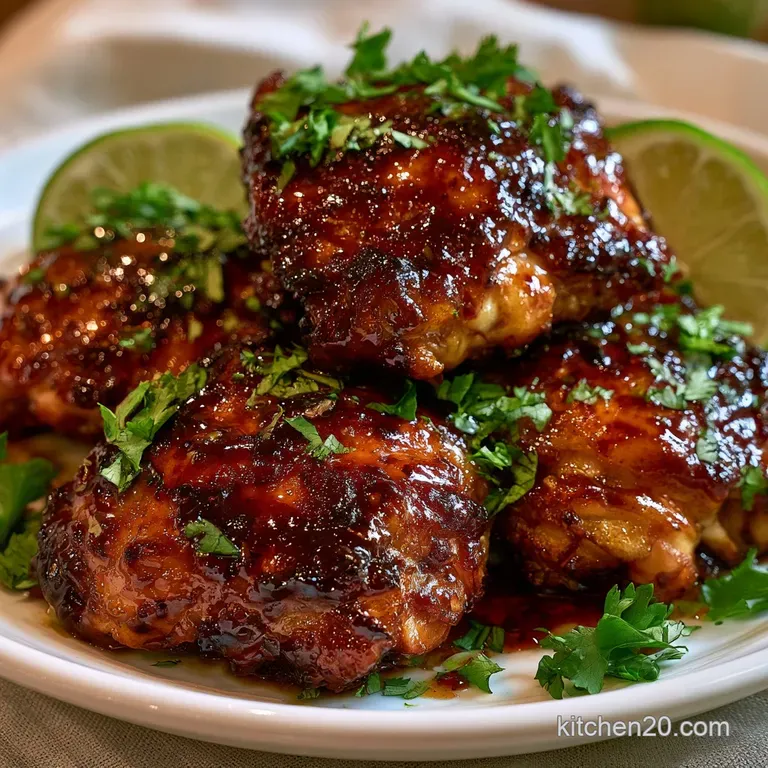
Let's crack on with the actual cooking. The key here is patience during the marinating phase and aggression during the searing phase.
- Whisk together the olive oil, lime juice, honey, garlic, cumin, smoked paprika, salt, and black pepper in a mixing bowl. Note: Whisking well ensures the honey doesn't just clump at the bottom
- Pat the chicken thighs dry with paper towels and toss them in the marinade until fully coated. Note: Drying the meat helps the marinade stick and prevents steaming
- Place the marinated chicken in the refrigerator for at least 30 minutes (up to 4 hours). Note: This is where the flavor penetrates the muscle fibers
- Heat your pan or grill to medium high.
- Place the chicken in the pan. Cook 5-7 mins per side until you see a deep, golden brown char and the meat feels firm.
- Continue cooking until the internal temperature reaches 165°F (74°C).
- Transfer the chicken to a plate.
- Let it rest for 5 minutes before serving to allow juices to redistribute. Note: Cutting too early lets all the moisture leak onto the board
Chef's Tip: For an extra layer of flavor, throw a few lime wedges directly into the pan during the last 2 minutes of cooking. They caramelize and become almost like a jammy condiment.
Stopping Common Cooking Glitches
Even for me, things sometimes go sideways. The most common issue is when the chicken looks burnt on the outside but is still raw in the middle. This usually happens if your heat is too high, causing the honey to scorch before the heat can reach the center of the thigh.
The Rubber Texture Problem
If your chicken feels like a bouncy ball, you've likely overcooked it or marinated it in lime juice for too long (like 24 hours). The acid essentially "cooks" the protein, and then the heat finishes it off, leaving it tough.
The Bitter Burn
Honey is great, but it's volatile. If you see black, acrid smoke, your pan is too hot. The sugars are carbonizing, which adds a bitter taste rather than a sweet char. Lower the heat slightly and add a splash more oil.
The Soggy Meat Syndrome
This happens when you crowd the pan. If you put too many thighs in at once, the temperature drops, and the chicken releases its juices. Instead of searing, the meat boils in its own liquid.
| Problem | Root Cause | Solution |
|---|---|---|
| Bitter Taste | Scorched Honey | Lower heat and use a higher smoke point oil |
| Rubbery Meat | Overcooked / Over marinated | Use a thermometer; limit marinade to 4 hours |
| Pale Chicken | Pan not hot enough | Wait for oil to shimmer before adding meat |
Quick Fix Checklist:
- ✓ Pat meat dry before marinating
- ✓ Don't crowd the pan (work in batches if needed)
- ✓ Use a digital thermometer for 165°F (74°C)
- ✓ Let the meat rest for a full 5 minutes
- ✓ Use fresh lime juice, never the bottled stuff
Different Ways to Twist This
This recipe is a fantastic base, but you can really play with it. If you're feeling adventurous, I love adding a teaspoon of chipotle powder to the marinade for a "Heat Wave" twist. It adds a smokiness that complements the honey and lime perfectly.
For those watching their carbs, this is already pretty close to keto, but you can swap the honey for a monk fruit sweetener or a touch of stevia. Just be aware that you'll lose some of that deep caramelization, as sugar substitutes don't brown the same way.
Adjusting the Volume
If you're cooking for a crowd, don't just double everything blindly. For the spices and salt, I usually only go up to 1.5x. Liquids can be doubled, but if you're using a slow cooker or air fryer, reduce the oil by about 10% so the meat doesn't end up swimming in grease.
If you're making a small batch (say, 1 lb of chicken), use half the marinade but keep the cooking time roughly the same. Just check the internal temp a few minutes earlier since smaller pieces can cook faster.
Another great swap is the protein. You can use shrimp instead of chicken. If you do, skip the 30 minute chill - just marinate them for 15 minutes. Any longer and the lime juice will turn the shrimp into ceviche before they even hit the pan!
Keeping Leftovers Fresh
If you have any leftovers, store them in an airtight container in the fridge for up to 4 days. To reheat them without drying them out, I suggest a quick splash of water or lime juice in a skillet over medium heat. Avoid the microwave if you can, as it tends to make the chicken rubbery.
For freezing, this meat holds up surprisingly well. Freeze it in a freezer safe bag for up to 3 months. Thaw it in the fridge overnight before reheating in an oven at 350°F (180°C) for about 10-15 minutes.
Zero Waste Tip: Don't throw away the cilantro stems! They actually have more concentrated flavor than the leaves. Chop them very finely and mix them into the marinade. Also, save any leftover marinade (that hasn't touched raw meat) to drizzle over a salad or mix into a dip.
What to Serve Beside It
The beauty of this dish is its versatility. Because the flavors are so vibrant, you want sides that provide a contrast - something creamy, something cool, or something earthy.
I always pair this with a side of fluffy cilantro lime rice. The rice soaks up any extra juices from the pan, and it ties the whole meal together. For a more refreshing contrast, a Homemade Guacamole recipe is a must. The creamy avocado cuts through the sharpness of the lime.
If you're looking for a dip, you can't go wrong with a Homemade Salsa recipe. The fire roasted tomatoes add a depth that matches the charred edges of the chicken. You can serve the meat as tacos, in a bowl with black beans, or even sliced over a fresh kale salad.
Trust me, once you try this Cilantro Lime Chicken, you'll realize that the secret isn't in any one ingredient, but in how they all work together. It's a bright, bold, and honest way to cook chicken that never fails to impress. Let's get cooking!
Recipe FAQs
What gives cilantro lime chicken its flavor?
The balance of acidic lime juice and sweet honey. These combine with earthy cumin, smoked paprika, and fresh garlic to create a zesty, charred profile.
What does soaking chicken in lime juice do?
It tenderizes the meat. The citric acid breaks down tough muscle fibers, allowing the olive oil and spices to penetrate deeper into the thighs.
How to cook this chicken without using an oven?
Sear them in a cast iron skillet, on a grill, or in an air fryer. Cook using any of these high heat methods until the internal temperature reaches 165°F (74°C).
Is it true that marinating chicken in lime juice for over 24 hours improves the texture?
No, this is a common misconception. Prolonged exposure to acid can make the meat mushy; stick to the recommended 30 minutes to 4 hours.
What goes well with grilled cilantro lime chicken?
Fresh, vibrant sides like corn tortillas or a zesty dip. This pairs perfectly with grilled tomato salsa for a complete meal.
What to do with leftover cilantro lime chicken thighs?
Slice them for tacos or salads. The bold flavors hold up well when chilled, making them a great addition to a quick lunch wrap.
How to ensure the chicken stays juicy after cooking?
Transfer the meat to a plate and let it rest for 5 minutes. This allows the juices to redistribute throughout the thigh instead of spilling out when sliced.
Cilantro Lime Chicken