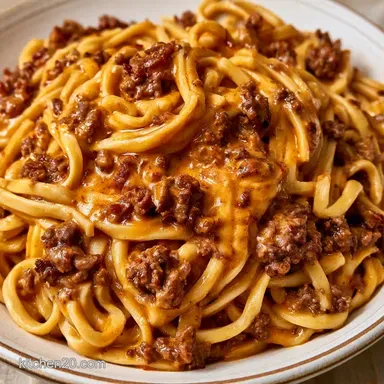
Homemade Hamburger Helper Noodles with Cheddar
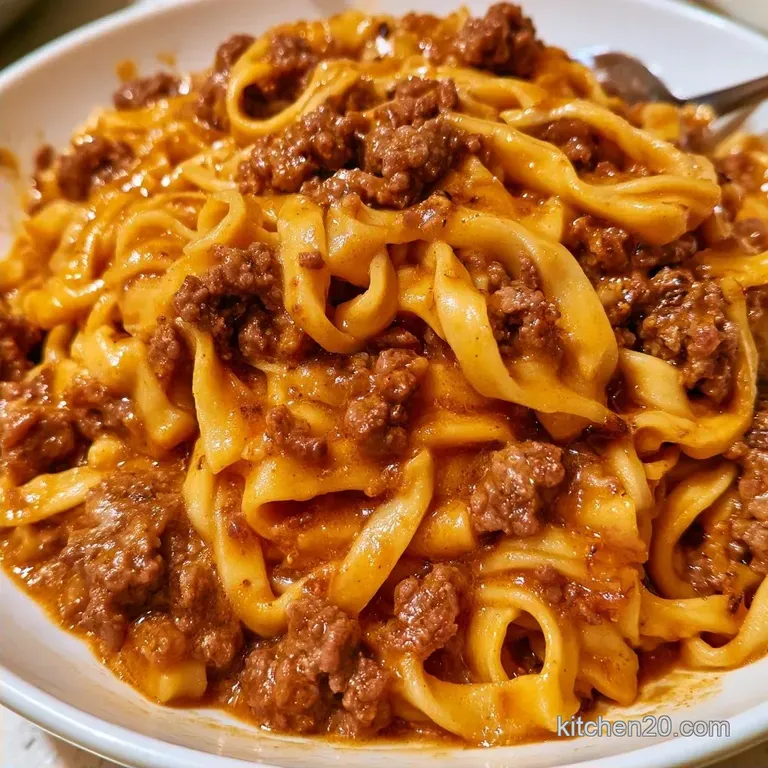
- Time: 10 minutes preparation + 25 minutes cooking
- The Draw: Rich, glossy cheese sauce with tender noodles
- Perfect for: Hectic weeknights or budget-friendly meal prep
- Quick Stats for Hamburger Helper Noodles
- Why the Sauce Stays Creamy
- Gathering Your Essentials
- Essential Gear for One Pan
- Step by Step Cooking Guide
- The Secret to Success
- Fixing Common Cooking Issues
- Storage and Reheating Tips
- Creative Twists and Swaps
- The Best Way to Serve
- Common Kitchen Myths
- High in Sodium
- Recipe FAQs
- 📝 Recipe Card
The bold, energetic sizzle of ground beef hitting a hot pan is the best way to kick off a Tuesday. For years, many of us assumed that a box of preservatives and powder was required to capture that specific, nostalgic comfort. We thought the "magic" was simply industrial chemistry.
In reality, that's a myth. You don't need a packet to achieve a thick, clingy sauce. Using heavy cream and sharp cheddar makes the dish feel like a proper meal rather than a salty snack.
You can look forward to a dinner that is creamy, hearty, and tastes of genuine beef. Since these Hamburger Helper Noodles are made in one skillet, you won't be scrubbing a mountain of pots tonight.
Quick Stats for Hamburger Helper Noodles
This is a straightforward process. You're looking at 10 minutes of prep and 25 minutes of cooking. The total time is 35 minutes from the moment you take the beef out of the fridge to the moment it hits the table.
It feeds 6 people, making it a great choice for families or for those of us who love having a few portions left over for lunch the next day.
Since we're aiming for budget efficiency, we use common pantry staples. The goal here is to maximize flavor while keeping the grocery bill low. If you're looking for another beefy comfort dish, you might like my Hamburger Steak recipe for a different take on ground beef.
Why the Sauce Stays Creamy
I spent a while figuring out why some homemade versions turn out grainy. It usually comes down to how the liquid and cheese interact.
Starch Absorption: Cooking the noodles directly in the broth and cream lets the pasta release starch into the liquid. This naturally thickens the sauce so it clings to the beef.
Dairy Order: Adding the cream and broth before the noodles creates a stable base. This prevents the cheese from splitting into oil when you fold it in at the end. For those who prefer making their own pasta, homemade egg noodles bring a different, more rustic texture to the dish.
| Version | Prep Effort | Flavor Depth | Texture |
|---|---|---|---|
| Boxed Kit | Very Low | Salty/Flat | Soft/Mushy |
| Homemade | Low | Rich/Savory | Al Dente/Glossy |
Gathering Your Essentials
Your choice of cheese is key. Buy a block of sharp cheddar and grate it by hand. Because pre-shredded options are tossed in potato starch to prevent clumping, they can leave your sauce feeling gritty.
Lean ground beef is the best choice to avoid excess grease in the pan. If you prefer 80/20 beef, simply ensure you drain the fat well after browning.
The Shopping List
- 1 lb lean ground beefThe Reason: Provides a savory base without too much grease
- 1 tbsp unsalted butterThe Reason: Adds richness to the sautéed onions
- 1 small yellow onion, finely dicedThe Reason: Essential for aromatic depth
- 3 cloves garlic, mincedThe Reason: Pungent kick that cuts through the cream
- 1 tsp smoked paprikaThe Reason: Gives a subtle, woody undertone
- 1 tsp onion powderThe Reason: Layers in more savory flavor
- ½ tsp saltThe Reason: Enhances all other flavors
- ¼ tsp cracked black pepperThe Reason: Adds a mild bite
- 3 cups low sodium beef brothThe Reason: Liquid base that tastes like meat
- 1 cup heavy creamThe Reason: Creates a velvety finish
- 12 oz wide egg noodles, uncookedThe Reason: Holds onto the sauce better than thin pasta
- 2 cups sharp cheddar cheese, hand gratedThe Reason: Strong flavor that doesn't get lost in the cream
| Original Ingredient | Substitute | Why It Works |
|---|---|---|
| Heavy Cream (1 cup) | Whole Milk + 1 tbsp Butter | Lighter, but less thick. Note: Sauce will be thinner |
| Sharp Cheddar | Pepper Jack | Similar melt. Note: Adds a spicy kick |
| Beef Broth | Chicken Broth | Similar salt profile. Note: Milder, less "beefy" taste |
Essential Gear for One Pan
Keep it simple with your equipment. I typically use a deep 12 inch cast iron skillet or a heavy bottomed stainless steel pan. The depth is key, giving the noodles plenty of room to simmer in the broth without splashing over the sides.
A durable silicone spatula is an essential tool here. It allows you to scrape up the flavorful caramelized residue from the pan's base, where the best taste is concentrated. A snug fitting lid is also a must. If the lid is too loose, too much moisture will evaporate, resulting in hard noodles and a vanished sauce.
Step by step Cooking Guide
Time to start cooking. Maintain a consistent temperature. Since the cream can burn if the heat spikes, feel free to lower the setting.
Phase 1: Browning and Aromatics
- Set your skillet to medium high heat. Add the ground beef and cook for 5-7 minutes until mahogany colored and crumbled. Drain any extra grease if needed.
- Turn the heat down to medium. Mix in the butter, diced onion, and minced garlic. Sauté for 3-4 minutes until fragrant and the onions turn translucent.
- Stir in the smoked paprika, onion powder, salt, and pepper. Cook for 60 seconds Note: this toasts the spices and releases their oils.
Phase 2: The Simmer
- Pour in the beef broth and heavy cream. Stir thoroughly, scraping the floor of the pan to incorporate the caramelized flavor. Bring the liquid to a gentle boil.
- Add the uncooked egg noodles. Lower the heat, cover with a lid, and simmer for 10-12 minutes.
- Stir every now and then to keep the pasta from sticking. The noodles are ready when they are tender but still hold their shape, and most of the liquid has been absorbed.
Phase 3: The Finishing Touch
- Take the pan off the heat entirely. Fold in the shredded cheddar until the sauce is glossy and the cheese is completely melted.
The Secret to Success
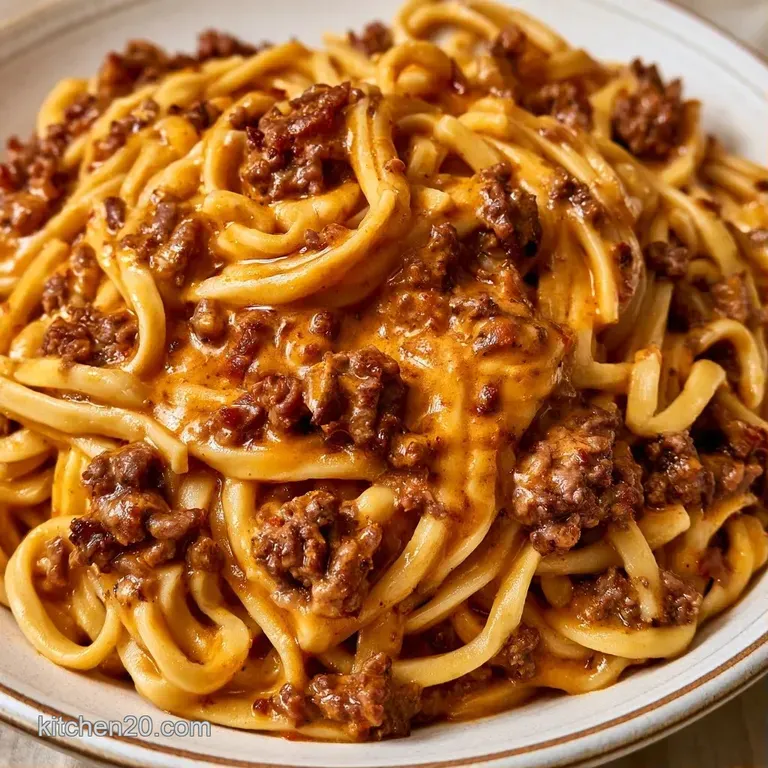
The key to these Hamburger Helper Noodles is the timing of the cheese. Stirring it in while the pan is still boiling can cause the cheese to separate, leaving you with an oily sauce. By removing the pan from the heat, you rely on the residual warmth to melt the cheddar, ensuring a creamy texture.
Another tip is to use low-sodium beef broth. This gives you complete control over the seasoning; you can always stir in a bit more salt later, but it is impossible to remove once the sauce has reduced.
Fixing Common Cooking Issues
Not every straightforward dish is foolproof; often, the culprits are improper heat levels or incorrect liquid amounts.
Sauce is Too Thick
If too much moisture escapes before the noodles soften, you'll end up with a clump rather than a creamy meal. This usually occurs if the heat is excessive or the lid isn't tight.
Cheese is Grainy
A gritty texture typically means the sauce was too hot. If the liquid is boiling vigorously when you stir in the cheese, the fats will split from the solids.
Noodles are Mushy
Just two extra minutes of cooking can turn your pasta into mush. Begin testing for doneness at the 10-minute mark.
| Problem | Fix |
|---|---|
| Sauce too thick | Stir in 1/4 cup warm beef broth |
| Grainy cheese | Remove from heat before adding cheese |
| Mushy noodles | Reduce simmer time by 2 minutes |
Storage and Reheating Tips
Since this is a cream based dish, it thickens up significantly in the fridge. The noodles continue to soak up the sauce even after the heat is off.
Put your leftovers in a glass tub and keep it in the fridge for up to 3 days. To reheat, do not use a microwave on high power, as this can split the cheese sauce. Instead, put the noodles in a small pot over low heat and add a splash of milk or broth. Stir gently until it reaches a creamy consistency again.
For zero waste, if you have a bit of leftover beef broth or a lonely onion, you can toss them into the base. If you have leftover noodles from this dish, they make a great base for a quick beef soup the next day just by adding more broth and some frozen peas.
Creative Twists and Swaps
You can easily pivot this recipe depending on what's in your pantry. If you want to change the flavor profile, try these adjustments.
For a "Hamburger Helper Stroganoff" style, swap the cheddar for 1/2 cup of sour cream and add a tablespoon of Worcestershire sauce. This gives it a tangier, more sophisticated vibe. To make it a "Cheeseburger Deluxe," stir in some diced pickled jalapeños and top with fresh green onions.
| Goal | What to change |
|---|---|
| More tang | Swap cheddar for Gruyère or Fontina |
| Lighter meal | Use 2% milk instead of heavy cream |
| Extra veg | Stir in 2 cups fresh spinach at the end |
If you find you have too much ground beef in the freezer, you could also try making my Hamburger Steak for a different meal later in the week.
The Best Way to Serve
These Hamburger Helper Noodles are heavy and rich, so you need something to cut through that fat. A simple side of steamed broccoli or a crisp green salad with a lemon vinaigrette works best. The acidity of the lemon balances the creaminess of the cheddar.
I like to serve this in shallow bowls with an extra sprinkle of fresh parsley or chives on top. It makes the dish look a bit more put together. If you're feeding kids, a side of sliced raw carrots or cucumbers adds a nice crunch that contrasts with the soft noodles.
Common Kitchen Myths
There's a common belief that you need to boil noodles in salted water before adding them to a sauce to ensure they cook evenly. This isn't true for one pot meals. Cooking them in the sauce actually improves the flavor because the pasta absorbs the beef broth rather than plain water.
Another myth is that you should use the highest heat possible to "sear" the beef. While you want a brown crust, overheating the pan can cause the beef to steam in its own juices rather than brown. Medium high is the sweet spot for that mahogany color.
Right then, you've got everything you need to tackle these Hamburger Helper Noodles. It's a budget friendly system that delivers a high-quality result without the artificial taste of a box. Trust me on the fresh cheese- it makes all the difference. Let's crack on and get cooking.
High in Sodium
840 mg 840 mg of sodium per serving (37% 37% of daily value)
The American Heart Association recommends a daily sodium limit of no more than 2,300 mg for most adults to maintain heart health.
Tips to Reduce Sodium
-
Switch Broth Type-30%
Replace the low sodium beef broth with no-salt added beef broth or a homemade unsalted stock.
-
Omit Added Salt-25%
Remove the ½ tsp of salt entirely; the cheese and broth already provide ample sodium for seasoning.
-
Reduce Cheese Volume-15%
Reduce the sharp cheddar cheese to 1 cup or substitute with a lower sodium Swiss cheese.
-
Boost Flavor with Spices
Add more smoked paprika, black pepper, or fresh parsley to enhance the taste profile without adding salt.
Recipe FAQs
Can I use egg noodles for this recipe?
Yes, wide egg noodles are the ideal choice here. They hold the heavy cream sauce well and provide a hearty texture.
How do you make this dish from scratch?
Brown ground beef over medium high heat until mahogany colored. Sauté onion and garlic in butter, then simmer uncooked noodles in beef broth and cream before folding in cheddar.
Which pasta works best for a homemade version?
Wide egg noodles are the best option because they absorb the liquid effectively. If you enjoy this style of comfort food, see how we use a similar creamy base in our ground beef stroganoff.
Is it true that you must boil the noodles separately before adding them?
No, and here's why. Simmering the uncooked noodles directly in the beef broth and cream allows them to release starch, which naturally thickens the sauce.
Why is my sauce remaining too thin?
Simmer the noodles for the full 10-12 minutes with the lid on. Most of the liquid should be absorbed by the time the noodles are tender.
How do I stop the cheese sauce from splitting when reheating?
Heat the noodles in a small pot over low heat instead of using a microwave. Stir in a splash of beef broth to restore the creamy consistency.
Do I need to use a separate pot for the meat?
This one's false: you can do everything in one skillet. Browning the beef first creates a fond that adds significant depth to the final sauce.
Hamburger Helper Noodles