Sweet Potato and Chickpea Curry with Coconut Milk
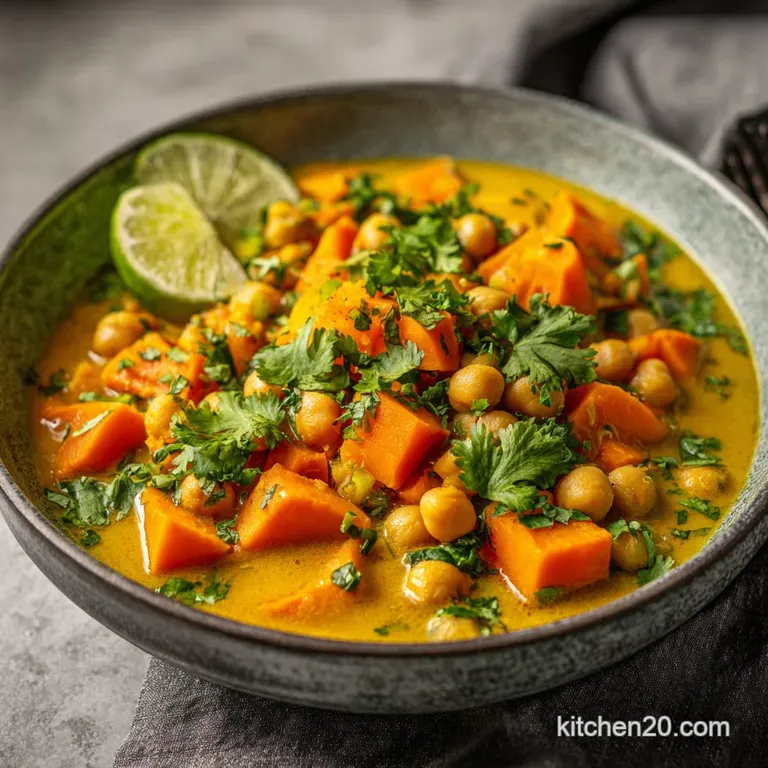
- Time: Active 15 minutes, Passive 20 minutes, Total 35 minutes
- Flavor/Texture Hook: Velvety coconut sauce with tender, buttery sweet potato chunks
- Perfect for: Stress free weeknight dinners or healthy meal prep batches
- Essential Techniques for Creating Deep Flavor Layers
- The Scientific Physics of Perfect Starch Softening
- Identifying Quality Ingredients for Your Next Pantry Haul
- Selecting the Proper Tech Stack for Efficient Meal Prep
- Navigating the Chronological Journey to a Velvety Finish
- Preventive Measures for Avoiding Common Kitchen Mistakes
- Inclusive Adaptations for Diverse Nutritional Requirements
- Maximizing Freshness Through Strategic Storage and Leftover Management
- Connecting Flavors Through Thoughtful Side Dish Pairings
- True Facts About Curry
- Recipe FAQs
- 📝 Recipe Card
Essential Techniques for Creating Deep Flavor Layers
The secret to this sweet potato and chickpea curry isn't just the ingredients, but how they interact with heat. We often treat cooking as a linear path, but it's really about managing the physics of flavor release.
- Lipid Soluble Extraction: Spices like turmeric and cumin release their aromatic compounds much more effectively in fat than in water.
- Starch Retrogradation Control: Cooling and reheating sweet potatoes (if making ahead) actually makes them firmer and easier to digest.
- The Maillard Foundation: Dicing the red onion finely (approx. 150g) increases the surface area for caramelization, providing a rich, savory backbone.
Comparing Quick Method vs Classic Simmer
Before we get into the nitty gritty, let's look at how your choice of timeline affects the final outcome. Whether you're in a rush or have an afternoon to kill, the results vary in complexity.
| Method | Cook Time | Texture Profile | Flavor Depth |
|---|---|---|---|
| Quick Weeknight | 20 minutes | Firm potato bite | Bright and punchy |
| Classic Simmer | 45 minutes | Velvety, soft tubers | Mellow and integrated |
| Slow Cooker | 4 hours | Almost stew like | Deeply earthy |
The quick method we’re focusing on today is a total game changer for busy evenings. Much like the technique I use in Grandmas Potato Salad recipe, getting the potato texture just right is the difference between a side dish and a centerpiece. We want them tender enough to crush with a fork but not so soft they disappear into the sauce.
The Scientific Physics of Perfect Starch Softening
To get that silky consistency, we need to understand the role of liquid ratios. If you use too much broth, the sweet potatoes boil rather than simmer, leading to a "washed out" flavor.
| Ingredient | Science Role | Pro Secret |
|---|---|---|
| Coconut Oil | Flavor Carrier | Use 1 tbsp to start; it has a higher smoke point than butter. |
| Turmeric | Coloring Agent | Needs black pepper to activate its bioactive curcumin compounds. |
| Sweet Potatoes | Starch Thickener | Peeling them allows the starches to slightly "slough off" and thicken the sauce. |
When selecting your tubers, look for the orange fleshed varieties often used in my Classic Black Folks recipe, as they have the highest natural sugar content. This sweetness balances the earthy cumin seeds and the heat from the red chili. It's all about that perfect chemical equilibrium on your palate.
Identifying Quality Ingredients for Your Next Pantry Haul
This recipe relies on a few heavy hitters. Don't skimp on the fresh ginger or garlic; the jarred stuff just doesn't have the same "zip" that cuts through the fatty coconut milk.
- Coconut Oil (1 tbsp): Adds a subtle tropical scent. Why this? Maintains stability at high heat during the initial spice bloom.
- Red Onion (150g): Finely diced for even melting. Why this? Sweeter and more nuanced than white onions when sautéed.
- Sweet Potatoes (500g): Peeled and cut into 1 inch cubes. Why this? The 1 inch size ensures they cook through in exactly 20 minutes.
- Chickpeas (240g drained): Use canned for convenience. Why this? They provide a "popping" texture contrast to the soft potatoes.
- Mild Curry Powder (1.5 tbsp): Your primary flavor platform. Why this? A pre mixed blend provides consistent results for beginners.
- Fresh Baby Spinach (2 cups): For a pop of color. Why this? It wilts instantly in the residual heat without becoming slimy.
| Original Ingredient | Substitute | Why It Works |
|---|---|---|
| Lite Coconut Milk | Full fat Coconut Milk | Creamier mouthfeel. Note: Increases calorie count significantly. |
| Mild Curry Powder | Garam Masala | Adds warmer, sweeter notes like cinnamon and cloves. |
| Fresh Ginger | Ginger Paste | Convenient, though lacks the sharp "shatter" of fresh fiber. |
Since we're focusing on a connected, holistic approach to cooking, using low sodium vegetable broth is non negotiable. It allows you to control the seasoning with sea salt (1/2 tsp) rather than letting the broth dictate the salinity of the entire pot.
Selecting the Proper Tech Stack for Efficient Meal Prep
You don't need a lab full of gadgets, but a few specific tools make this process much smoother. I personally prefer a heavy bottomed pot or a deep cast iron skillet.
- Large Skillet or Dutch Oven: Something with a wide surface area helps the coconut milk reduce faster.
- Microplane Grater: Essential for the 1 tbsp of fresh ginger; it turns it into a paste that melts into the oil.
- Sharp Chef's Knife: For those 1 inch sweet potato cubes uniformity is the key to even cooking.
Chef's Tip: Freeze your ginger root for 10 minutes before grating. It prevents the fibers from getting caught in the grater and yields a much finer, more aromatic paste.
Navigating the Chronological Journey to a Velvety Finish
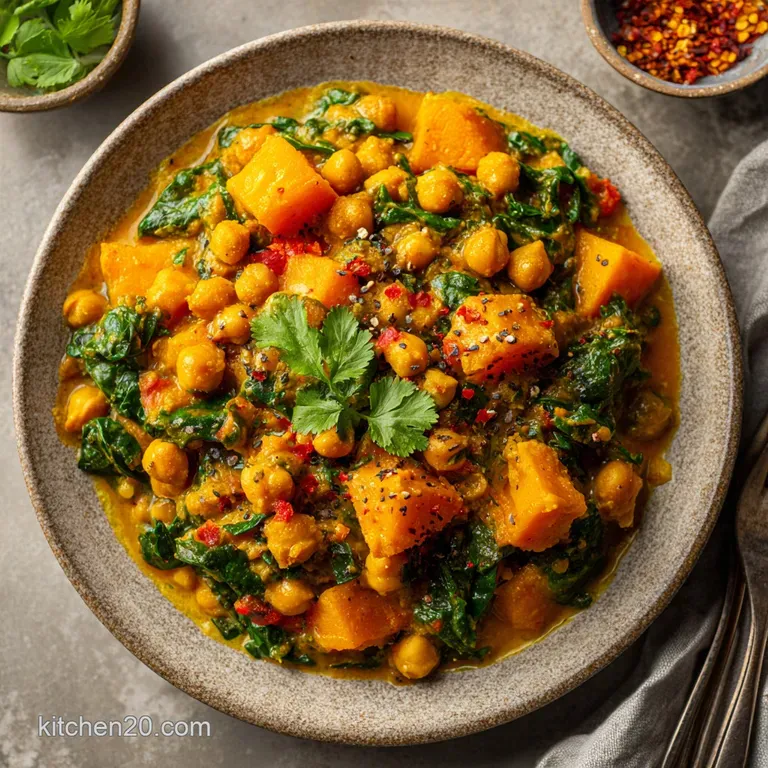
- Heat the oil. Melt 1 tbsp coconut oil in your pan over medium heat until it begins to shimmer.
- Sauté aromatics. Add the 150g diced red onion. Cook for 5 minutes until translucent and fragrant.
- Bloom the base. Stir in the 3 cloves minced garlic, 1 tbsp grated ginger, and sliced red chili. Sizzle for 1 minute. Note: This prevents the garlic from burning while waking up the ginger oils.
- Toast the spices. Add 1.5 tbsp curry powder, 1 tsp turmeric, and 1/2 tsp cumin seeds. Stir constantly for 30 seconds until the kitchen smells like an Indian spice market.
- Build the body. Toss in the 500g sweet potato cubes and 240g chickpeas. Coat them thoroughly in the spice paste.
- Simmer. Pour in the 14 oz lite coconut milk and 1 cup vegetable broth. Bring to a boil, then reduce heat.
- Monitor texture. Simmer for 15-20 minutes. Check at the 15 minute mark by piercing a potato with a fork; it should slide in easily.
- Seasoning check. Add 1/2 tsp sea salt and 1/4 tsp black pepper. Taste the sauce it should be vibrant, not flat.
- The final wilt. Turn off the heat and fold in 2 cups of baby spinach. Stir until the leaves turn bright green and soft.
- Rest. Let the curry sit for 2 minutes before serving to allow the sauce to thicken slightly.
Preventive Measures for Avoiding Common Kitchen Mistakes
Even the best of us hit a snag sometimes. Usually, it comes down to heat management or moisture control. If your curry looks more like a stir fry, you might have let the liquid evaporate too quickly.
Why Your Sweet Potatoes Are Hard
If you've been simmering for 20 minutes and the potatoes still have a "crunch," your heat was likely too low, or the cubes were cut too large. Sweet potatoes require a consistent simmer (around 95°C) to break down the tough pectin bonds in their cell walls.
| Problem | Root Cause | Solution |
|---|---|---|
| Watery Sauce | Too much broth added | Simmer uncovered for 5 mins to reduce liquid. |
| Lack of Flavor | Spices didn't bloom | Sauté spices in oil for 30 seconds before adding liquids. |
| Bitter Aftertaste | Burned garlic | Add garlic after the onions have softened and released moisture. |
Common Mistakes Checklist: ✓ Never skip the onion sautéing; it provides the savory "umami" base. ✓ Pat the sweet potatoes dry after peeling if you want them to pick up the spice paste better.
✓ Don't overcrowd the pan; make sure the liquid covers at least 3/4 of the ingredients. ✓ Avoid boiling the coconut milk vigorously, as "lite" versions can sometimes break or curdle. ✓ Use fresh spices; if your curry powder has been in the back of the pantry for 2 years, it won't have any punch.
Inclusive Adaptations for Diverse Nutritional Requirements
This sweet potato and chickpea curry is naturally vegan and gluten-free, making it a fantastic platform for communal dining. However, you can easily pivot based on what's in your fridge.
- 1. Vegetable Prep
- Ensure sweet potatoes are exactly 500g for the liquid ratio to work perfectly.
- 2. Aromatic Sizzle
- The ginger and garlic should only cook for 60 seconds to avoid bitterness.
- 3. Doneness
- The internal temp of the largest potato cube should reach approximately 90°C.
Decision Shortcut: If you want a creamier finish, stir in 2 tbsp of almond butter at the end. If you want more heat, leave the seeds in the red chili. If you want shorter prep, buy pre cut sweet potato chunks from the produce aisle.
Maximizing Freshness Through Strategic Storage and Leftover Management
One of the best things about this dish is its "connected" nature the flavors actually fuse together more tightly after a night in the fridge. It’s the ultimate "day two" lunch.
Storage: Keep in an airtight container in the fridge for up to 4 days. When reheating, you might need to add a splash of water or broth, as the potatoes will continue to absorb moisture.
Freezing: This curry freezes beautifully for up to 3 months. Just be aware that the sweet potatoes might become slightly softer upon thawing. I recommend freezing in individual portions for a quick "grab and go" meal.
Zero Waste Tip: Don't toss those spinach stems! If they are tender, chop them finely and sauté them right along with the onions. Also, if you have leftover coconut milk, freeze it in an ice cube tray to use for smoothies or future curry batches.
Connecting Flavors Through Thoughtful Side Dish Pairings
Plating is where you can really revolutionize the experience. Whether you’re eating solo on the couch or hosting a dinner party, how you present this sweet potato and chickpea curry changes the vibe.
Plating Evolution Levels
| Level | Components | Vibe |
|---|---|---|
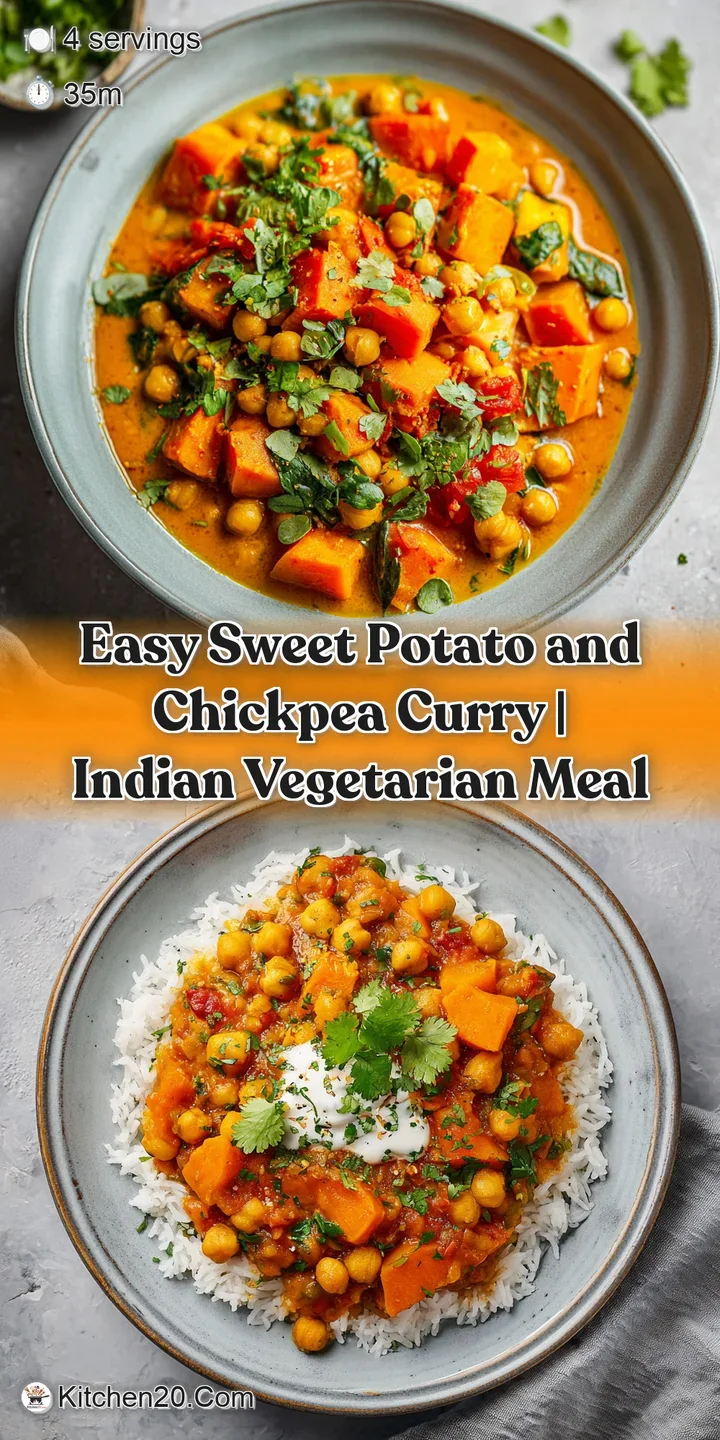
| Simple | Scoop over brown rice in a deep bowl. | Cozy and functional. |
| Polished | Add a dollop of coconut yogurt and fresh cilantro. | Effortlessly chic. |
| Restaurant | Toasted nigella seeds, lime wedges, and a swirl of chili oil. | Gourmet and connected. |
True Facts About Curry
You've probably heard that curry powder is a "fake" Indian ingredient. While it’s true that "curry powder" was a British invention to mimic the complex spice blends (masalas) of India, it has since become its own valid culinary platform.
Using a high-quality blend isn't "cheating" it’s a smart way to access a spectrum of flavors without buying 20 individual jars of spices.
Another myth is that you must use full fat coconut milk for it to be "authentic." In reality, many regional styles use lighter extractions or even water based gravies. The lite coconut milk in this recipe provides a velvety texture without the heavy, cloying feeling that sometimes masks the delicate ginger and turmeric notes.
Trust the process, and let those sweet potatoes shine!
Recipe FAQs
Can I substitute canned sweet potatoes instead of fresh ones for this curry?
No, stick with fresh. Canned sweet potatoes are usually packed in syrup or water, which alters the texture and washes out flavor compounds needed for the initial spice bloom.
How to tell when the sweet potatoes are perfectly cooked but not mushy?
Pierce the largest cube with a fork; it should slide in with minimal resistance. Aim for a texture that is tender but still holds its 1 inch shape, preventing the sauce from becoming too starchy.
Is it necessary to bloom the dry spices in oil before adding liquid?
Yes, this step is crucial for maximum flavor extraction. Lipid soluble flavor compounds in spices like turmeric and cumin only release properly when heated in fat, creating a deeper, richer base foundation.
How to make this curry thicker if the sauce ends up too watery?
Simmer the curry uncovered on medium heat for an additional 5-10 minutes. The evaporation concentrates the coconut milk solids, achieving that velvety mouthfeel; if you mastered controlling cookie spread here, see how the same principle of reduction works in our Classic Roast Turkey recipe for pan sauces.
Can I use a different type of bean instead of chickpeas?
Yes, cannellini beans or black eyed peas are excellent substitutes. They offer a similar firm texture that contrasts nicely with the soft sweet potato, maintaining the textural integrity of the dish.
How to best store leftovers to ensure the potatoes don't become overly soft?
Store the curry immediately after it cools, without reheating first. The slow cooling process helps the starch set; you can adjust the consistency by adding broth when you reheat it later, similar to controlling the thickness in our How to Make recipe.
What is the role of the spinach added at the very end of cooking?
The spinach adds color, nutrients, and immediate freshness. Adding it off-heat ensures it wilts rapidly without becoming dull green or developing that slimy texture associated with overcooked greens.
Sweet Potato Chickpea Curry
Ingredients:
Instructions:
Nutrition Facts:
| Calories | 338 kcal |
|---|---|
| Protein | 9.4 g |
| Fat | 12.8 g |
| Carbs | 51.2 g |
| Fiber | 10.6 g |
| Sugar | 9.8 g |
| Sodium | 615 mg |
